fassaColour® packaging
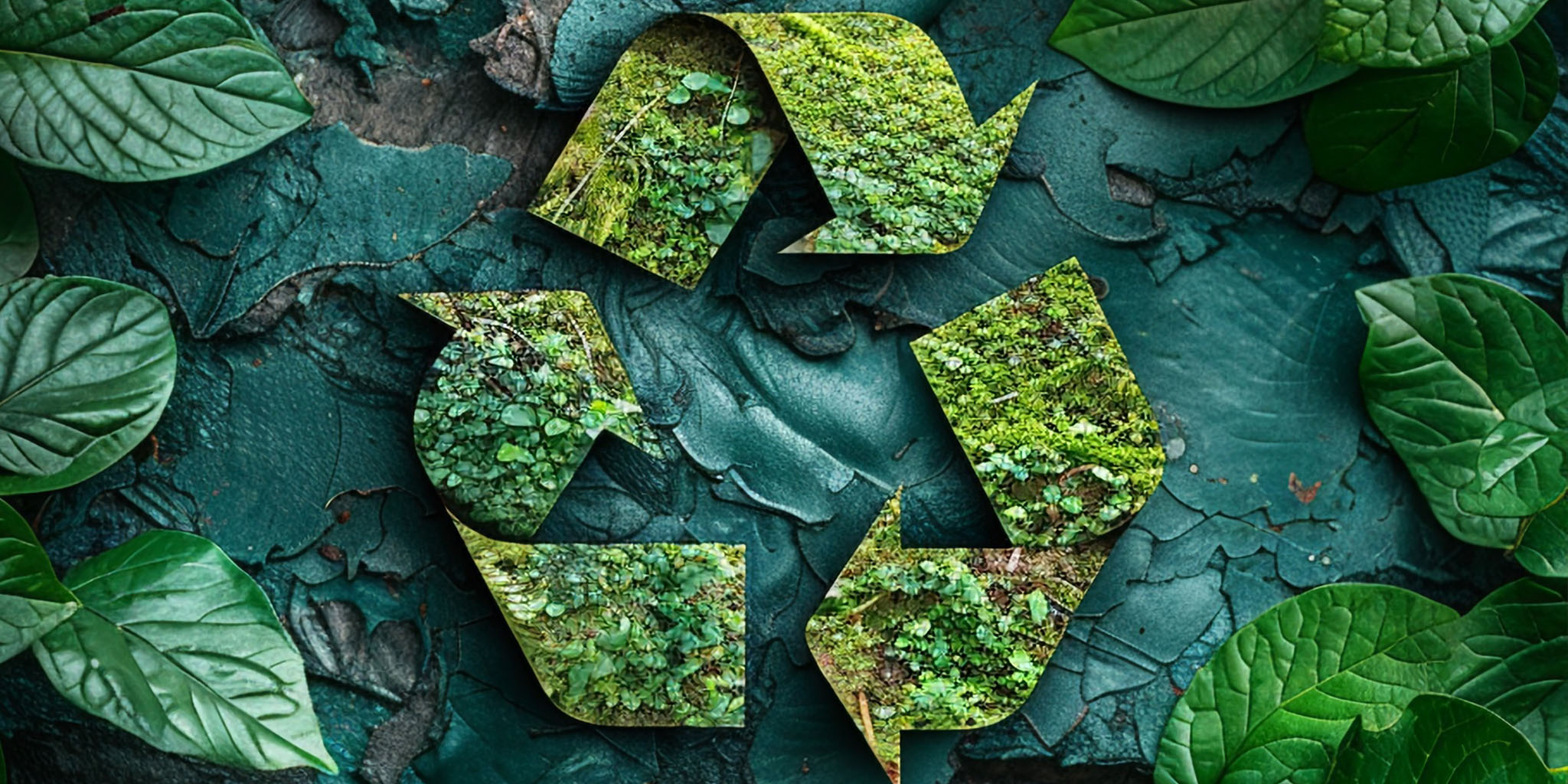
Our commitment to act in an increasingly sustainable manner is also reflected in our choice to use recycled packaging: to date, over 60% of the packaging (excluding metal cans) in the fassaColour® system is made of recycled plastic and for the next few years we are targeting a gradual increase in this percentage, with a view to constant growth and improvement.
Using post-consumer material allows us to enhance all the good practices aimed at reducing and recovering waste. In addition, packaging made of recycled plastic is an important choice because, besides limiting the use of resources, it decreases the CO2 emissions linked to the extraction of raw materials.
What is the point of talking about sustainable packaging?
Promote innovation and be creators of growth and concrete changes in both industrial and environmental terms. A virtuous growth that in the fassaColour® world has seen us combine the choice of quality raw materials and constant attention to the formulation of products with a low VOC (volatile organic compounds) content, with a new path of development for a more sustainable packaging, able to meet the needs of the circular economy.
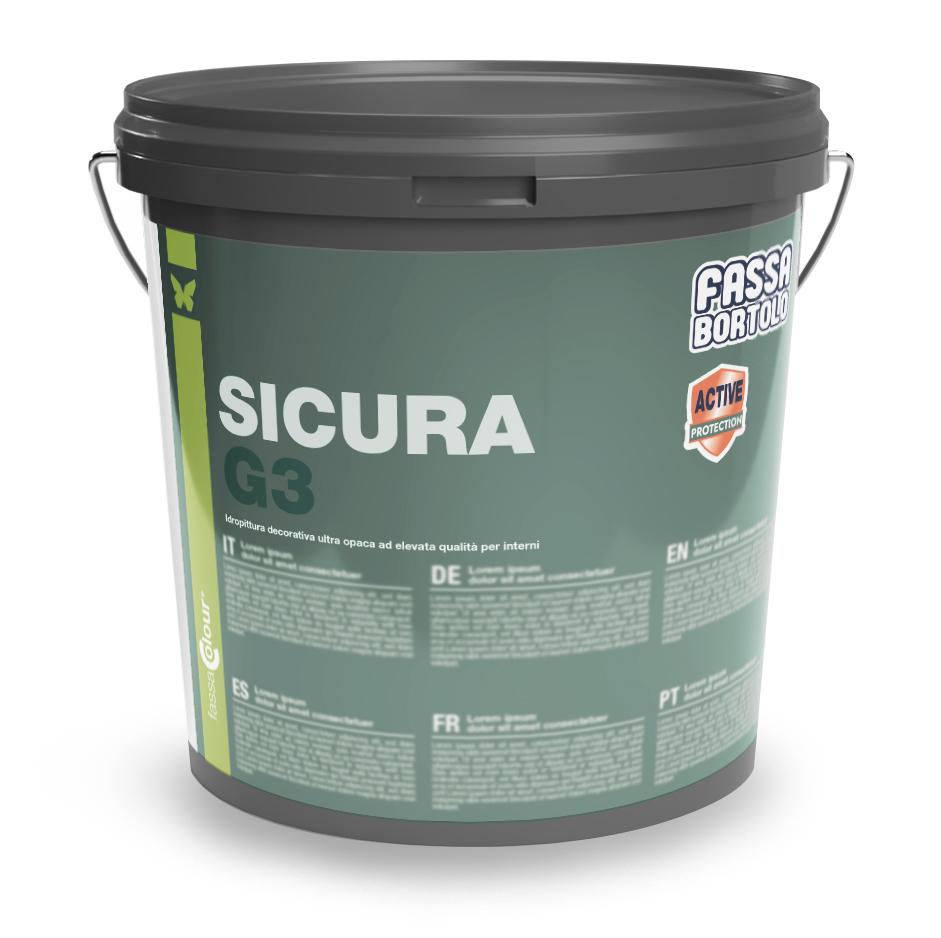
The packaging of the fassaColour® system is undergoing a transition from white packaging made of virgin plastic, i.e. produced using only new raw materials, to packaging made of recycled plastic, which is produced by processing plastic waste, used for the production of a new material to be reintroduced into production processes. Tins are characterised by their dark grey/anthracite colour, which may vary slightly in the different supplies, precisely because they come from regenerated raw materials.
Plastic Second Life Packaging
Tins are made from at least 50% recycled material. Lids, on the other hand, are made of virgin plastic: this ensures the best possible sealing and preservation of the product.
“Plastic Second Life is an eco-label for recycled plastic materials and products. Its purpose is to certify materials and products obtained from the recycling of plastic waste while introducing two very important concepts: the quality and traceability of recycled materials. This is to highlight the great potential of plastics in the realisation of the circular economy”. (www.ippr.it)