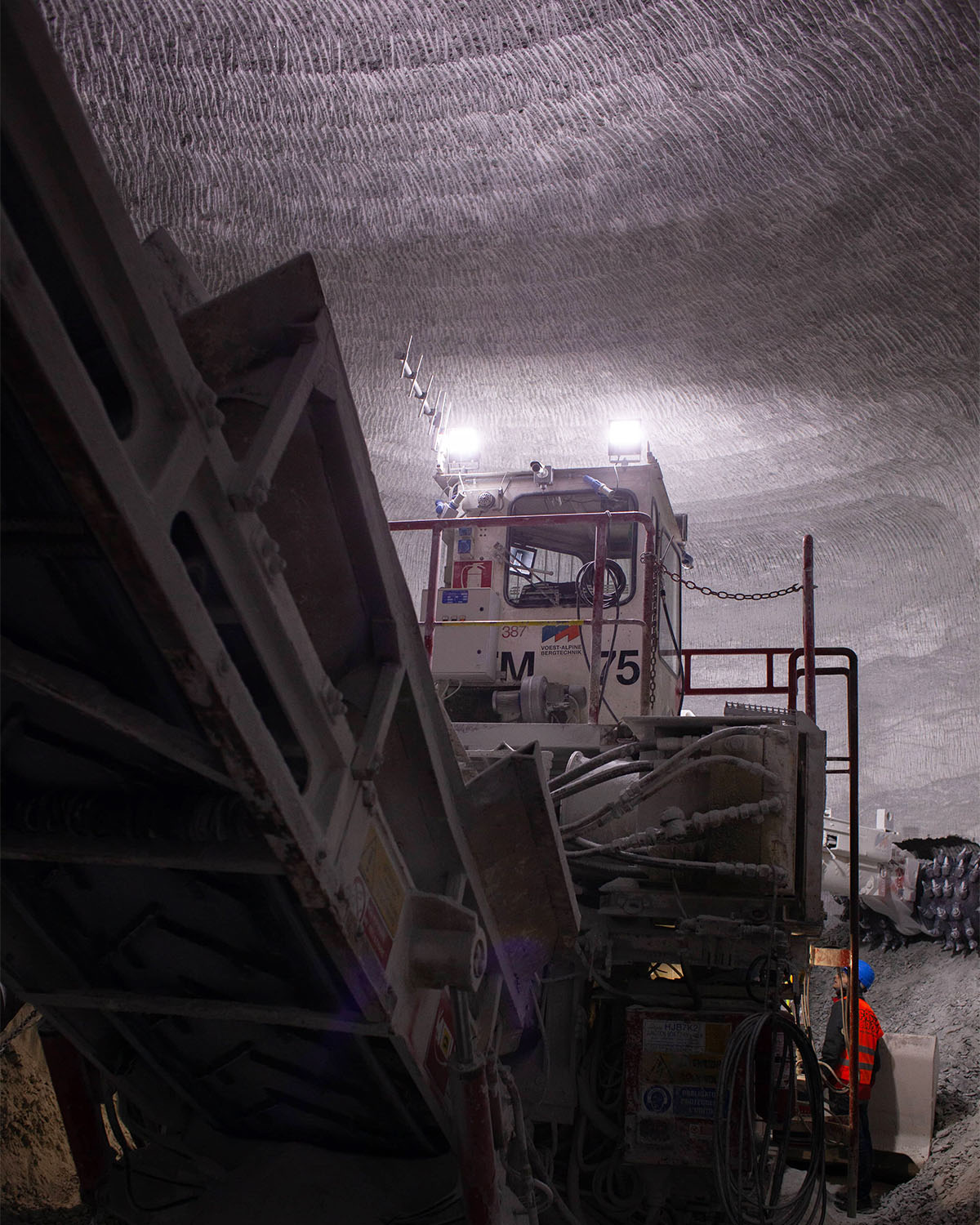
At Fassa Bortolo, our quarrying activities are driven by a strong commitment to environmental sustainability.
We operate with a responsible management of natural resources, respecting the environment and aiming to minimise the negative impact of our activities.
We carefully select quarries and mining sites in line with practices to reduce disturbance and impact on the landscape. After use, we are committed to restoring and rehabilitating mining sites, preserving the natural balance of the surrounding environment.
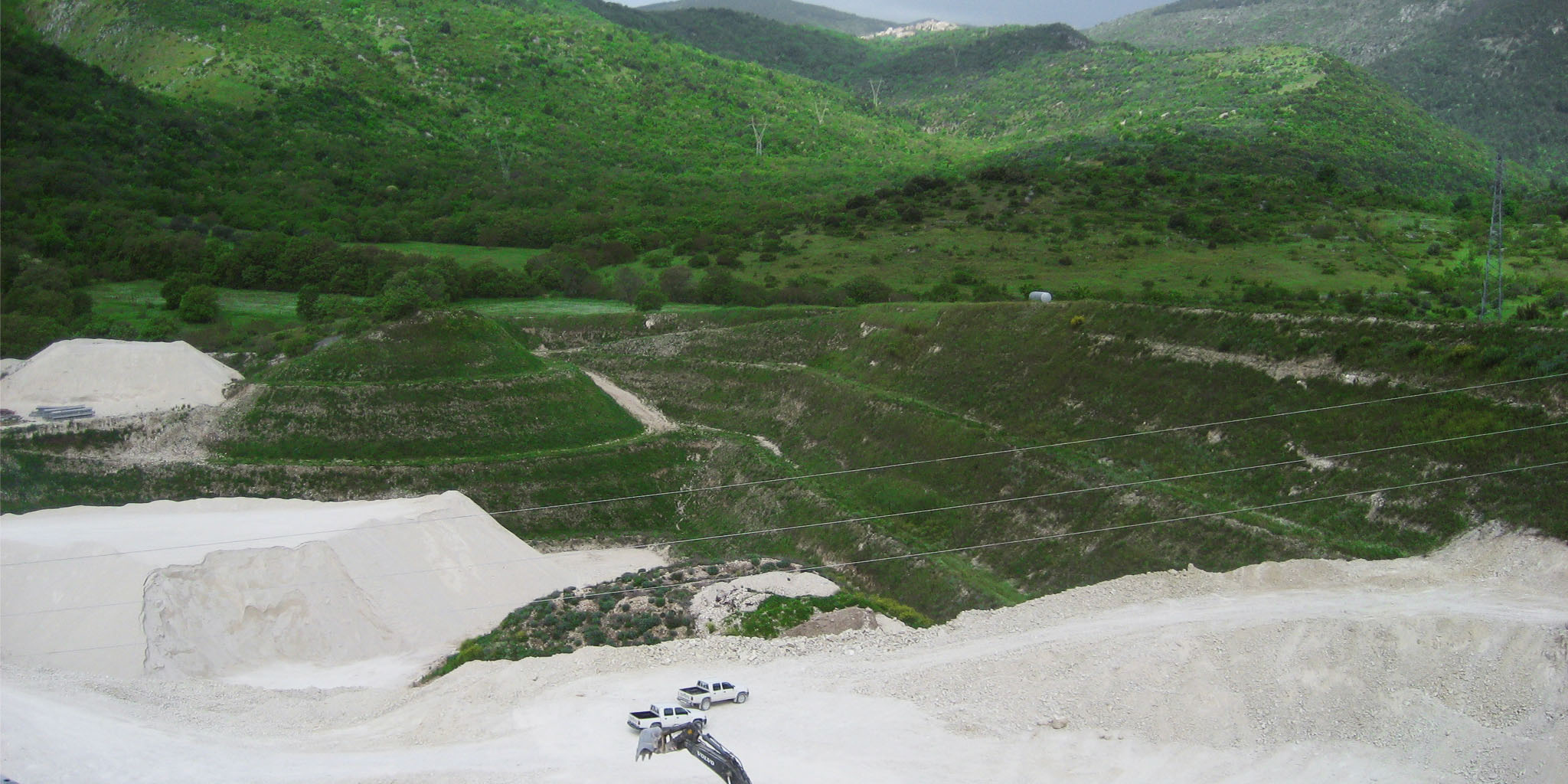
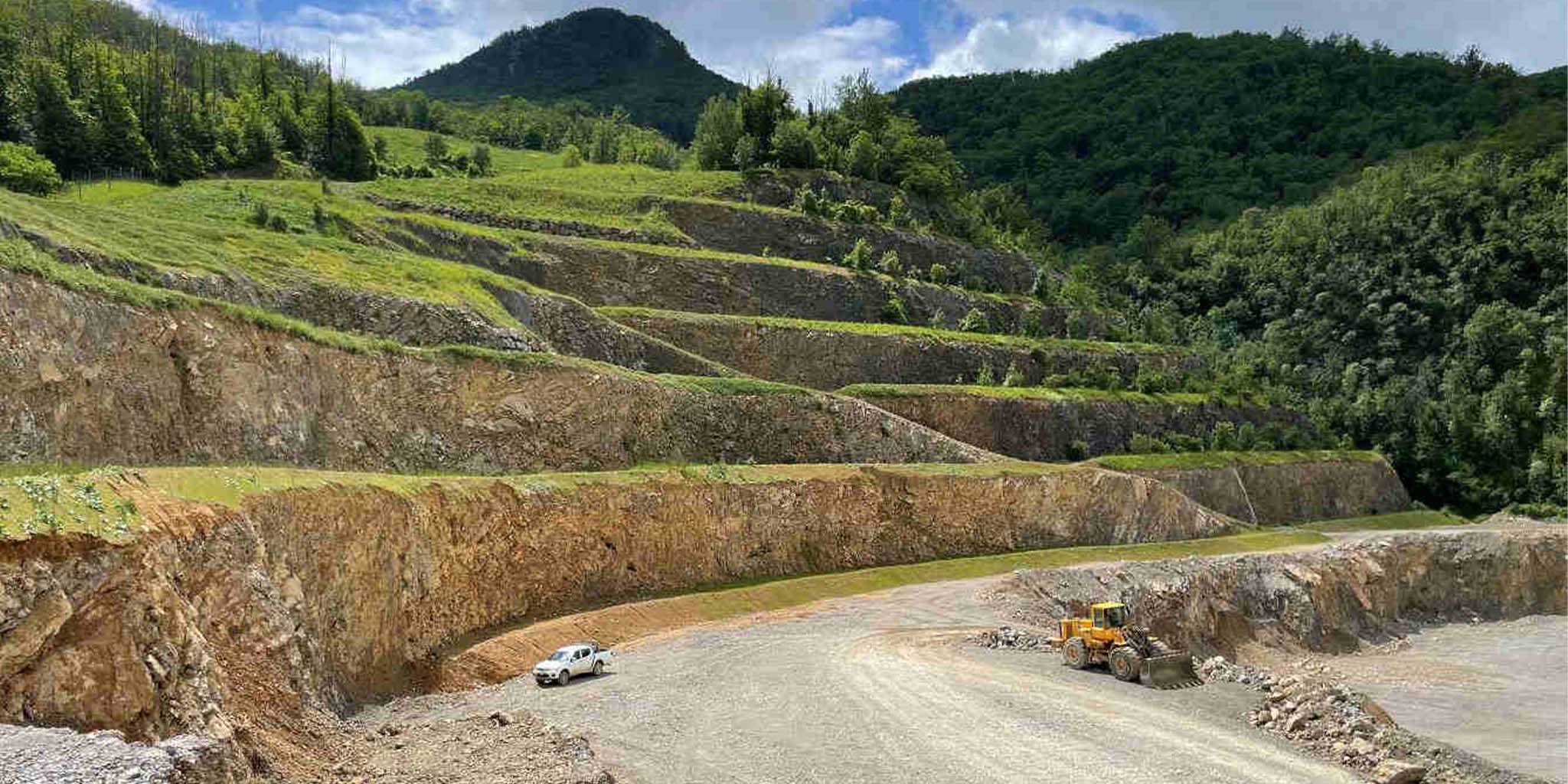
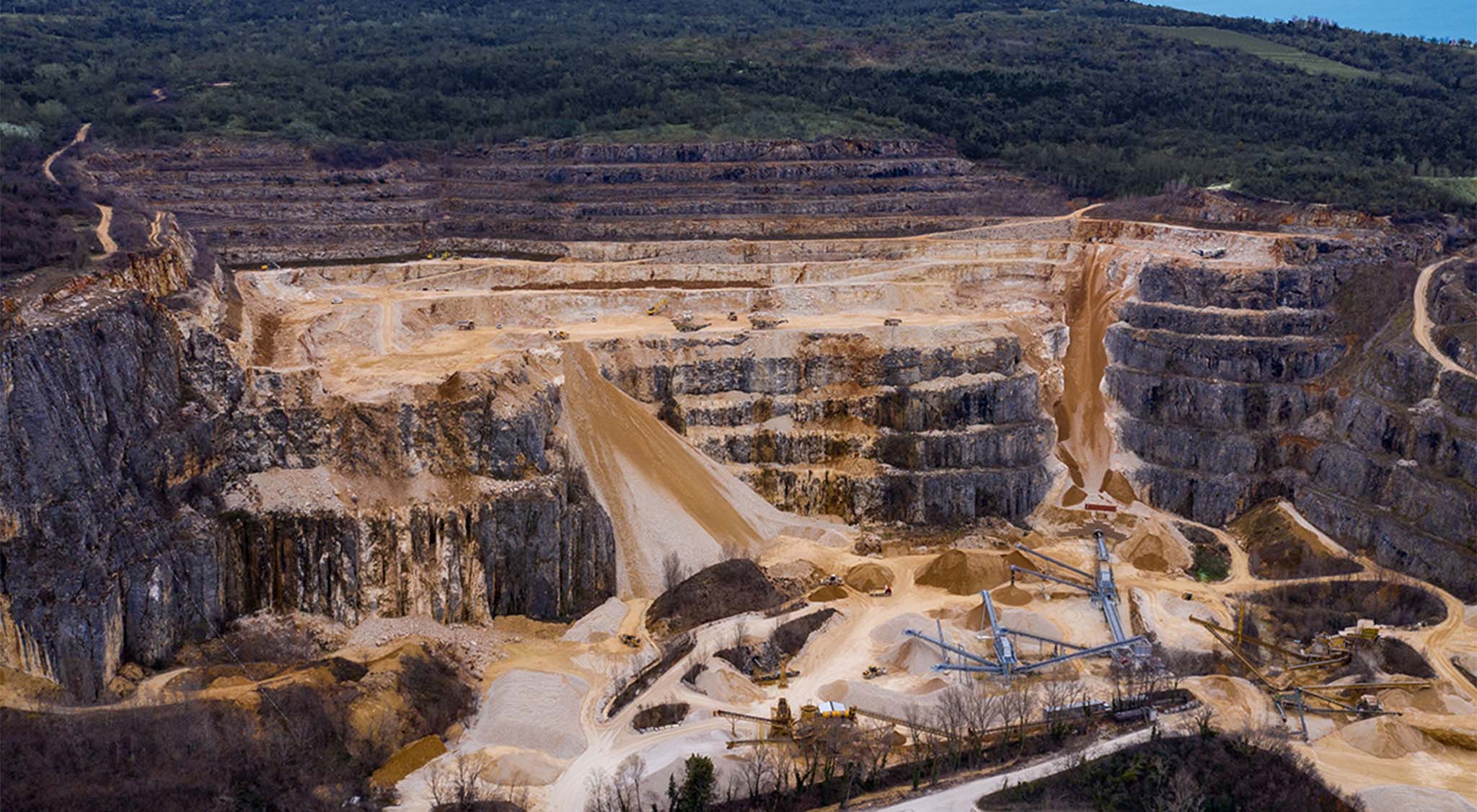
We adopt leading-edge technologies to improve the efficiency and sustainability of our quarrying activities. We operate both opencast quarries, which are worked progressively downwards in horizontal levels, with each level being immediately remediated once the material has been extracted, and underground crushing of the stone to reduce use of transport vehicles.
We constantly monitor environmental performance, cutting water and energy use, limiting polluting emissions and optimising resource consumption.
What we have is a comprehensive approach, because we consider environmental, social and economic aspects, while respecting geomorphological, hydrogeological and landscape balances.
Gypsum quarries
An irreplaceable material
An ancient building material, gypsum is still irreplaceable today. Its quality is essential to ensure the best performance applied to building systems.
We began underground mining of the first gypsum quarry in 1993 in Moncalvo (AT), an experience that we later consolidated and tested with other activities also in the province of Asti. Underground mining makes it possible to get to the best part of the deposit, helping to extract gypsum ore that is not contaminated by clays, marls or altered gypsum, as is often the case with opencast quarries.
Underground gypsum mining
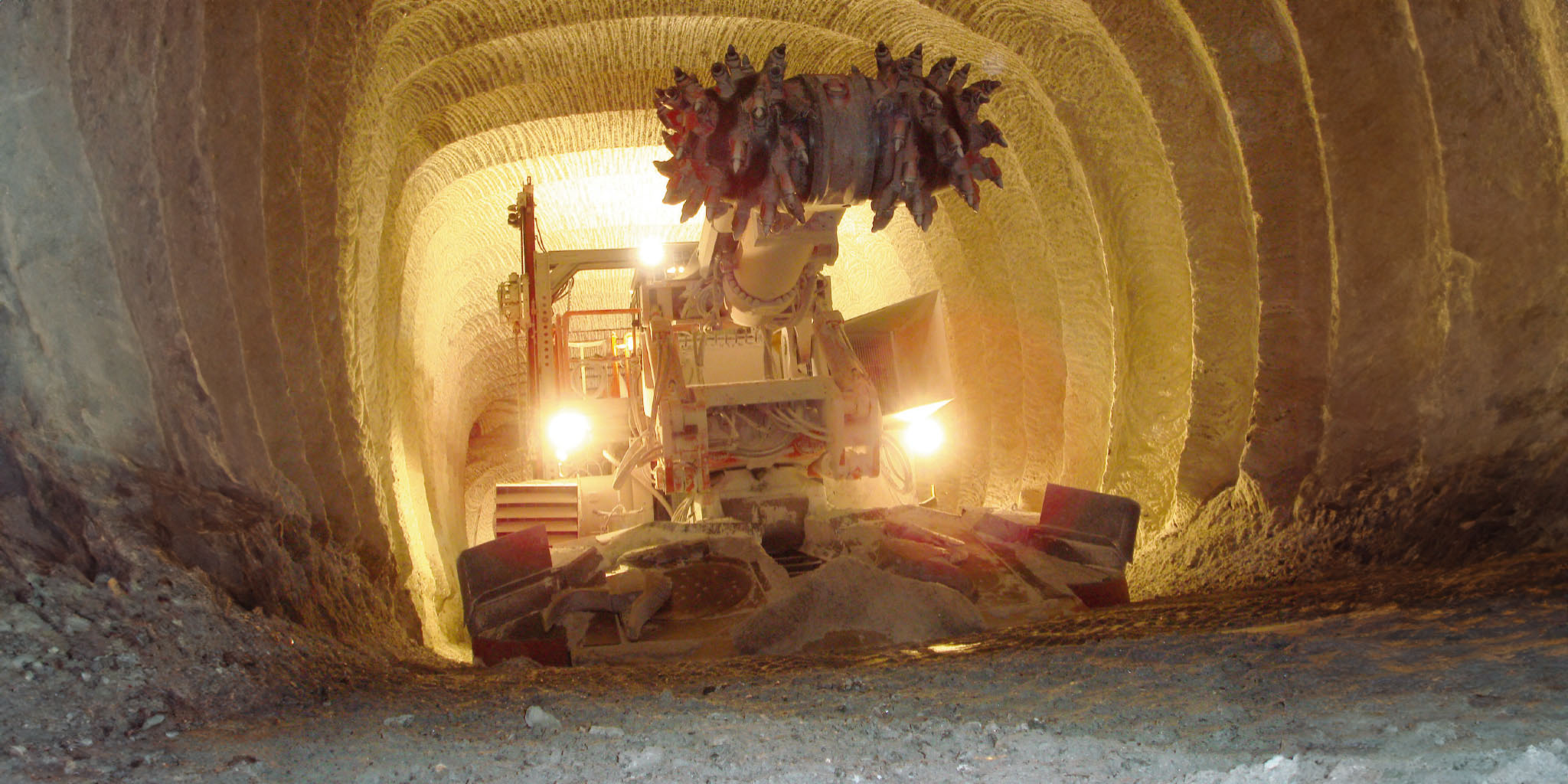
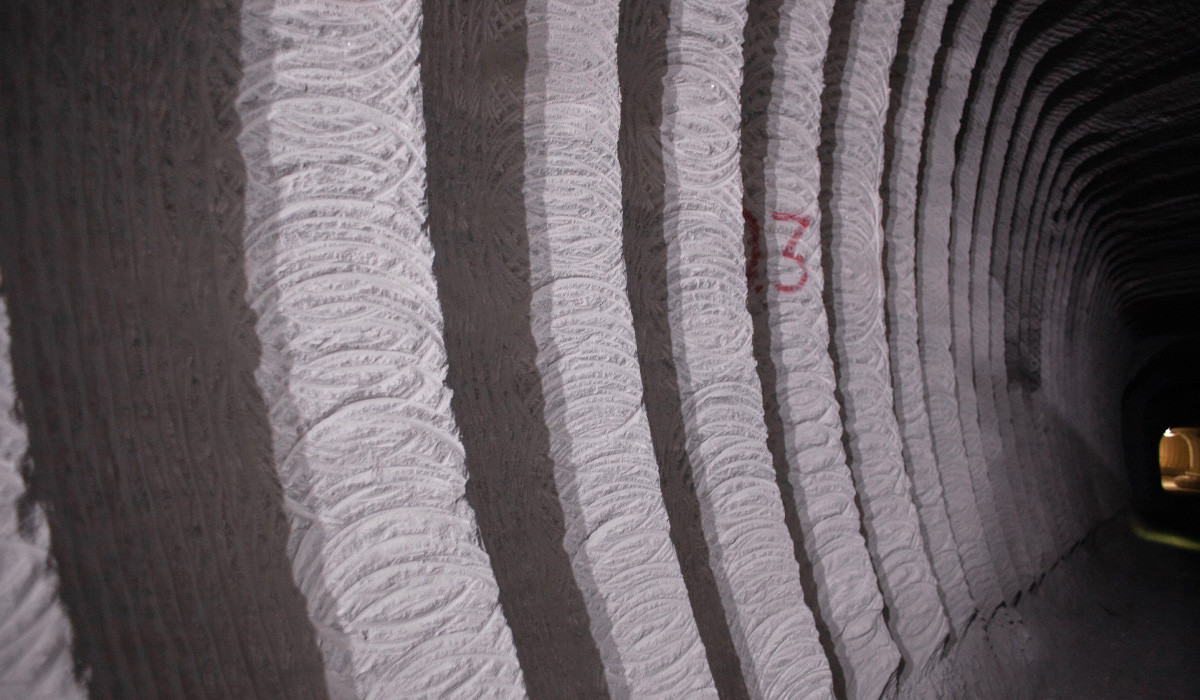
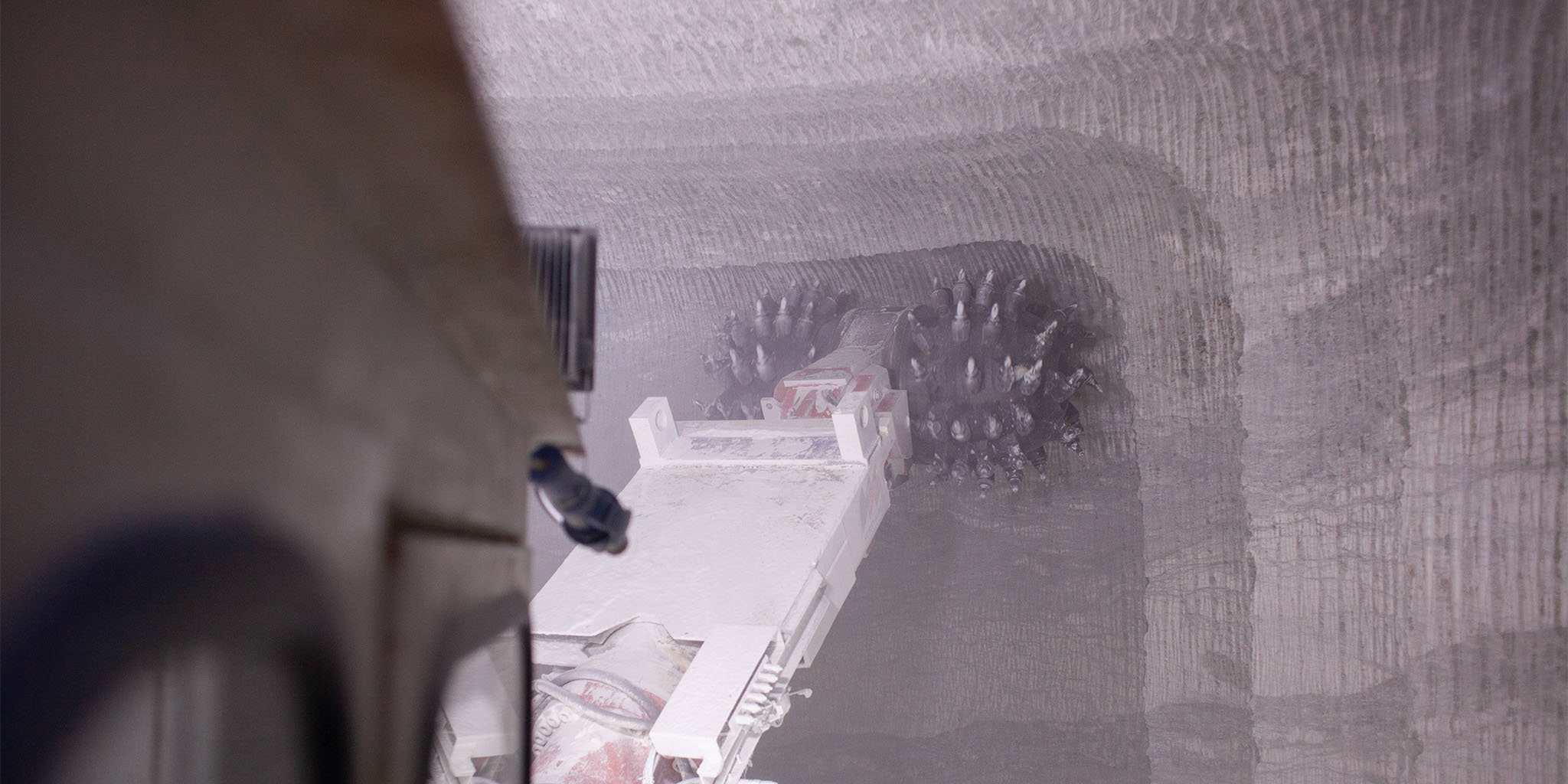
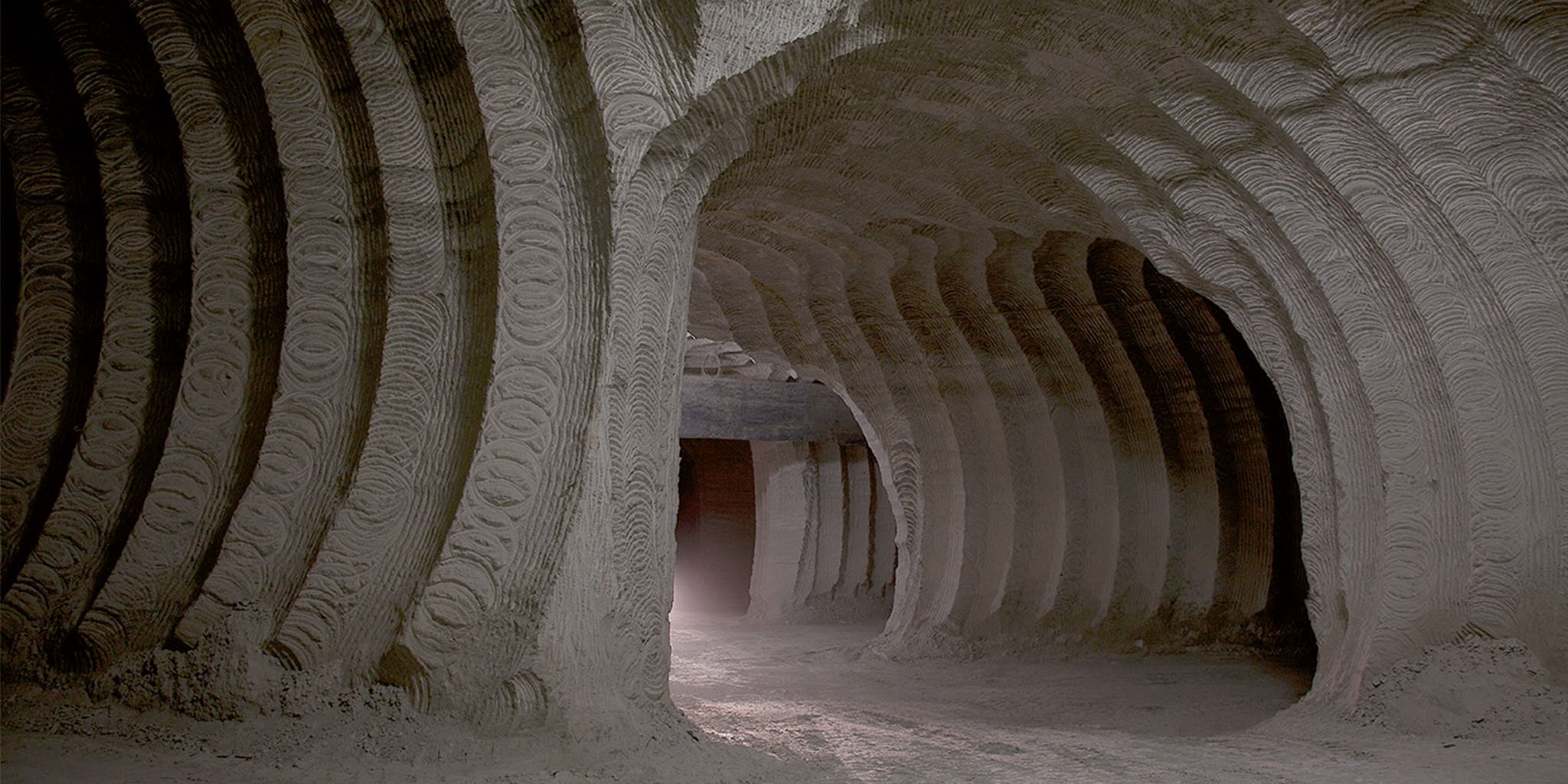
For underground gypsum mining we mainly use the chamber and diaphragm method, which involves creating chambers separated by rock diaphragms. The residual chambers are actual tunnels that can be created by means of explosives or mechanical excavation (e.g. borers).
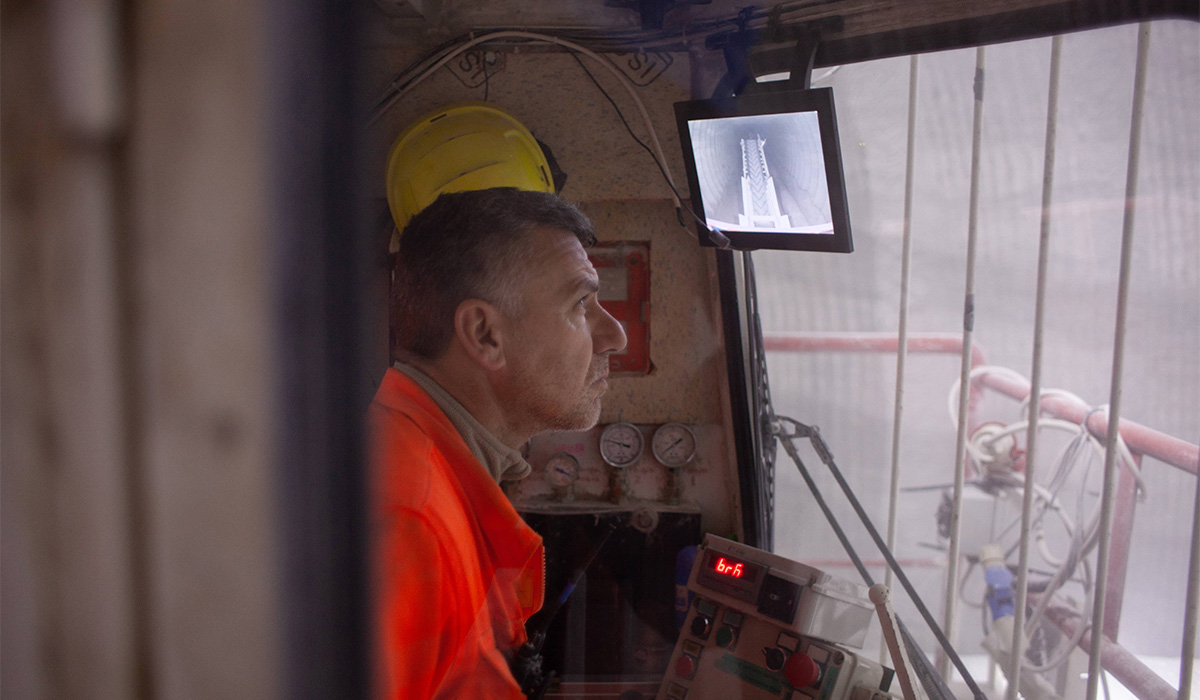
This type of mining allows a limited exploitation of the deposit, but enables a high degree of stability to be maintained at the end of the mining activity and facilitates dust extraction operations during mining, thus guaranteeing a healthy environment for underground workers. The use of innovative technologies for the sector, i.e. drilling using roadheaders, favours the organisational set-up of the mining site, safety for quarry personnel and, above all, considerably reduces the visual impact.
Limestone quarries
Quarrying patterns
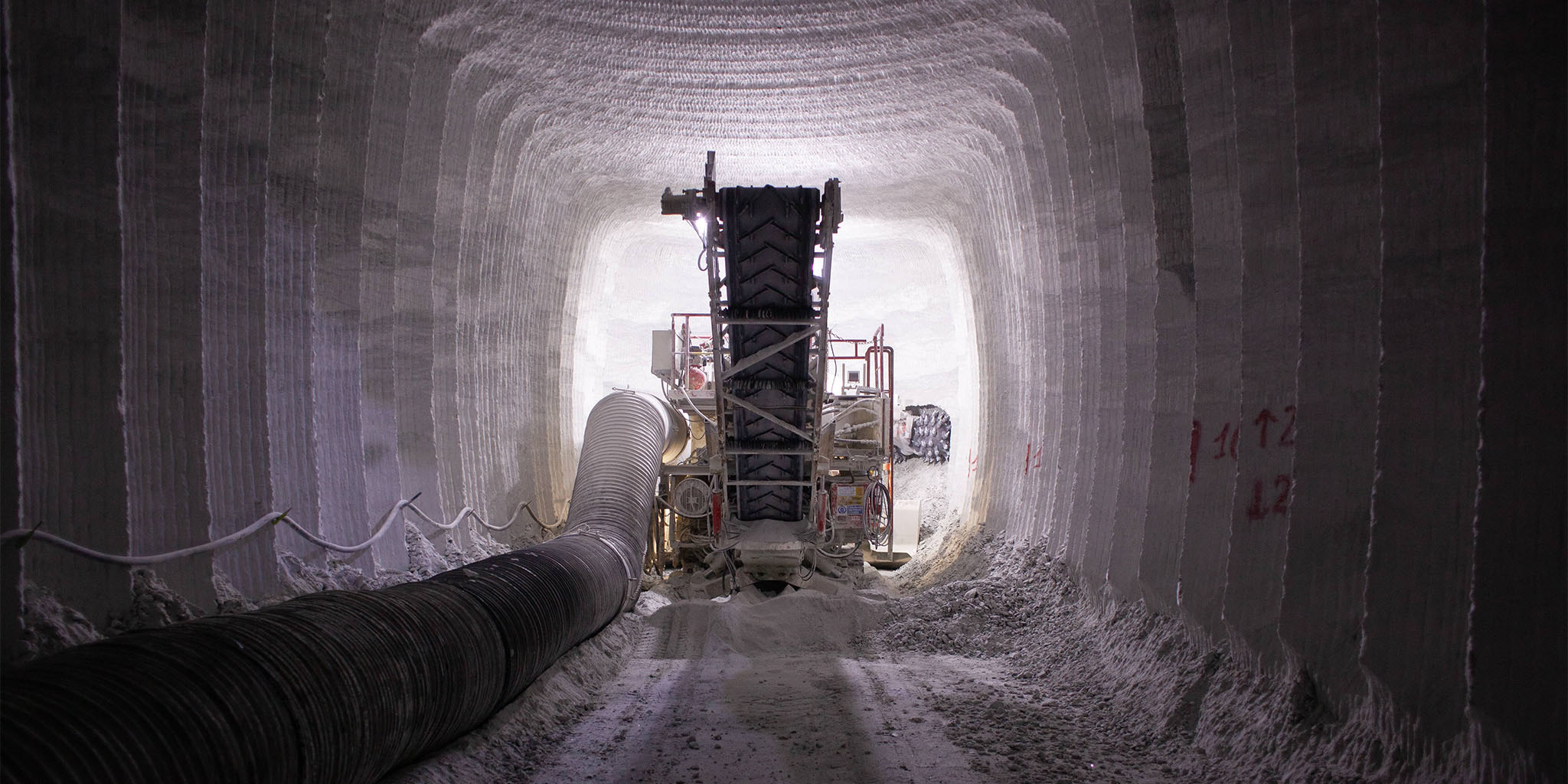
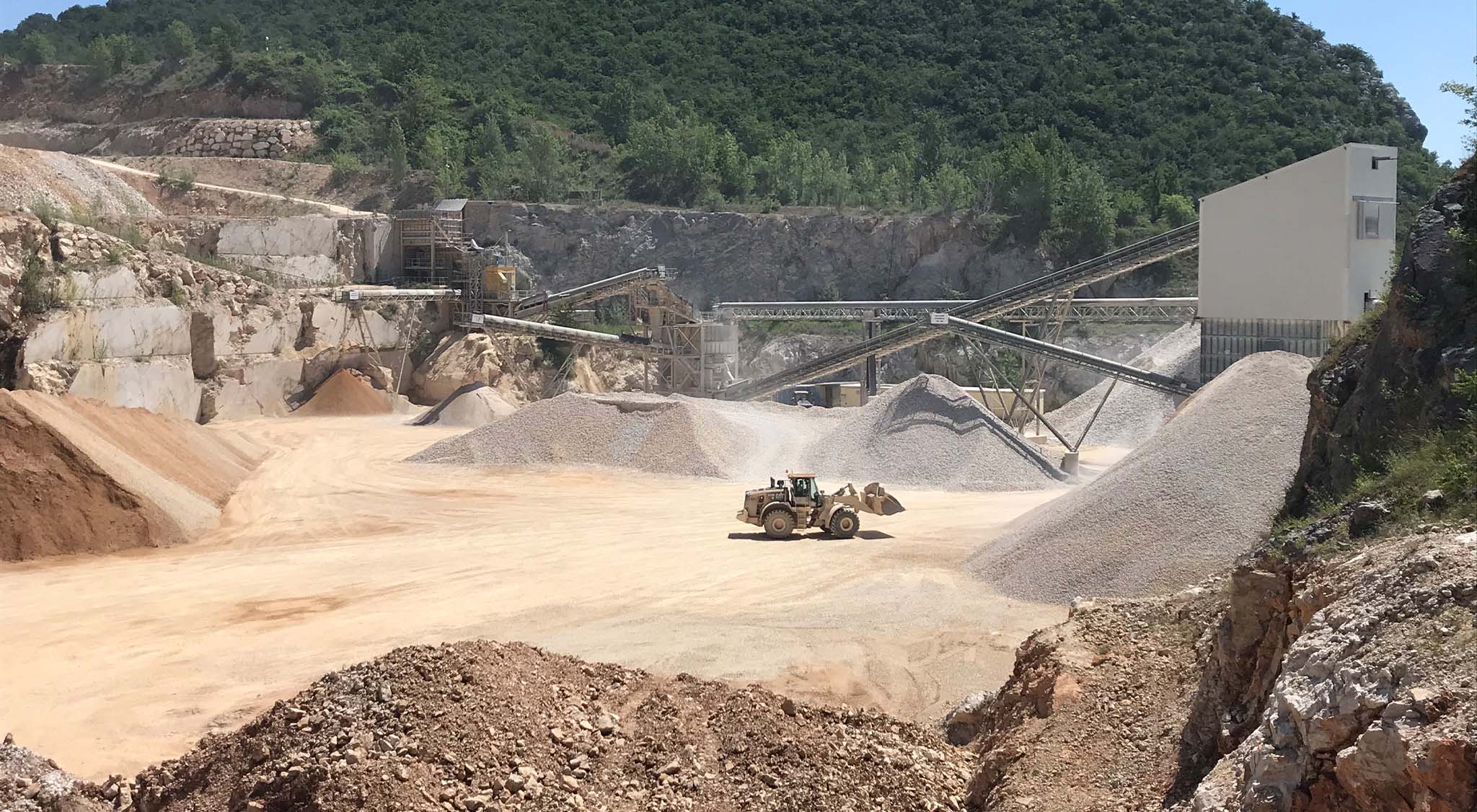
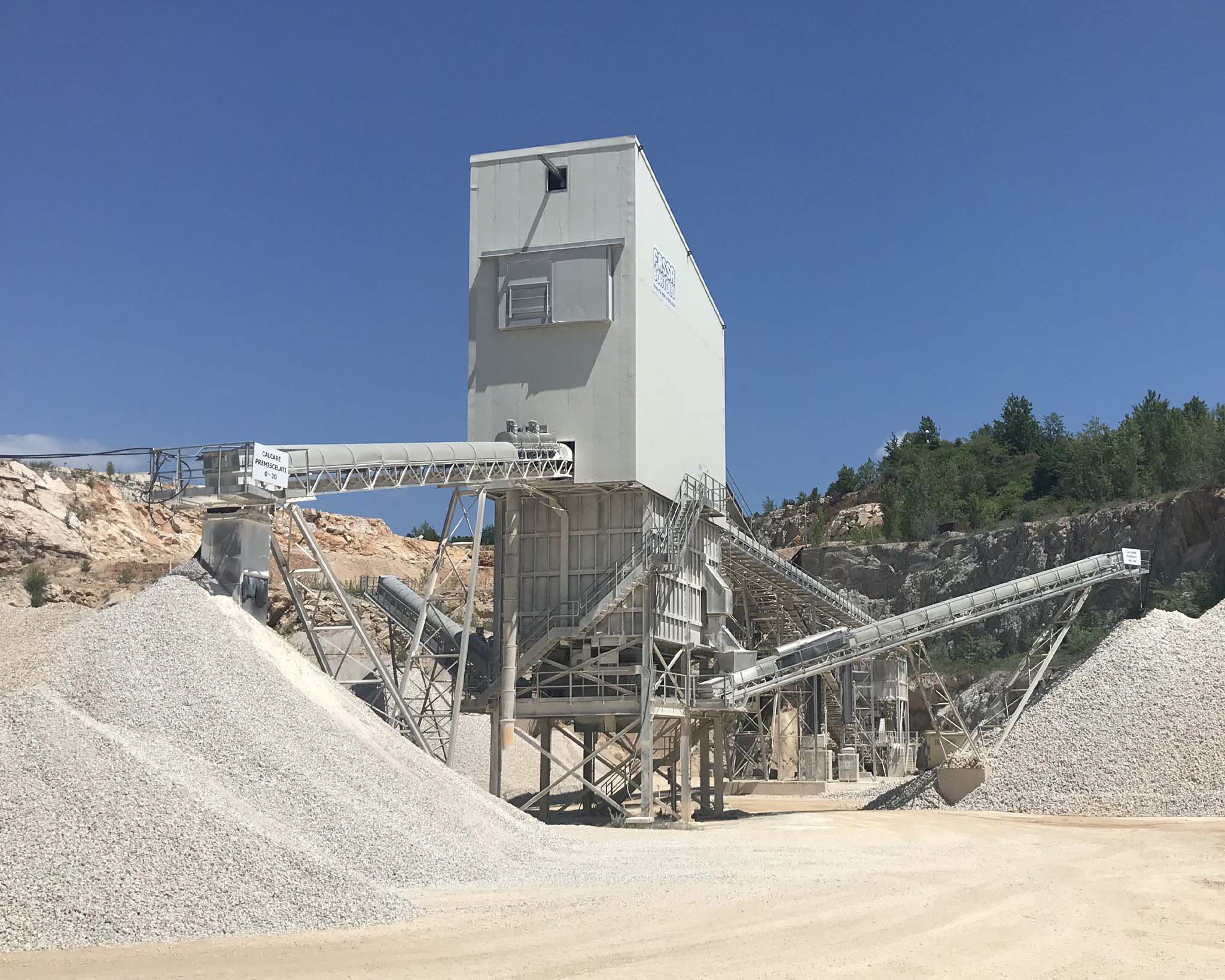
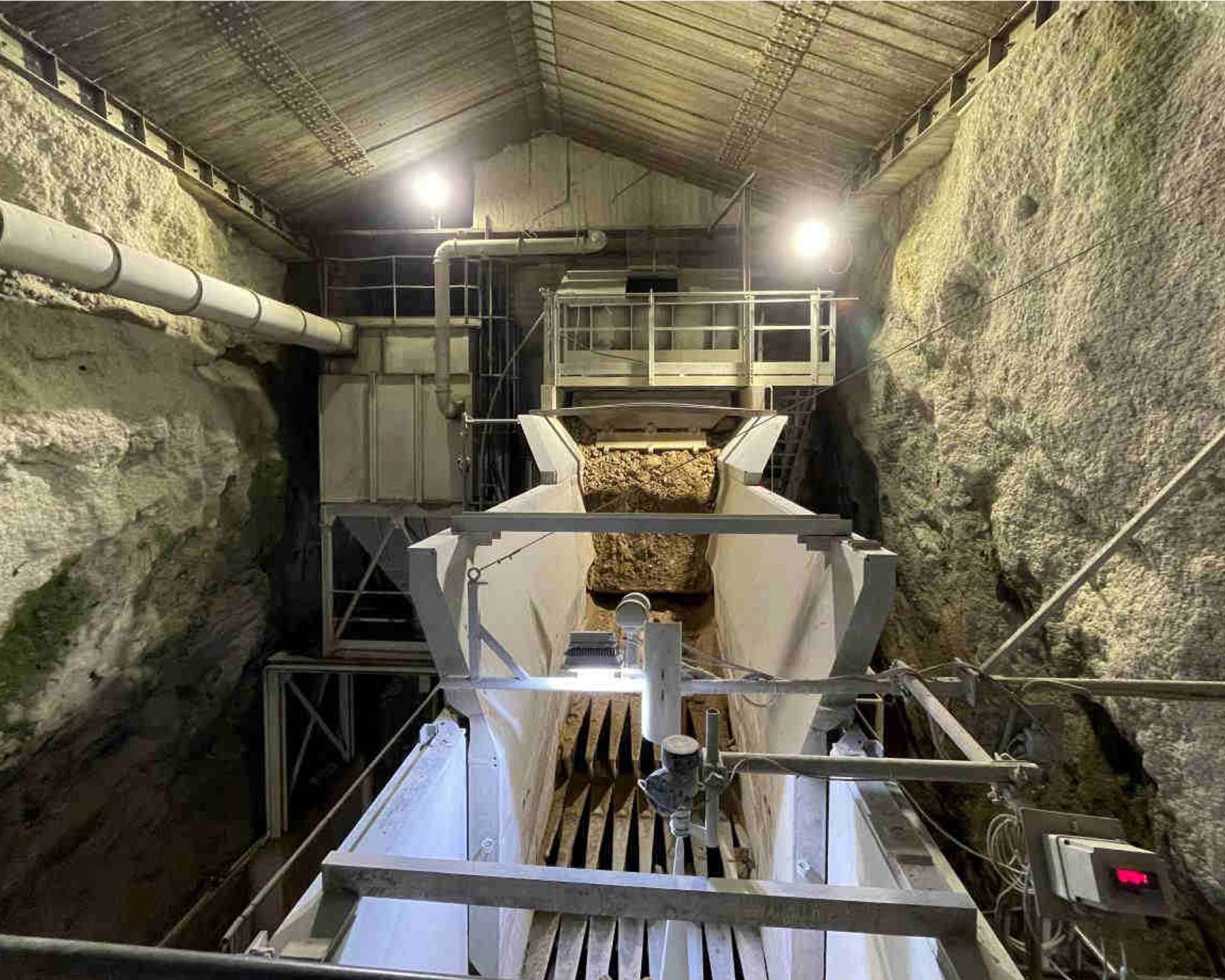
We have acquired several decades of experience in operating limestone quarries, managing several different types of activities. Underground crushing best represents our ongoing commitment to rational exploitation of mineral deposits with a limited impact on the surrounding environment. In this case, a tunnel connects the crushing chamber to the outside, where the limestone is transported on conveyor belts for further crushing, screening and finished product storage.
Currently, the limestone quarries operated and managed directly by Fassa are located in Cuneo, Lecco, Brescia, Lucca and Pescara provinces. The extracted material, following a process of crushing and subsequent screening, is used for the production of premixed plasters, lime and other building products.
The example of the Botticino site
The continuous pursuit of quality products led Fassa Bortolo to acquire, in 2009, a crushing and grinding plant at the Botticino marble deposit (Brescia province), where the limestone rock from ornamental stone quarries has a very high calcium carbonate content.
The Botticino site, adapted to meet Fassa’s requirements and standards, can now produce ventilated, micronized and granulated calcium carbonate, graded limestone, limestone for agglomerates and bulk stone.
Its high calcium carbonate content allows it to be used in sectors other than building construction, such as:
- Animal husbandry for the production of animal feed
- Agri-food for calcium supplementation and sugar processing
- Manufacturing, e.g. glassworks, paint production, paper mills
- Chemical industry
- Pharmaceutical industry
- Ecology, for water and fume treatment
In 2016, the Botticino site was awarded internationally-recognised GMP+ certification, a standard that applies to the production, transport and marketing of animal feeds and in particular to the production of their ingredients. Adhering to this standard enables a relationship of trust to be established with customers and all stakeholders, demonstrating that feed ingredients are produced using safe and high-quality processes.
We design our quarrying activities considering the needs of the area, ensuring environmental compatibility at all stages.
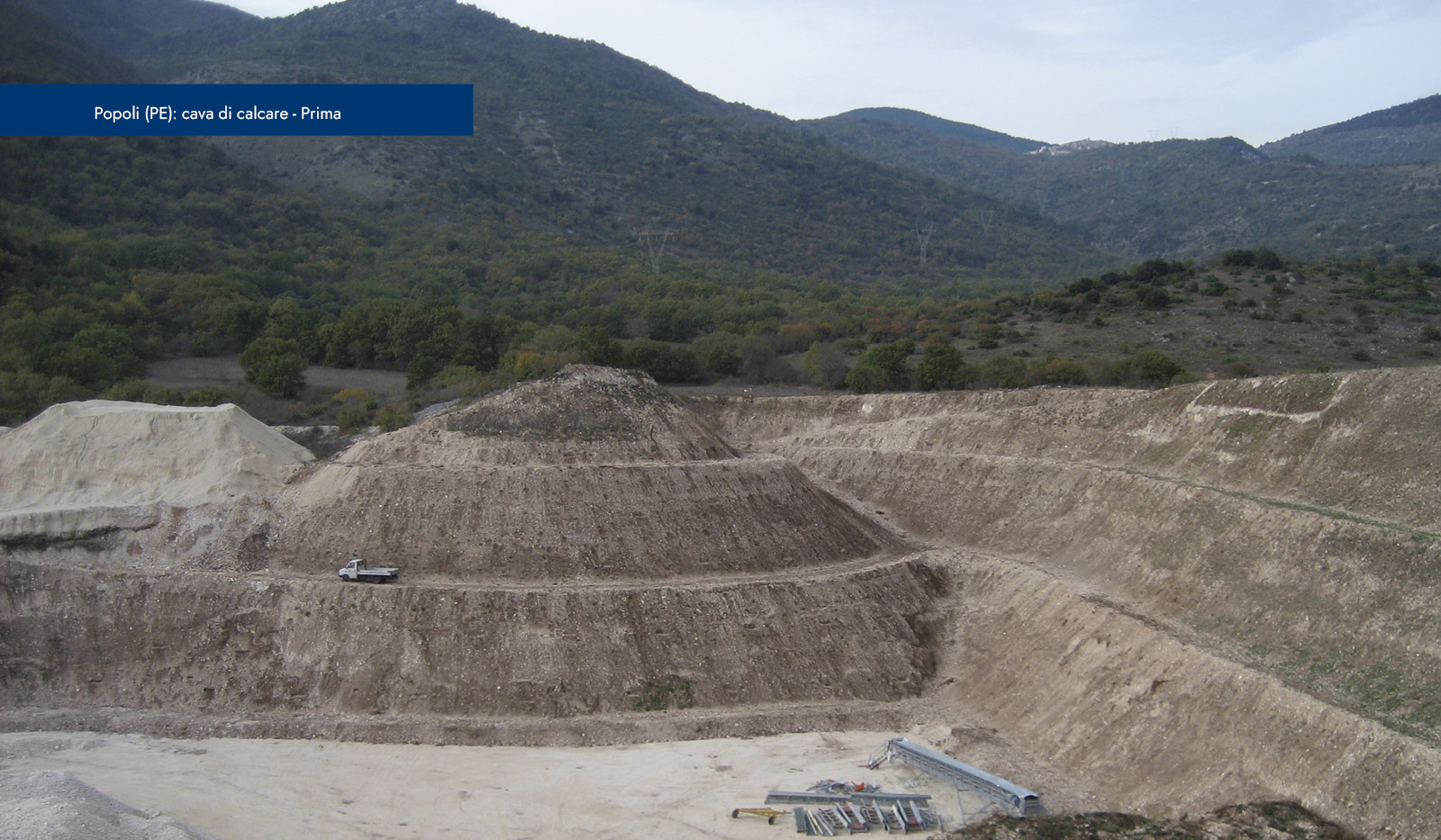
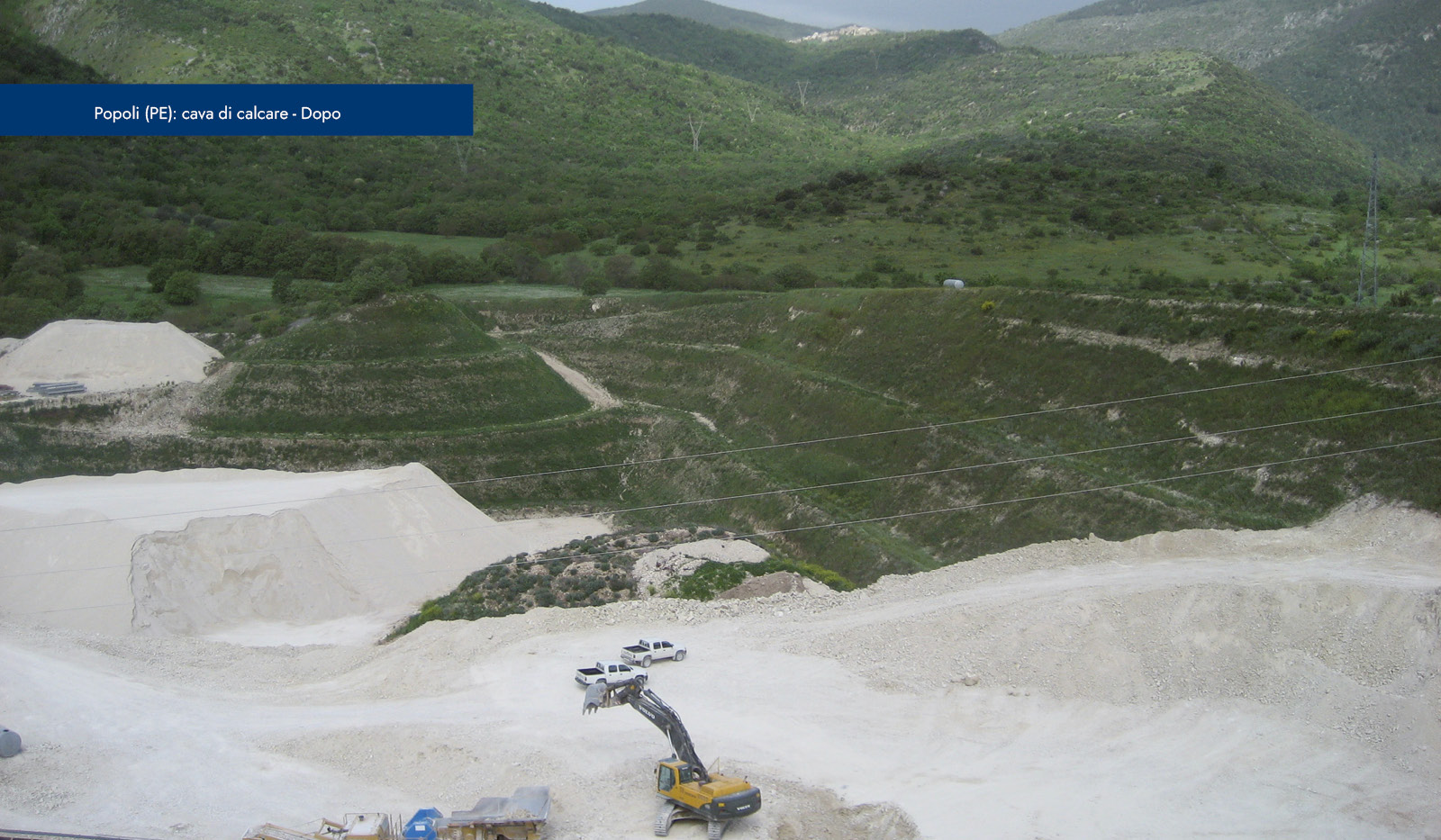
Careful planning helps mitigate the environmental impact of the work on the landscape, flora, and fauna, and allows for proper environmental remediation of the area at the end of quarrying. The remediation project does not necessarily restore the pre-existing condition, but can open up the development of the area to public use (for didactic-scientific, naturalistic, sporting purposes, etc.) or redevelop it in a sustainable manner.
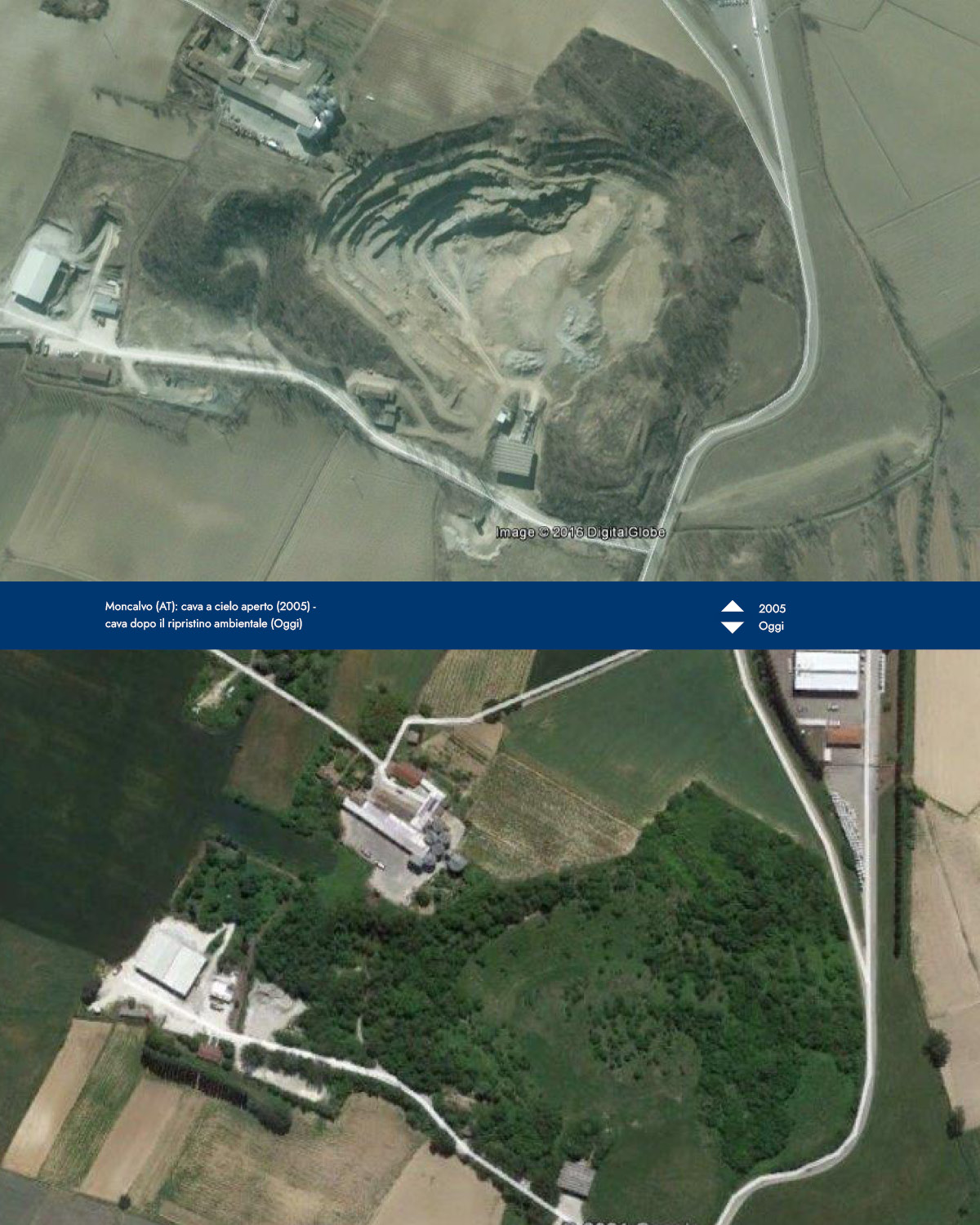
The case of the Moncalvo (AT) quarry
Acquired in 2000 by Fassa Bortolo, the former “Gessi” quarry in Moncalvo, formerly open-cast and already exploited by other activities, has undergone major environmental remediation. Today, the area appears completely re-landscaped and reveals a gentle morphology with widespread, uniform grass cover over the entire surface. The planting of trees and bushes in 2016 contributed to the vegetation recovery process and has established vegetation similar to that of the surrounding hills.
Quarry report
Example of best practice
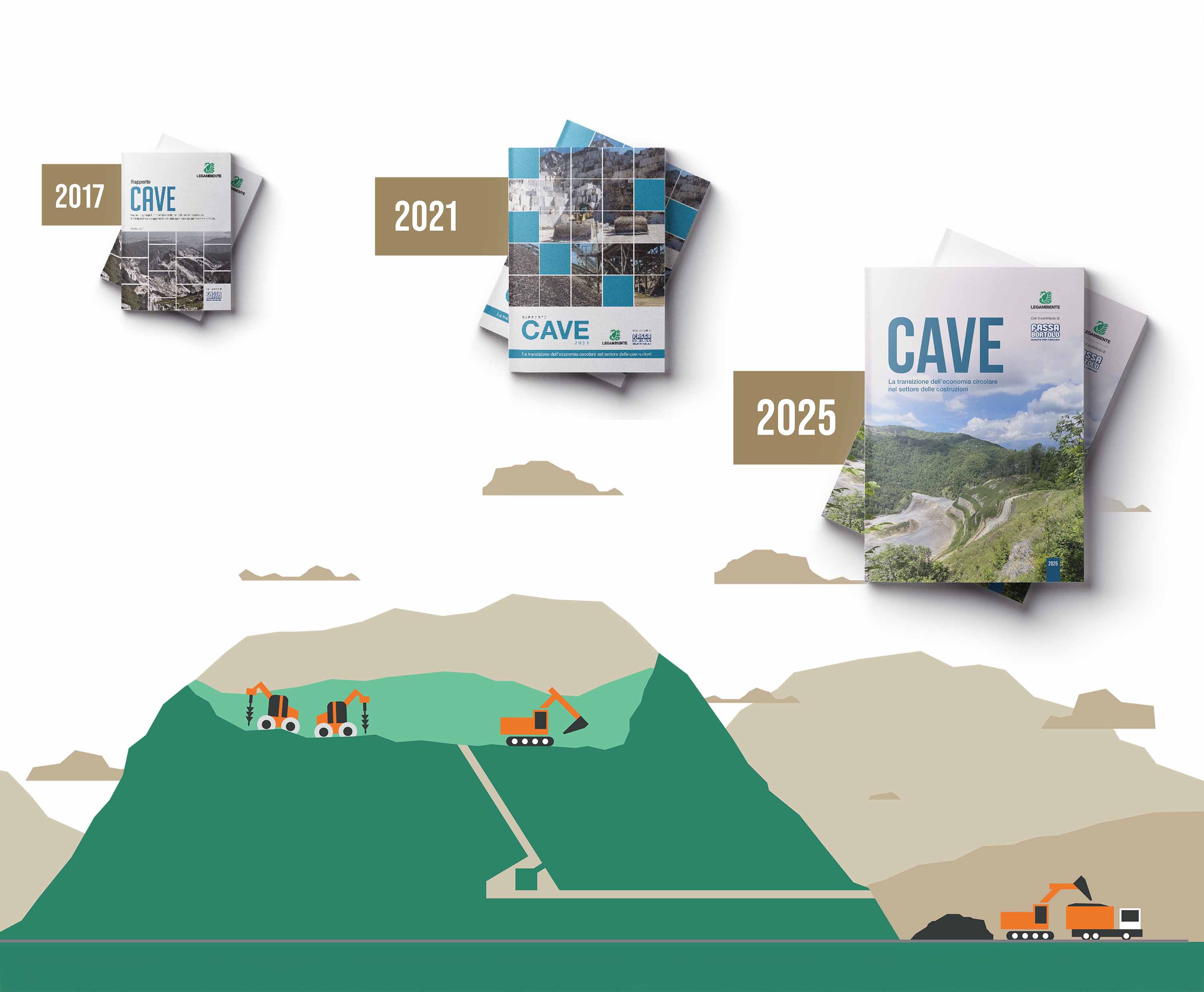
We have been selected by Legambiente as one of the examples of best practice in quarrying management. The Legambiente Quarry Report provides an objective snapshot of quarrying activities in Italy, with a special focus on the resulting economic and environmental impacts.