Elisabeth and Helmut Uhl foundation
Kreditpunkte
Kunde
Elisabeth und Helmut Uhl Stiftung
Mitarbeiter
Gilberto Sarti
Thomas Dissertori
Alberto Micheletti
Marco De Fonzo
Autoren
Modostudio
The project of the Elisabeth and Helmut Uhl foundation has been realized thanks to a restricted international architectural competition held in 2009, which saw the participation of fifteen architectural teams from Italy, Switzerland, Austria and Germany. The aim of the competition was to design a building able to host the activities of the homonymous cultural and research foundation.
Technische Zeichnungen:
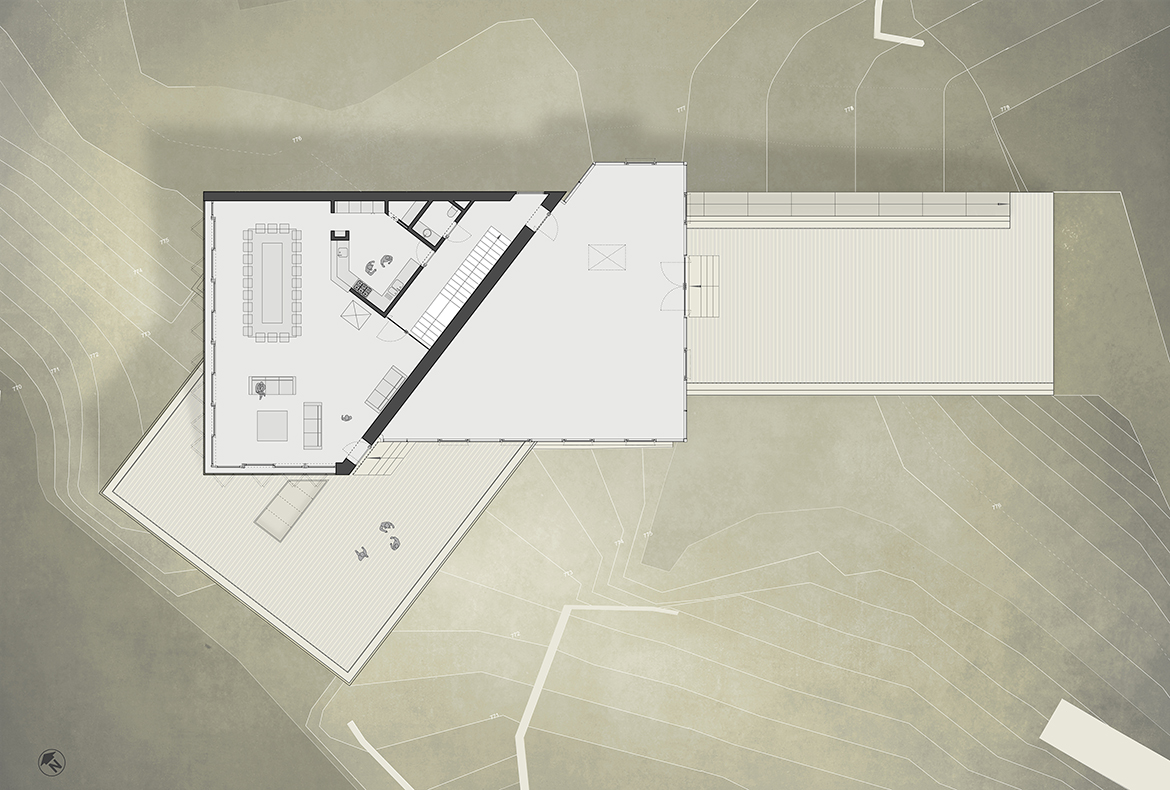
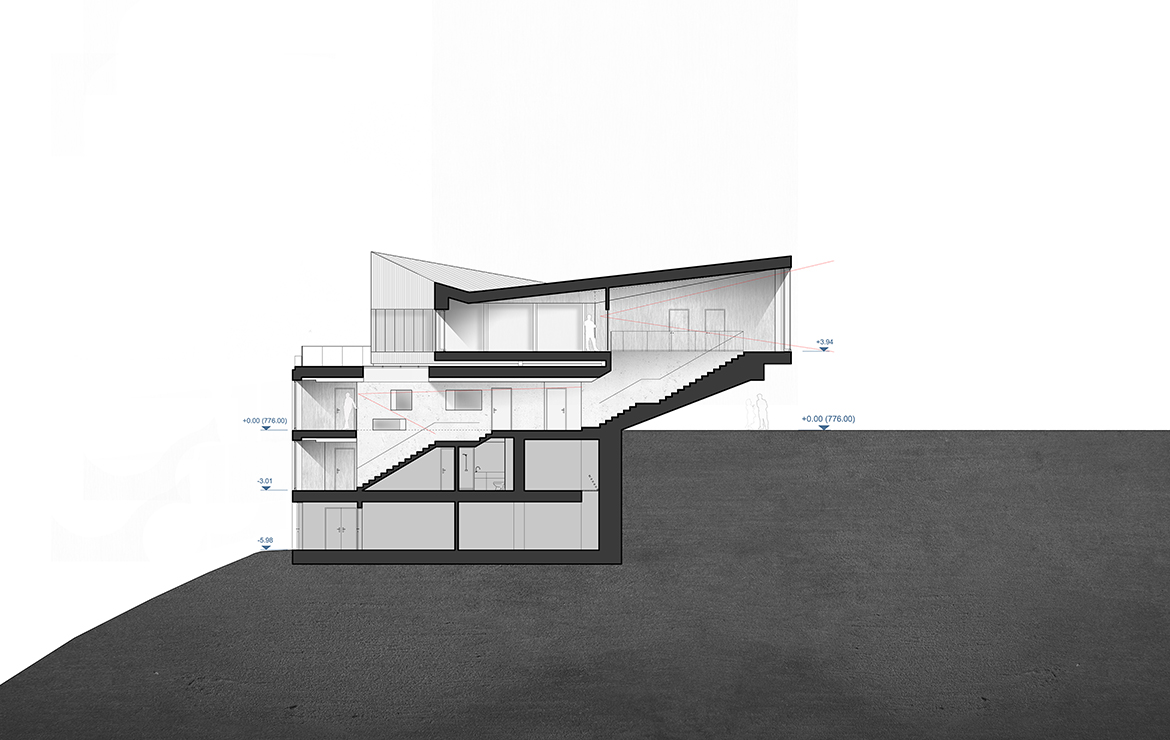
Erweiterter Bericht:
Project description
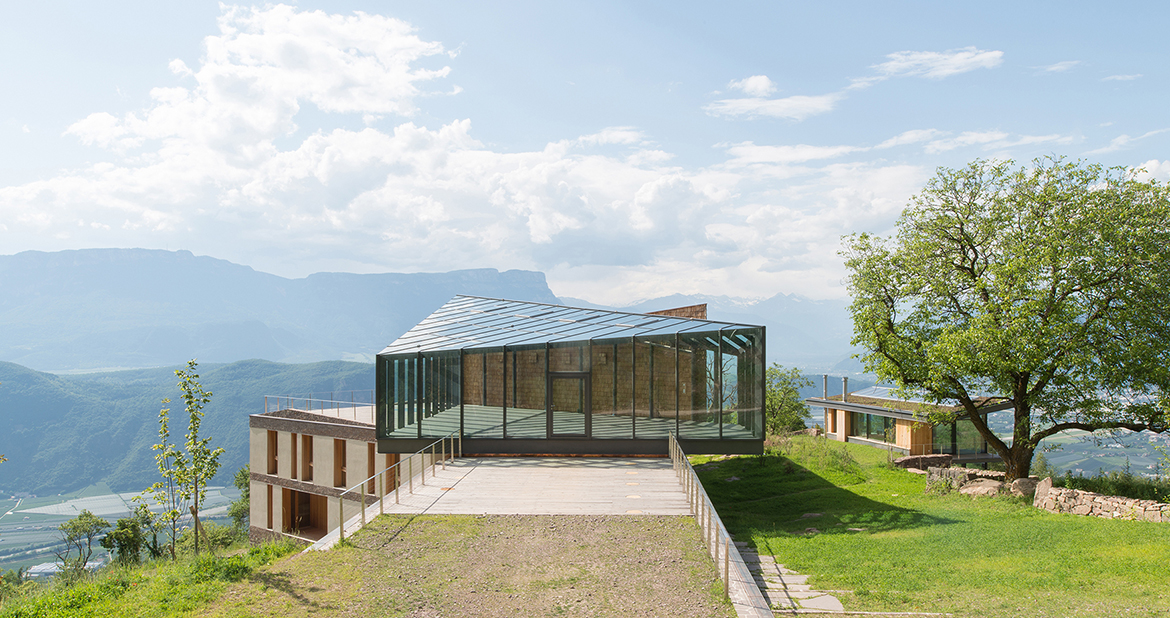
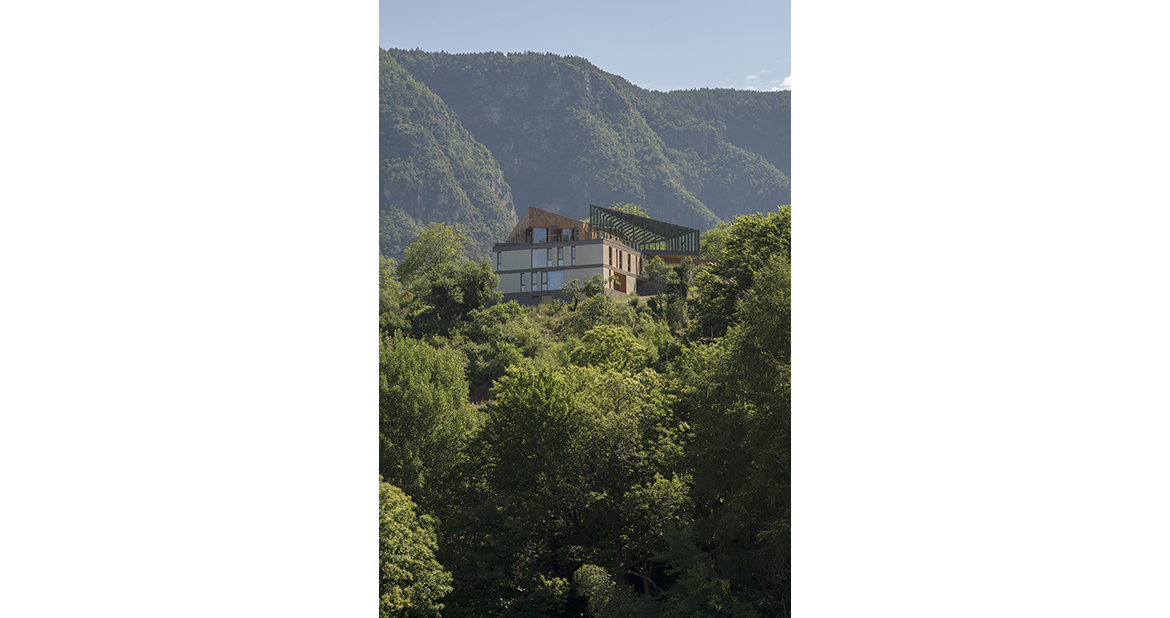
The building is located in the municipality of Laives, near Bolzano, on a slope of a mountain enjoying a spectacular panoramic view and an amazing surrounding landscape. The project sought to preserve the surrounding environment: the buildings insist on the same footprint of the previous buildings, now demolished.
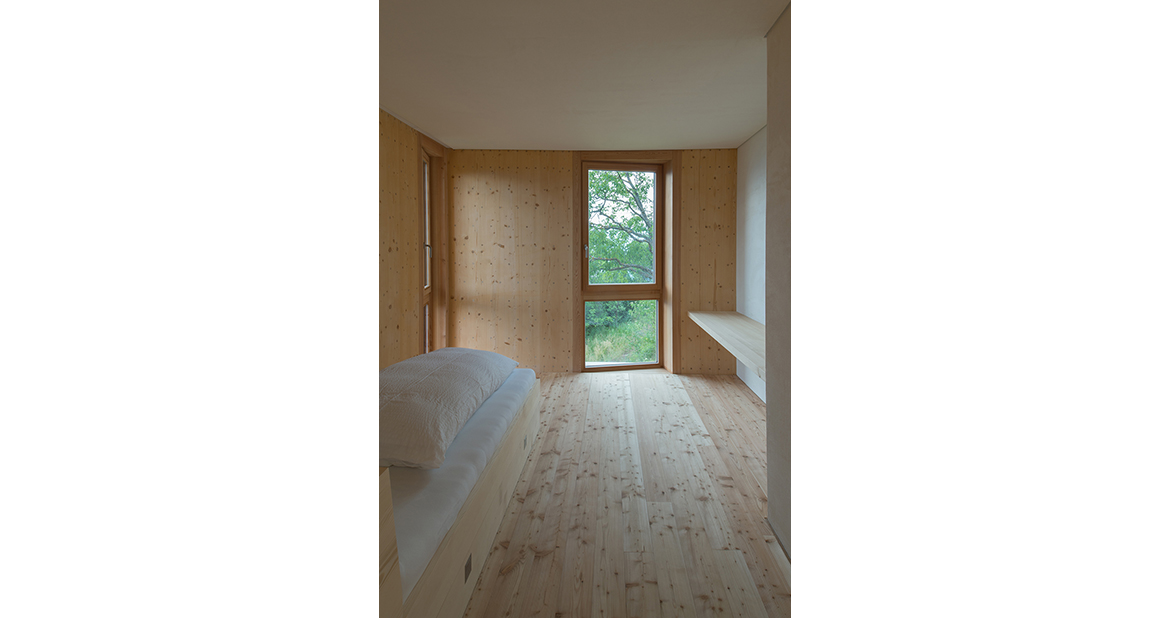
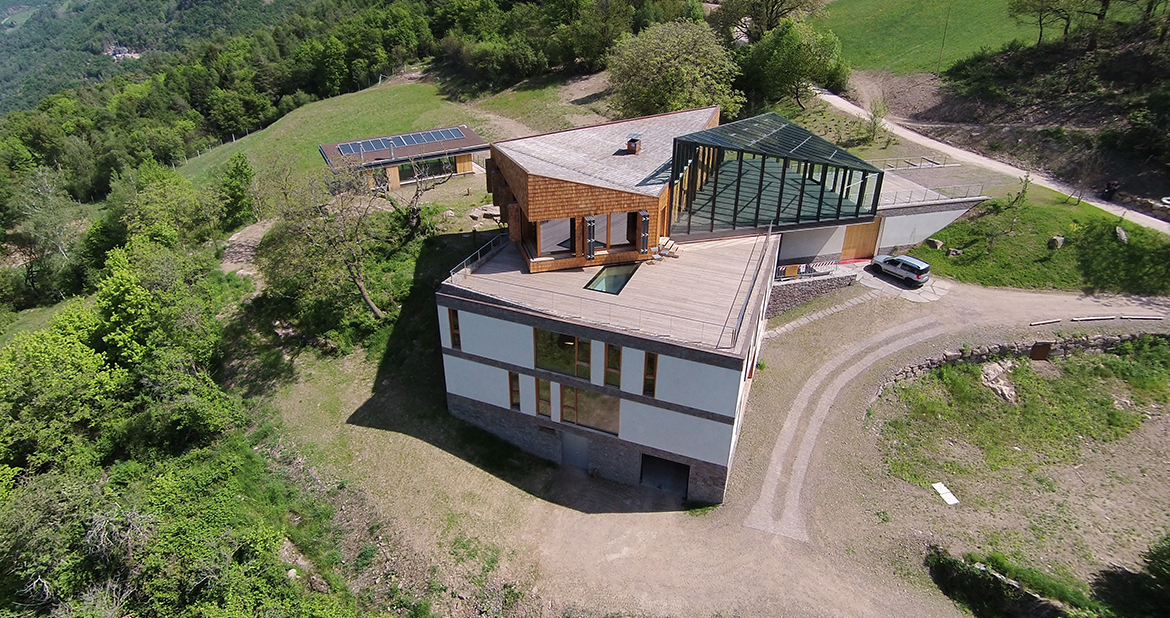
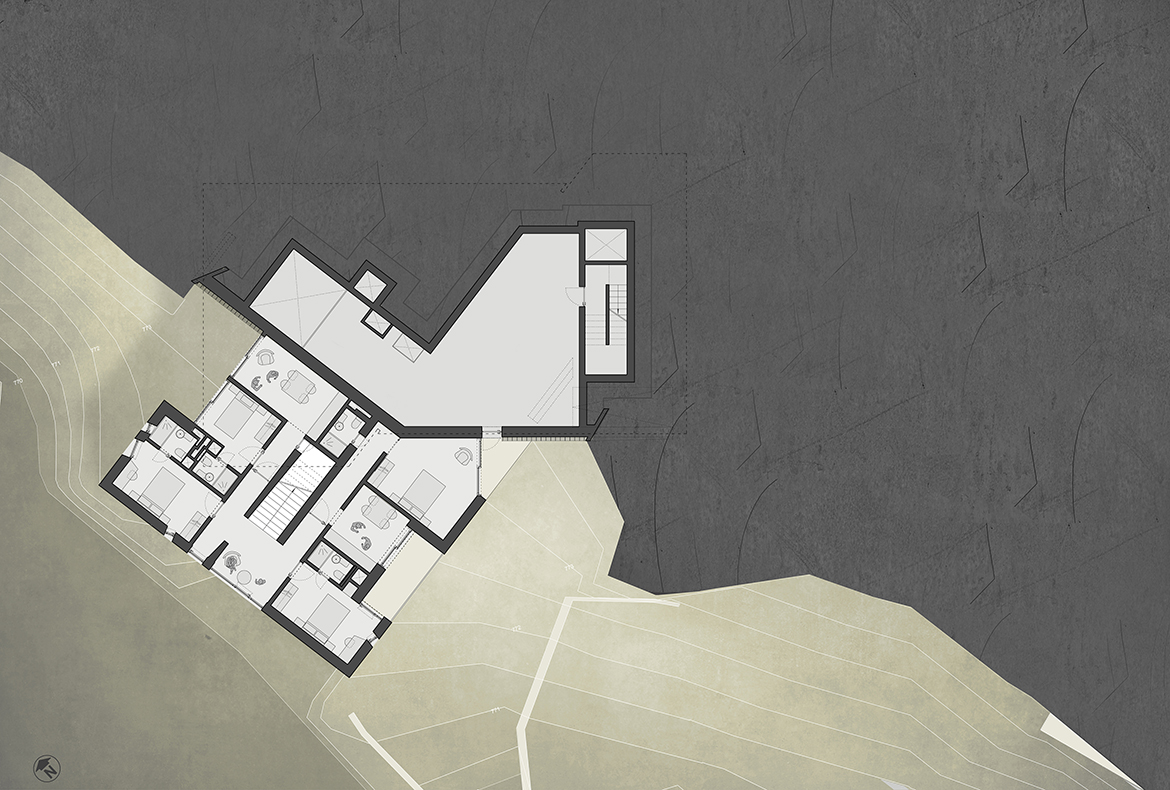
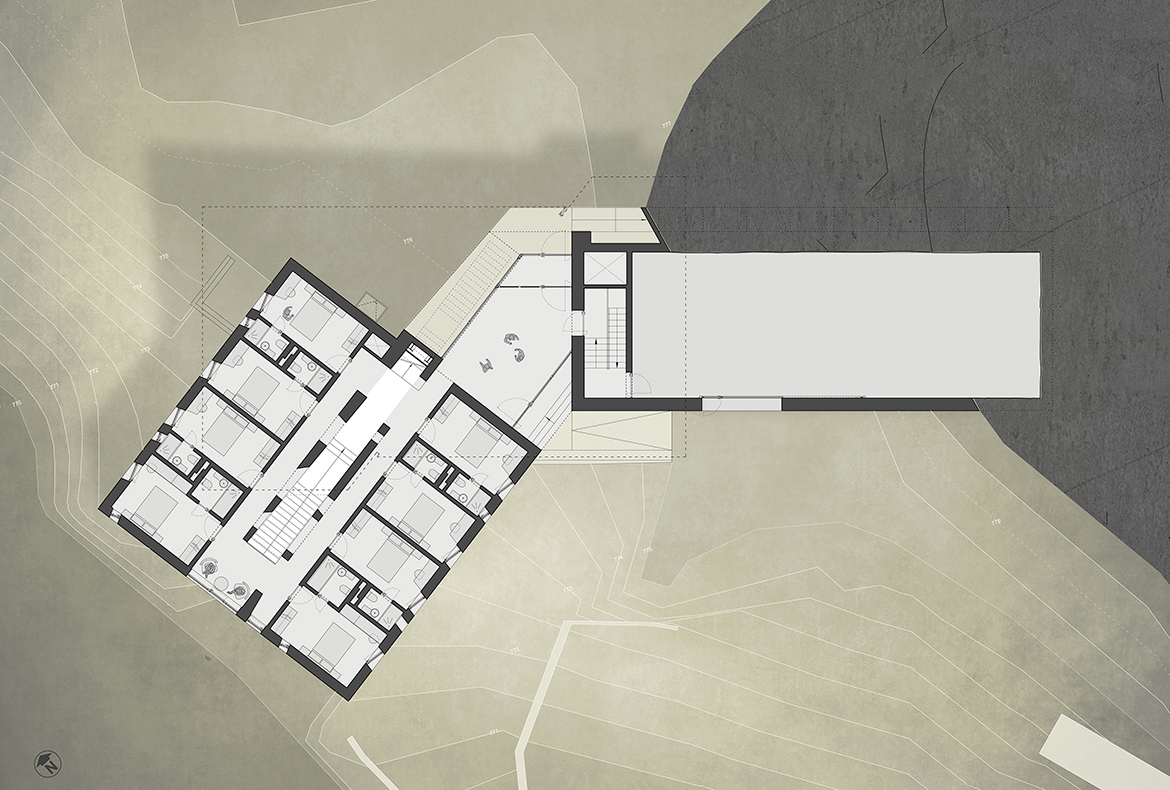
The building foundation consists of a series of architectural volumes: a transparent glass and steel volume hosts research activities, a wood cladding volume is used as a leisure and dining hall, while the lower architectural body, on which these volumes are placed, hosts support areas for the activities of the foundation and a wine cellar.
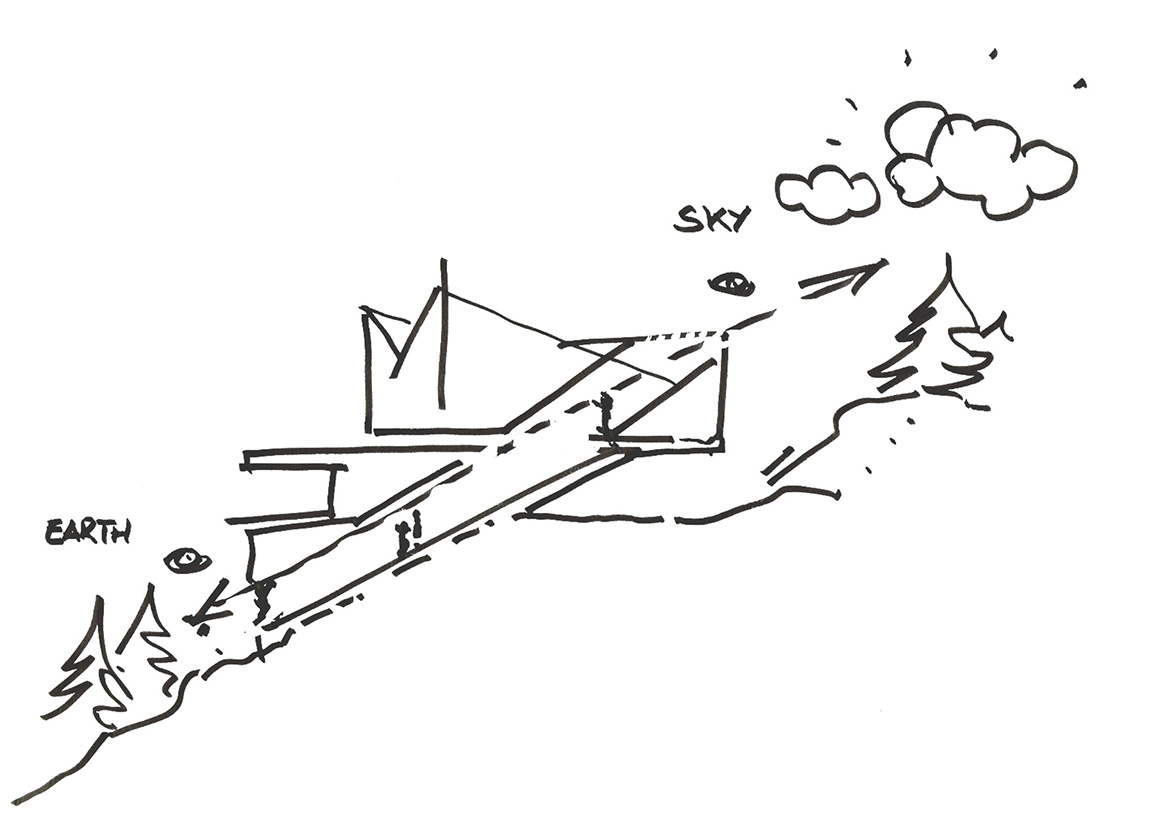
The project aims to express the tension generated by the orographic characteristics of the site and the specific functions of the building foundation: a tension generated by the visual connections between the interior spaces and the external environment. The building expresses the relation between the traditions of the place and the technological innovation, between the space for working and the space for living. The buildings are designed to protect guests from the particular climatic conditions, but at the same time to let them enjoy the benefits created by the surrounding environment and the wonderful views.
Part of the construction materials were recovered from the demolition of existing buildings. The construction materials follow local traditions, such as hand-cut larch shingles, the exterior plaster and the porphyry stones which remind to the traditional local buildings. The construction materials become elements of dialogue with the history and the culture of the region.
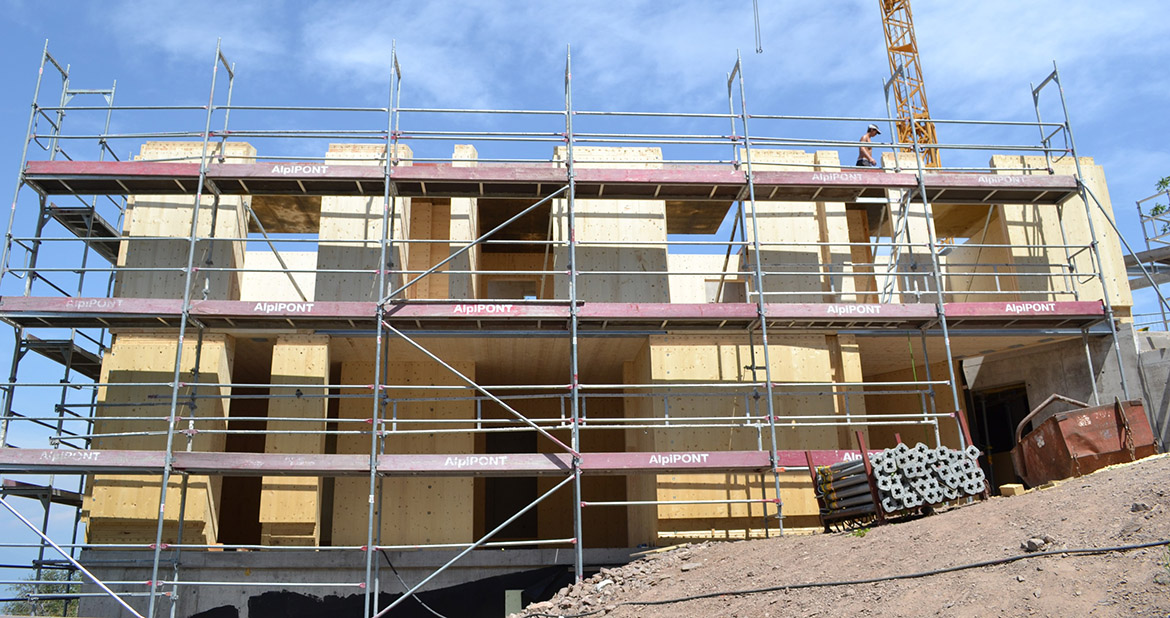
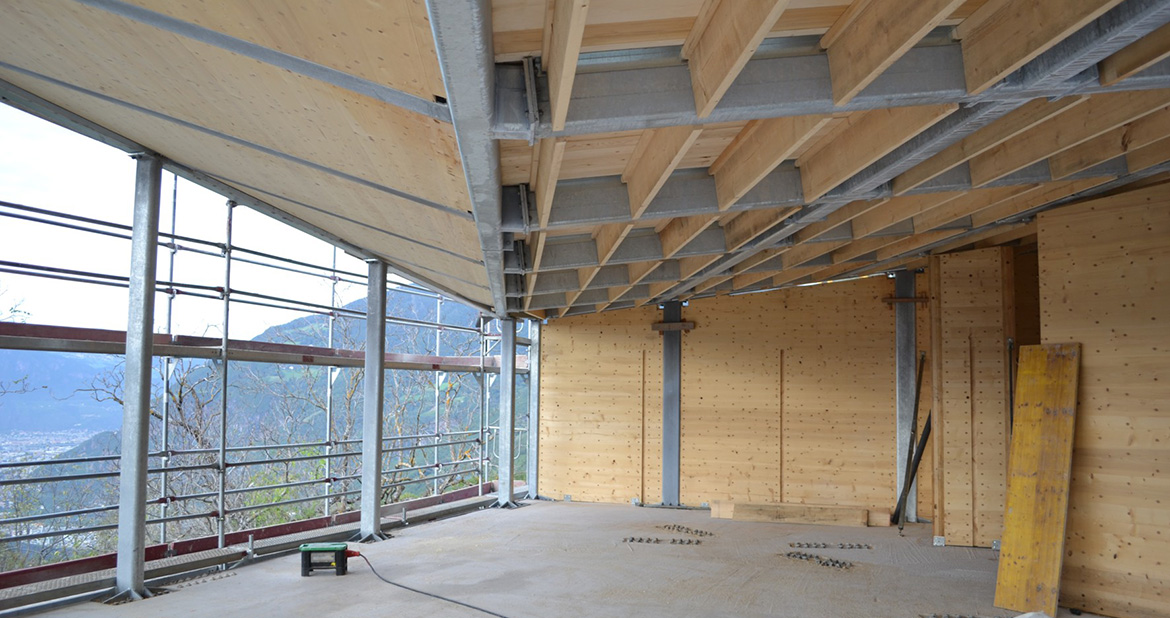
Innovative technology solutions are adopted; the structure of the lower part of the building foundation is made of structural panels with Thoma wood technology while the upper volume hosts a sophisticated opening window system.
Thanks to advanced energy simulations, the building is classified in Casaclima A with the distinction of having no controlled indoor ventilation, replaced by the possibility of using the hot air generated in the glass volume, acting as a buffer zone, which is a unique system here in Italy.
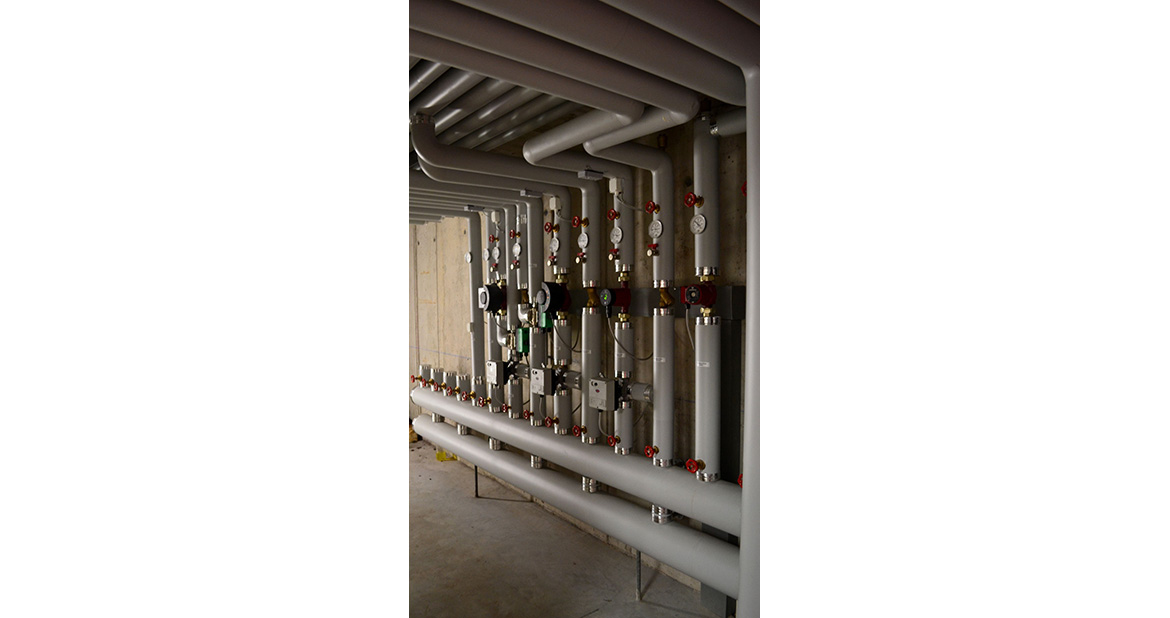
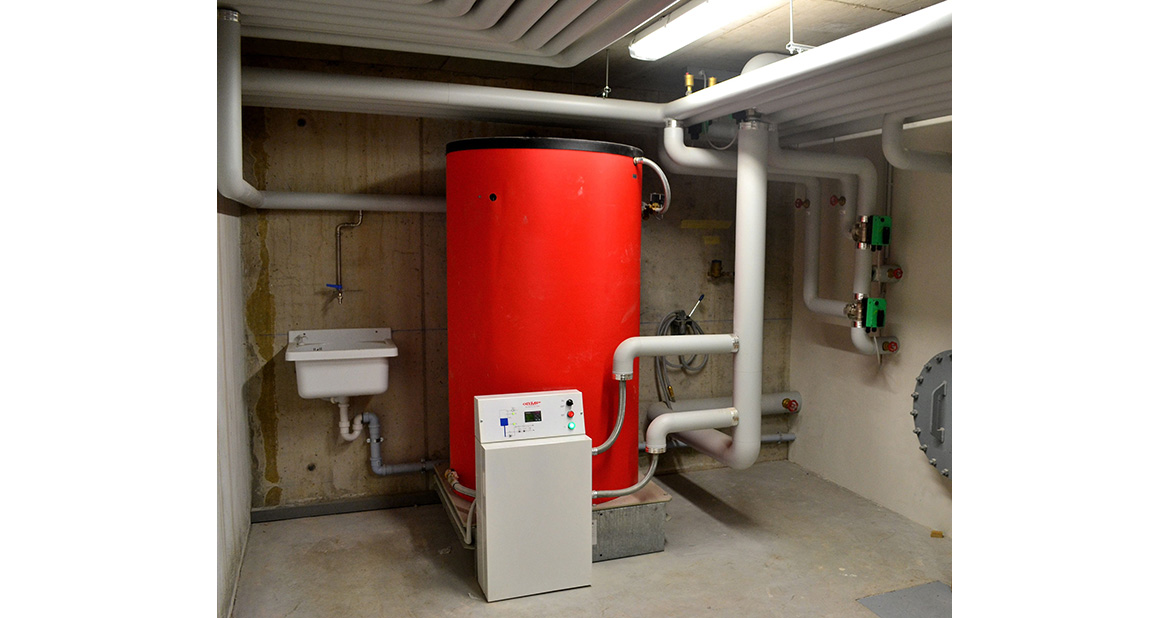
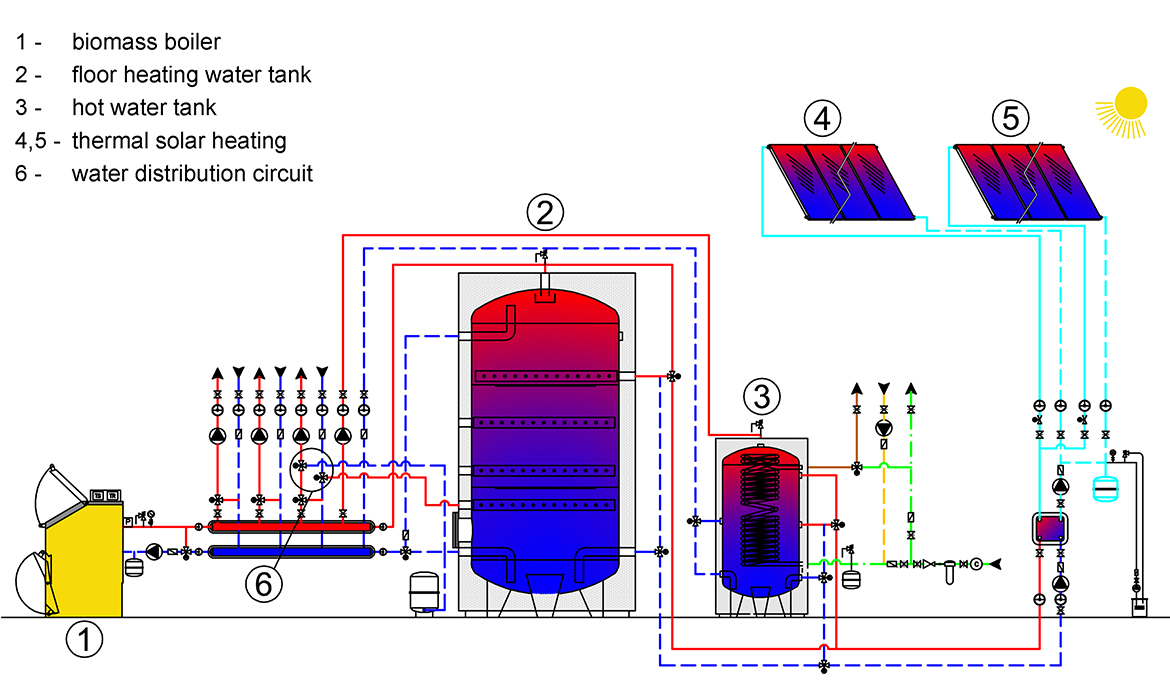
A large tank of 20,000 liters, thermally insulated, is able, to satisfy the radiant heating floor throughout the complex as well as a 2,000 liters tank for hot water guests use, both supported by a solar heating system and a biomass boiler.
The building, despite advanced technological and energy systems, is able to maintain a very strong identity, closely linked to the characteristics of the site where it is located.
Zeitleiste:
2009
Design
2014
Construction