Edificio VGramsci
Credits
Client
“Di Ferdinando Michele Costruzioni Generali S.r.l.”
Collaborators
Francesca Di Giannantonio
Marco Zitti
Luisa Di Blasio
Authors
Giovanni Vaccarini
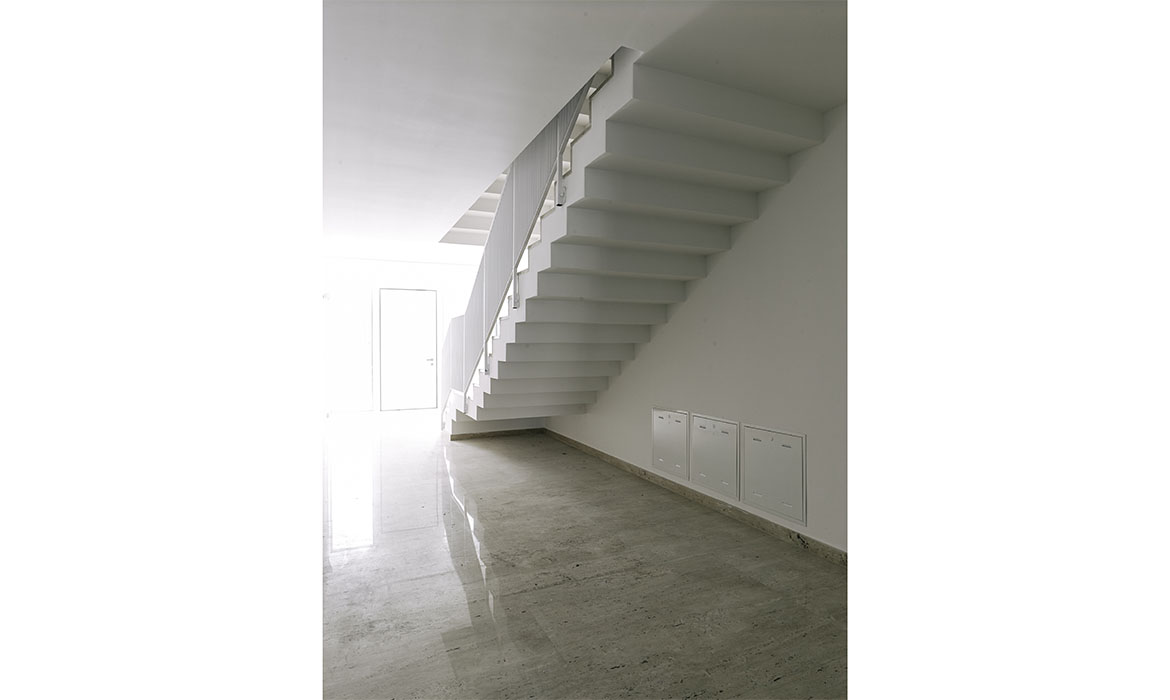
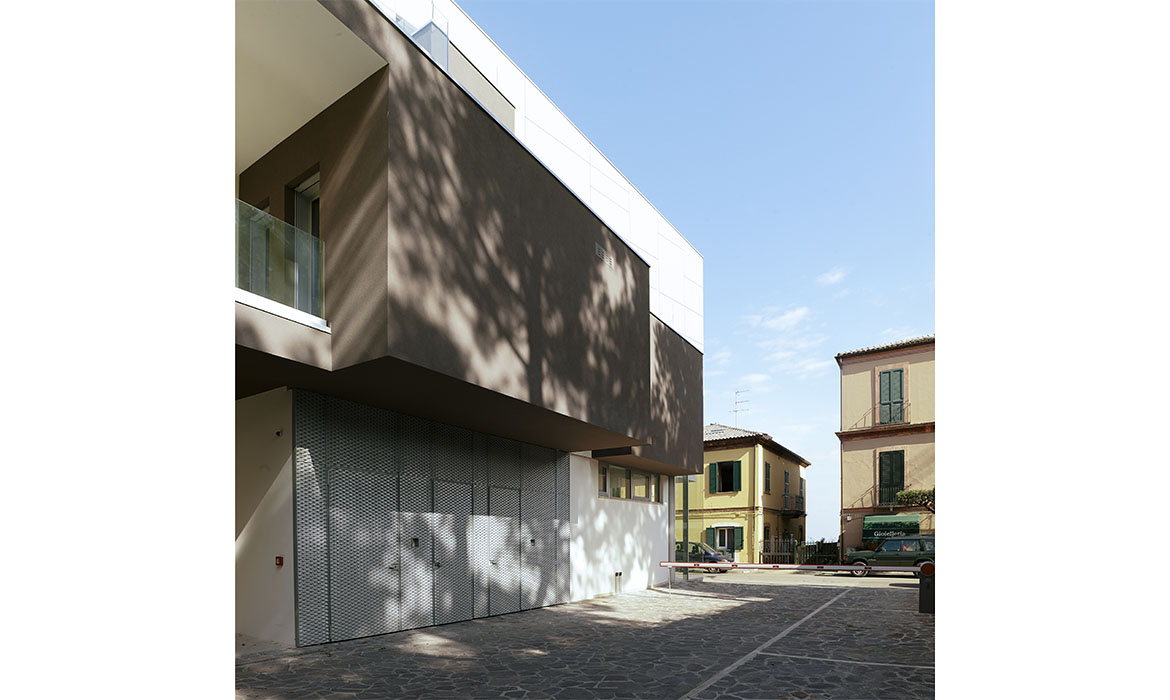
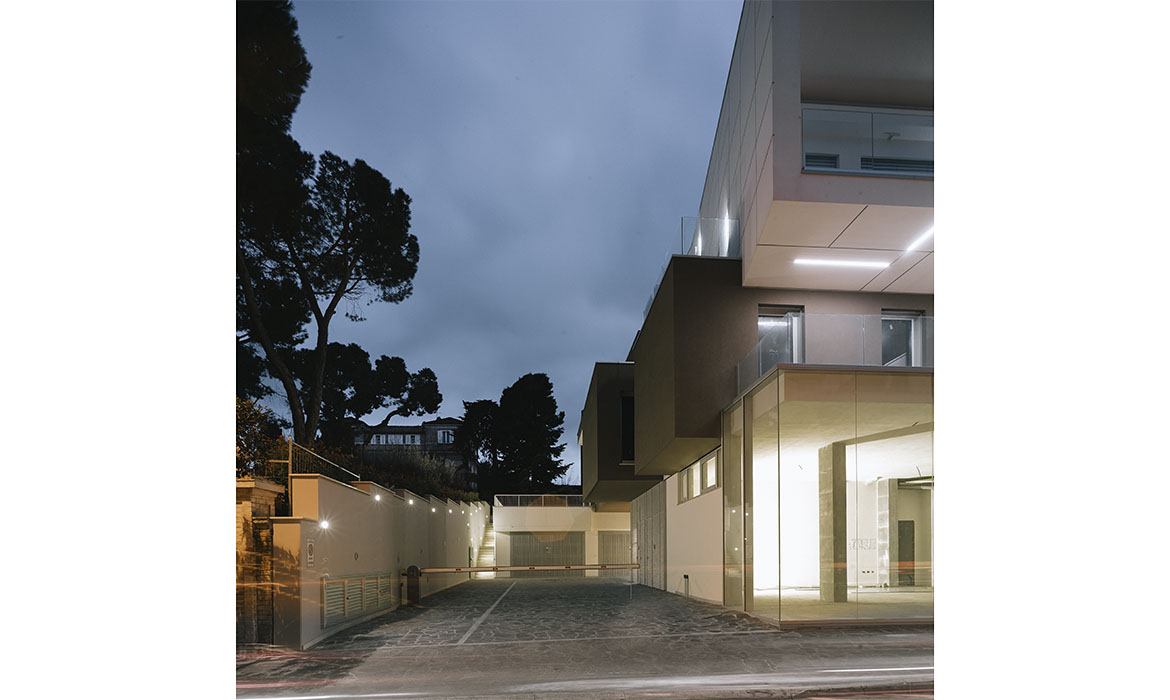
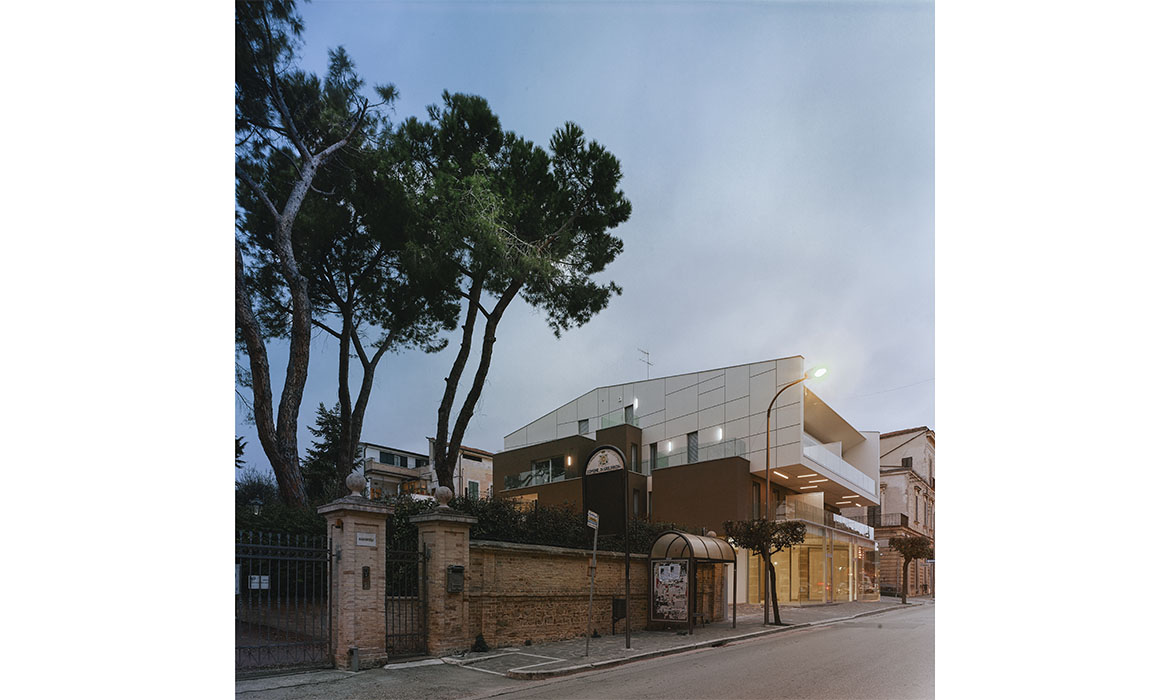
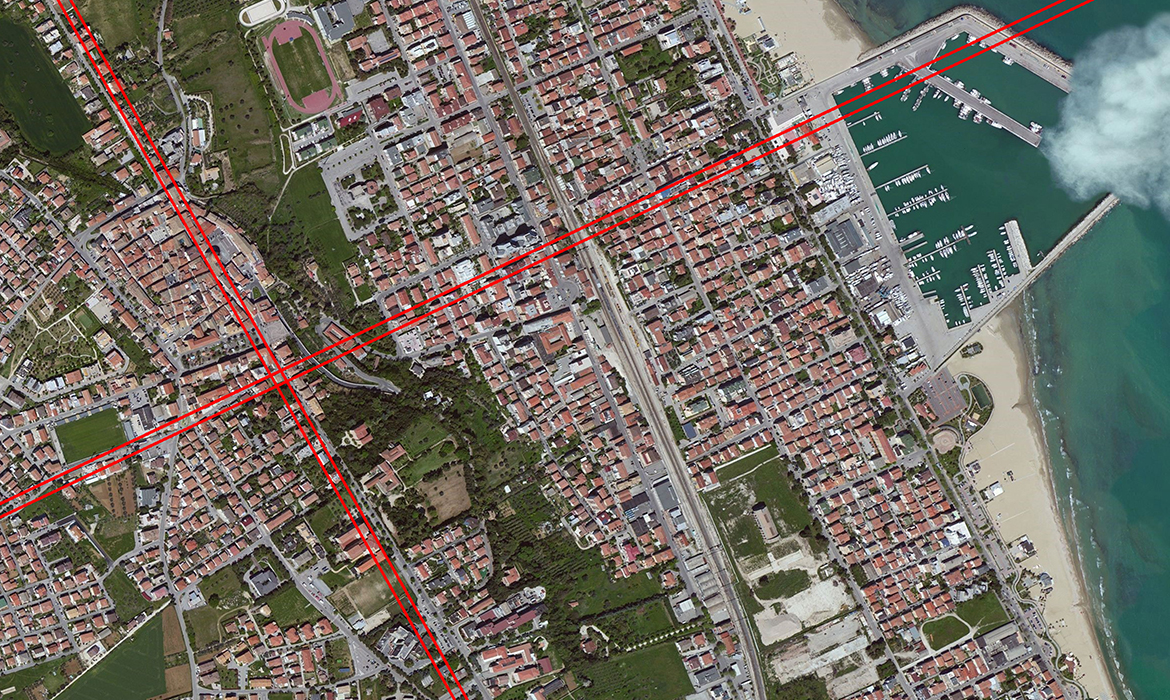
This residential and commercial project is located in the upper part of Giulianova, in Via Antonio Gramsci, at the intersection with Via Cesare Battisti.
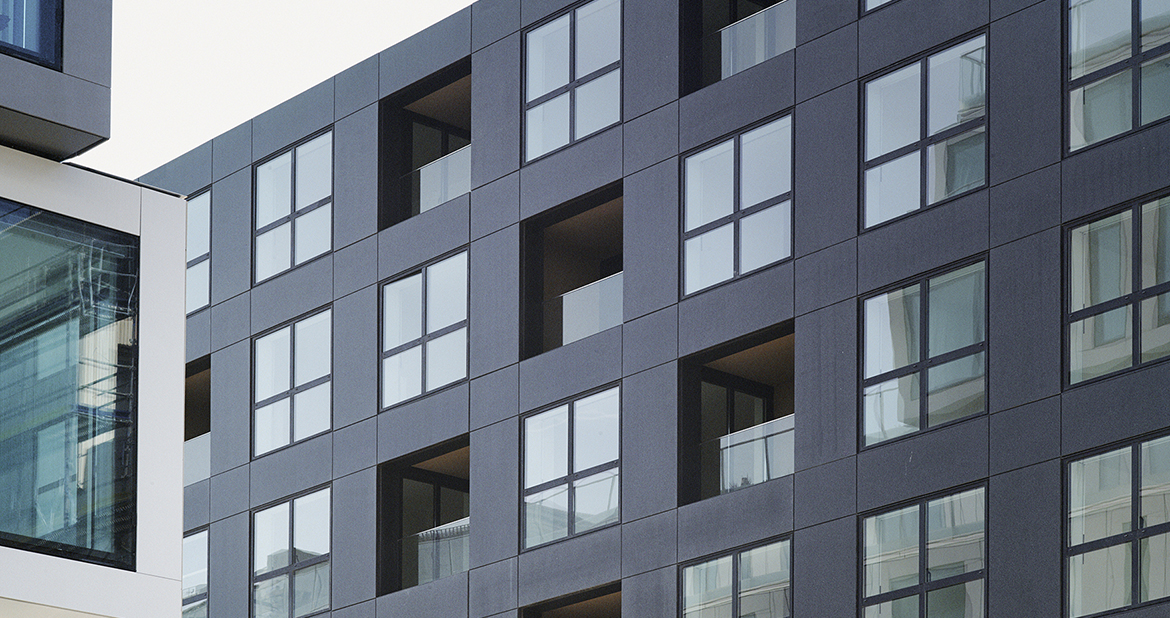
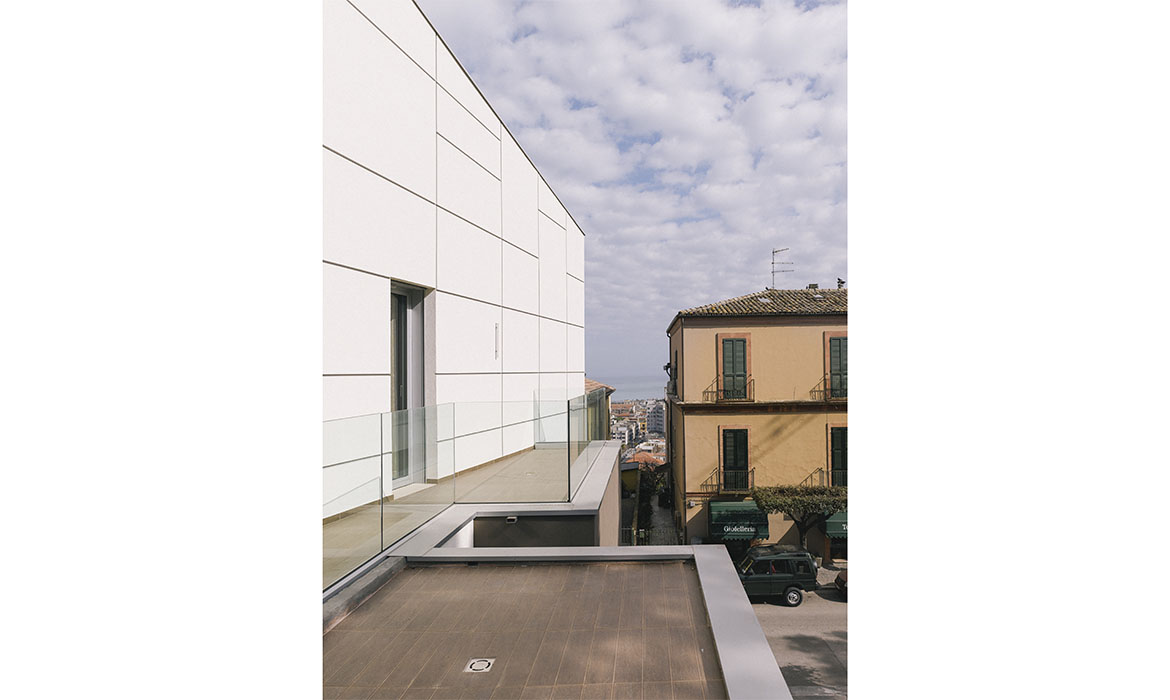
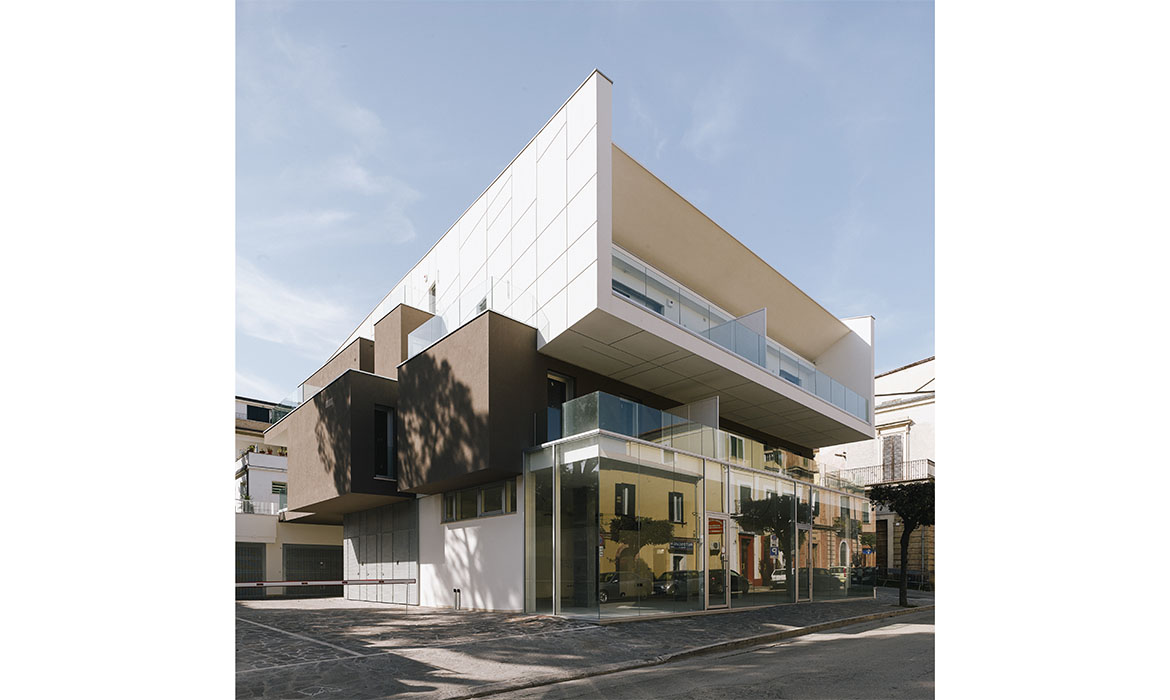
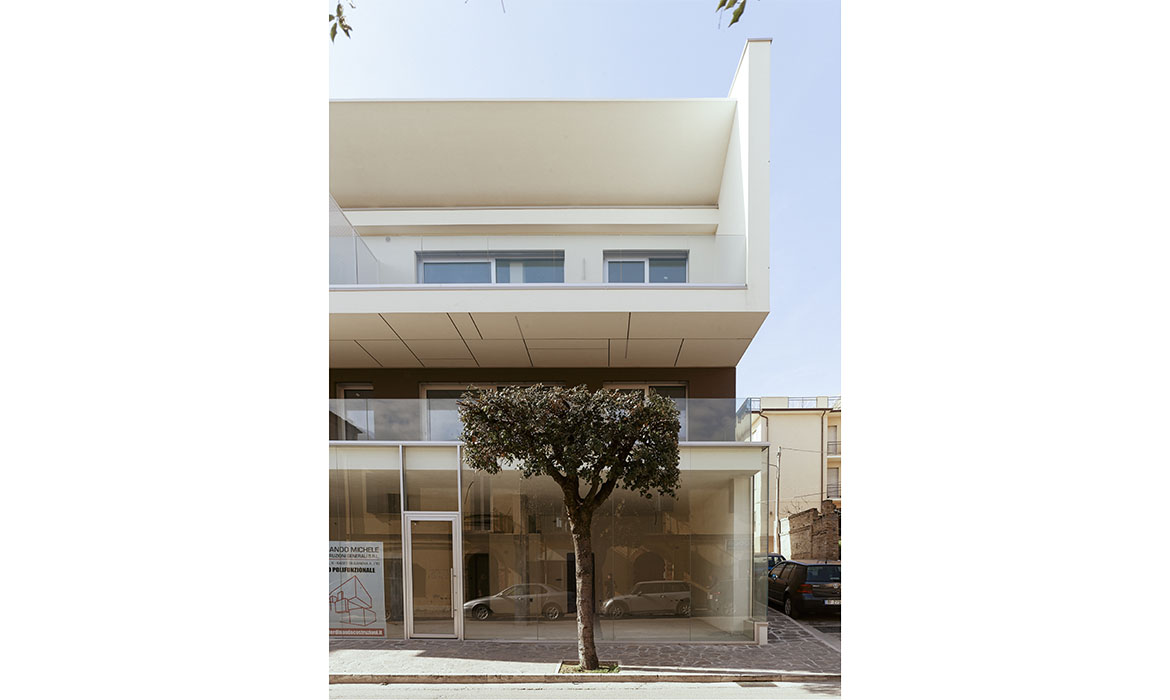
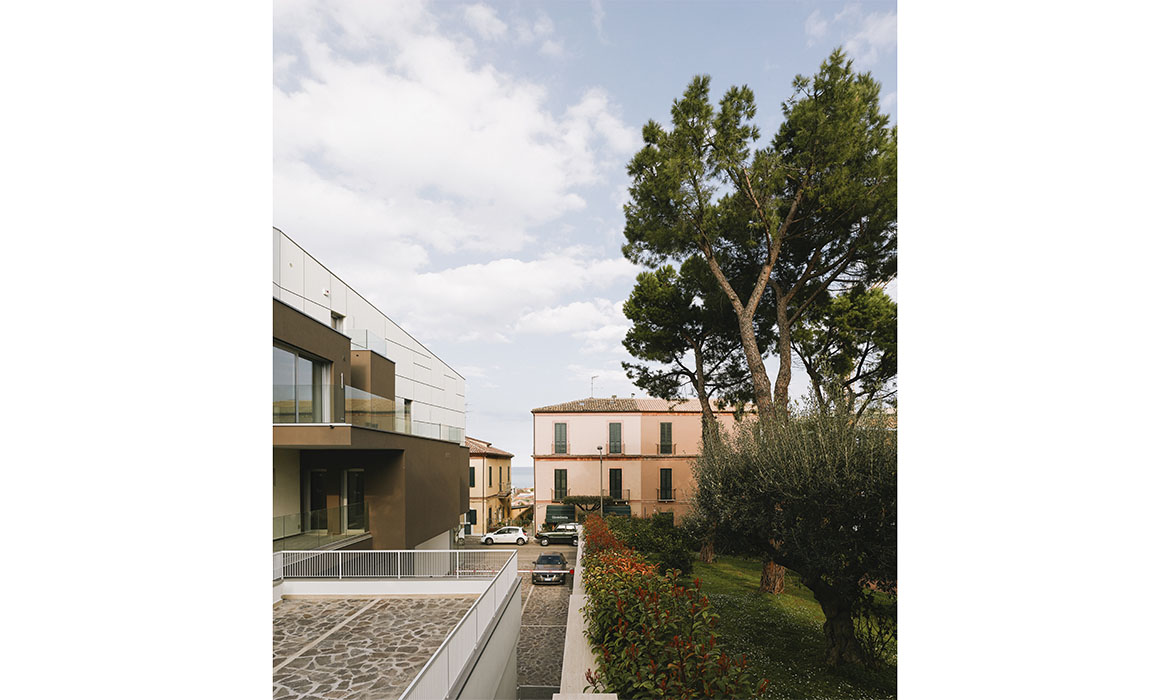
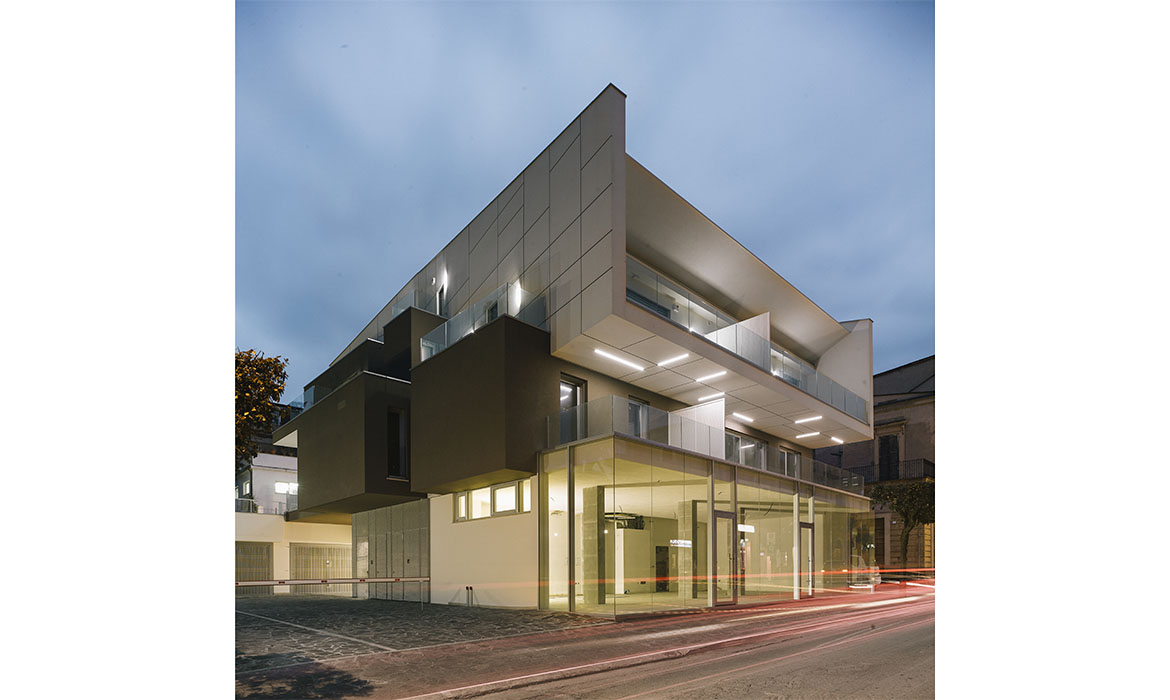
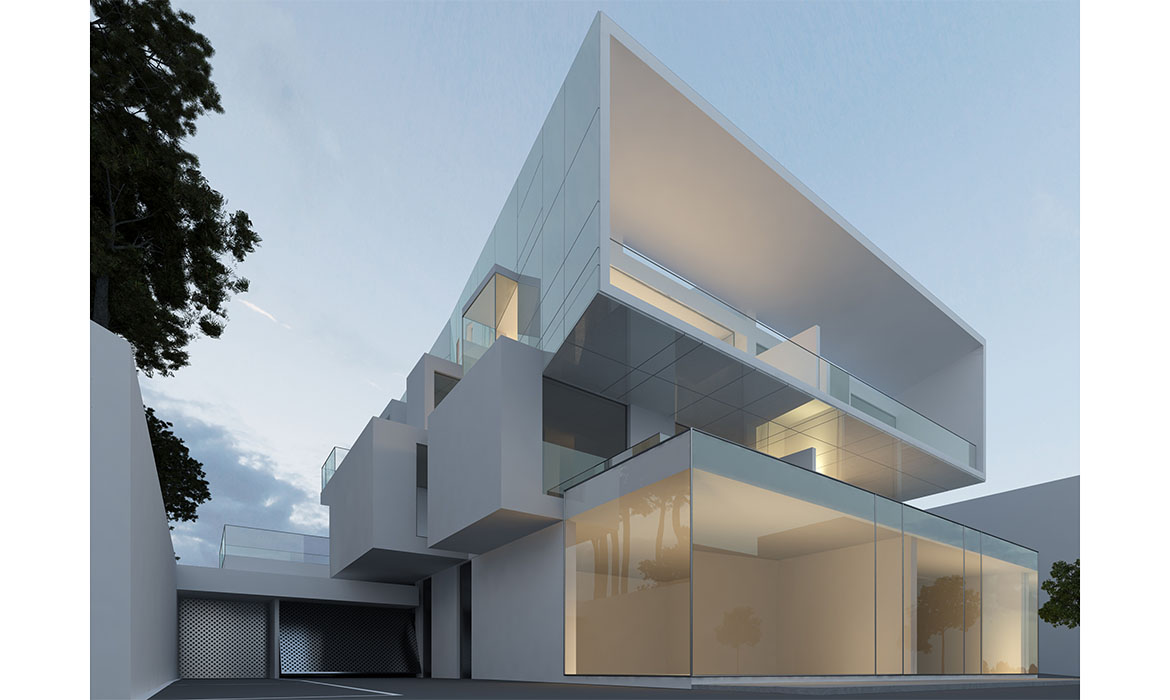
A podium level (commercial, residential services, roof gardens) is surmounted by an east-facing volume that looks toward the sea; the simple geometry bends and warps on the south side to capture the landscape of the adjacent park.
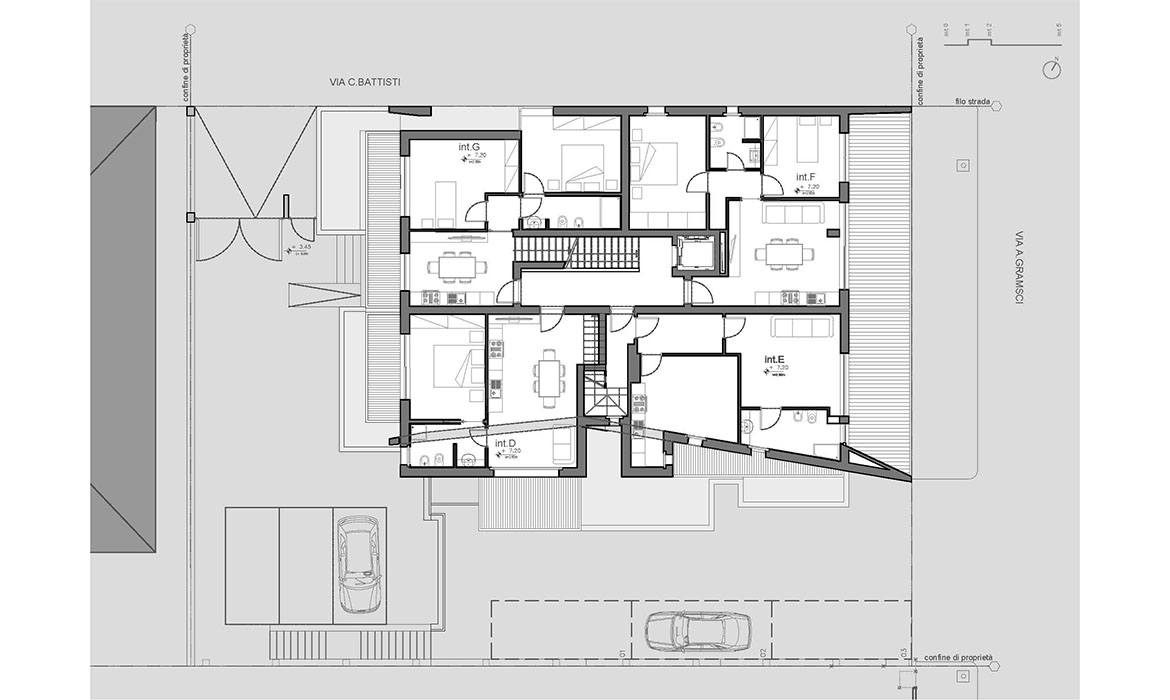
Tecnical drawings:
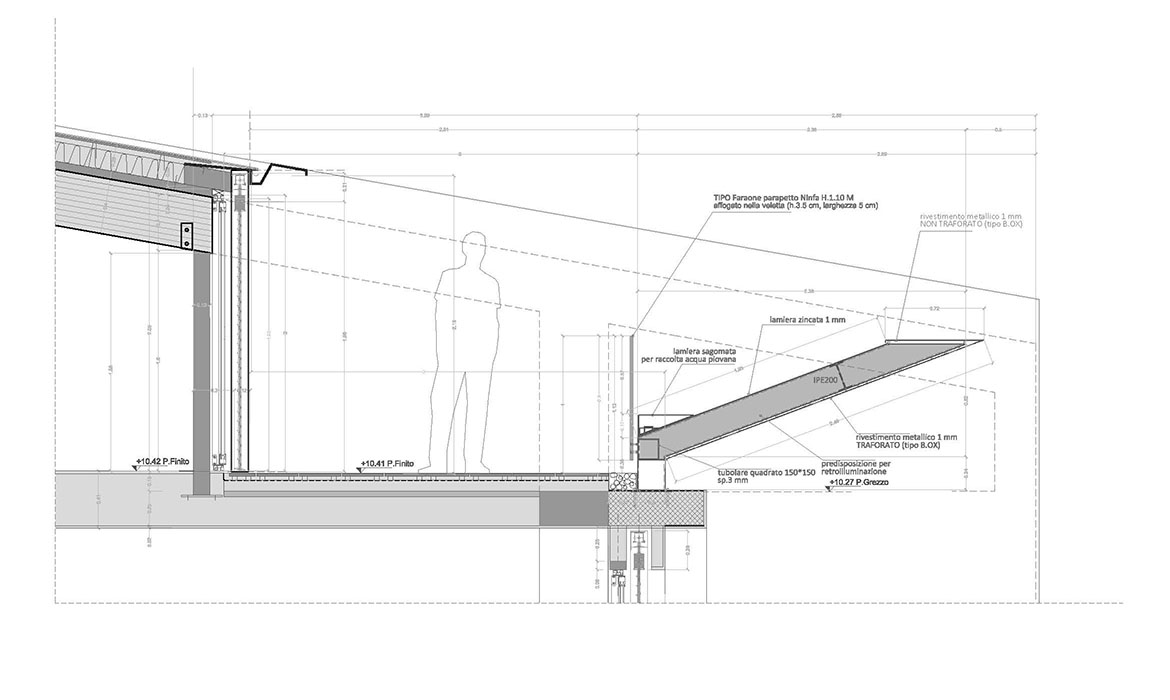
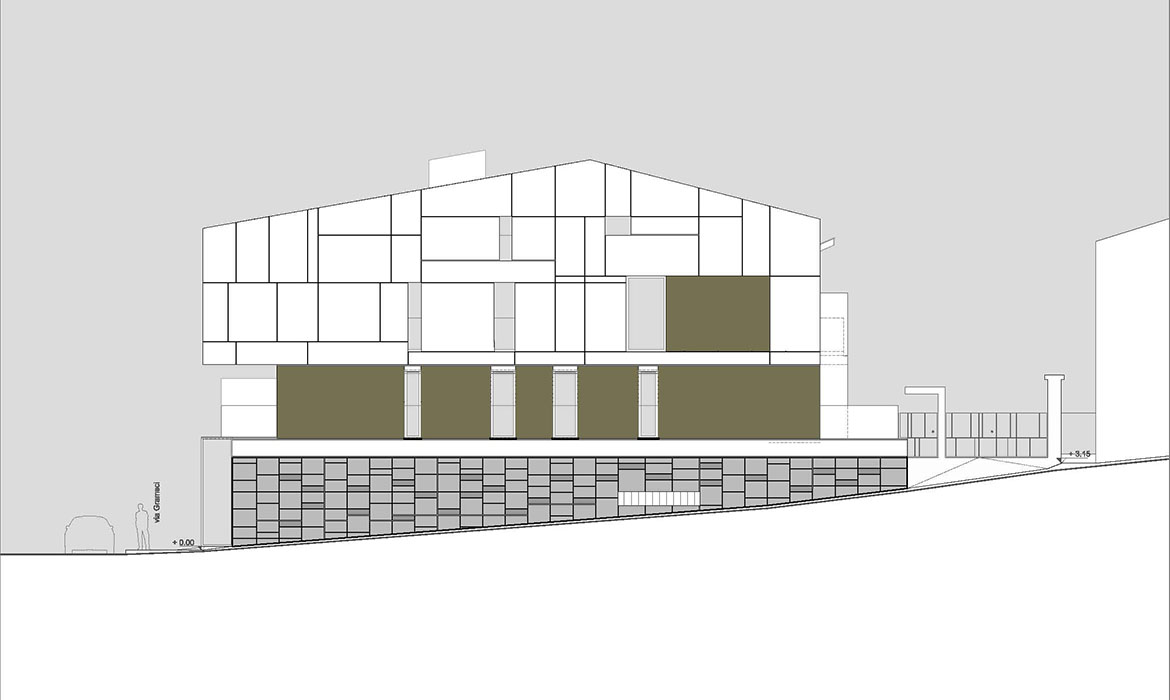
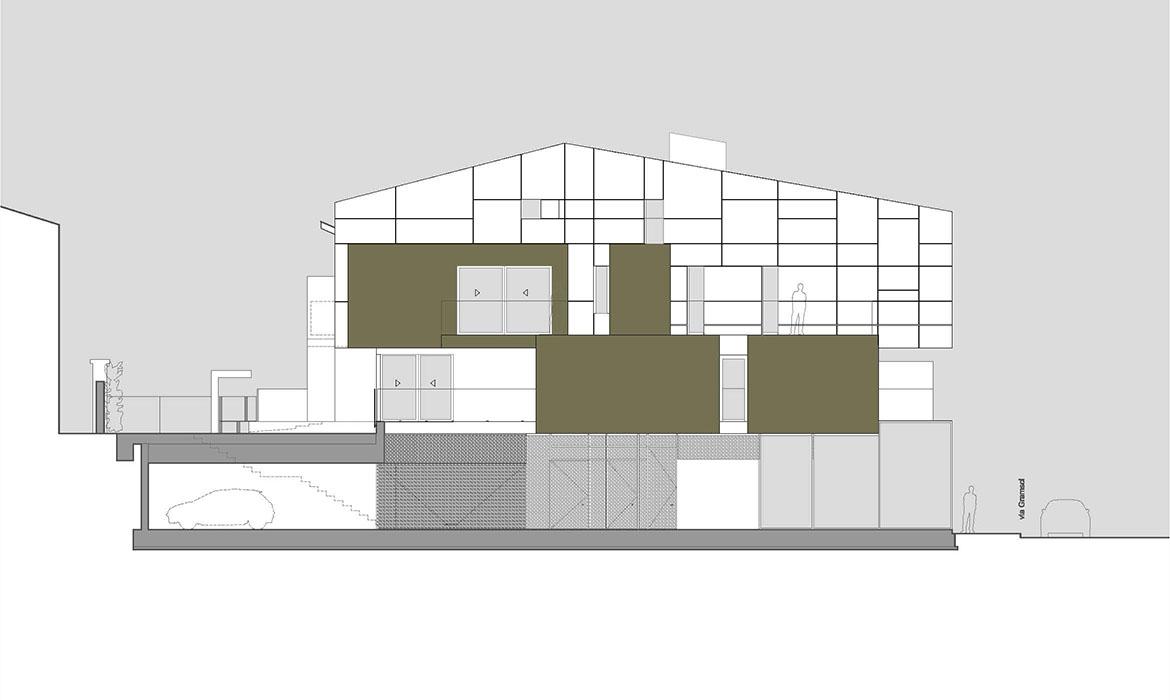
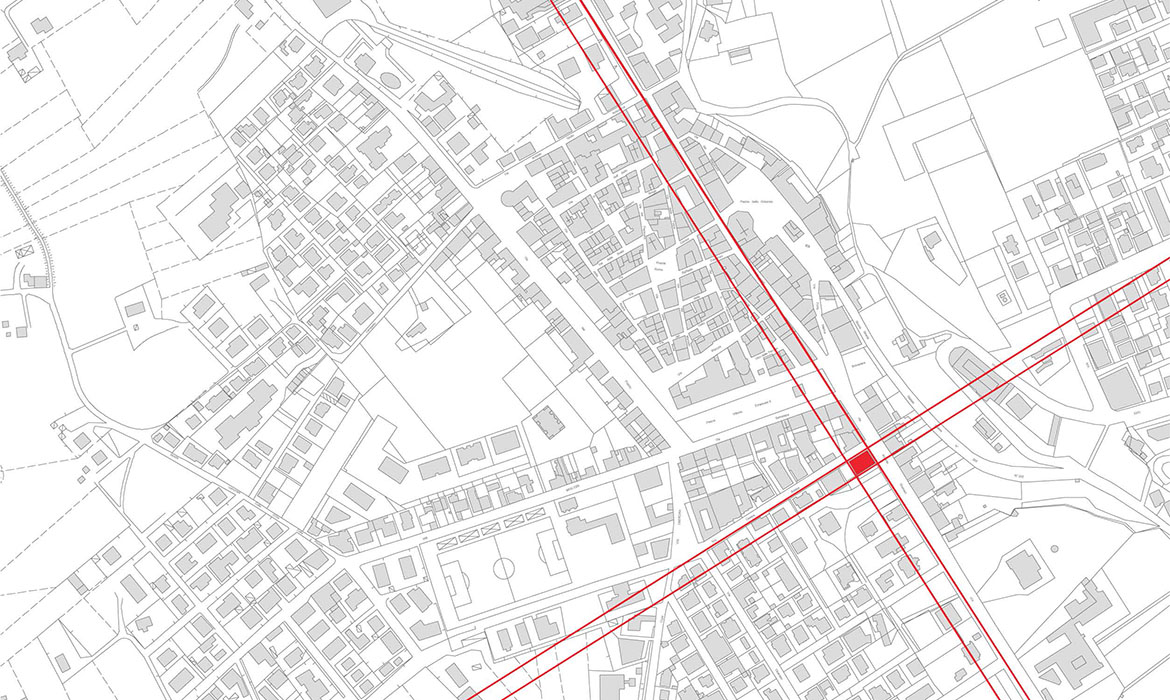
Extended report:
Relazione estesa
This residential and commercial project is located in the upper part of Giulianova, in Via Antonio Gramsci, at the intersection with Via Cesare Battisti.
A podium level (commercial, residential services, roof gardens) is surmounted by an east-facing volume that looks toward the sea; the simple geometry bends and warps on the south side to capture the landscape of the adjacent park.
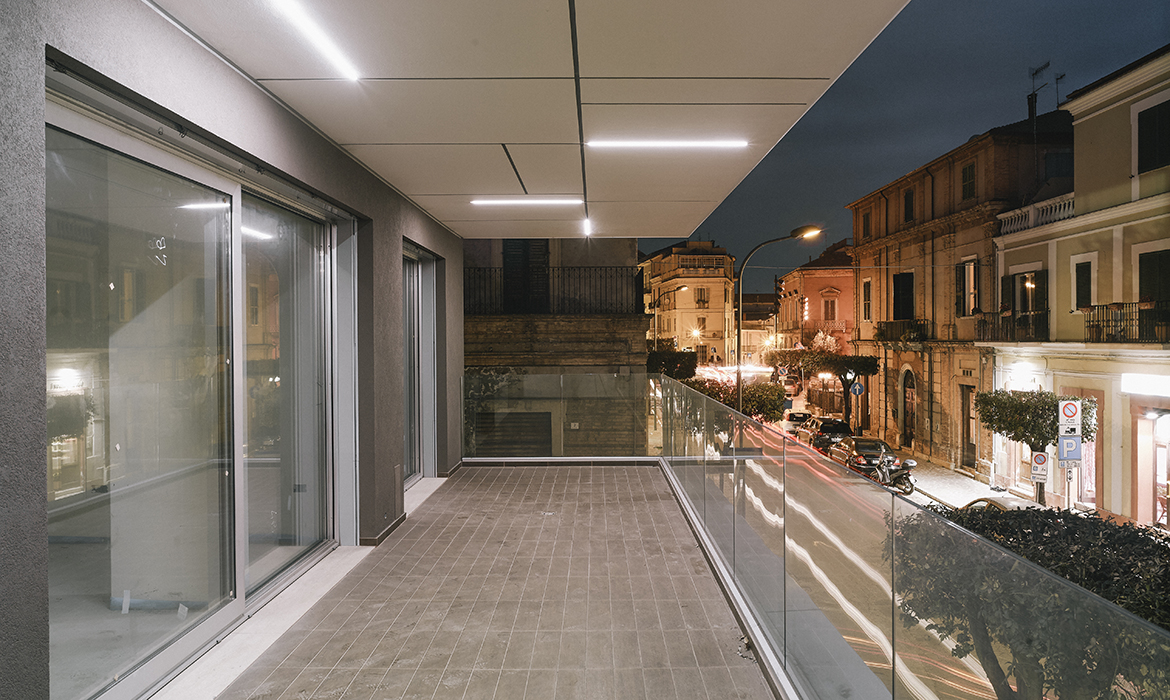
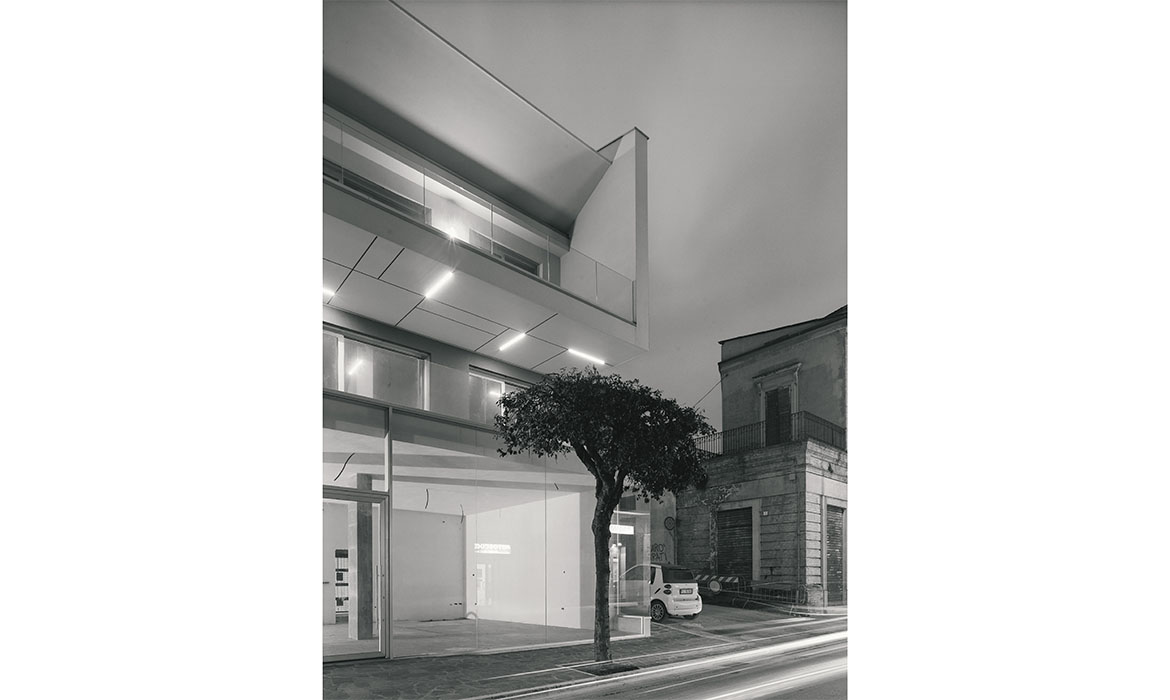
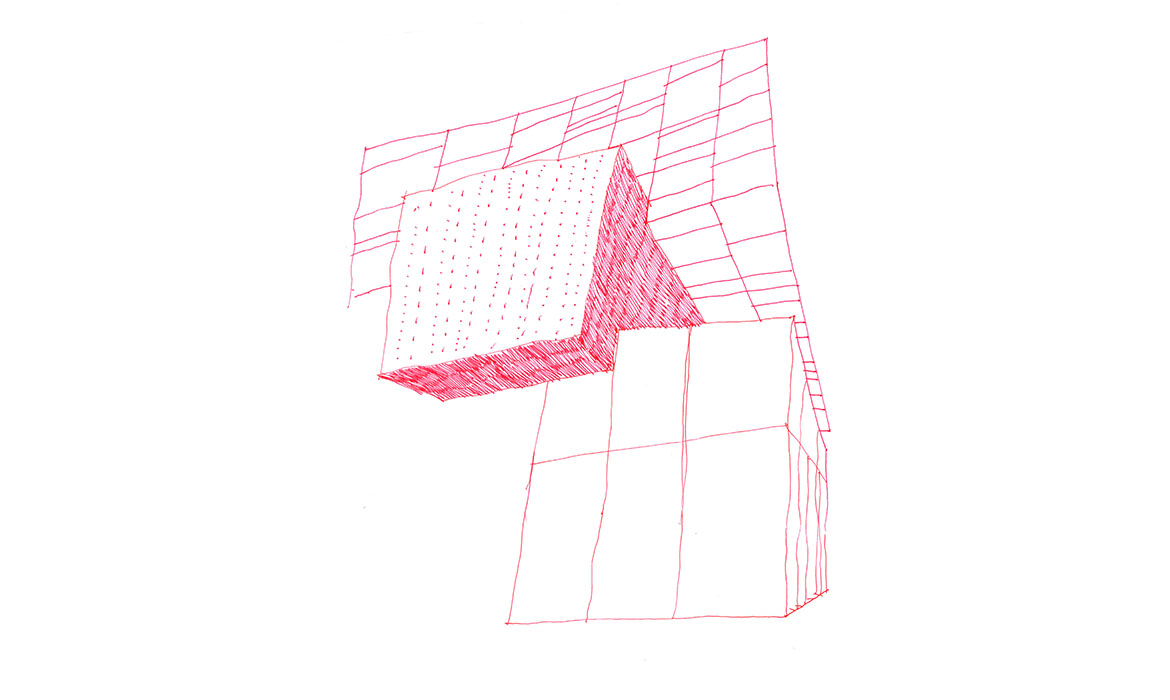
The upper volume of residential units is in turn ‘doubled’: one part is composed of “semi-independent” residences accessed from terraced gardens and served directly from the entrance on Via Battisti, and a second part served by the building’s vertical circulation. The first, on the south side, is articulated by volumes projecting beyond the perimeter and the face of the upper volume.
The upper portion is strongly characterized by the shape of the roof that defines the line separating building and sky; to the south it is marked by a bend in the perimeter wall.
The east and west elevations feature very large openings offering views toward the sea and mountains.
_materials
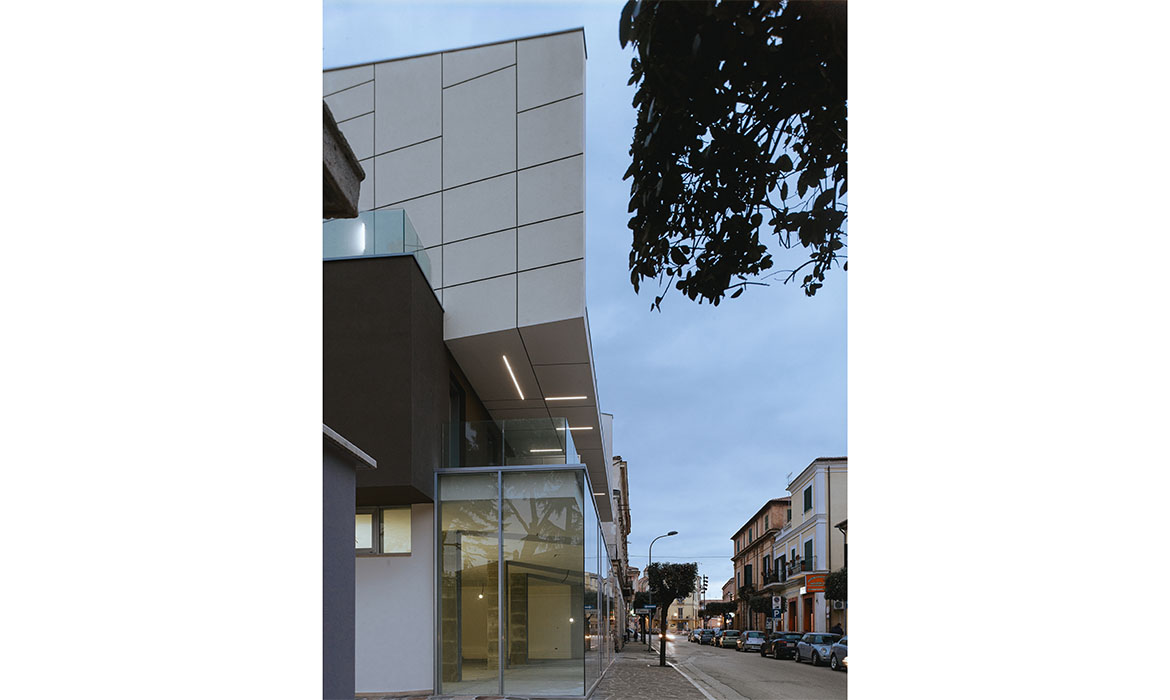
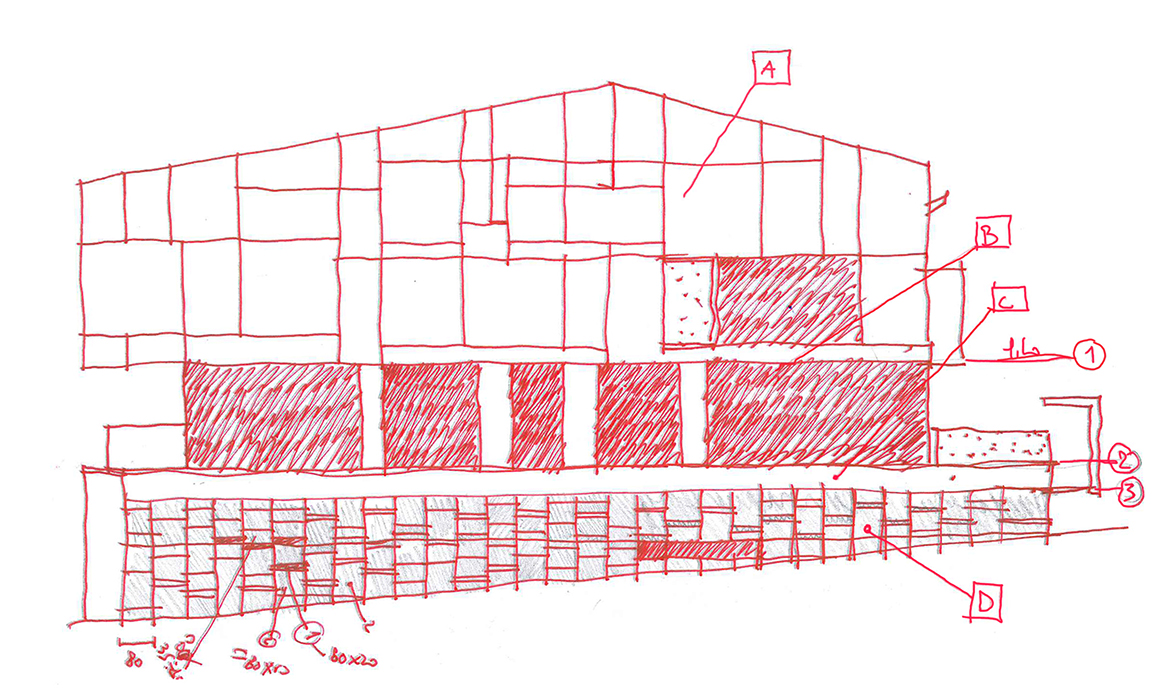
The side of the basement on Via Gramsci is made of transparent glass, while the others are carved from the coating weaving in rough travertine.
On the south side the volumes are treated with colored plaster, while the upper part of the building is characterized by a white plastered surface punctuated by metallic joints.
_ orientation
The building is oriented along the east-west axis so as to define a dual use of the space (north and south zones).
This duplicity is evident both in the plans and in the drawing of the facades:
the north side is the coldest part; it is almost fully enclosed with a massive wall covered with stone in the base.
The south side represents the “open” part of the building, a glass enclosure defines the internal-external interface, a sort of “greenhouse” shielded by a movable sunscreen system and by the strong overhang volume of the first floor.
_prevailing winds
The north facade contrasts the prevailing winter winds with a closed side, but at the same time small cuts allow to capture the summer cool breezes.
_ energy management
Passive solar;
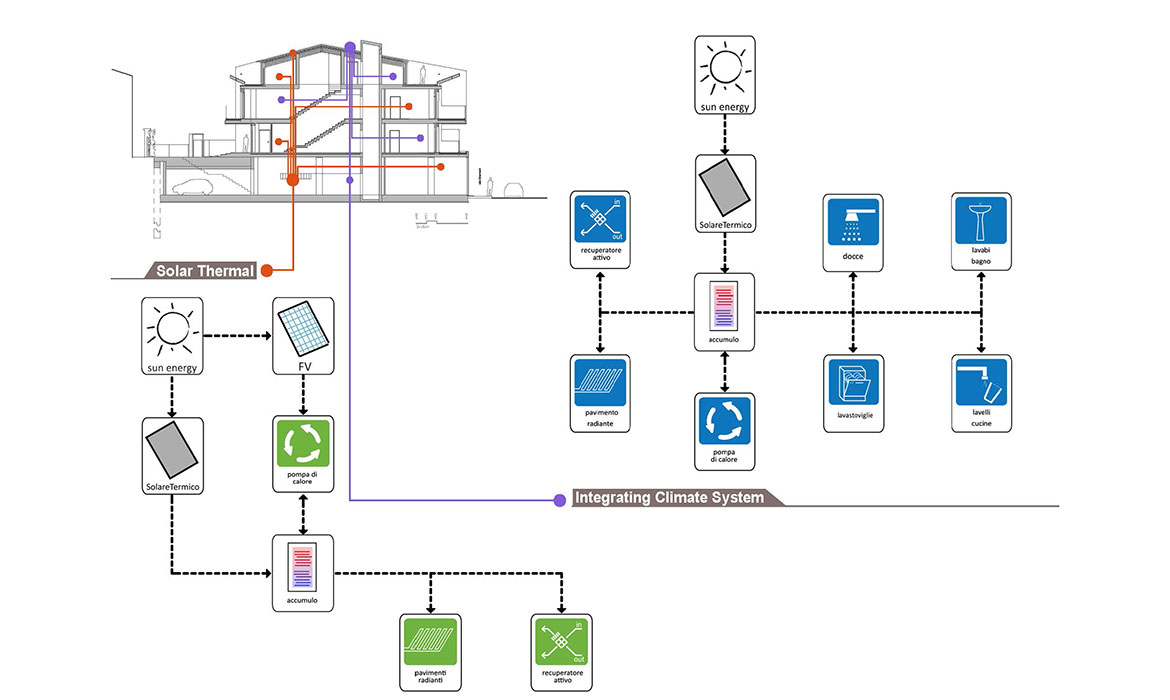
the building has been designed to optimize the benefits of the winter sunshine; the south side has large windows that allow to accumulate heat into the floor, the heat is emitted during the night.
An external blinds system prevents the summer heating up.
_ plant
The building has a floor heating system powered by a high efficiency condensing boiler. This system improves the comfort of the building. The advantages are: heating evenly distributed over the entire floor surface; no convection currents within the environment (with less dust and less air circulation drying) and better thermal insulation thanks to the structure of the floor which provides a layer of insulating material below the heated screed.
The production of sanitary hot water is guaranteed by a solar system with integration of the condensing boiler.
Timeline:
2011
Progetto
2015
Fine lavori