Solar diamond
Credits
Client
Private
Collaborators
Antonia Creazzi
Elisa Pedrotti
Francesco Misdaris
Cesare de Oliva
Nicola Cimonetti
Authors
Emiliano Leoni
The project is the synthesis of a variety of ideas studied and considered during many months of work. The result tries to combine sustainable technology and tradition, aesthetic and practical aspects, social context and individual requirements and it has been pursued through a constant research and a very close relationship with the client, which desidered since the beginning to get a passive house for his family.
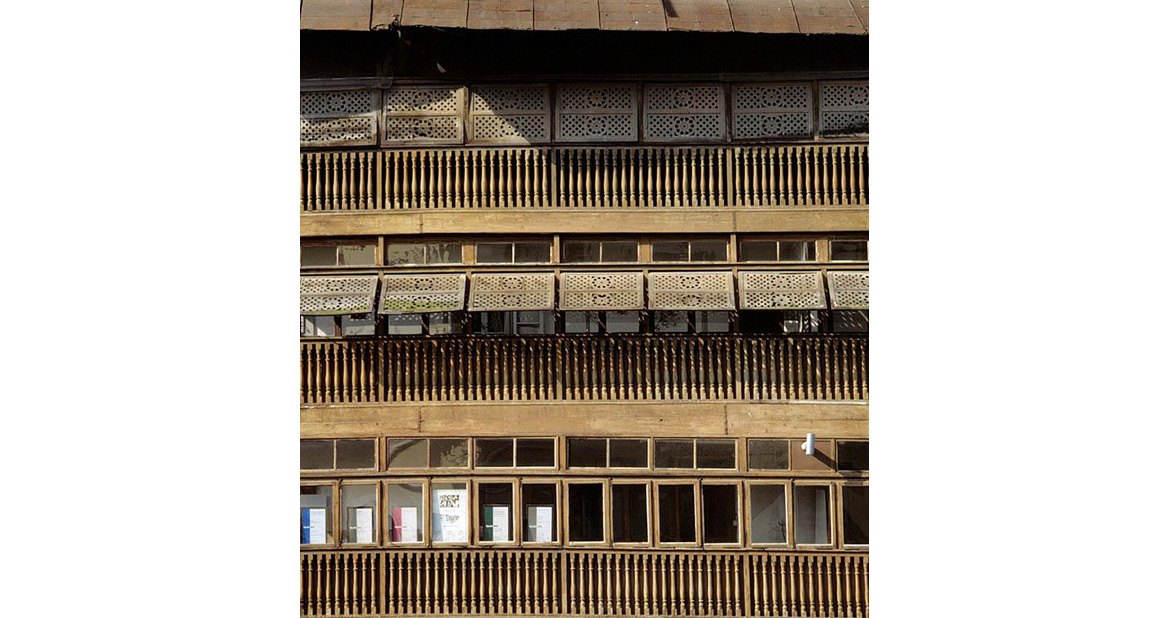
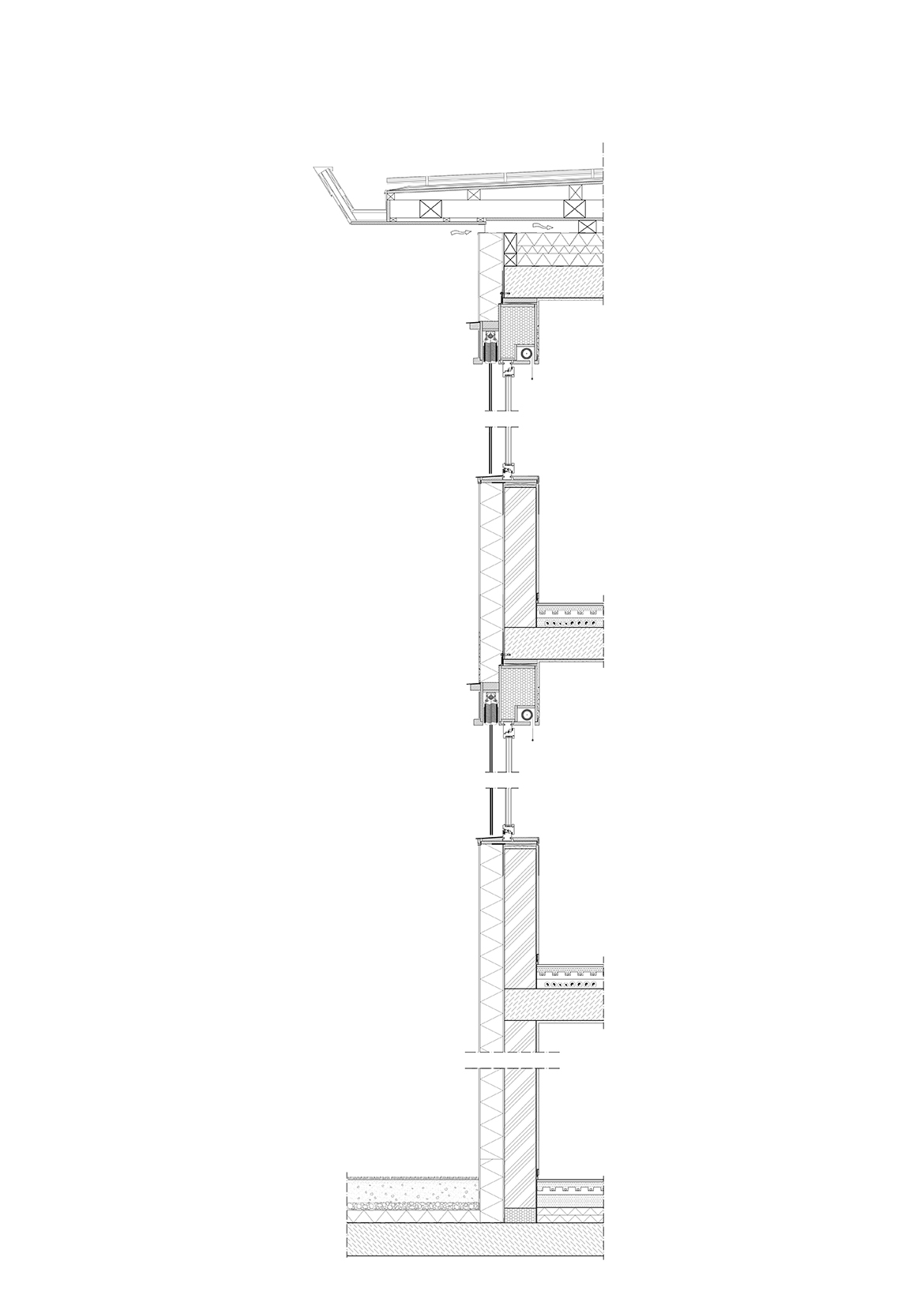
Tecnical drawings:
Extended report:
PROJECT DESCRIPTION
The project is the synthesis of a variety of ideas studied and considered during many months of work. The result tries to combine sustainable technology and tradition, aesthetic and practical aspects, social context and individual requirements and it has been pursued through a constant research and a very close relationship with the client, which desidered since the beginning to get a passive house for his family.
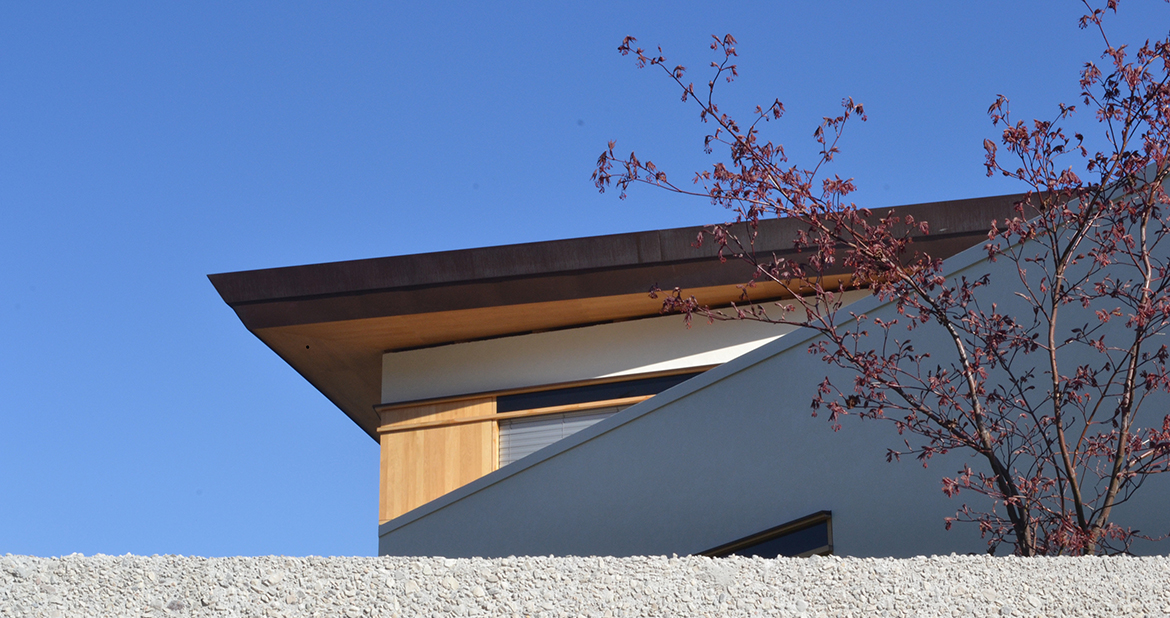
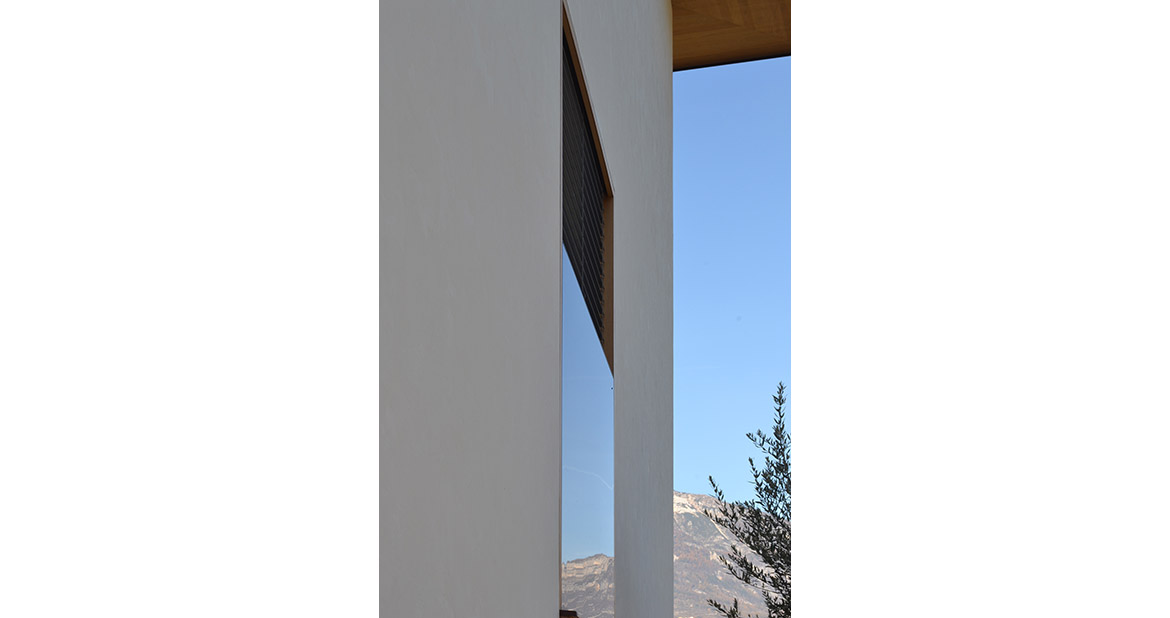
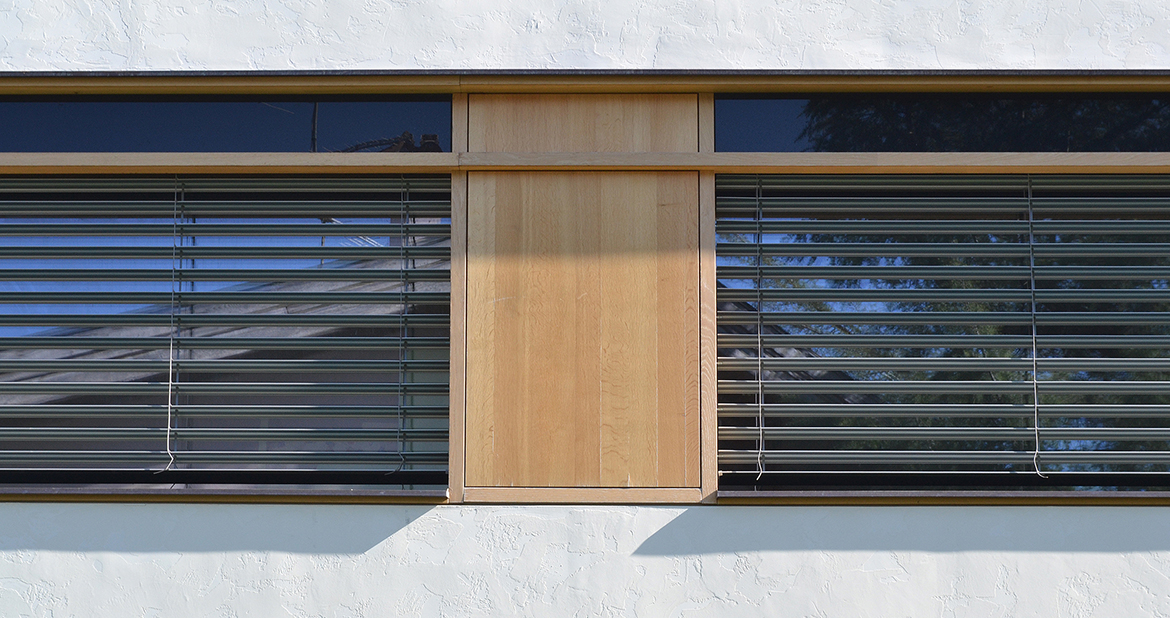
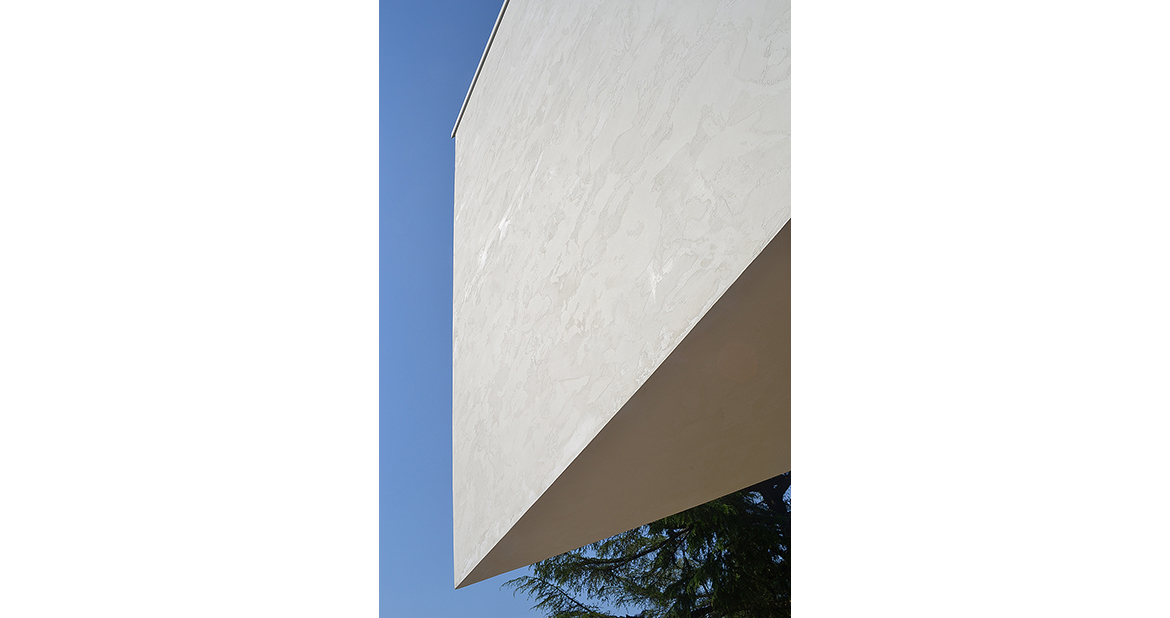
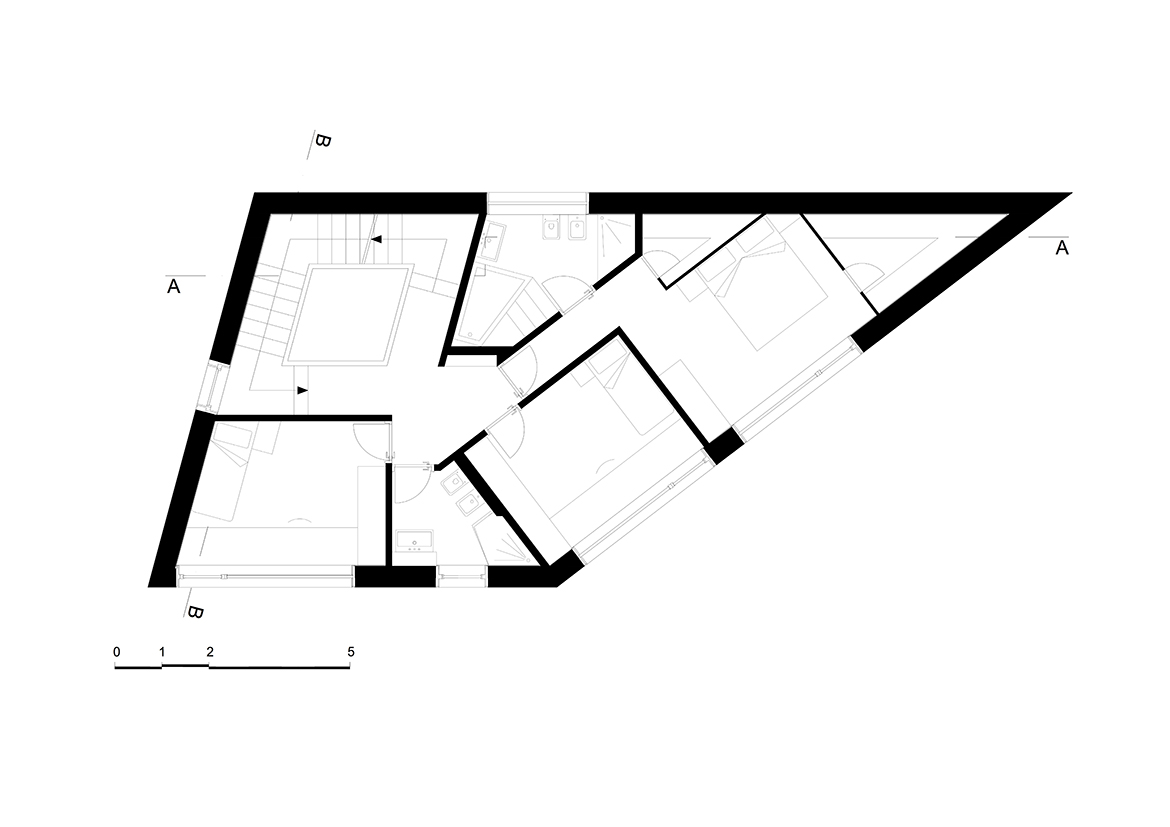
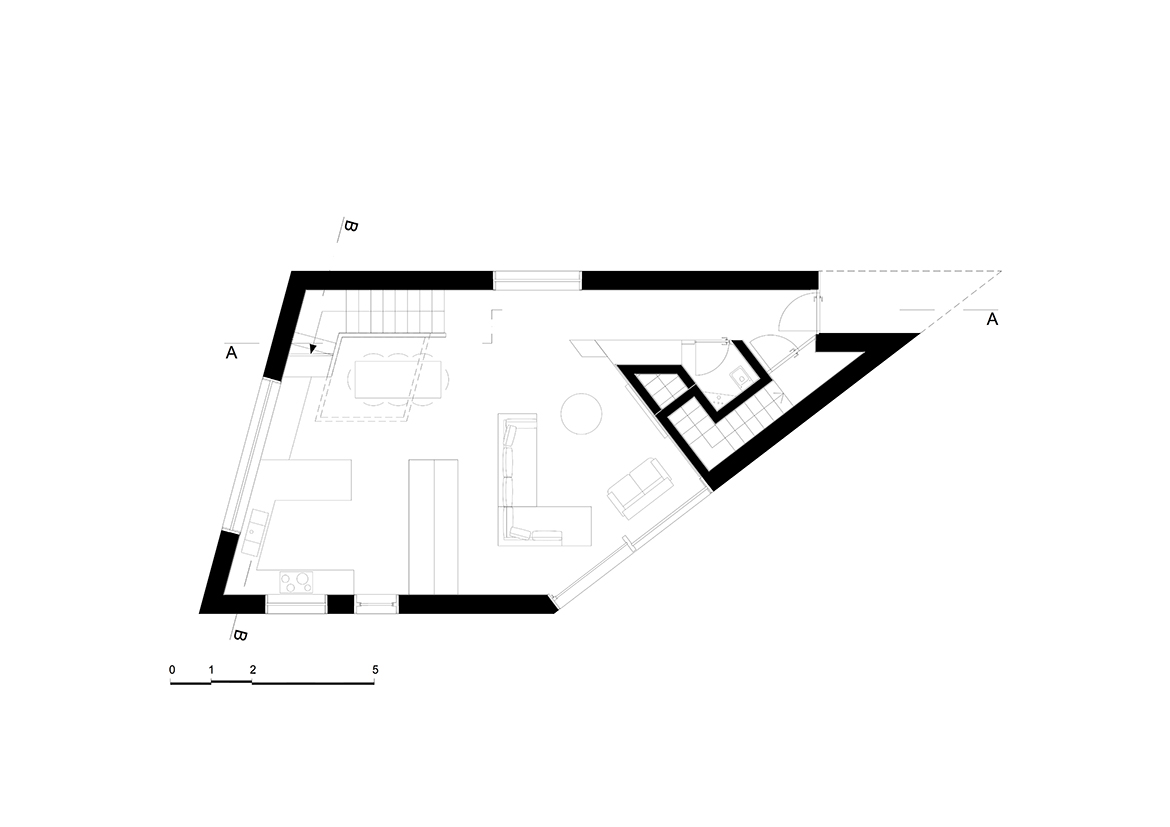
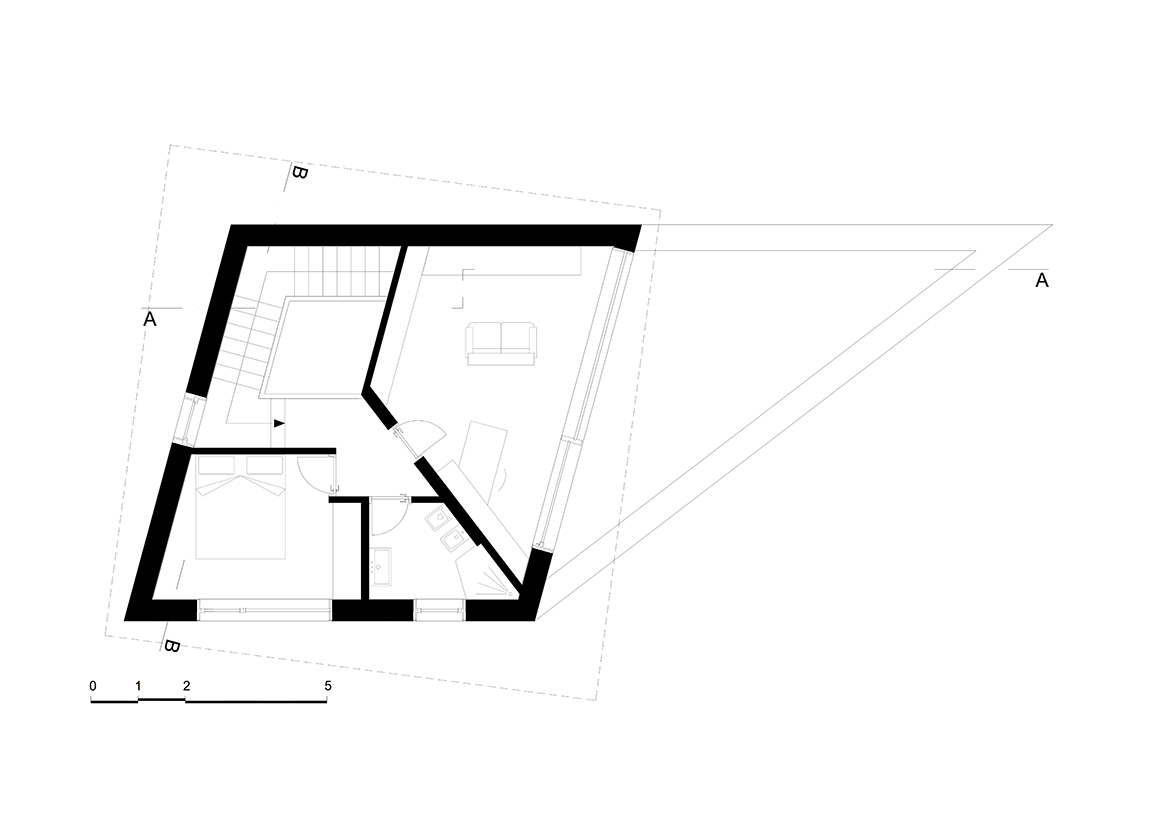
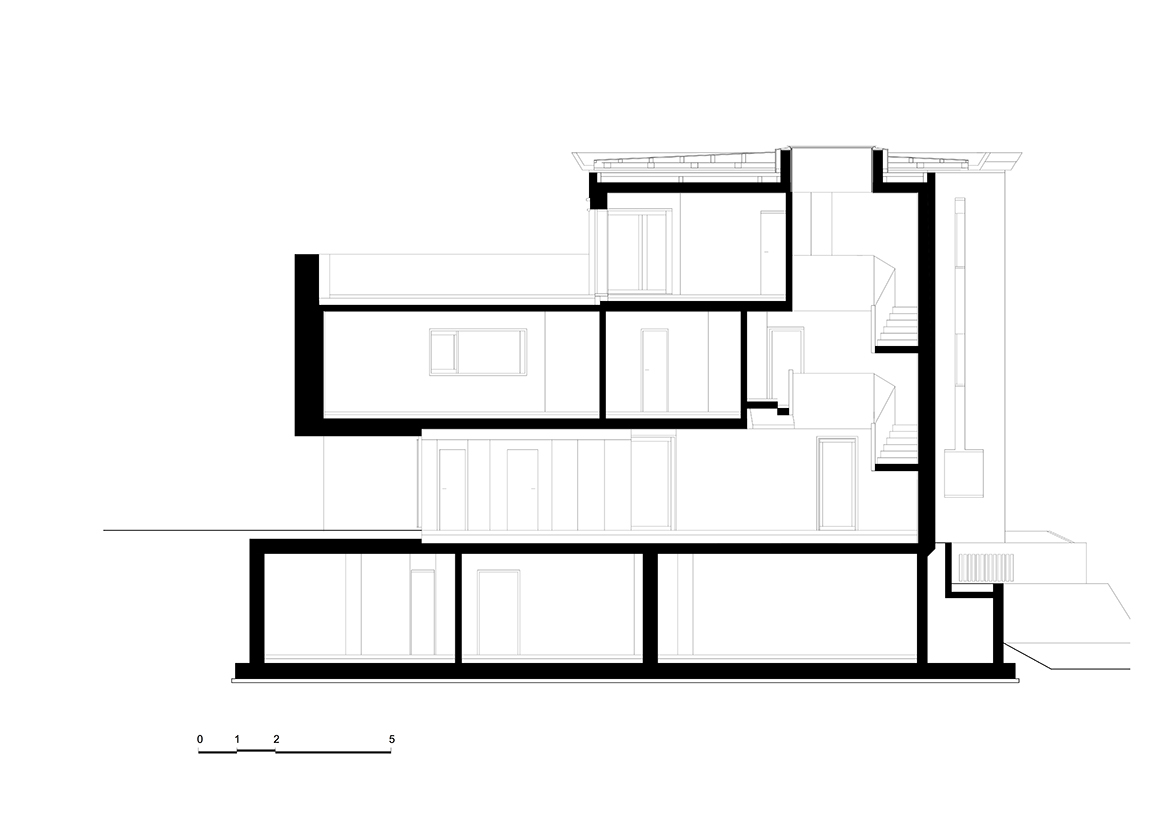
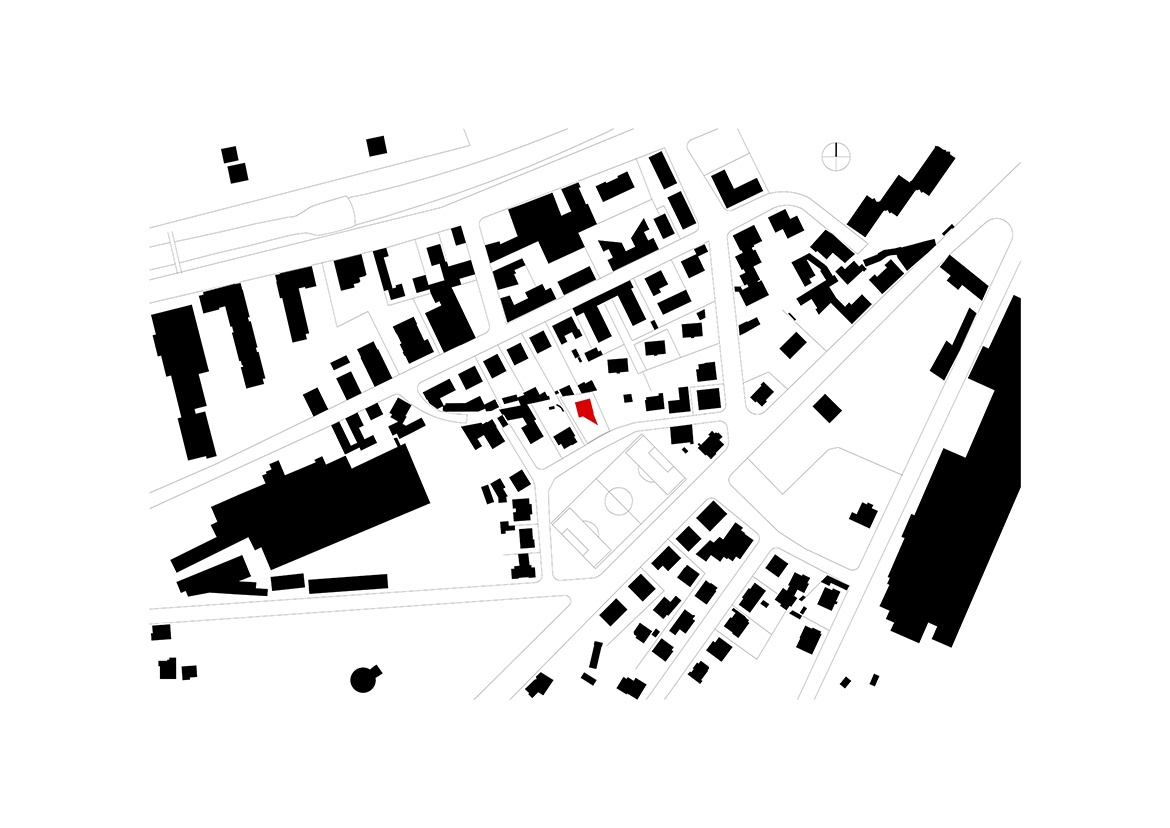
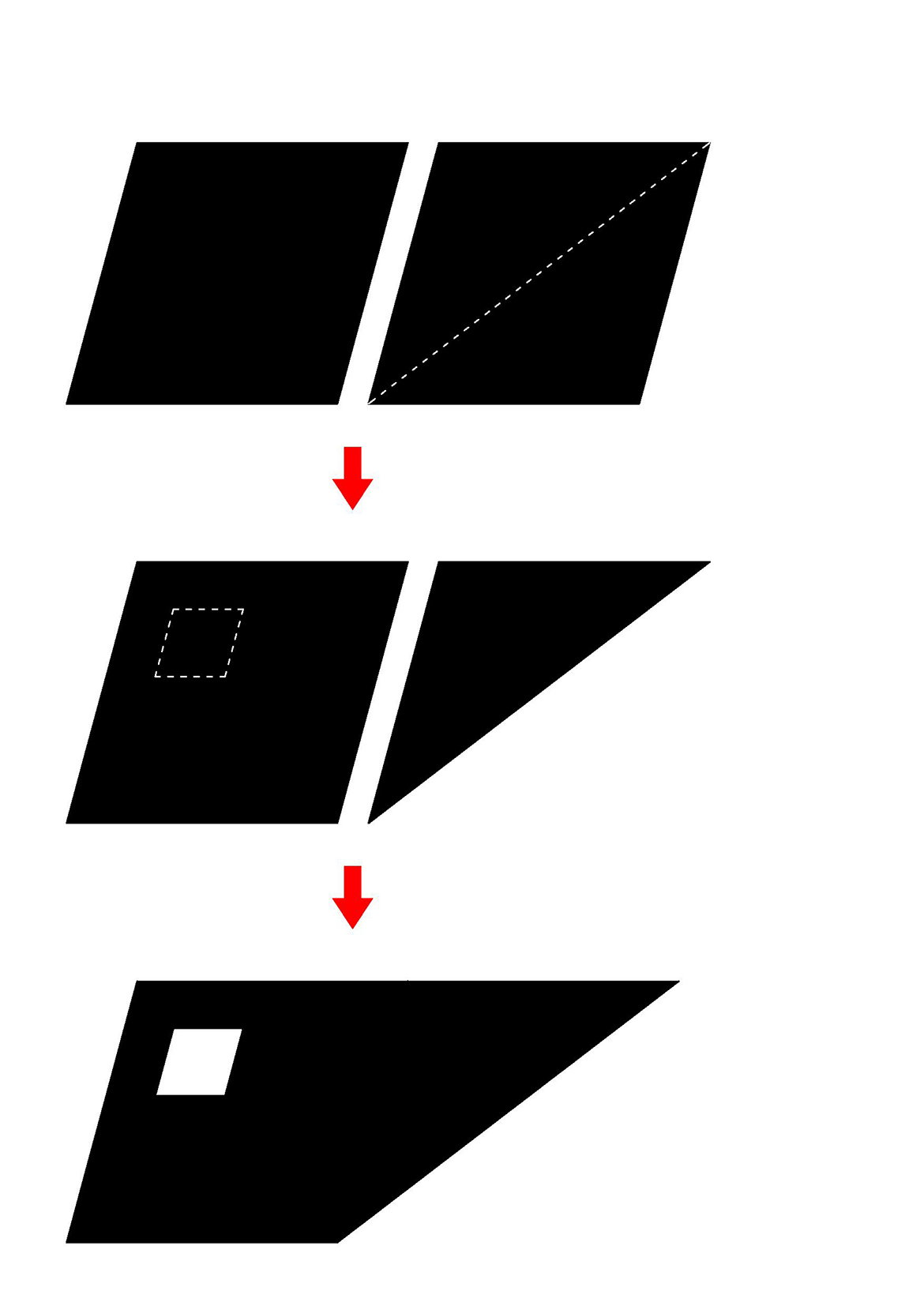
The house stands in the same place as a precedent building in a pure residential context. To guarantee a good climate behaviour great care was taken over the positioning and building orientation including detailed solar studies of the area. The house was positioned in the northern part of the site to provide constant sunshine and to locate the main portion of the garden southwards. This choice also allowed the building to be moved away from the street, ensuring more privacy (this is a typical aspect of the area) also reducing the neighbouring house blocking the light from the western side. In such a way it creates an interesting ensemble of views and relationships with the surrounding landscape and different microclimate areas according to the different seasons and different times of day: to the east a small courtyard with an olive tree in the middle, very cool in the afternoon, to the west a covered patio, perfect for lying in the summer period, to the north two terracing levels contain a pedestrian path and the vegetable garden. Also the volumetric articulation, very compact, and the composition of the façade have been important aspects in resolving the energy characteristics of the house. The plan is generated by joining together two regular rhomboids (one entire and the second only a half) and that’s the reason of the name Diamond House. The wide façade in the southern direction with a light azimuth to the west allows the exploitation of the solar incident energy on the large window. The generously dimensioned openings on the southern side, shaded by external movable shutters, permit ample daylight intake in interior spaces and support the use of passive solar energy. The stored heat goes up through the staircase on the opposite corner to the upper floors.
The building structure is a traditional one, with pillars and reinforced-concrete floors and brick walls to provide a suitable thermal inertia. Special technical and constructive solutions let the architect solve thermal bridge problems. The low heating demand results from a number of factors: the extremely compact building design, an opaque building envelope that is sealed and extremely well insulated (120 mm XPS on the ground floor, 180 mm EPS on the walls, 260 mm wood fiber on the roof); thermal windows (argon-filled triple glazing), a geothermal heat pump system, a photovoltaic system on the flat roof, a system of earth heat exchanger pipes for the controlled ventilation system and an underfloor heating, all for an annual consumption of primary energy of 6.83 kWh/m2
Timeline:
2009
Design
2011
Construction