Caramoniña allotments
Credits
Client
Comune di Santiago
Collaborators
Roi Ríos
Carlos Bóveda
Gaia Enxeñería
Francisco González Varela
Authors
Abalo Alonso arquitectos
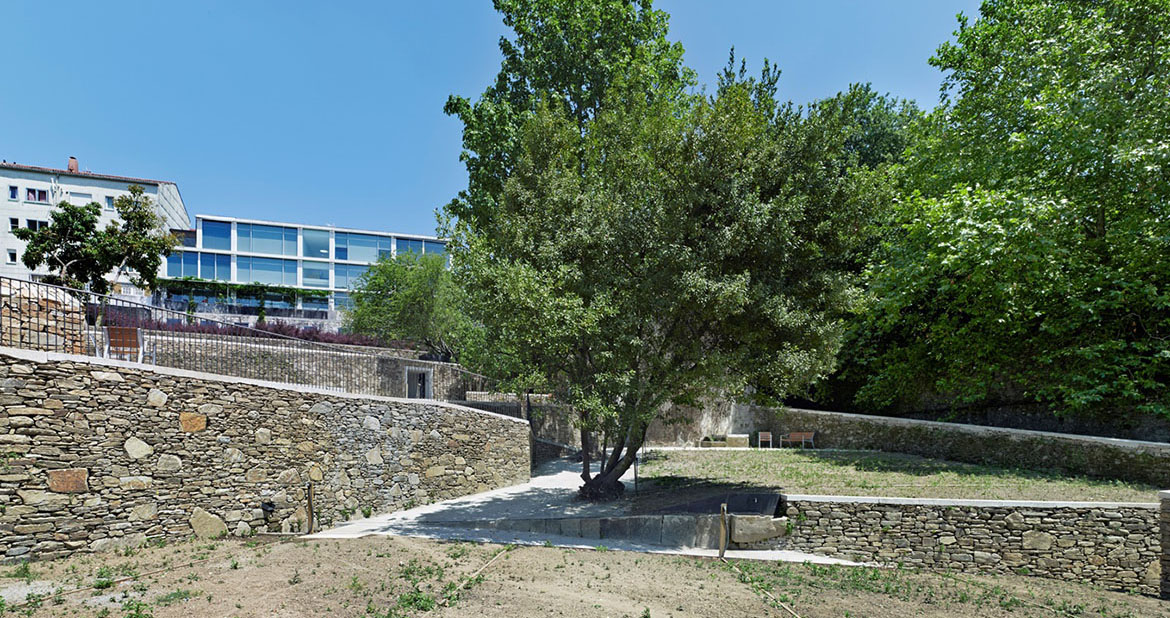
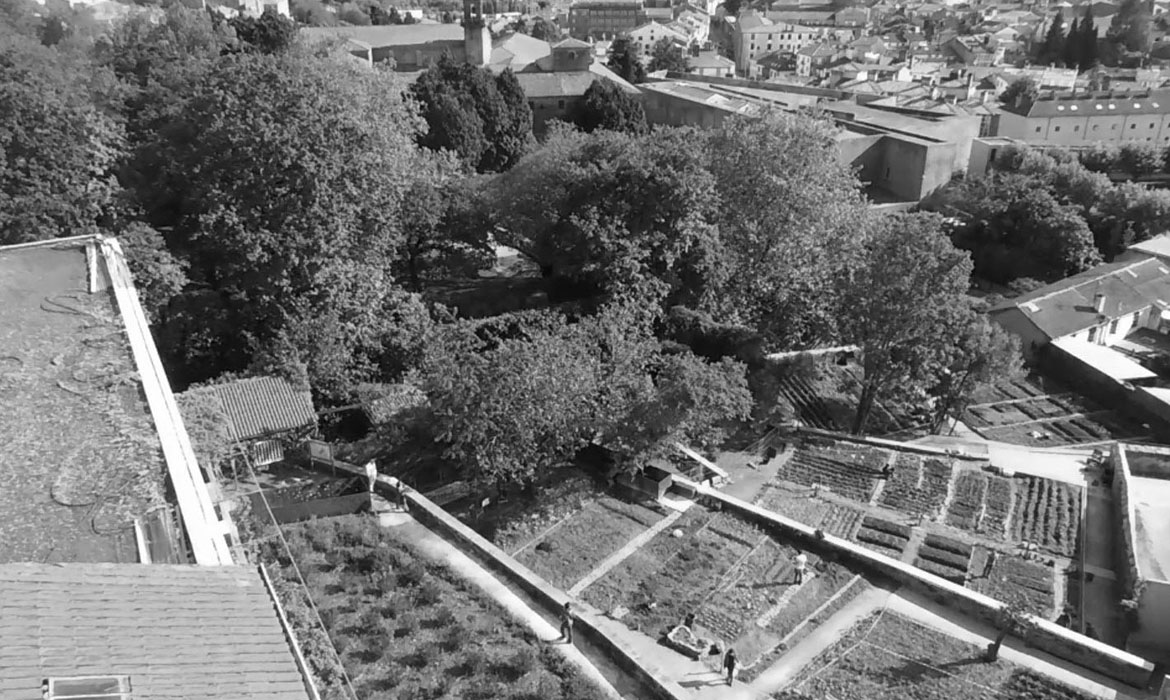
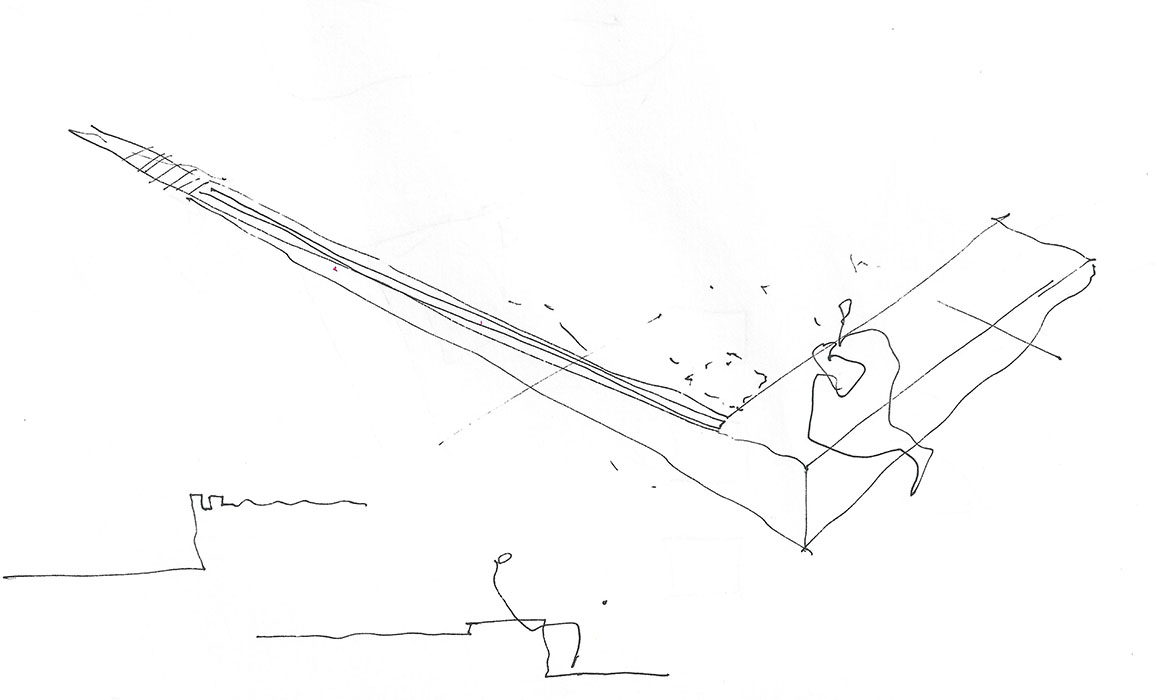
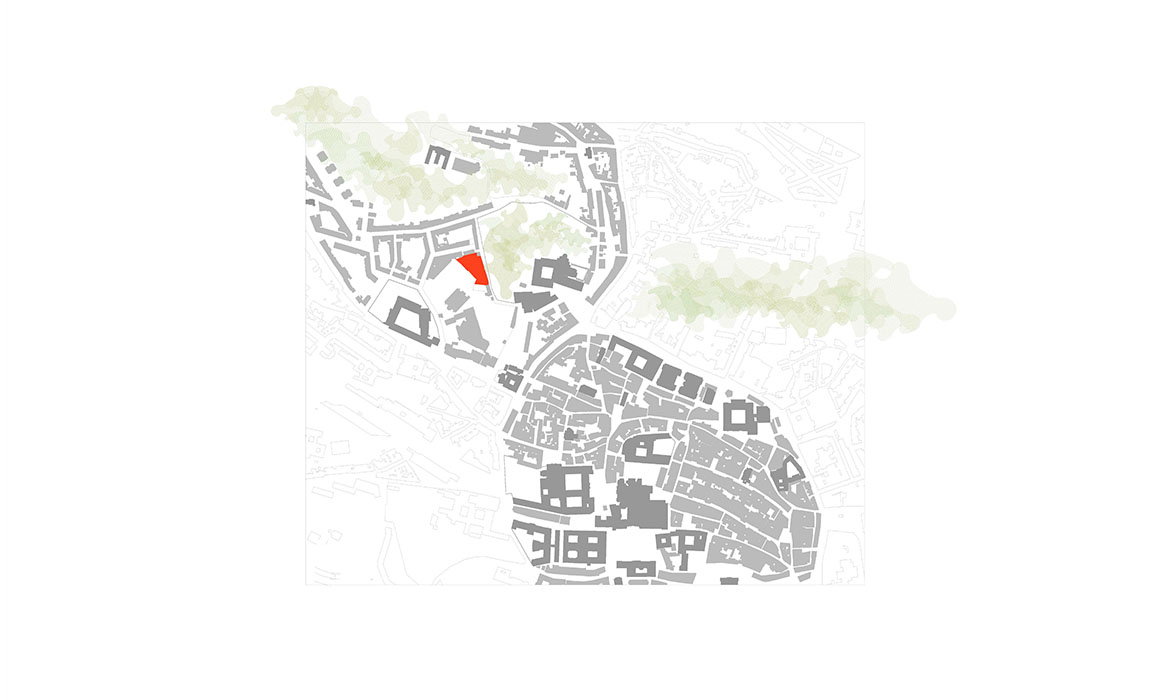
Caramoniña is one of those vacant sites in the city, Santiago de Compostela in this case. They are complicated sites, without any clear use or even good access. The plot is on the way from the Historical City to the nearby Almáciga neighbourhood.
Tecnical drawings:
Extended report:
Relazione estesa
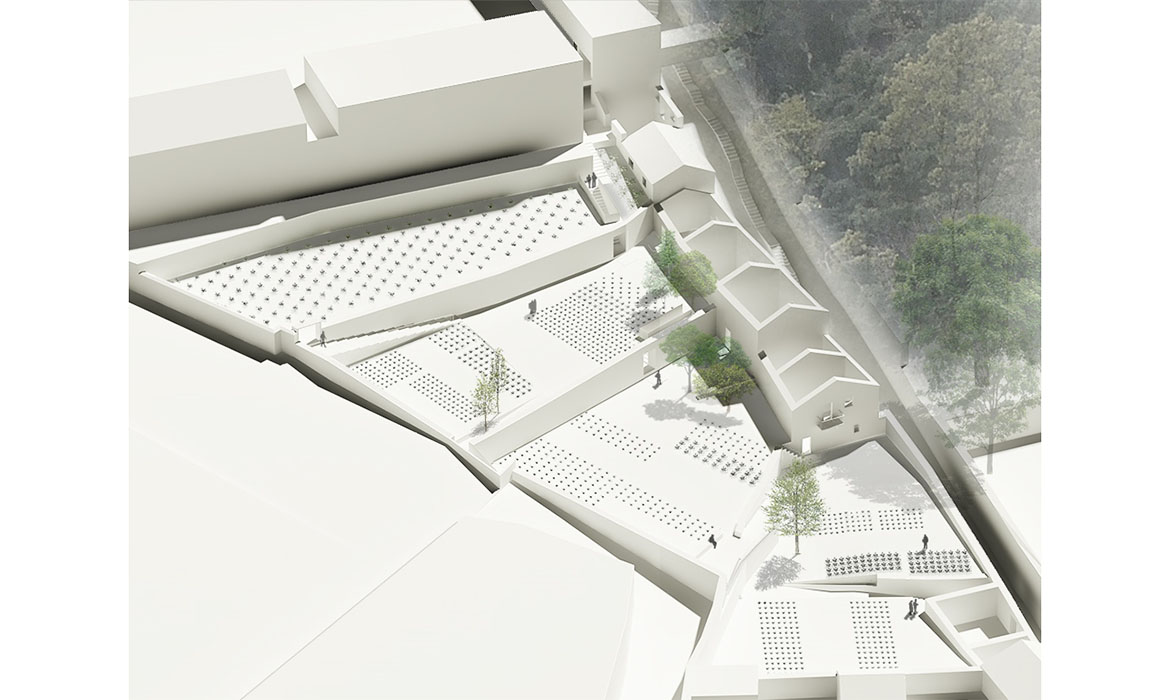
Caramoniña is one of those vacant sites in the city, Santiago de Compostela in this case. They are complicated sites, without any clear use or even good access. The plot is on the way from the Historical City to the nearby Almáciga neighbourhood. Both of them are little hills. But Caramoniña is also situated in the east green belt of the Historical City. The principal objective of the project is to favour the connection and accessibility, and perhaps anything else…
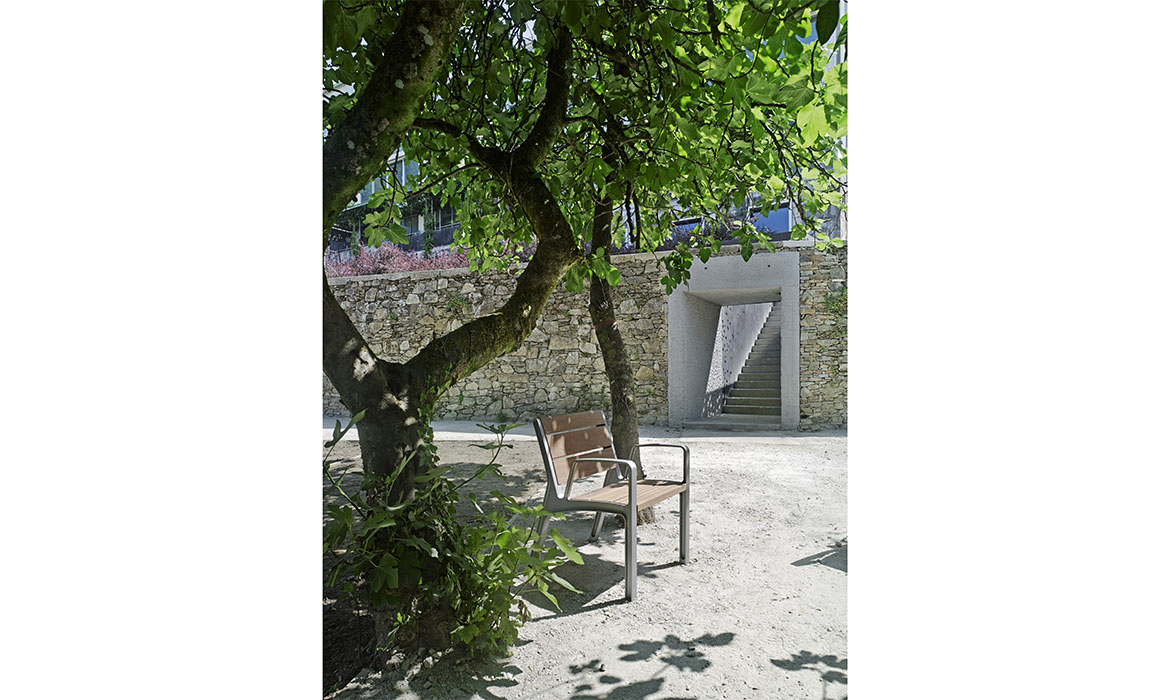
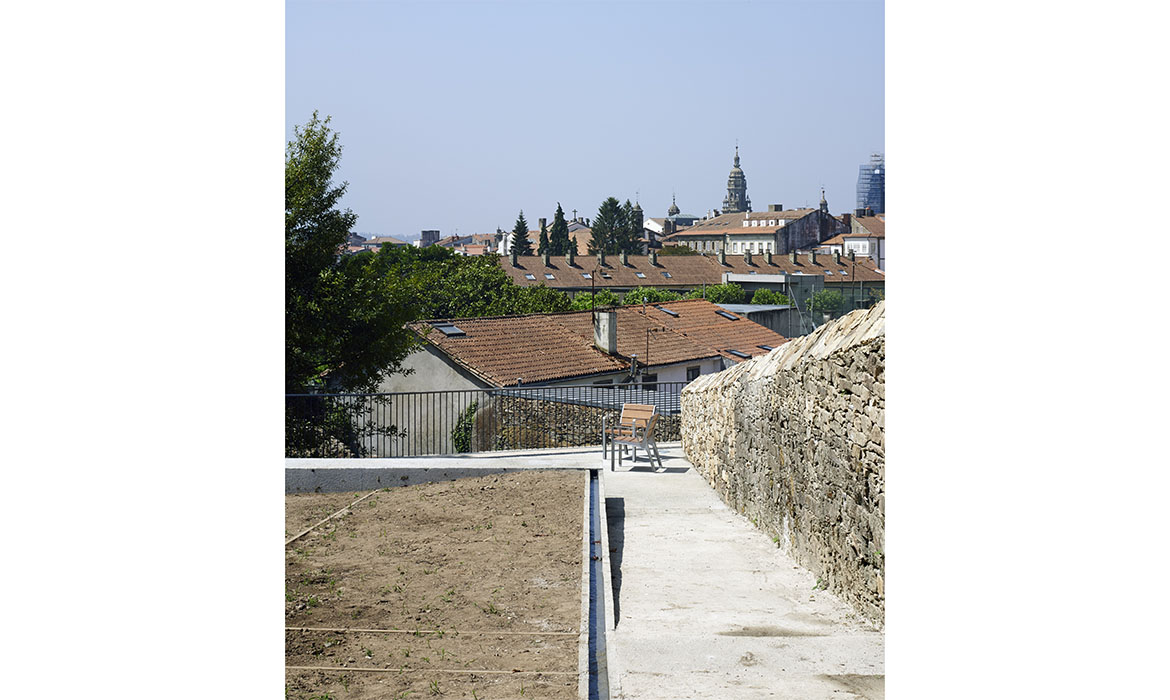
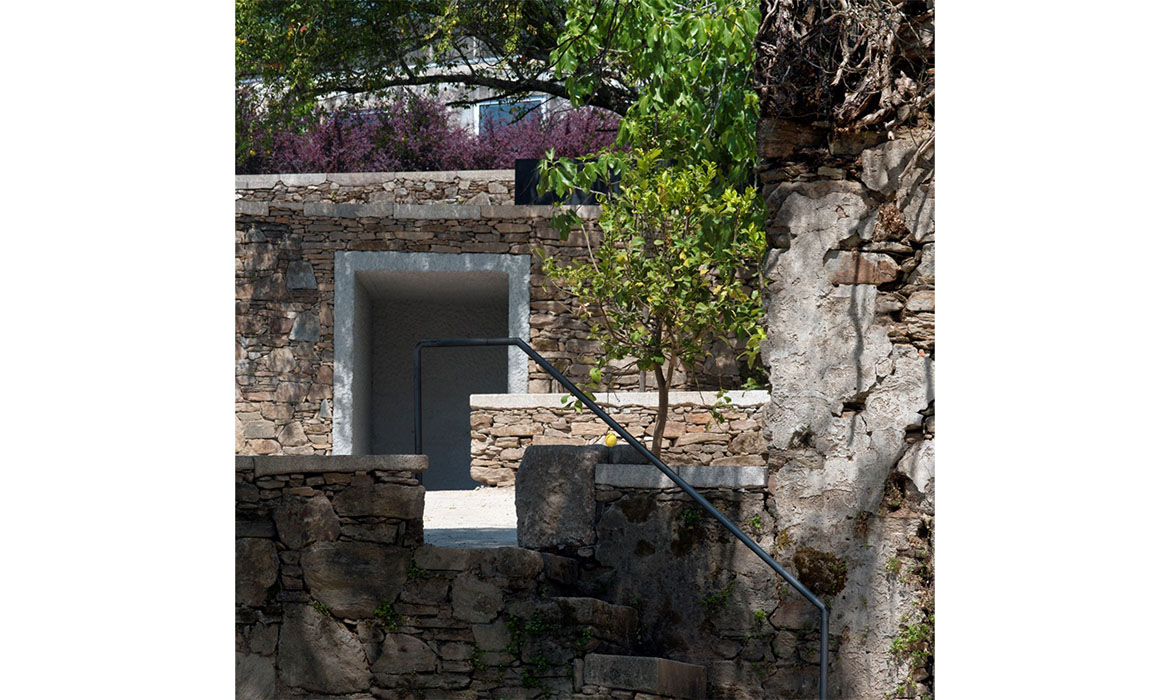
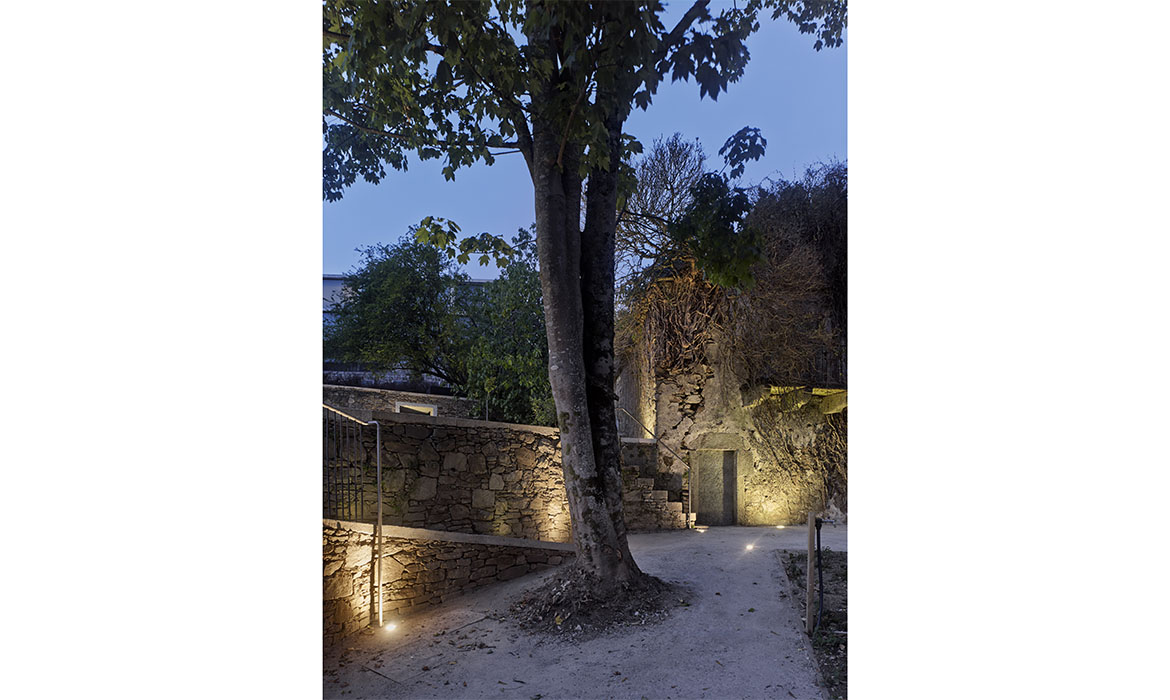
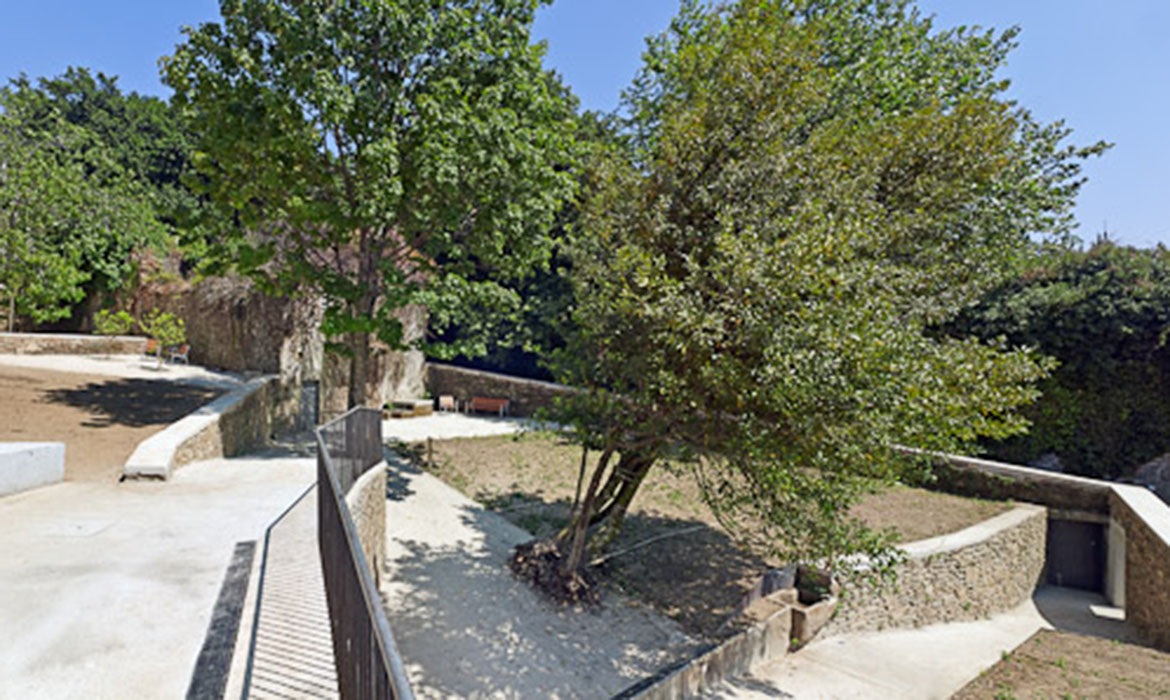
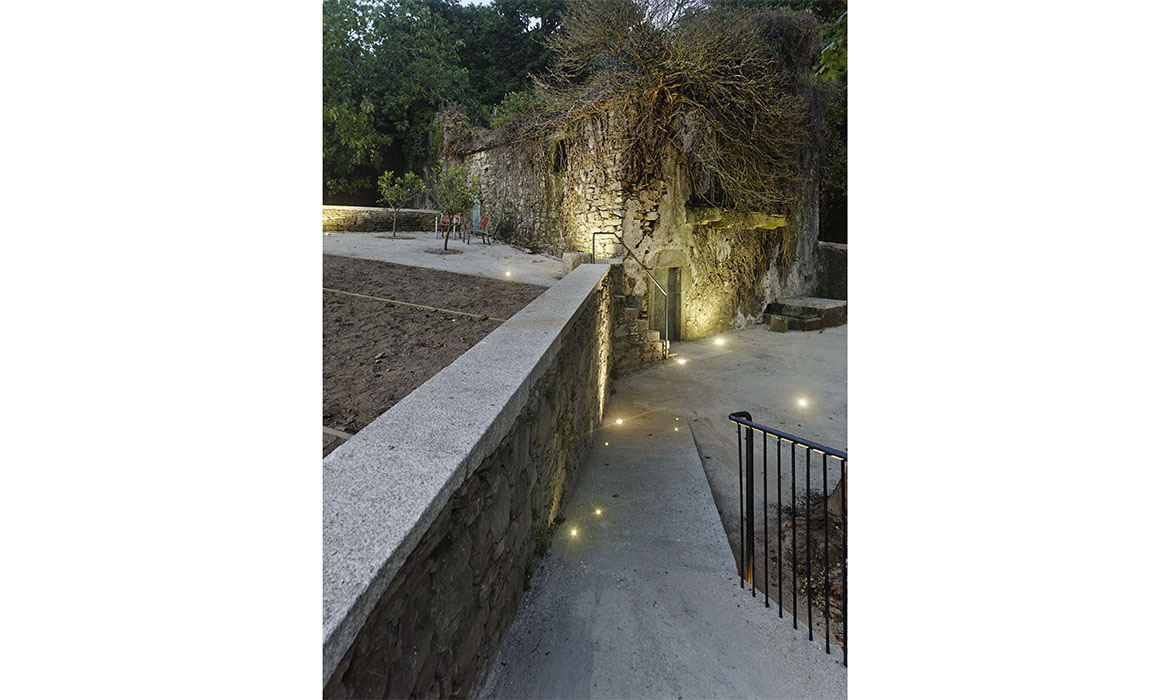
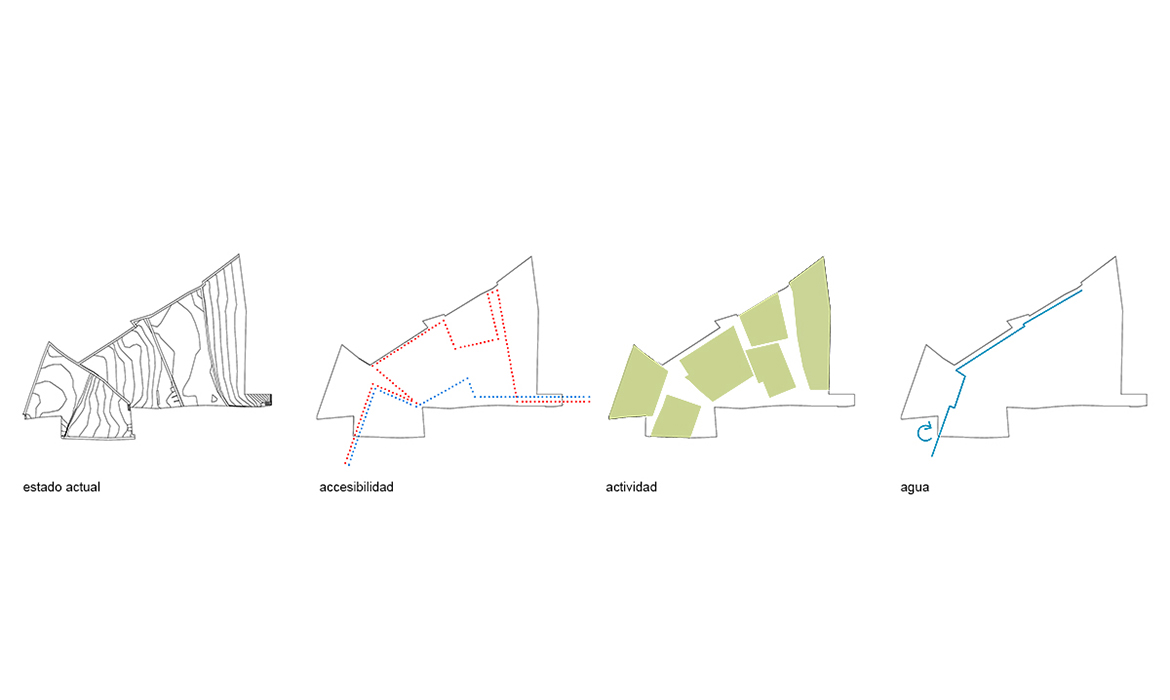
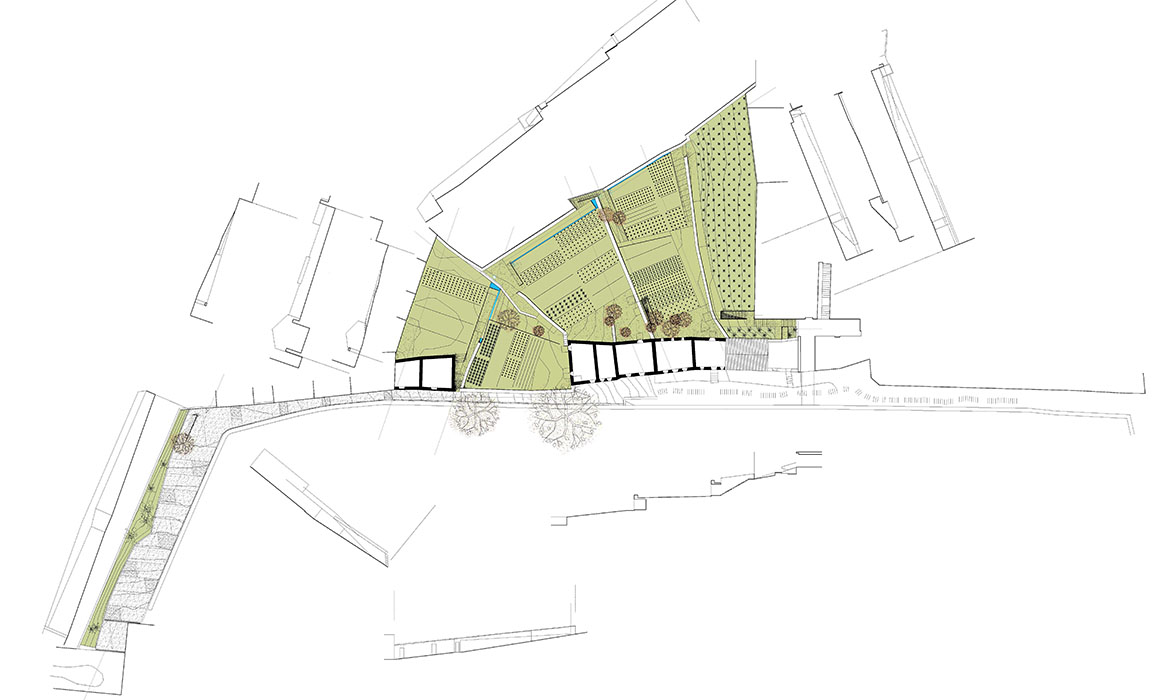
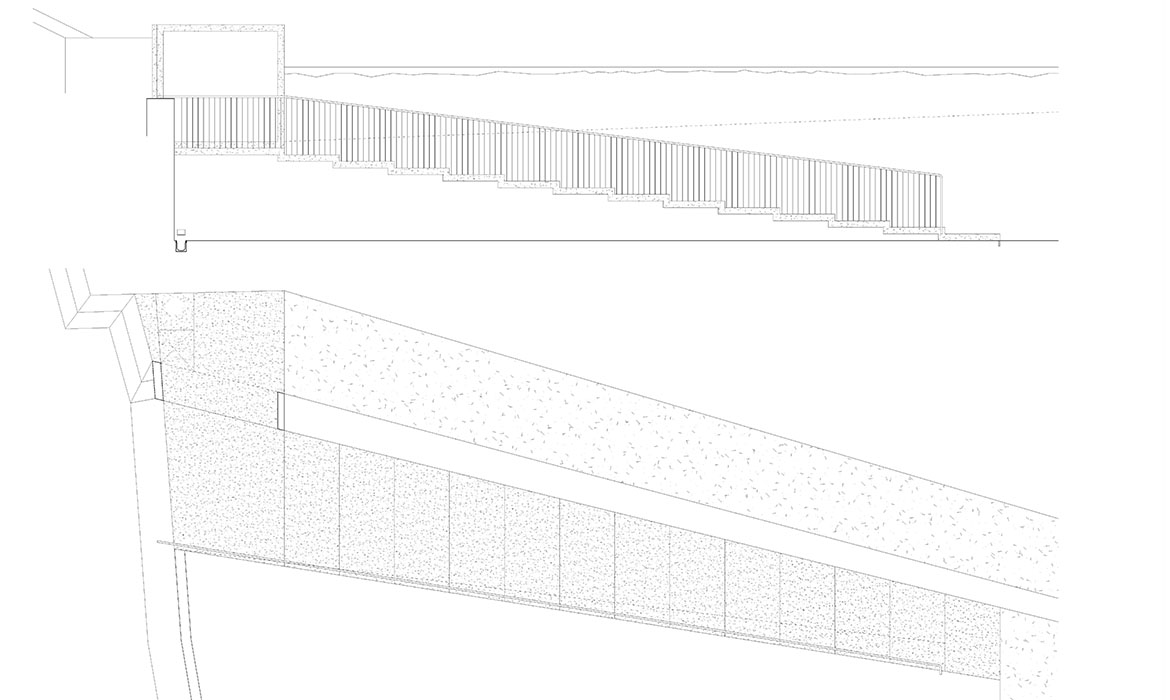
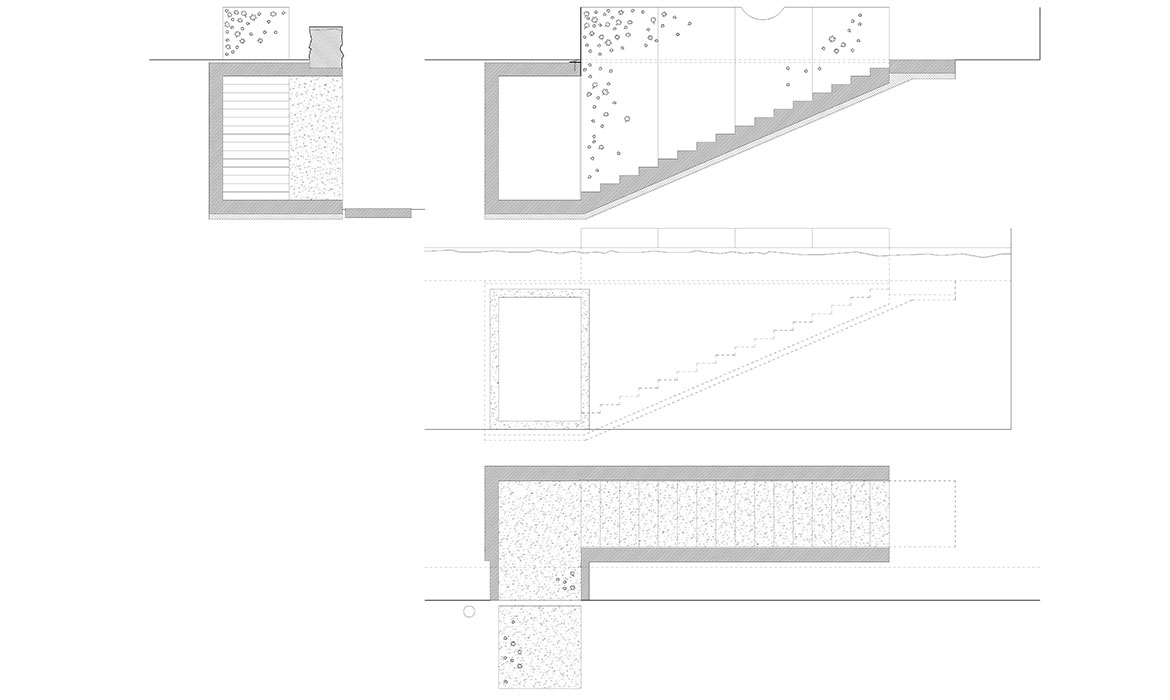
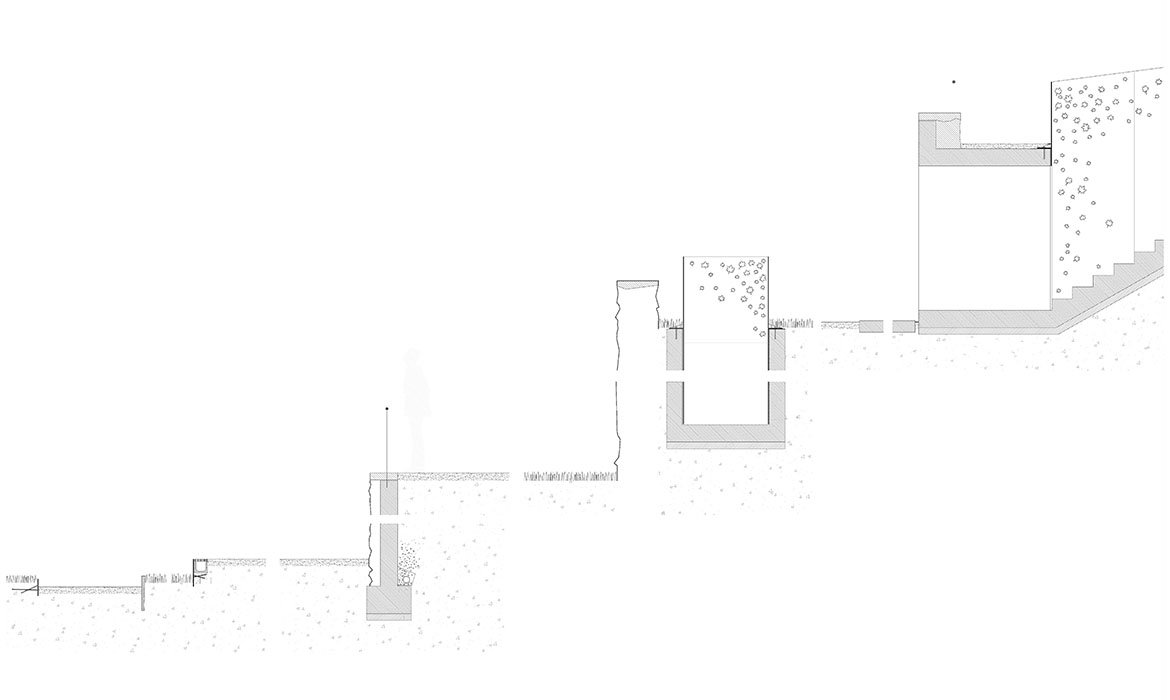
First of all, we analyzed the slope to favour the connection and accessibility among the six different platforms. Due to the space we could design ramps to connect the lowest of these platforms and low lying steps between the highest two. We can call this the long walk. We also designed a short, and quick, walk, close to the ruins. In some strategic points, between the ramps, or among the trees, or sites with good views, we put benches to rest, or to talk, or to enjoy the Historical City picture. People can even use the old stone walls to seat on.
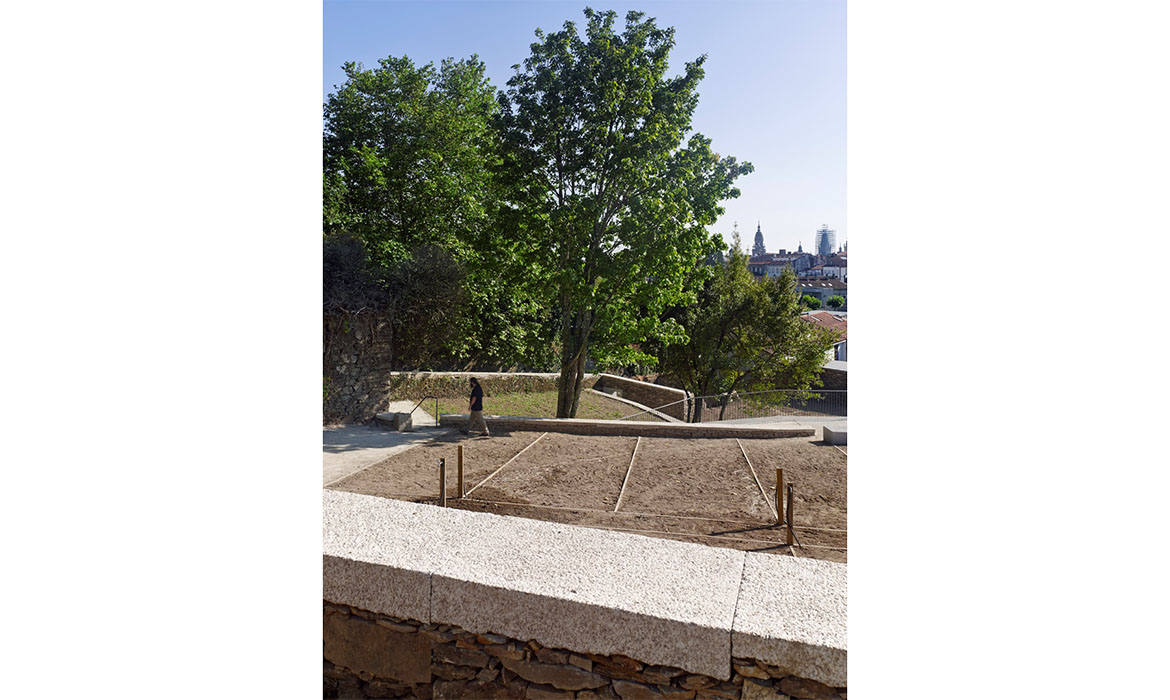
However, the maintenance of a park can be expensive sometimes. If we introduce other uses or opportunities, citizenship can collaborate with this maintenance. If we look into the site history we can recover the old allotments and bring them back to the present. In fact these plots were the kitchen gardens of the old houses in the current ruins. The neighbourhood can use these allotments and collaborate in the maintenance of the plot. We improve the connection and accessibility between both of the neighbourhoods. We also allow them get better and well known fresh food while they do exercise. We design a place where they meet, a secure place easy for the elderly or disabled to use. The allotments are close to the school so children can learn hands on.
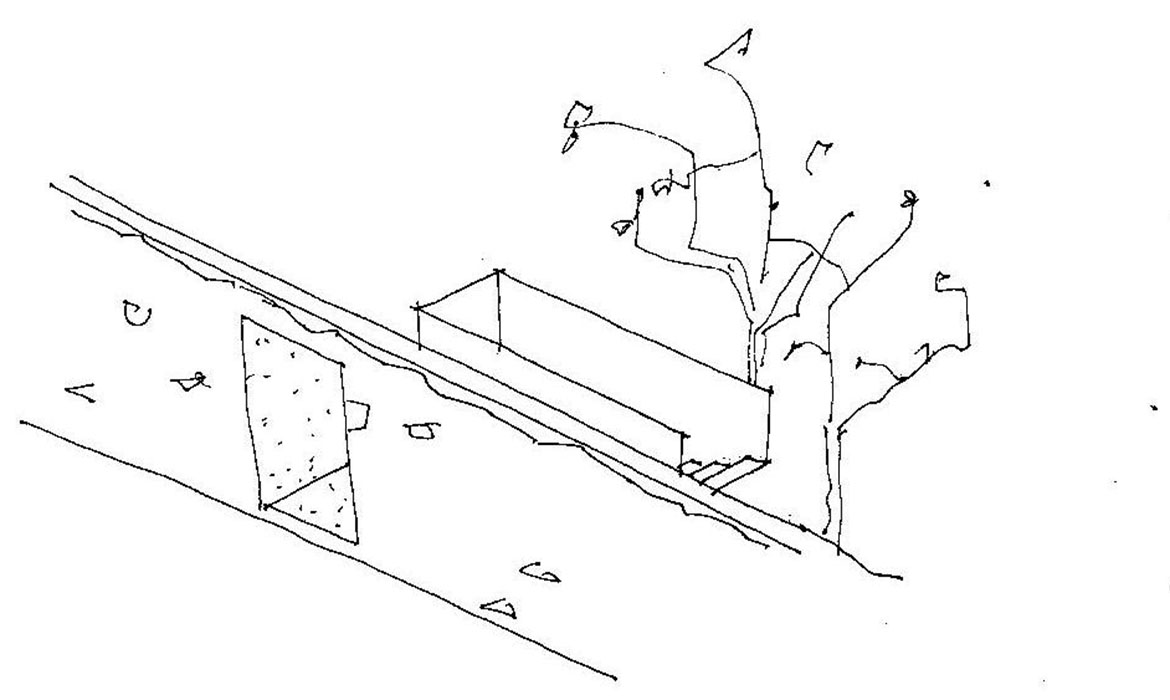
We restructure and purge the land, and reuse the old stone walls. We also recover the old wells and make a watercourse. At the end of this watercourse we will recycle the water. We reduce consumption of materials and energy in the redevelopment of the site. We allow people to reuse the organic rubbish near the place where it is produced. Waste reduction runs throughout the complete life cycle of the project. We practice reduction of the carbon footprint and food miles. The intervention promotes a healthy and balanced environment.
Is there anything more sustainable than a site which cares for itself?
Accessibility plus activity lead to sustainability and give us a better quality of life.
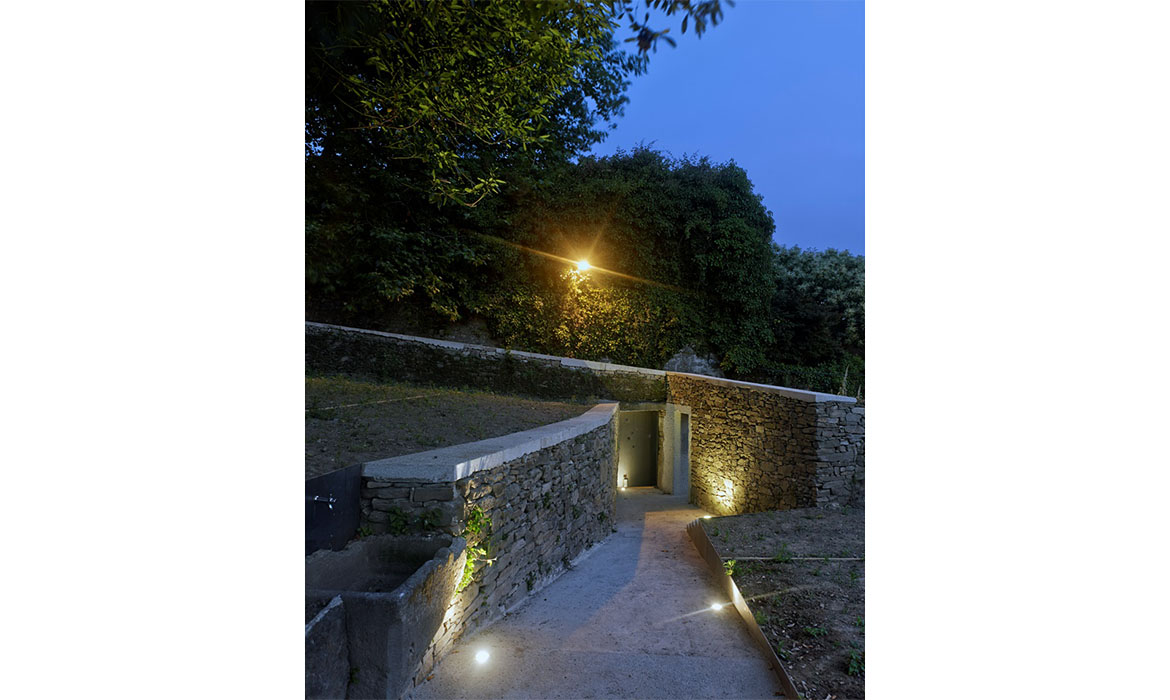
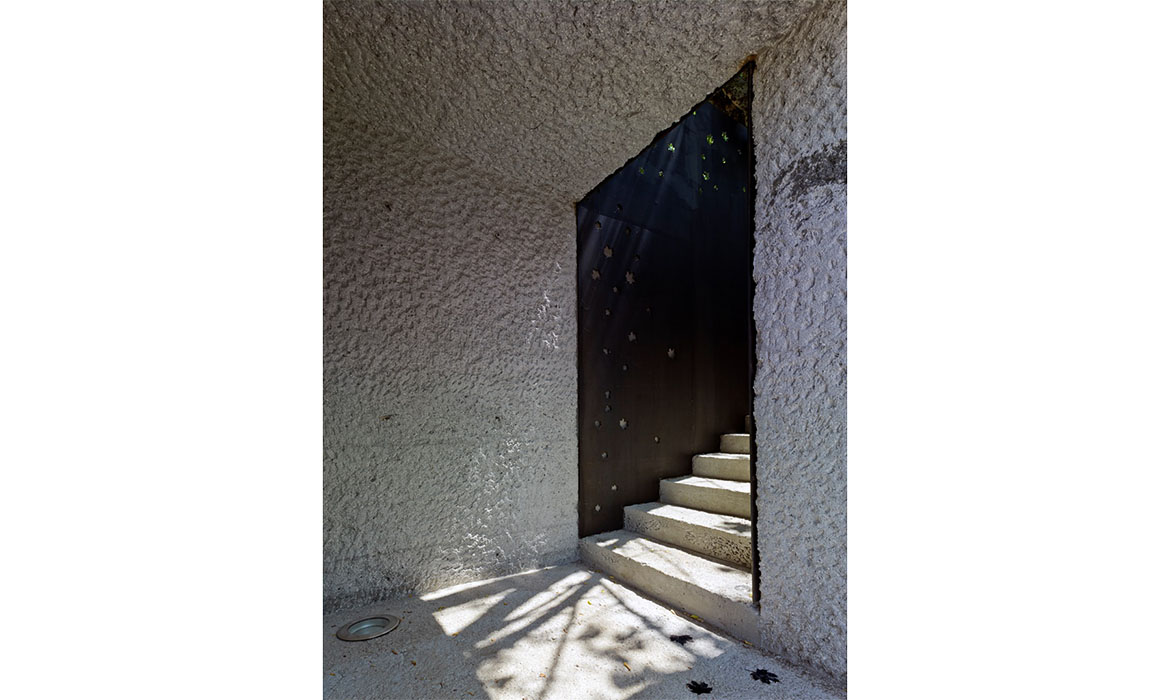
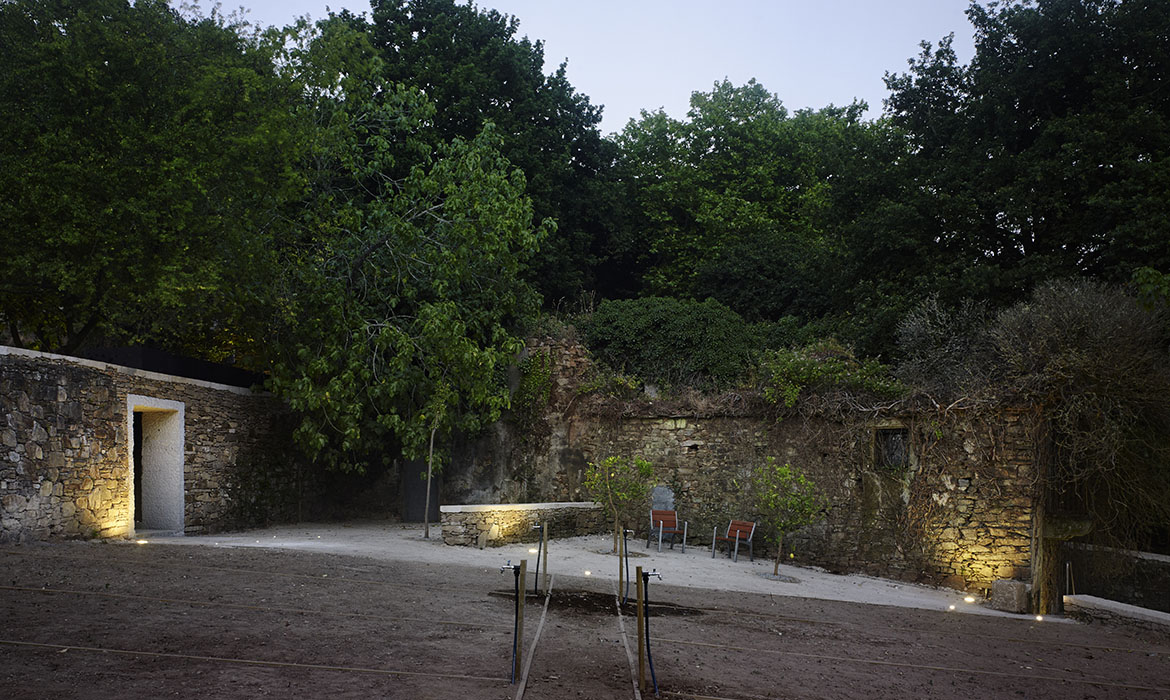
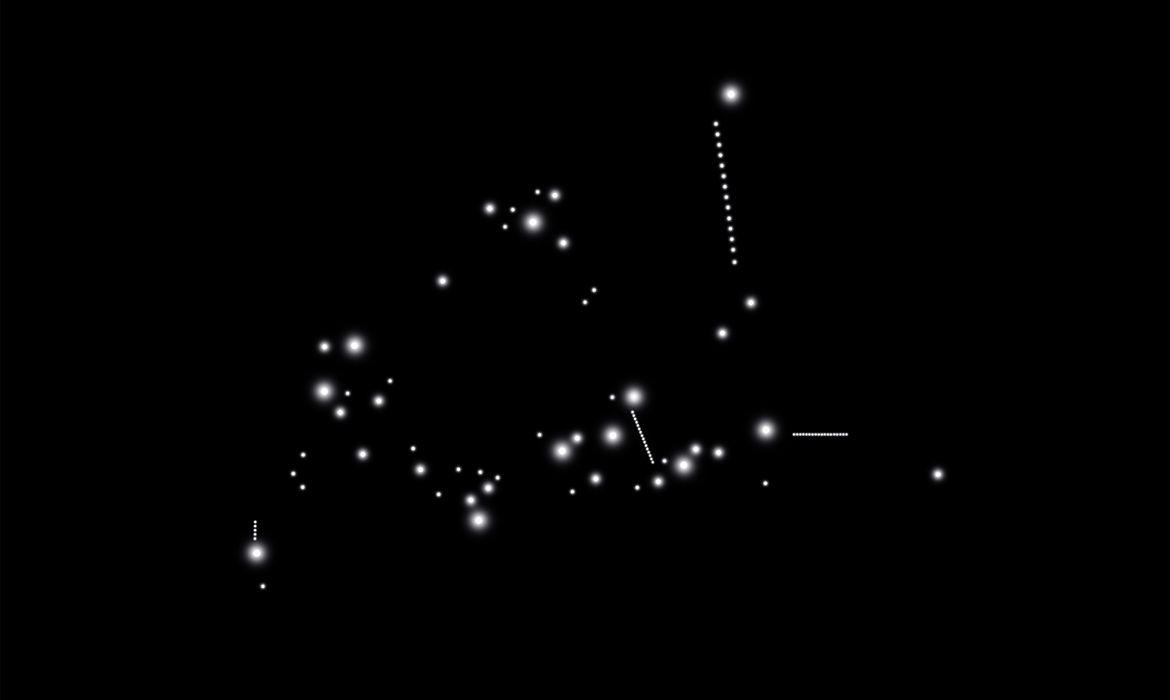
And we illuminate the plot as if we were in the fantastic “Campus Stellae”, with several types of embedded lights in the ground. Some people say that the name of the city proceeds from the Latin “campus stellae”,..
We use stone in some of the walls, concrete in other walls and some pavements, and earth in other pavements. And we also use orchards, and onions, and lettuces, and carrots, and…
Timeline:
2013 - 2015
Construction