Centro culturale “le Creste”
Credits
Client
Comune di Rosignano Marittimo, Livorno
Collaborators
Area Progetti
Authors
Area Progetti, UNA2 architetti associati
Arch. A. Michelini
Arch. L. Ceccarelli
Golder associates
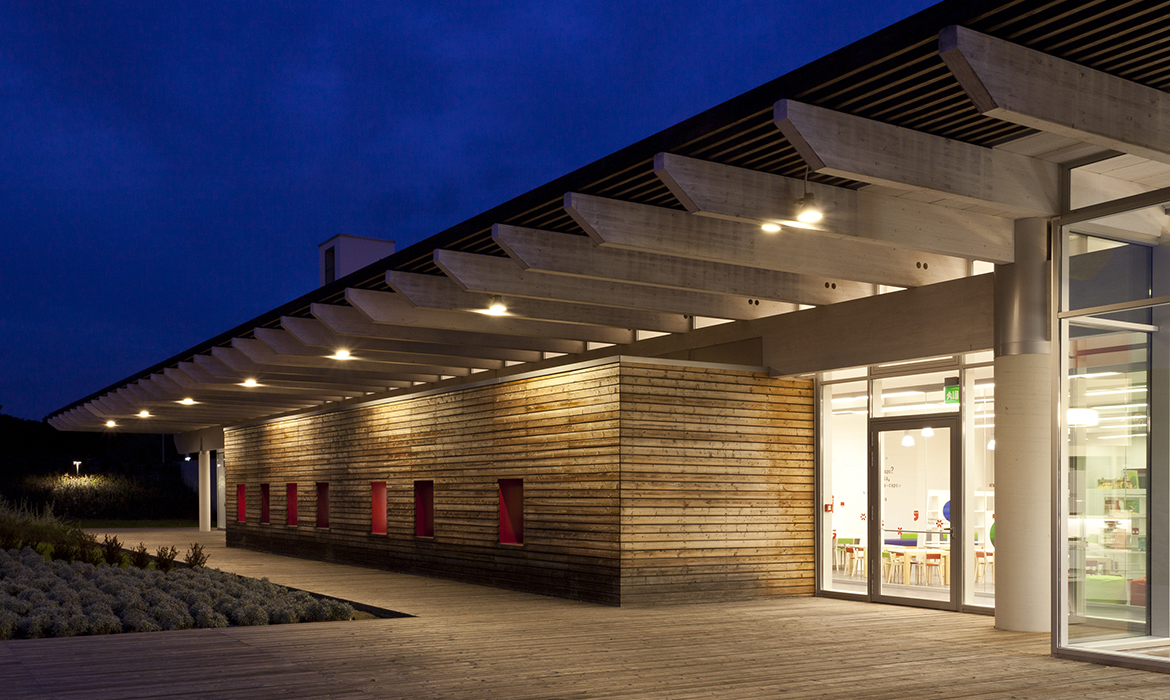
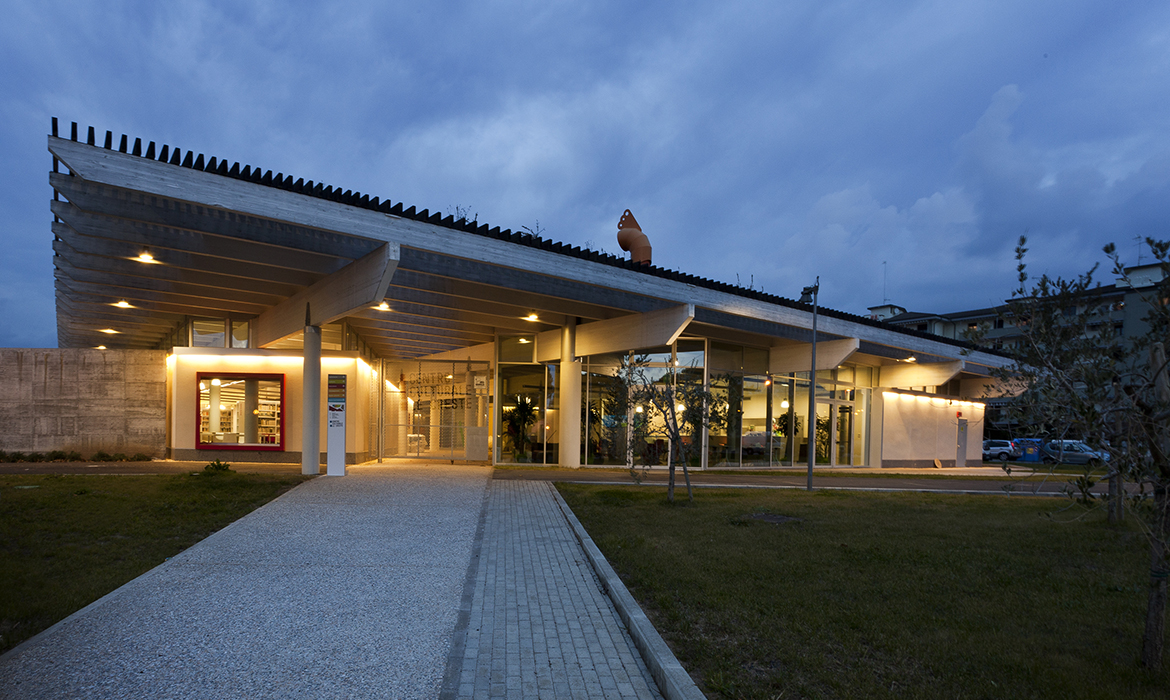
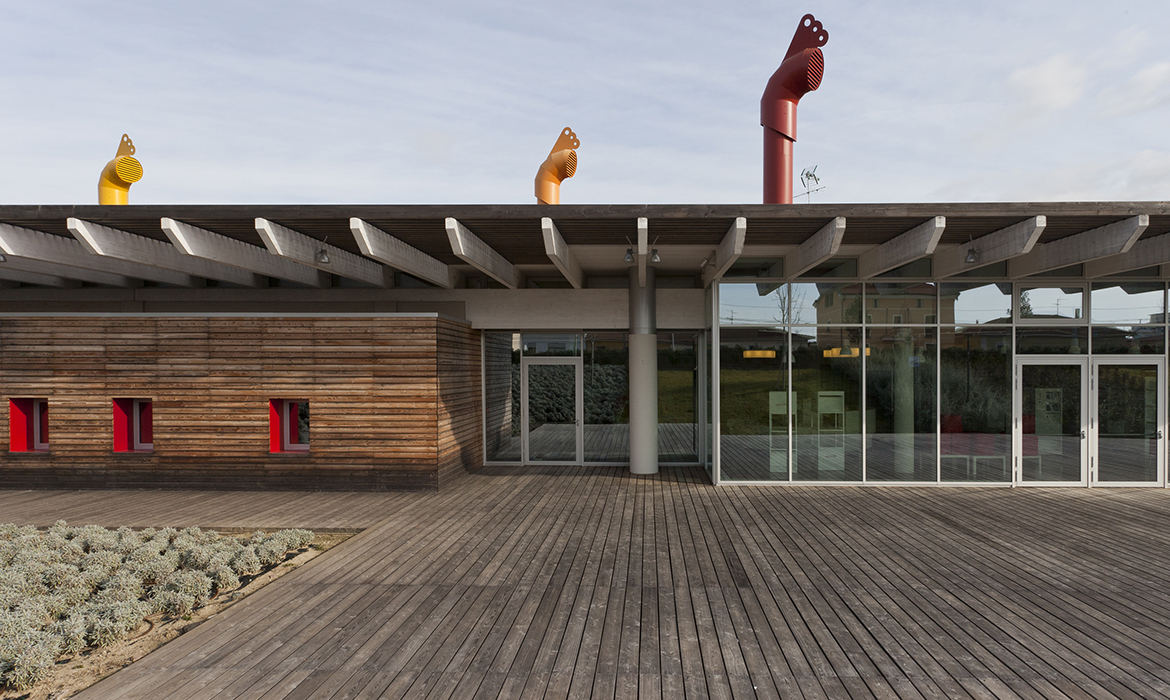
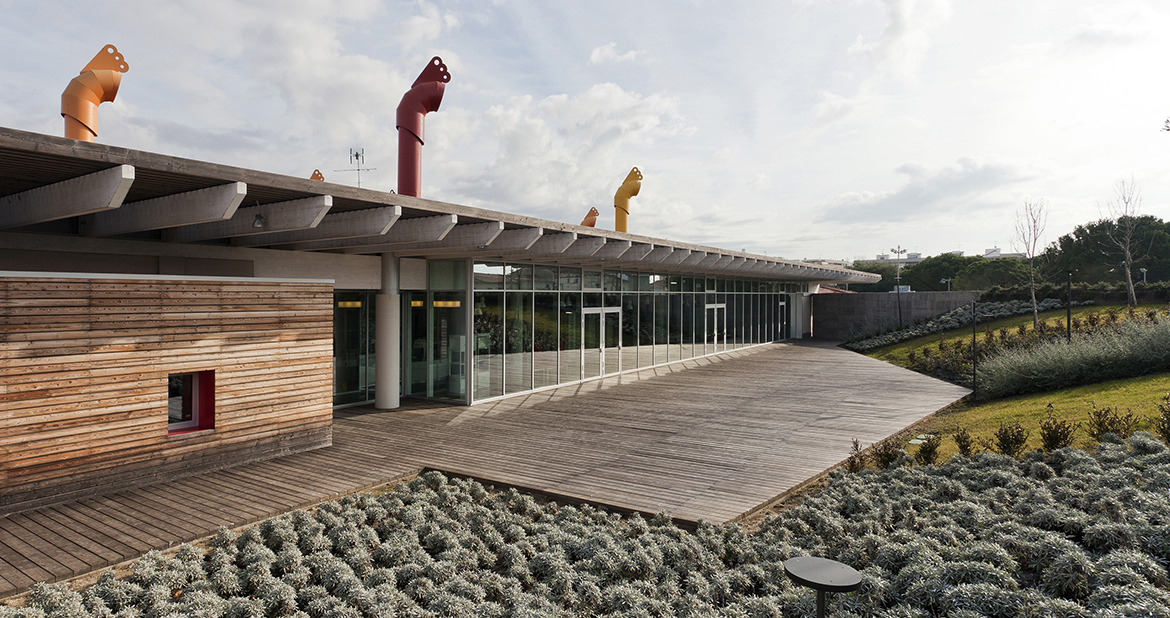
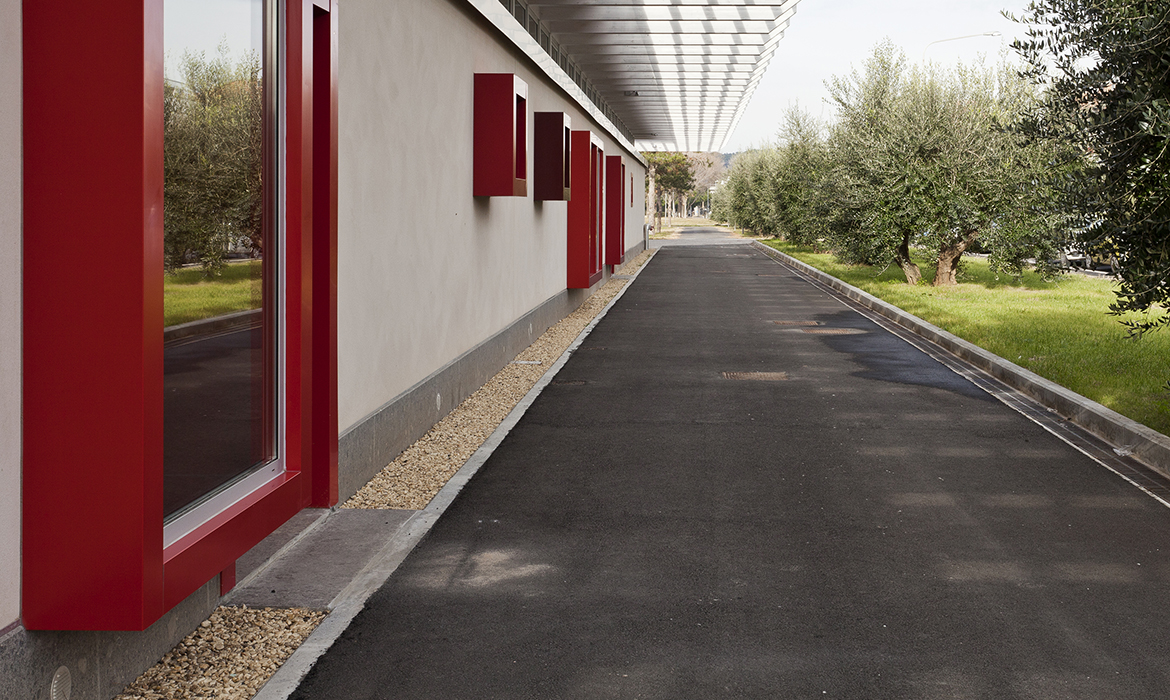
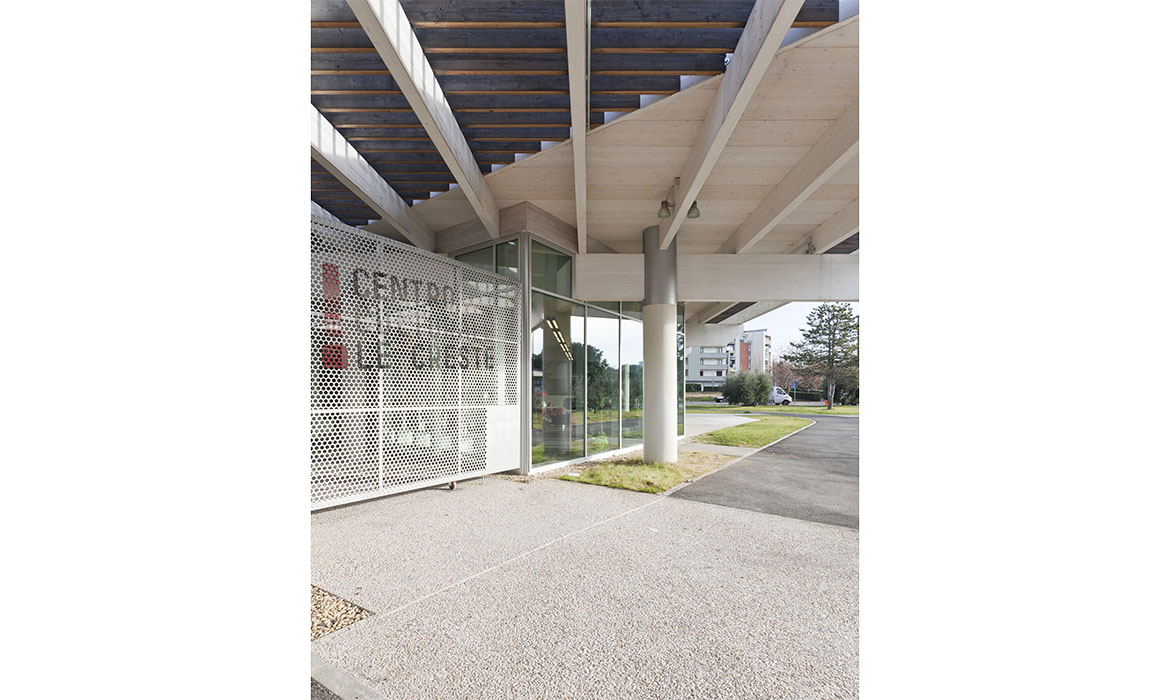
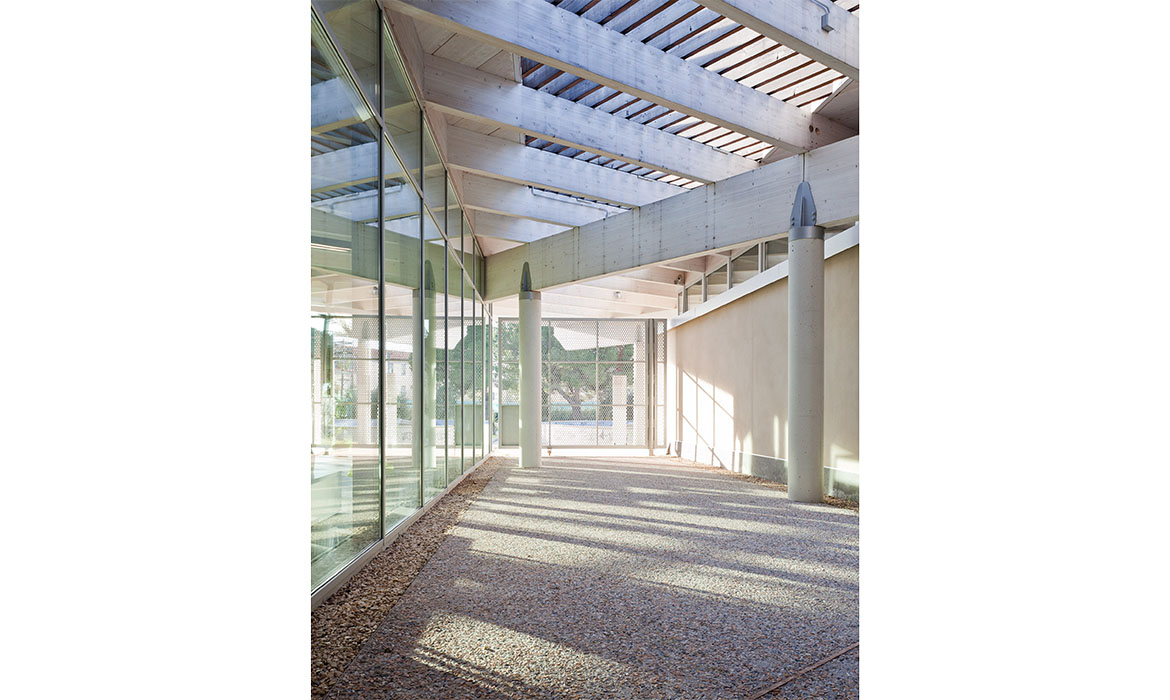
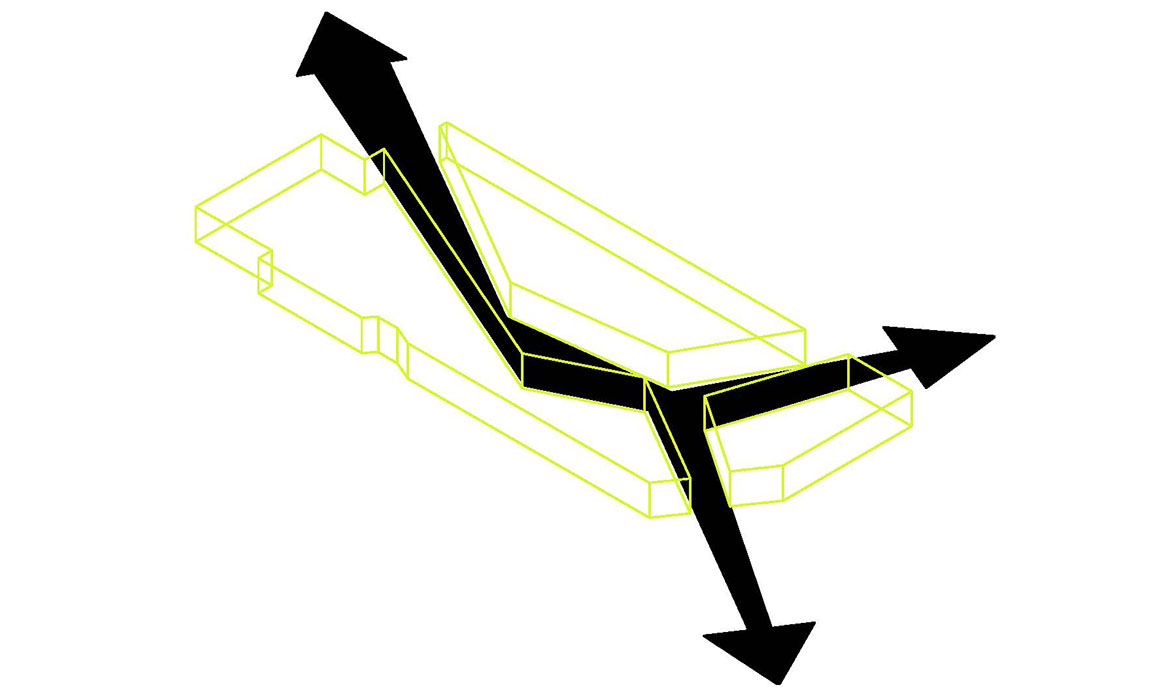
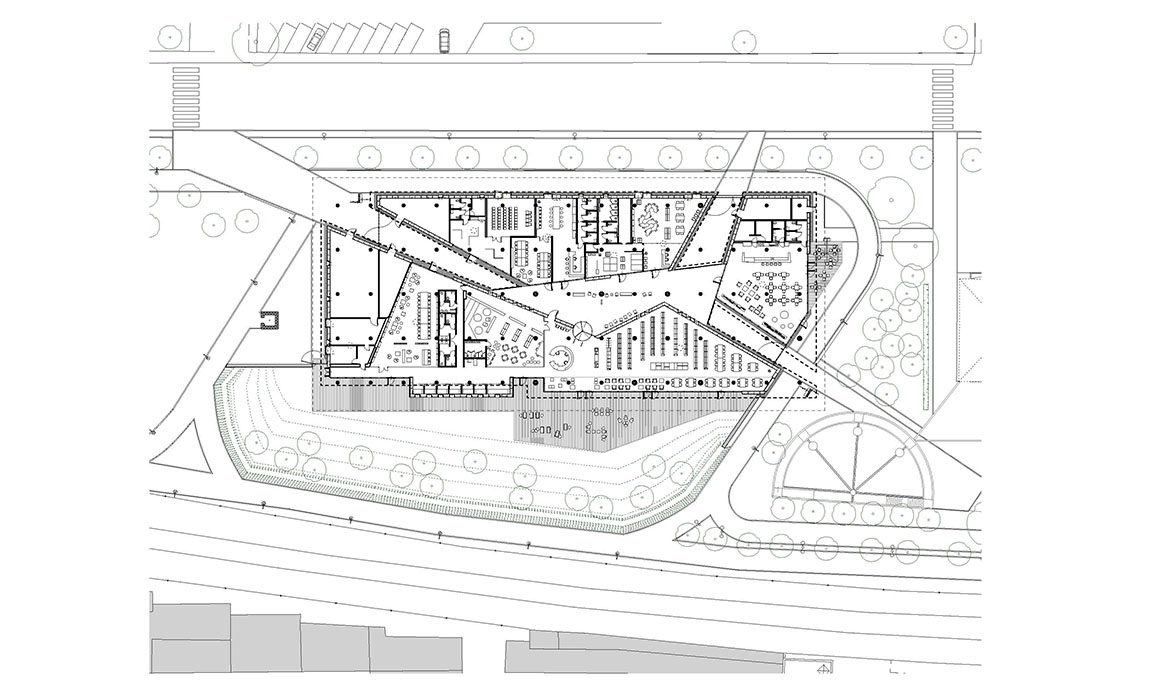
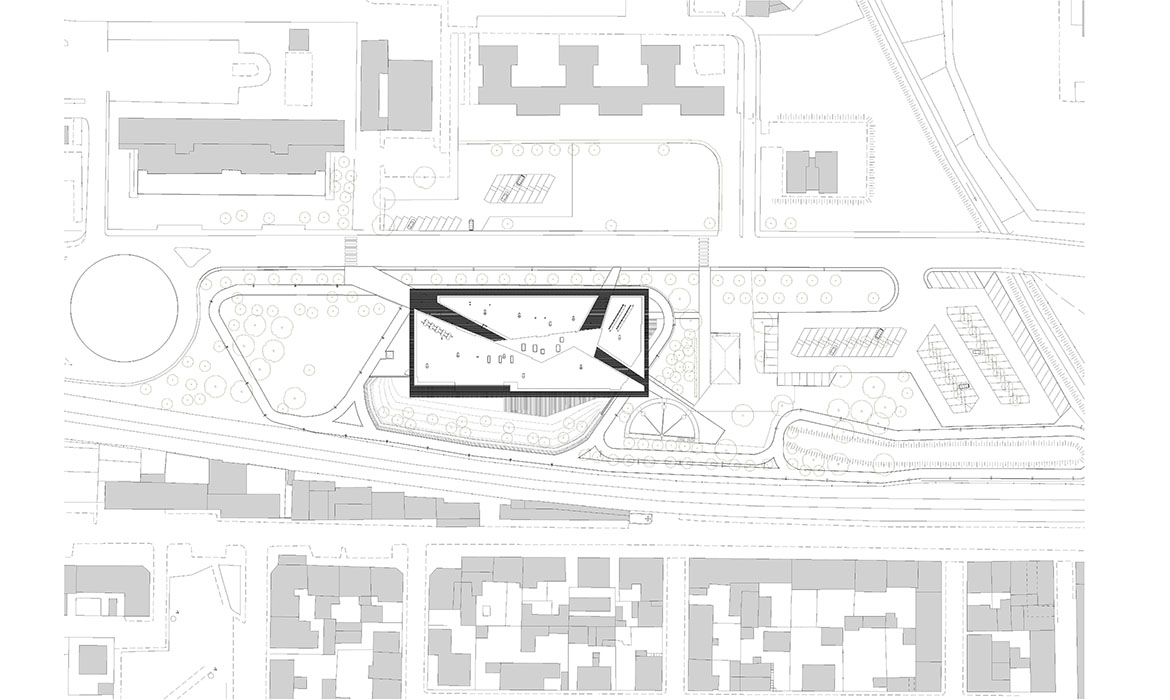
The cultural centre is a flat, single – storey building crossed by a covered pedestrian walkway, which leads to the train station underpass functioning as an important link in the urban road network.
Tecnical drawings:
Extended report:
Relazione estesa
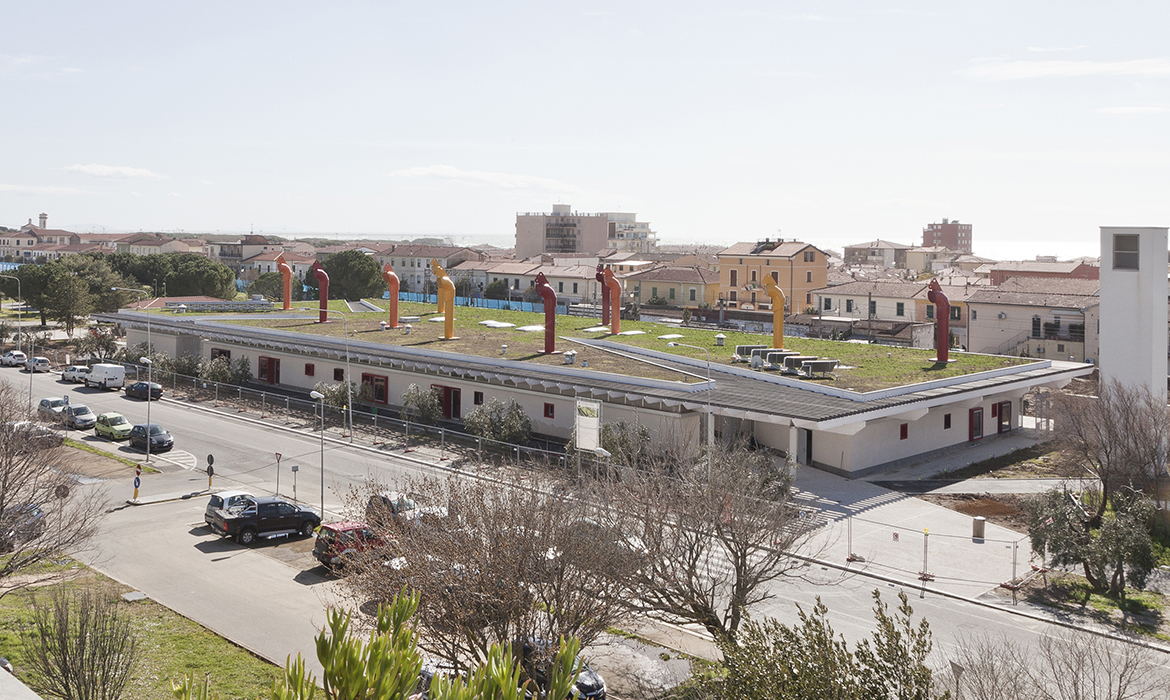
The cultural centre is a flat, single – storey building crossed by a covered pedestrian walkway, which leads to the train station underpass functioning as an important link in the urban road network.
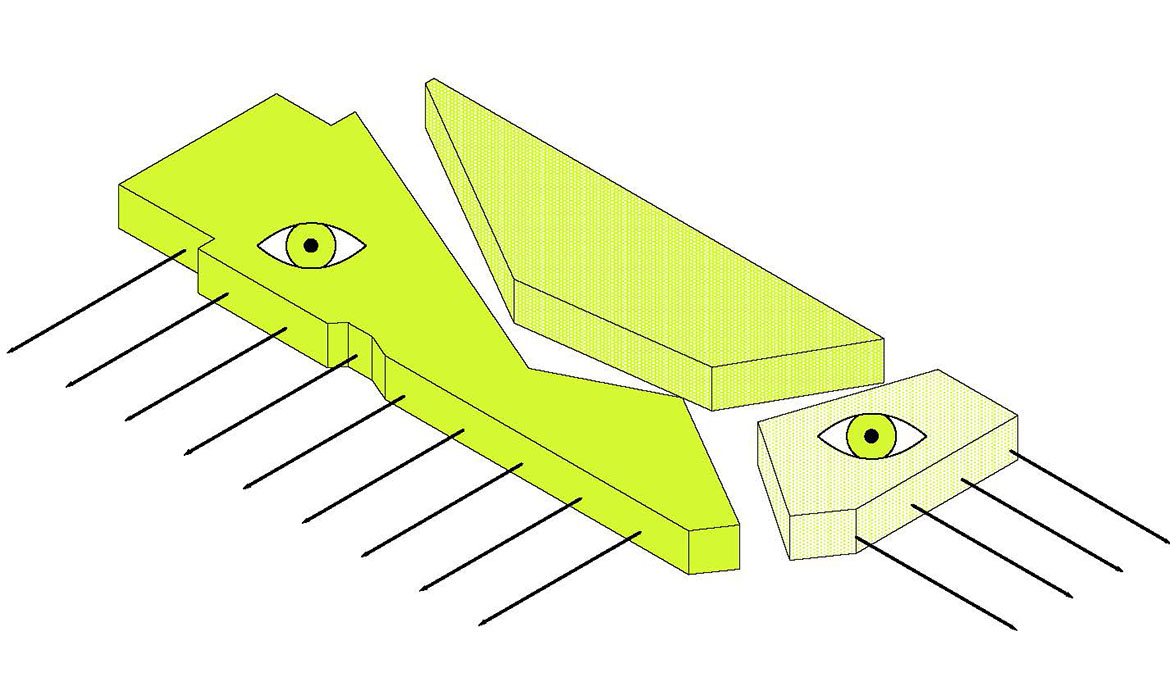
The building is divided into three distinct blocks arranged along a walkway, used by those going to the library and those on their way to the nearby underpass. The layout ensures that all the areas face onto the walkway.
Following the underpass, on the right is the cafeteria/newspaper library; where the path widens it opens onto the library; it then leads to the play room, youth information centre and the multi – purpose area.
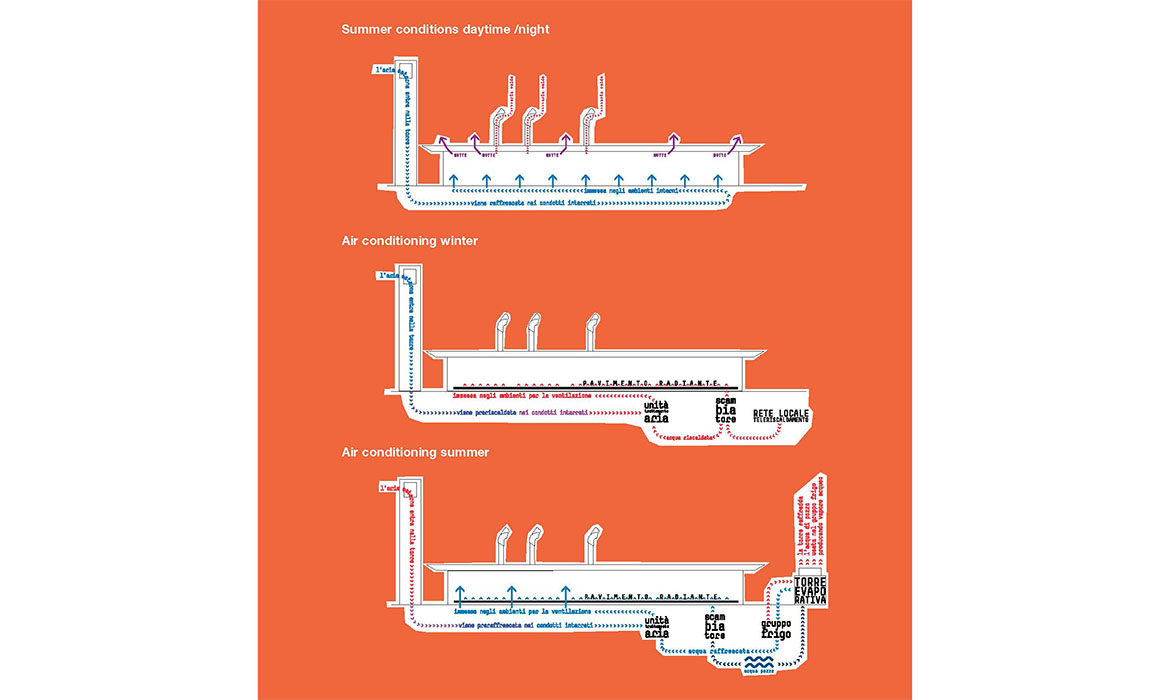
The design makes use of innovative technologies in order to improve the energy performance of the building. The choices made includes high performance envelope components; natural ventilation systems; underground conduits for preheating the ventilation air in winter and its cooling in summer; solar thermal collectors using water for the production of domestic hot water ; a photovoltaic system; a monitoring and control system to control the plant systems and the building systems.
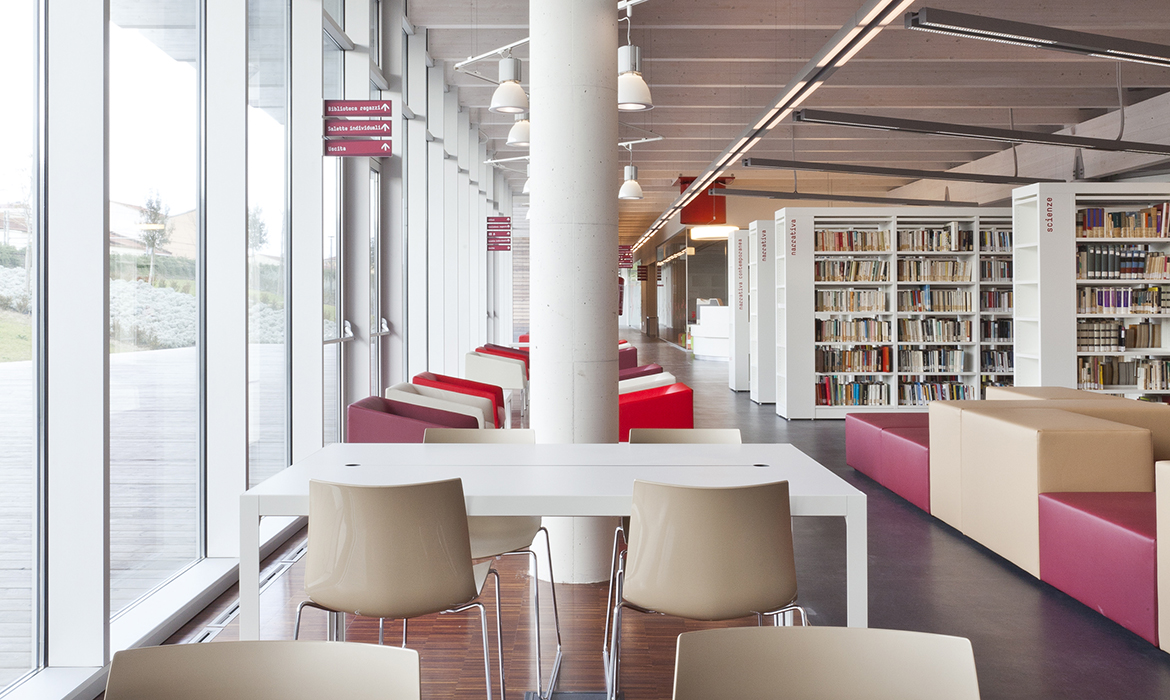
The exploitation of natural light contributes to energy saving through the use of a lighting system equipped to automatically control the light intensity depending on the intake of natural light.
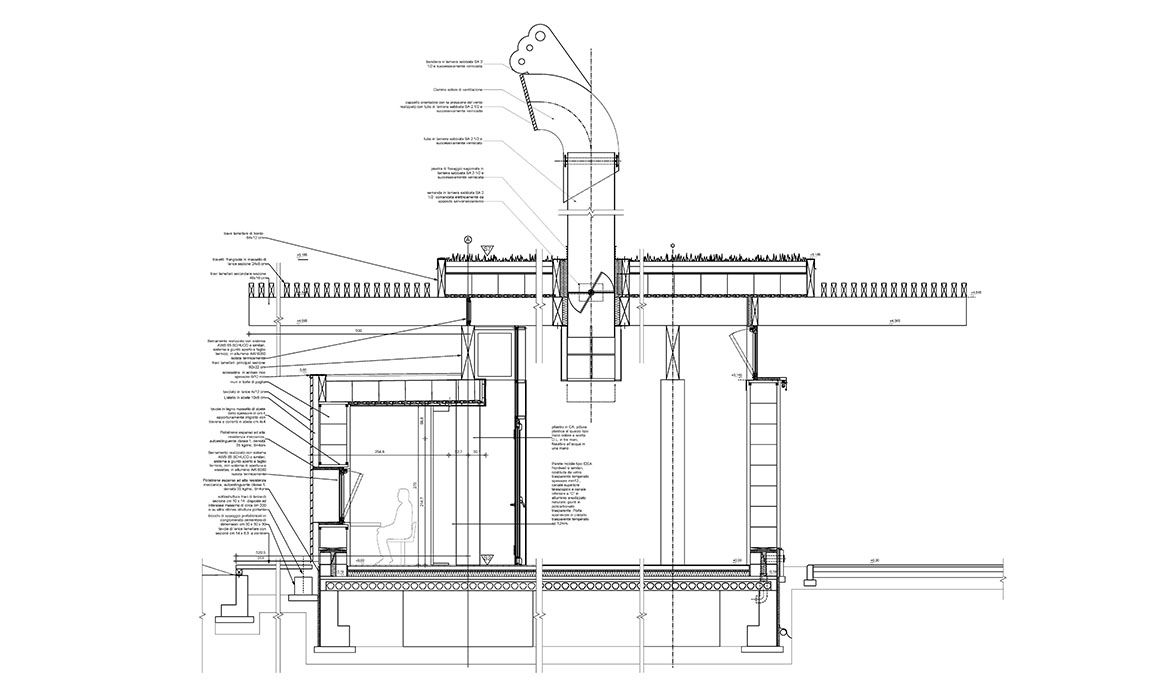
The building has a load bearing structure comprised of reinforced concrete circular pillars and roof with a double frame of glulam beams and wooden planking above.
At foundation level there are a series of underground channels for the natural ventilation of the building.
This network of primary channels is connected to a secondary channels of various sizes, which distribute air to the outlets located In the rooms.
The underground channels, made of reinforced concrete, also act as a support for the pre – stressed hollow – core floor elements. The infill walls are all constructed with pressed straw bales that guarantee to the building tremendous heat protection and a plesant internal climate.
An extensive non – walkable roof garden has been created on the roof.
This choice allows high thermo physical performances as well as providing an effective contribution by reducing fine particles in the atmosphere and greenhouse gases.
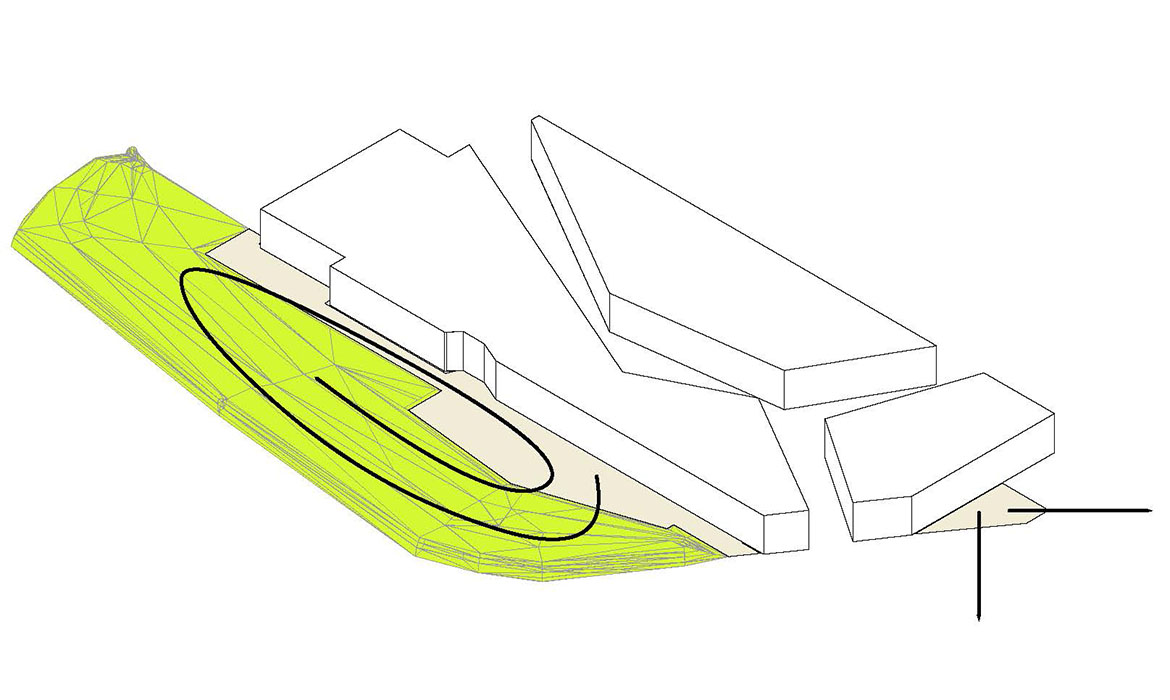
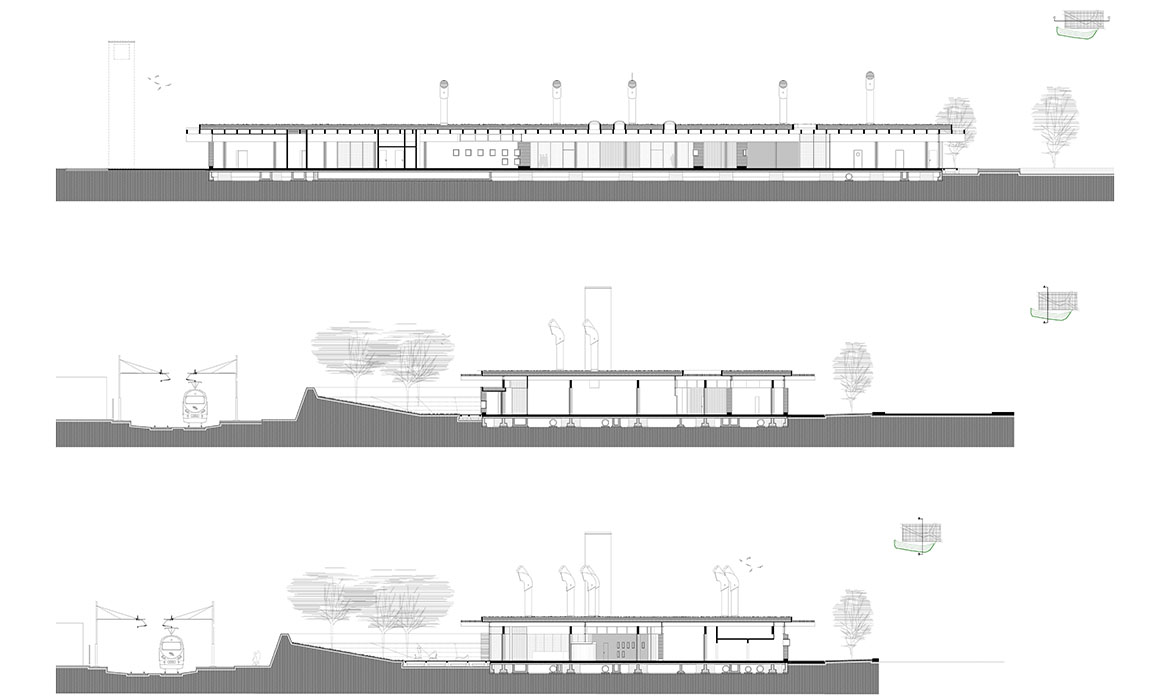
The garden of the library is delimited on the railway side by a dune made of reinforced earth, 3.20 metres high, which has the twofold function of enclosing the outdoor reading area and protecting the indoor activities of the library from railway noise.
The garden, which slopes from the reinforced earth down to the external wooden paving, was made using waste material from the excavations and planted with species that bloom at different times throughout the seasons.
Passive cooling mainly focuses on the application of techniques for the natural ventilation of the rooms. The aim was to maximize the entry of natural airflows inside the building: the natural ventilation system is comprised of a wind tower and a system of solar chimneys arranged on the roof so as to serve the greatest numbers of rooms.
Timeline:
2007
Concorso
Febbraio 2008-Marzo 2009
Progetto
Gennaio 2010
Inizio lavori
Dicembre 2013
Fine lavori