Award: Sustainable Architecture Award

The environmental strategy developed as part of our ongoing reflections about the nature of cities, and it had an early impact on the project, not so much because we needed to satisfy certain regulatory criteria, rather because we wanted to merge a desire for architecture with sustainability, with an eye to savings and to known or contingent uses.

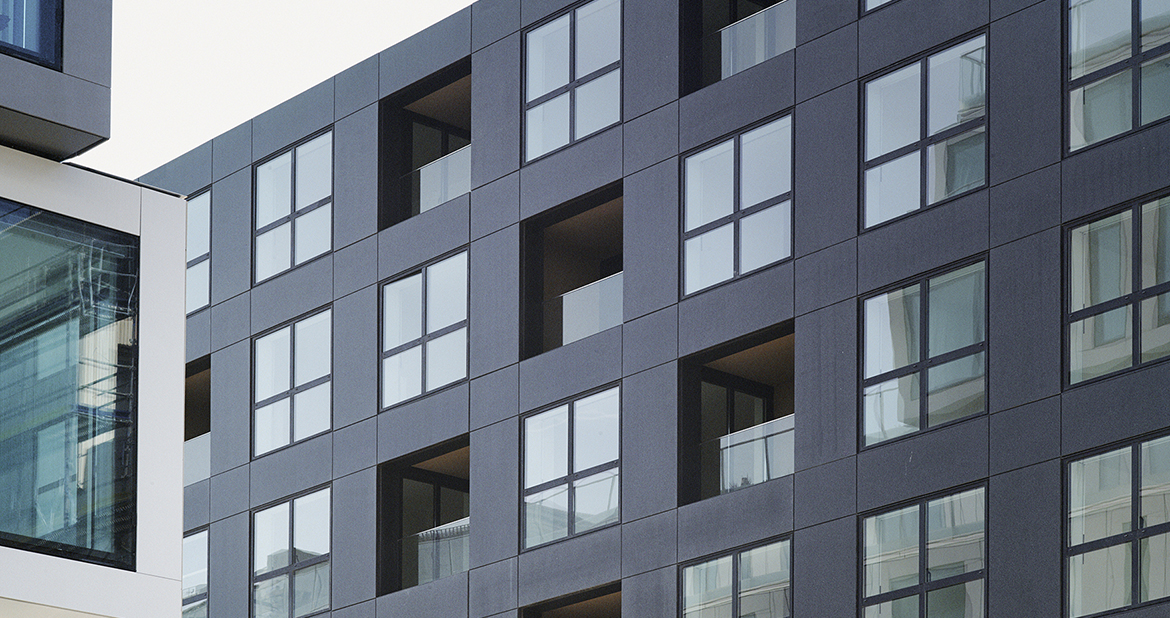
Our proposal pays homage to Paris by employing an architecture that inserts itself into the city’s own logic, but which also responds to current and future challenges. 
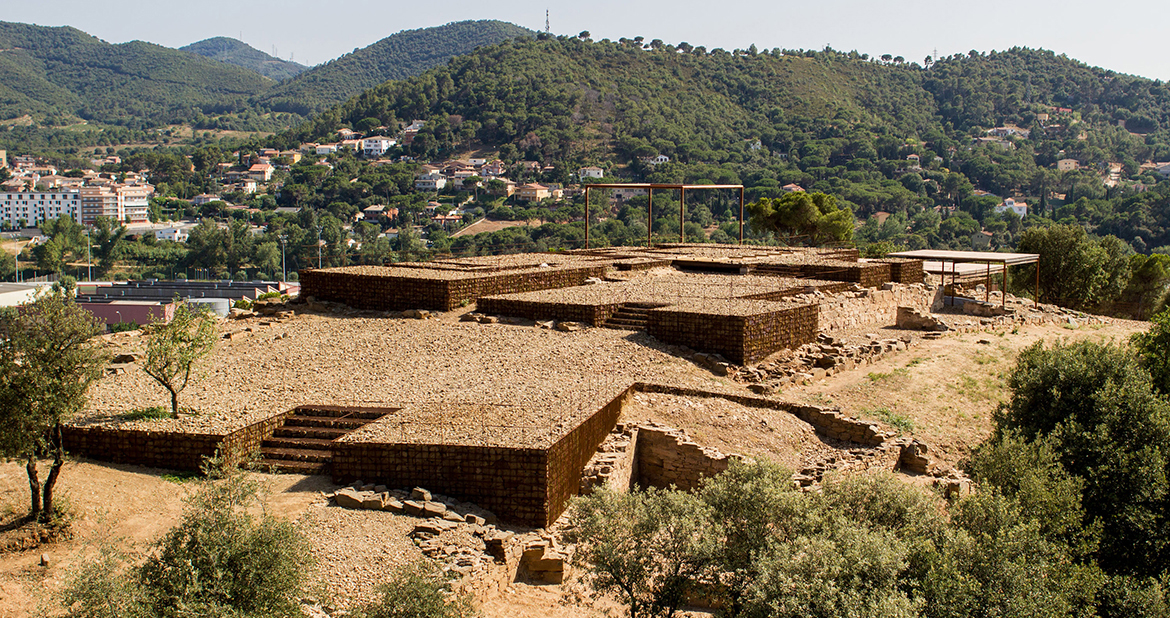
The archaeological Roman site of Can Tacó is settled in “Turó d’en Roina”, facing south and 50 meters above the point where the rivers Congost and Mogent meet, at the birth of the river Besòs and 20 km far from its confluence with the Mediterranean sea.

This place is part of the mountain range named “els Turons de les Tres Creus”, a natural place that keeps the biodiversity in a highly fragmented metropolitan area. This particular situation arises the need of addressing the refurbishment naturalistically and the archaeologically.

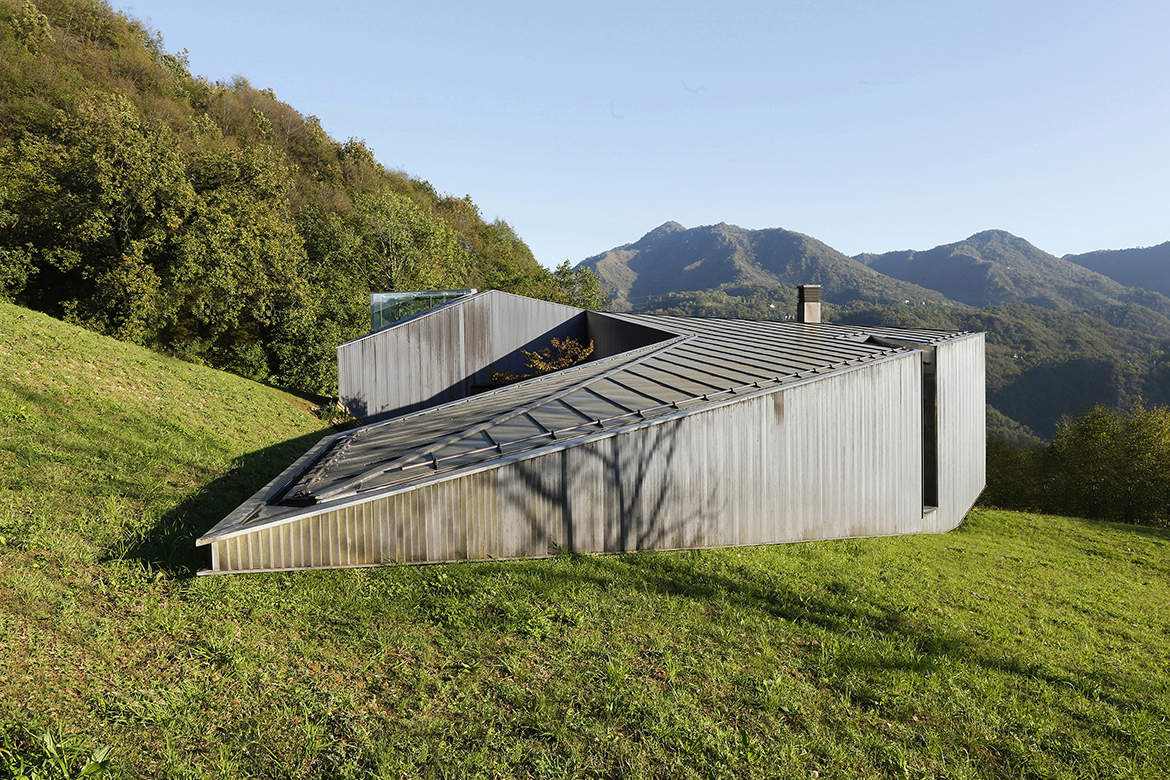
The house stands on a clearing in the trees, 700 meters above sea level, close to the “Passo del Cavallo”, next to a road that connects Trompia Valley and Sabbia Valley on a steep slope. The landscape is characterized by an open valley to the south and a frame of green mountains with peaks of dolomite rock to the north.

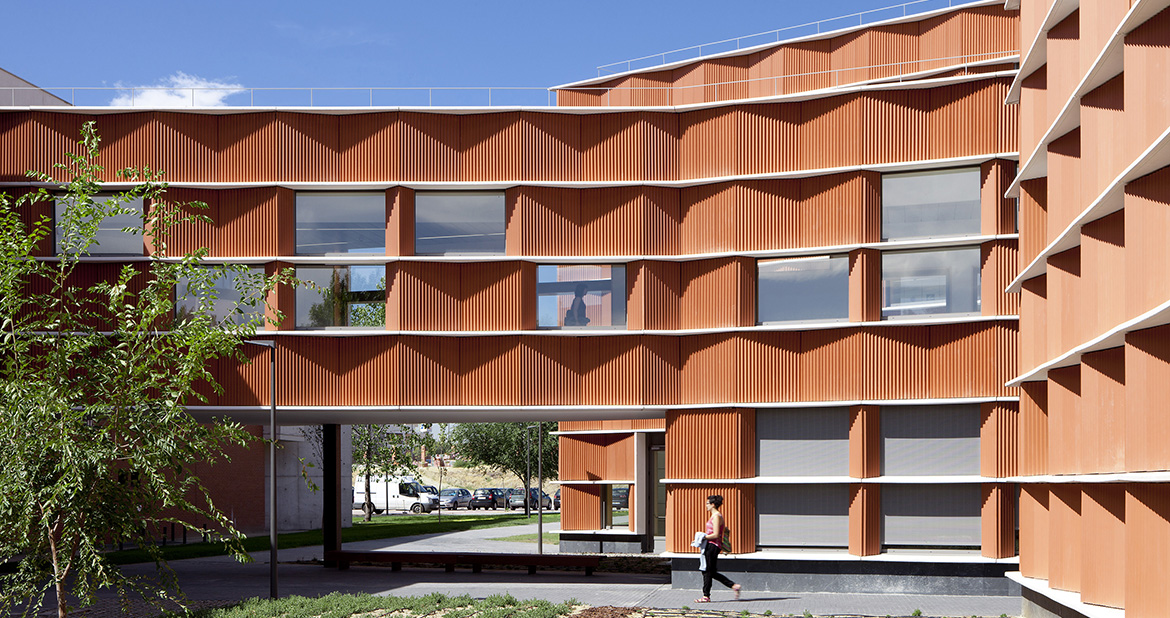
The building Carmen Martín Gaite is the first one of the Getafe Campus extension of the Madrid Carlos III University. Its design is sustained on the engagement with innovation and sustainability, as well as on the conviction that these two go hand in hand.

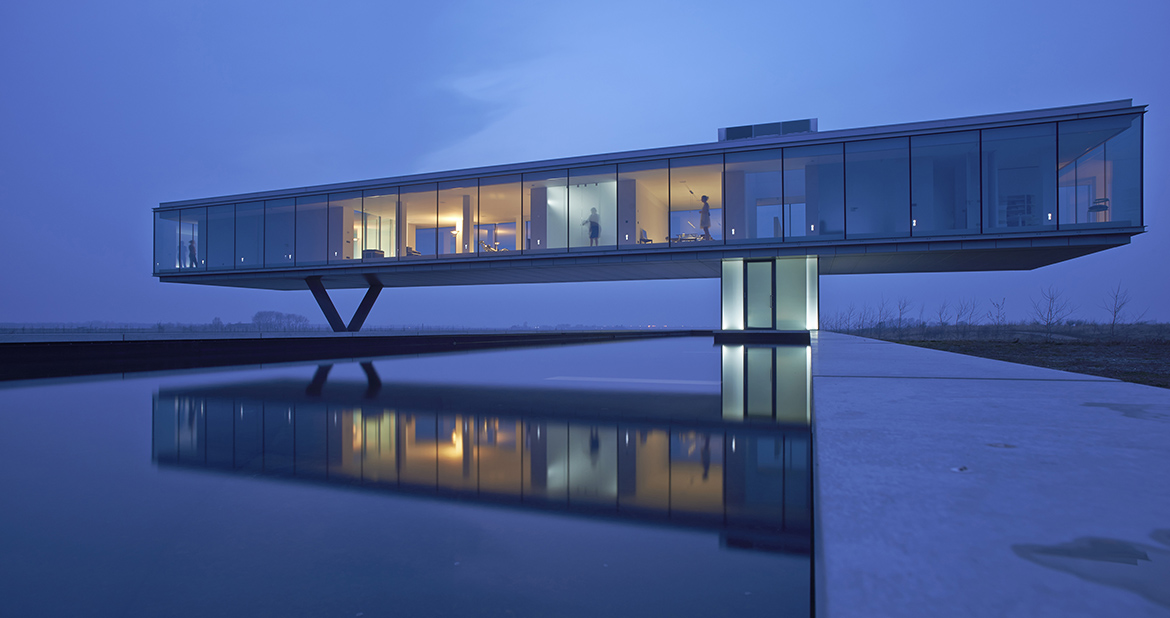
Villa Kogelhof: harmony between architecture and landscape

The abstract architectural composition of the 715 m2 Villa Kogelhof aims to be non-intrusive, both by minimizing the footprint of its volume in an ecological zone and by being completely self-sufficient.

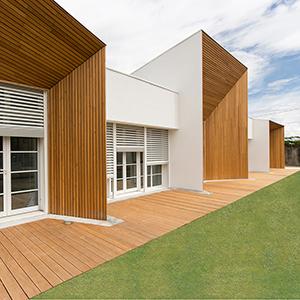
The project is the result of a public competition of the municipality of Cascina in 2010, which object was the building of a new kindergarten. The concept of the project comes from the observation of the landscape where the building is located: hills, slopes and the oblique roofs of the surrounding buildings.

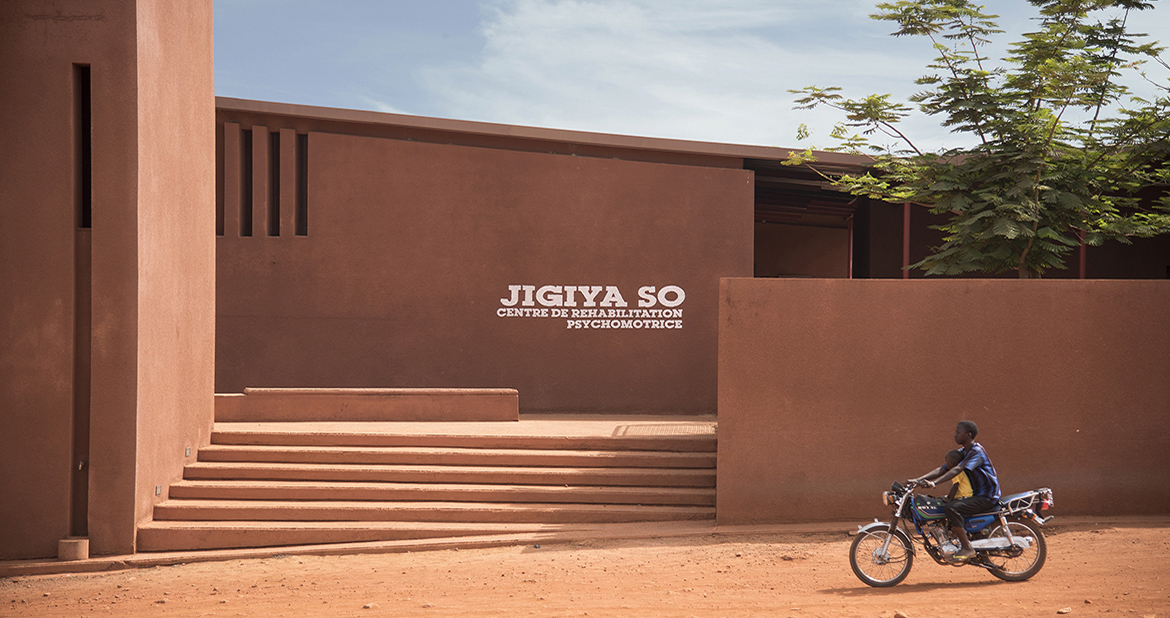
The JIGIYA SO Psychomotor Rehabilitation Center, addresses the issue of disability and its social integration in the booming district of Kati, 20 Km north from Bamako, the capital of the Republic of Mali.  Its main goal is to start a process able to raise awareness about disability, far from being dealt in these areas in West Africa. 

The new head offices of the firm Norvento has a floor area of 4,000 m2 and can accommodate 200 employees. Physically disconnected from electrical and gas networks, it will cover all its energy needs through renewable sources, becoming a zero-energy building.

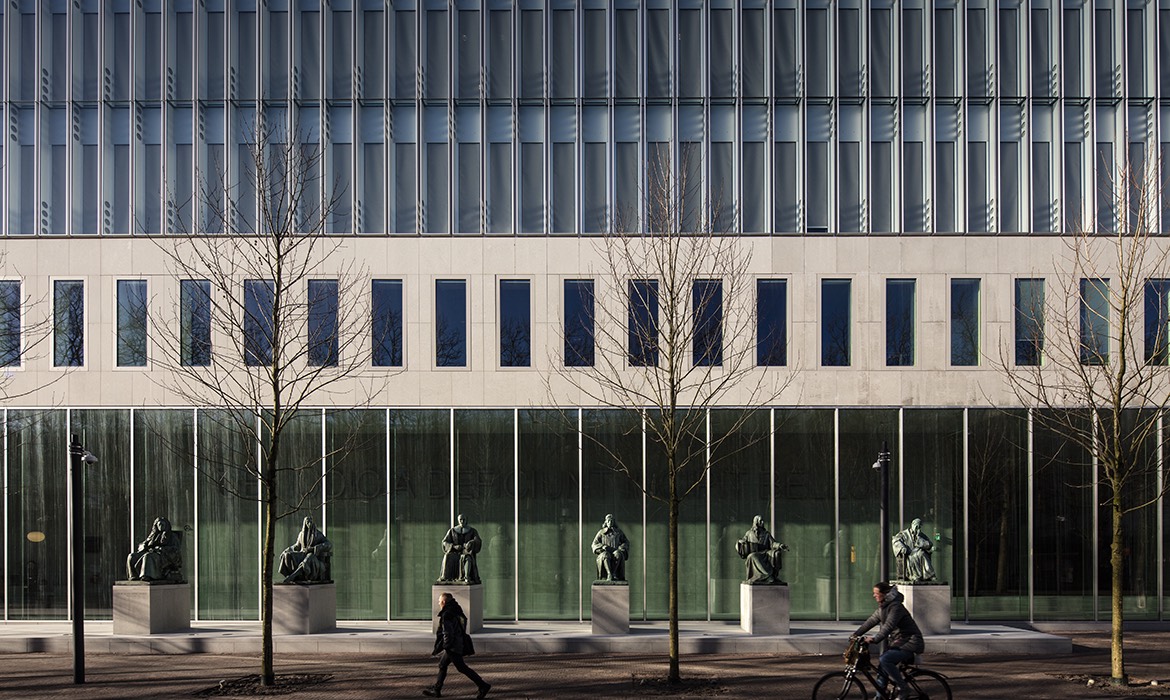
Distinguished and functional, hard and ethereal, rough and refined: the Supreme Court of the Netherlands exhibits a close relationship between openness and security.

The iconic architecture elegantly integrates into the historic city centre of The Hague, expressing the democratic constitutional principles through a clear and rational structure.

Near Geneva, the Aire river flows through valleys historically devoted to farming. From late 19th century the river was progressively canalized. In 2001, the State of Geneva opened a competition with the idea of restoring the river to its original shape and meanders by destroying the canal.