Award: Sustainable Architecture Award

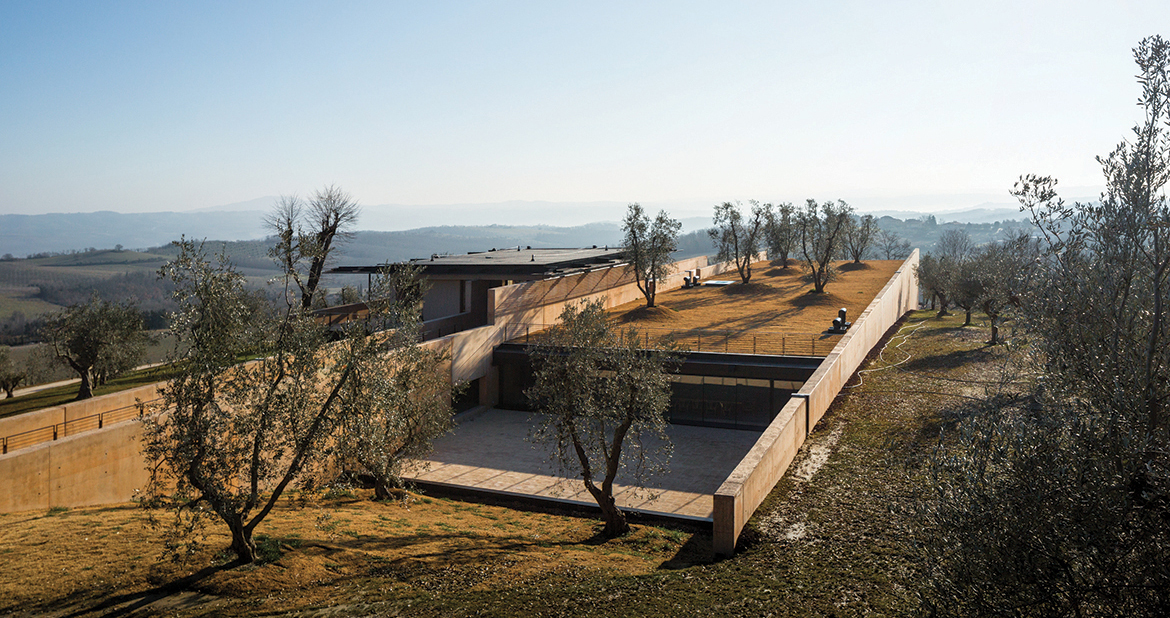
The Winery at Podernuovo is located near San Casciano dei Bagni, in the outskirts of Siena, in Tuscany. It overlooks a vineyard named after the agricultural estate it belongs to. The vineyard, has been designed to contain spaces accessible to the public, spaces of production, and offices endeavors to reduce as much as possible its impact on the environment. 
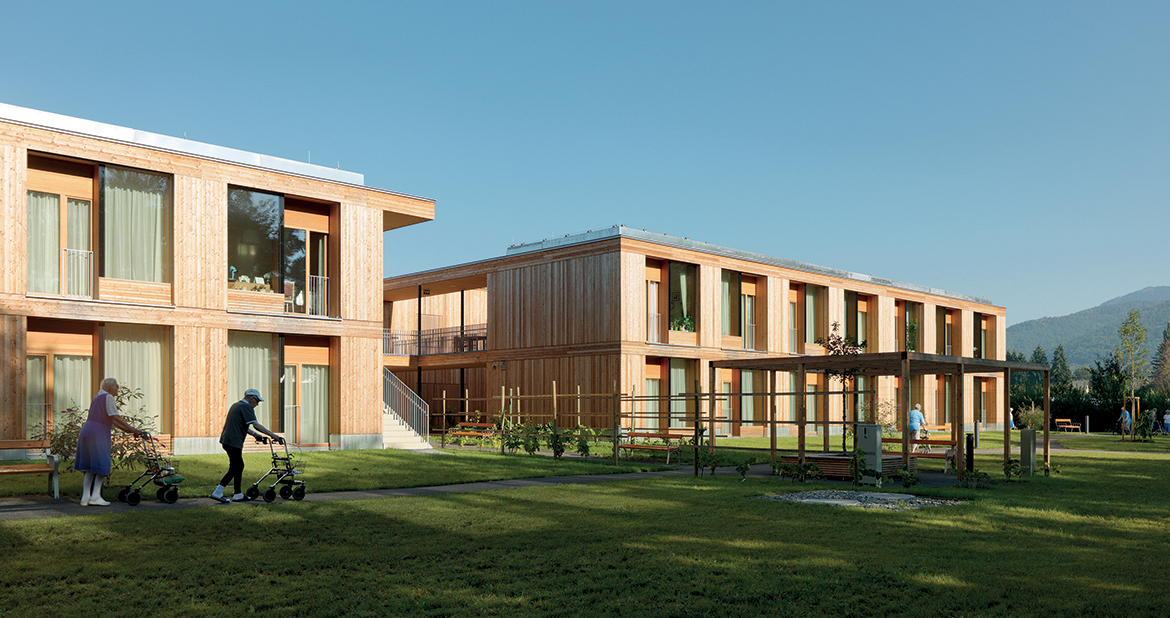
The residential care home Erika Horn has been constructed in Graz on a park-like plot in the immediate vicinity of the Andritzbach brook. The barrier-free passive house and sustainable building has no basement due to the challenging ground conditions and because of its location within the Andritz flood zone. 

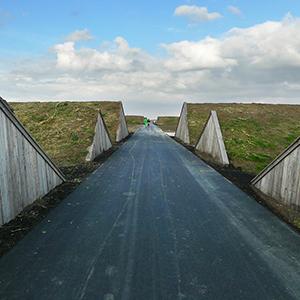
Buitenschot is situated in Hollands largest Lakebed polder, the Haarlemmermeer. This fifth runway, built in 2003, is in close vicinity of living quarters and an industrial area of Hoofddorp, the largest settlement in the Haarlemmermeer.

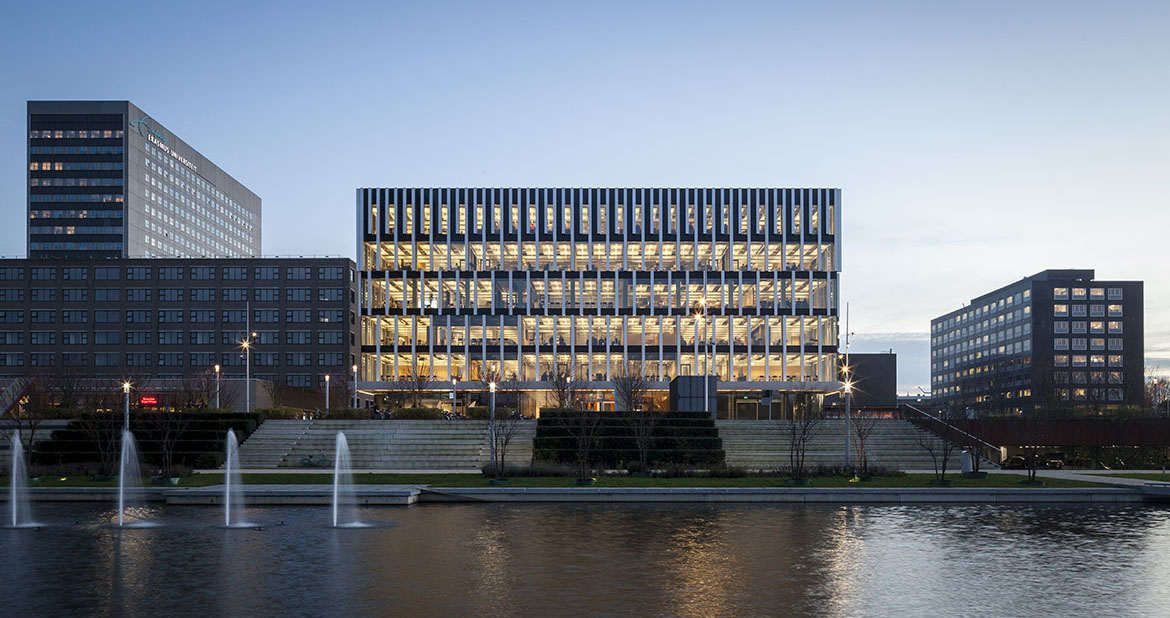
Erasmus University Rotterdam assigned Paul de Ruiter Architects to design both the interior and exterior of a new university building, which is continually linked to society and the world around it. The result is a fully-integrated and sustainable building, in which the pleasant study environment indoors is linked to campus life outside. A learning environment where students and staff can inspire each other.  

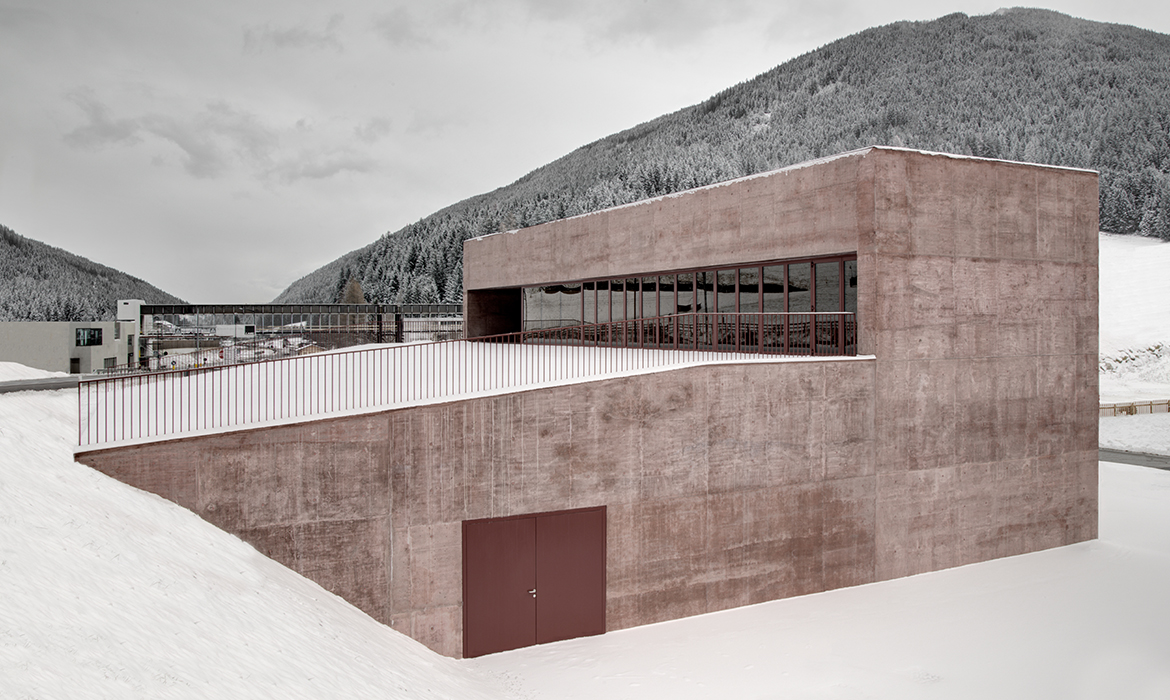
Built in the remote Pusteria Valley, close to the border of Austria, an obviously simple shaped building is situated alongside the main road. Altough the design prioritizes simplicity and the rediction of detail, the building is in fact an experiment within itself. 

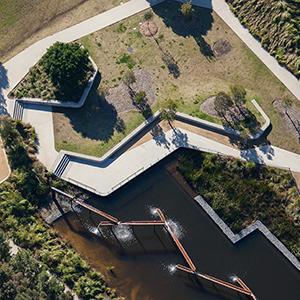
The project is a component of Sustainable Sydney 2030, harvesting stormwater from the Newtown catchment at the measure of 850 million litres/year. Water is captured, made good and returned viable through a dynamic, new waterscape; at all times connecting park users to the water narrative of capture, movement and cleansing.

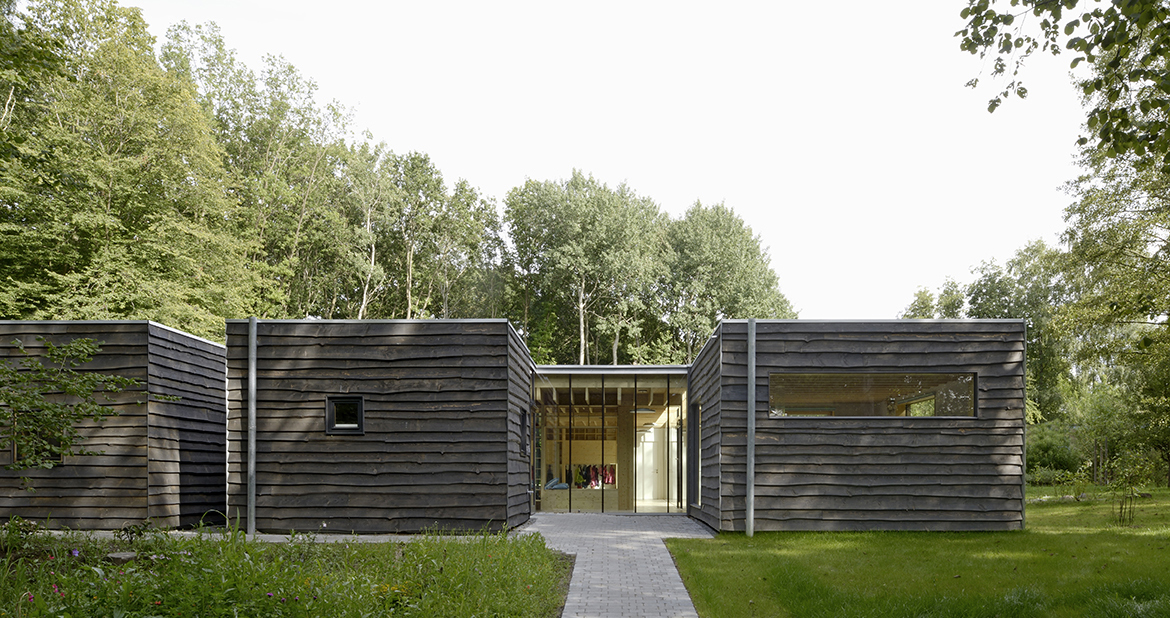
This nursery school in Sakura, Chiba was planned to accommodate 60 pupils. Seiyu-Kai, a local social welfare firm specializing in elderly care facilities approached us for this project. The overarching concept for this plan started with an idea: “a nursery school is a large house.”

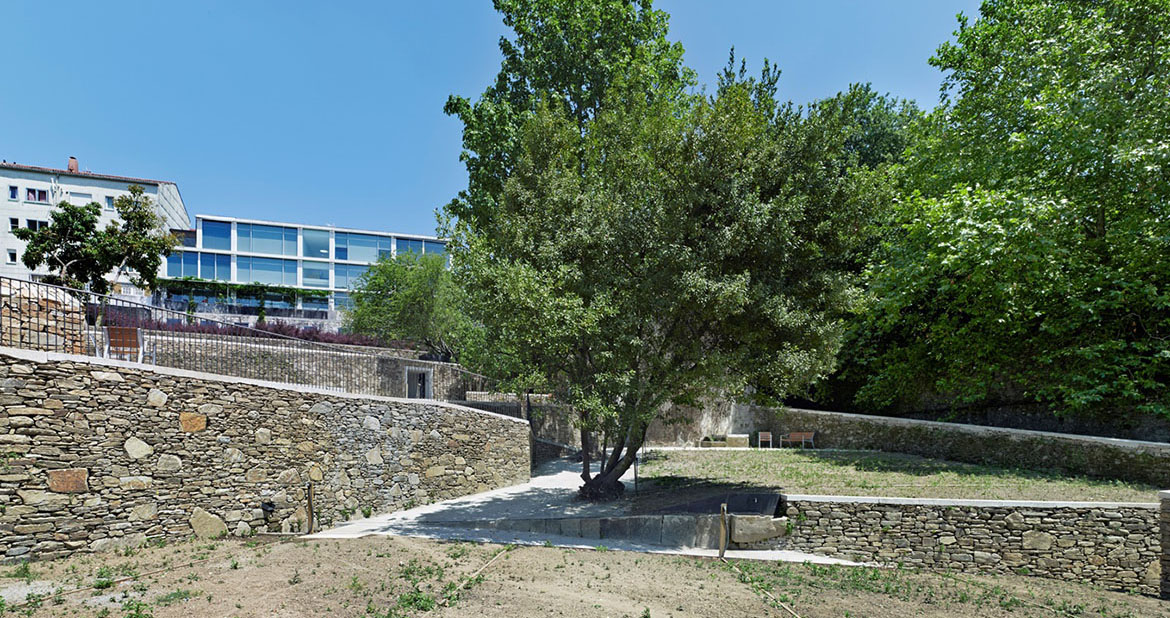
Caramoniña is one of those vacant sites in the city, Santiago de Compostela in this case. They are complicated sites, without any clear use or even good access. The plot is on the way from the Historical City to the nearby Almáciga neighbourhood. 

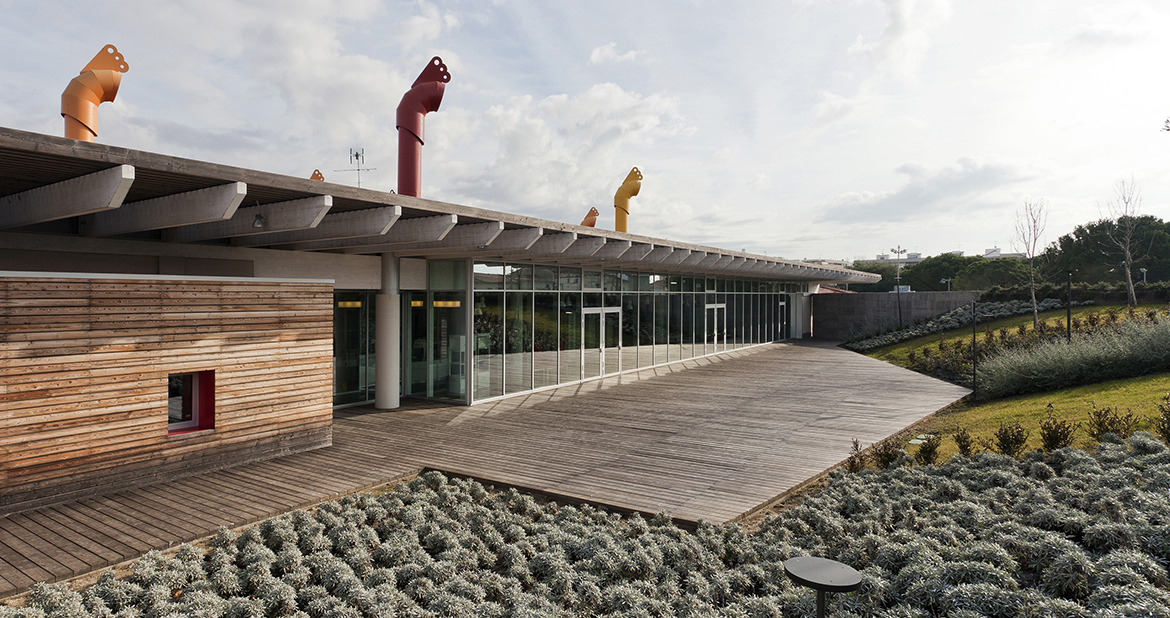
The cultural centre is a flat, single – storey building crossed by a covered pedestrian walkway, which leads to the train station underpass functioning as an important link in the urban road network.

L’organizzazione spaziale aperta consente una esperienza condivisa del vivaio e la natura circostante, e allo stesso tempo crea possibilità di ritiri per i più piccoli. L’esperienza dello spazio deriva direttamente dalla costruzione della struttura portante.