Award: Premio Domus Restauro e Conservazione

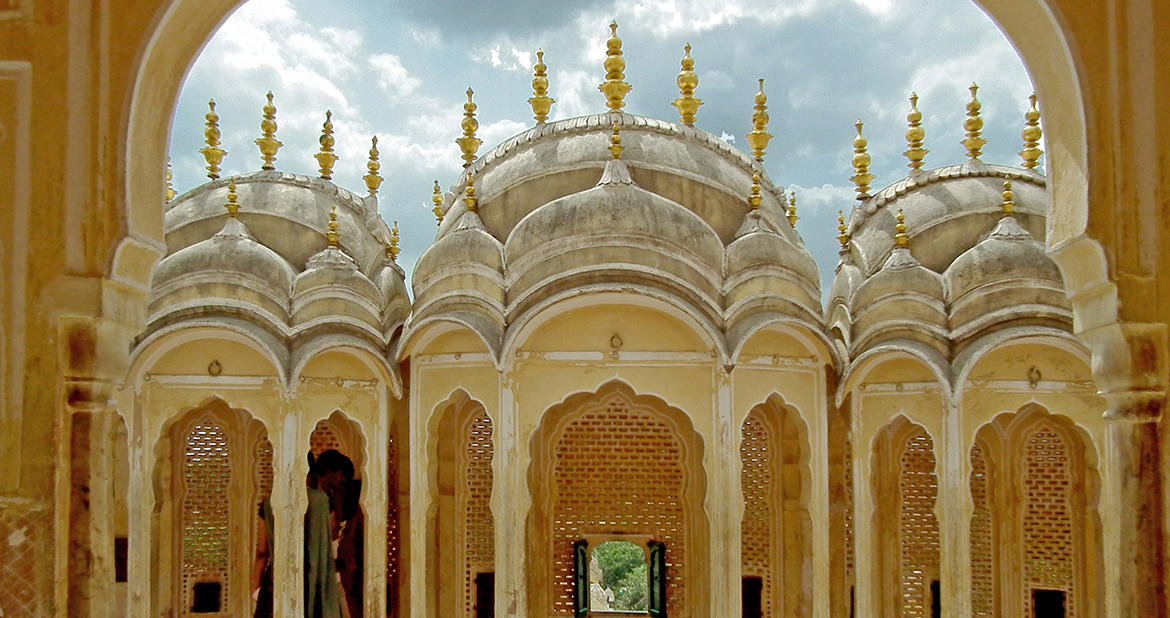
In 1798, Pratap Singh, grandson of Jai Singh II, built the Hawa Mahal, from where the royal women could enjoy a cool breeze while viewing ceremonial processions on the street below. The architect Lal Chand Ustad, designed it in the form of the crown of Hindu god, Krishna. Its unique ve-story exterior is with its 953 small windows called Jharokhas, with coloured glass decorated with intricate la ce work. Hawa Mahal is an iconic but eccentric face of Jaipur. The en re facade is barely 2.1 m wide, giving only spaces for overlooking the street rather than rooms to inhabit.
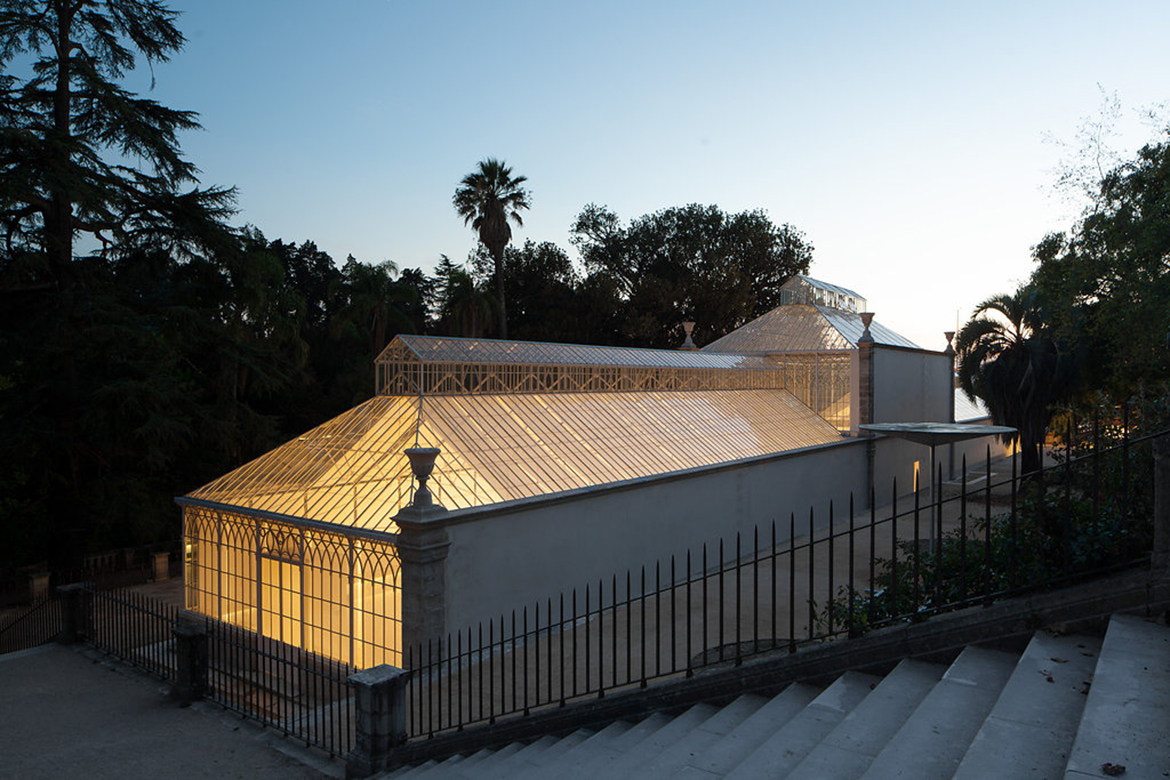
The Tropical Greenhouses and the new Science Space are located in the Alta (high town) of Coimbra, belonging to the University’s Botanical Garden, built in 1772 by order of the Marquess of Pombal.

The Tropical Greenhouses, completed in 1859, are one of the first examples of iron architecture in Portugal, their reference being the Kew Gardens greenhouses in England.

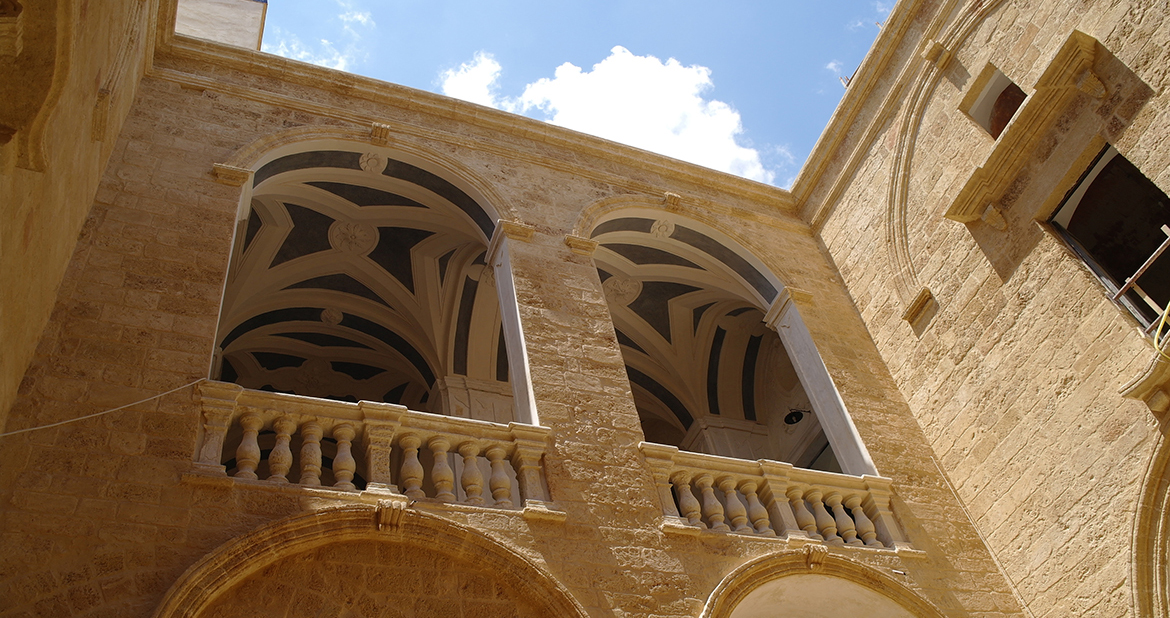
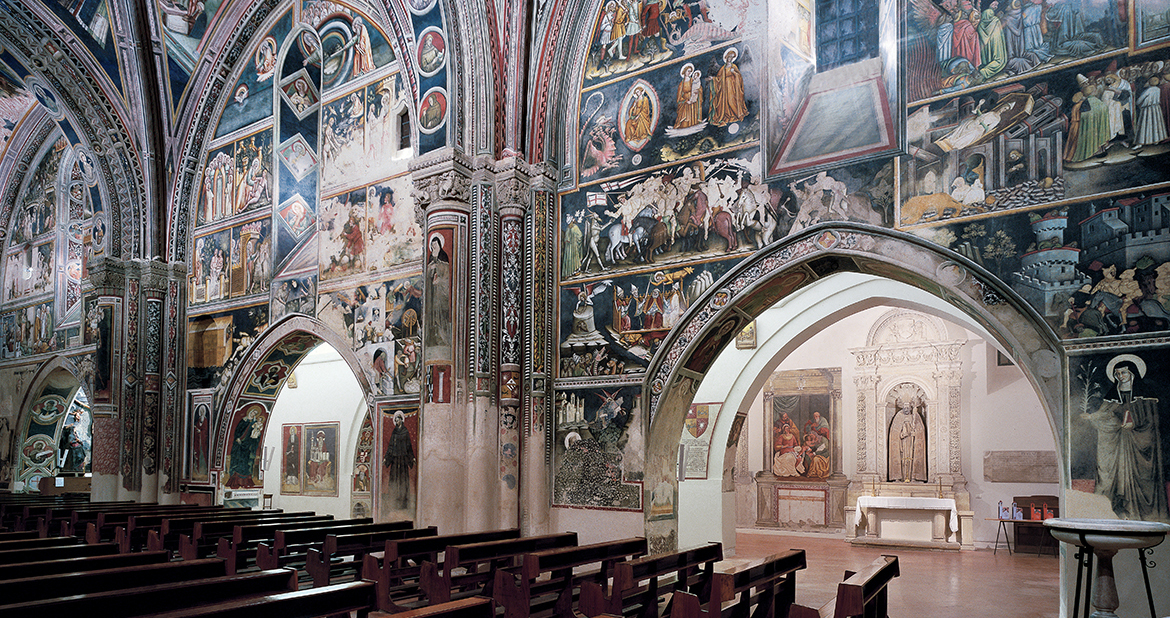
La Basilica di S. Caterina d’Alessandria a Galatina rappresenta uno dei pochissimi monumenti gotici della Puglia e la maggior superficie affrescata del meridione d’Italia, con un ciclo di affreschi che costituiscono l’episodio principale della pittura del Quattrocento in Puglia.

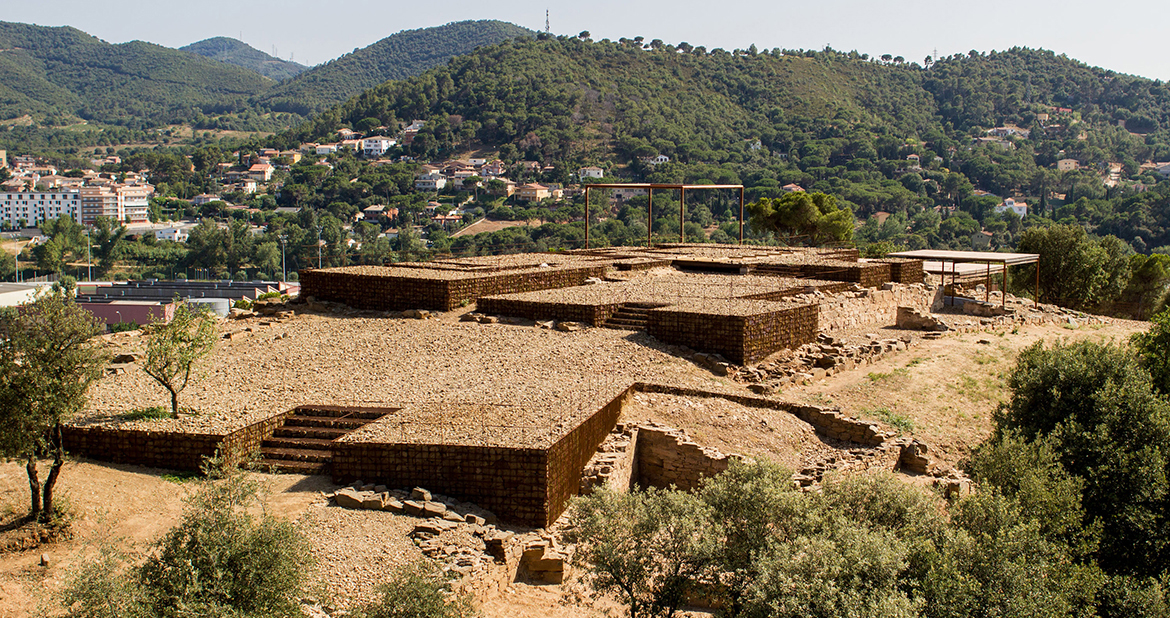
The archaeological Roman site of Can Tacó is settled in “Turó d’en Roina”, facing south and 50 meters above the point where the rivers Congost and Mogent meet, at the birth of the river Besòs and 20 km far from its confluence with the Mediterranean sea.

This place is part of the mountain range named “els Turons de les Tres Creus”, a natural place that keeps the biodiversity in a highly fragmented metropolitan area. This particular situation arises the need of addressing the refurbishment naturalistically and the archaeologically.

Il progetto di restauro del castello di Ugento, la sua riconversione, oltre a valorizzare il manufatto oggetto di intervento, permette di rivisitare l’esistente con il linguaggio dell’architettura contemporanea, creando una stratificazione con le architetture del passato che conduce verso gli interventi del futuro. Ispirato all’idea del “connubio” tra storico e contemporaneo, propone un sapiente gioco di equilibrio nell’utilizzo di materiali e scelte progettuali.

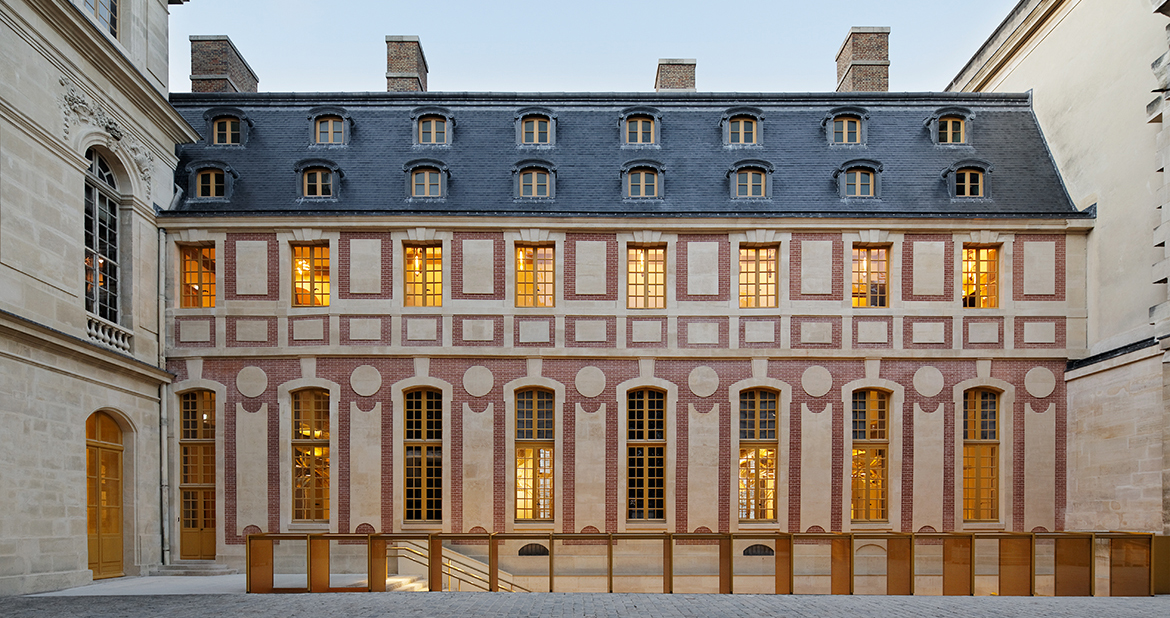
In 2011 the Versailles Castle launched a competition for the “Pavillon Dufour”, along with the old wing that links it to the palace, in order to properly welcome the ever increasing number of visitors. The project combines restoration, renovation and modern construction, to take the Château to the level of modernity it owes to its visitors.

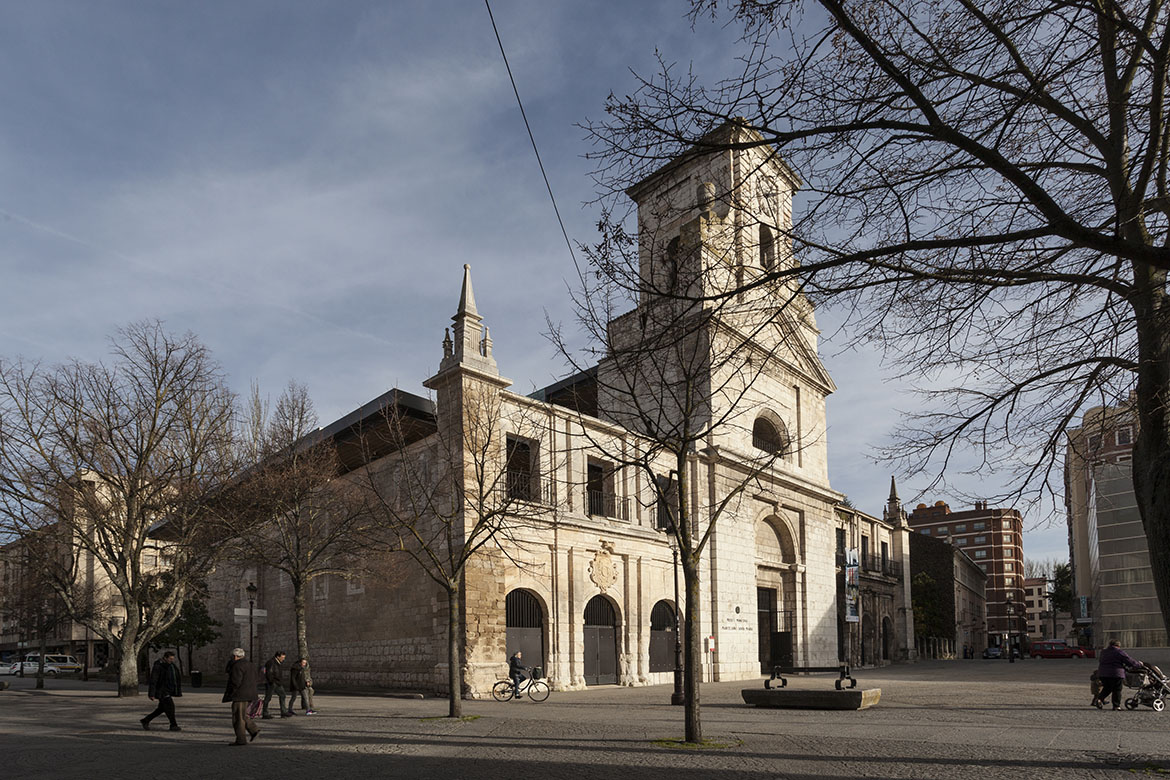
The principal aims of the roof to cover the ruins of the church of the Monastery of San Juan, is intended to protect the architectural remains of the temple and at the same time to create a new protected space to celebrate cultural activities regardless of weather conditions.

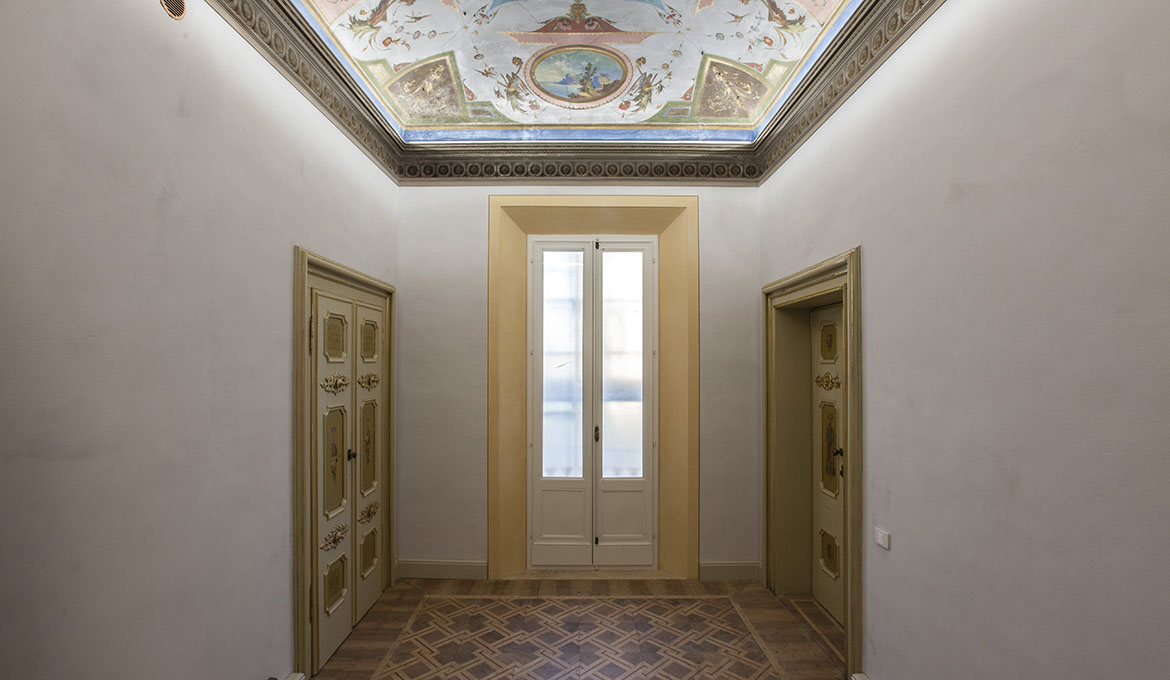
Palazzo Gulinelli si trova a Ferrara in Corso Ercole I d’Este. Questo storico edificio, le cui fondazioni più antiche risalgono alla fine del 15° secolo, fu acquistato nel 1844 dall’avvocato conte Giacomo Gulinelli.

Venduto nel dopoguerra dalla famiglia Gulinelli all’opera pia Don Cipriano Canonici Mattei, il Palazzo è stato utilizzato come sede scolastica fino agli eventi sismici del maggio 2012 che lo hanno danneggiato seriamente.

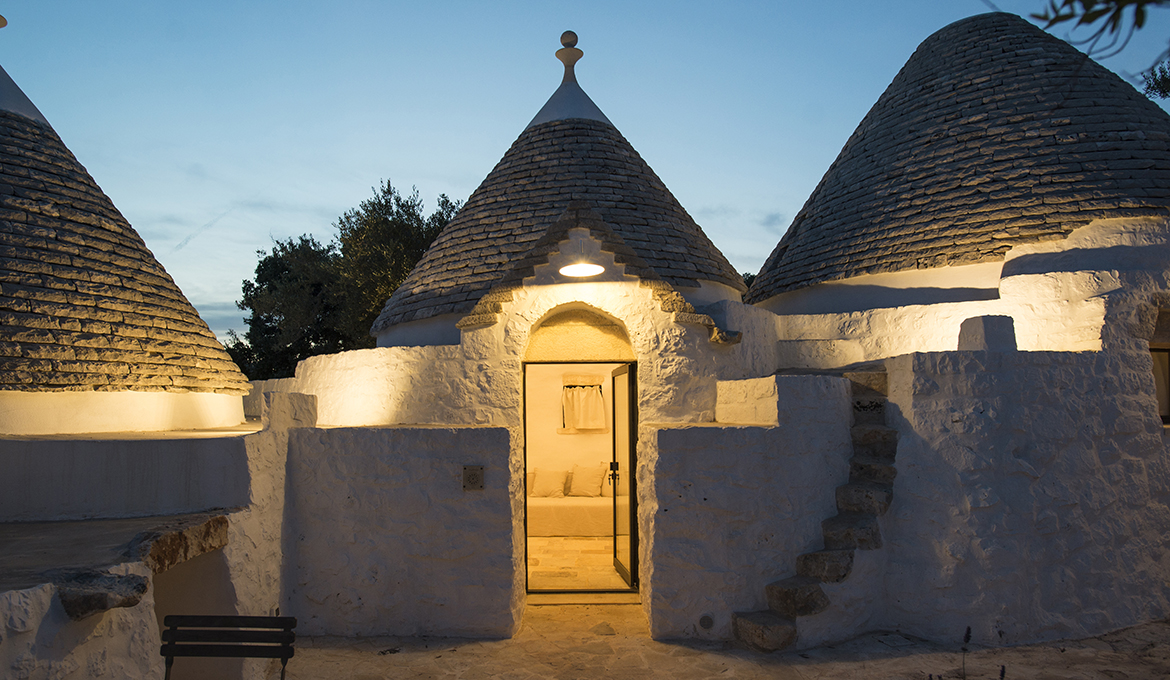
Borgo Canonica è un progetto di ristrutturazione e recupero di un borgo rurale nel territorio pugliese di cisternino, risalente al 1800, costituito da un complesso di 45 trulli che da 60 anni erano in stato di abbandono.

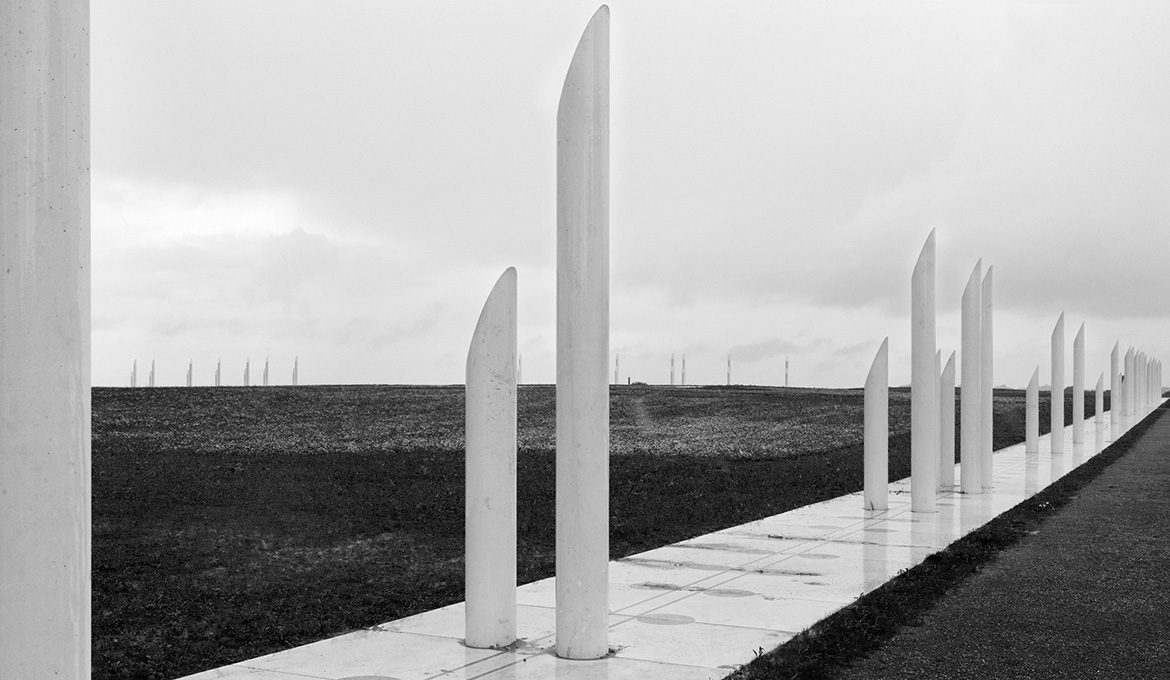
The Monument Area in Jelling was inaugurated in September 2013 by Her Majesty Queen Margrethe of Denmark. The first stage of a larger master plan, adopted in 2009 by Vejle Dity Council, has now been completed.