Corte Suprema dei Paesi Bassi

Crediti
Cliente
Rijksvastgoedbedrijf
Collaboratori
Allard Assies
Luca Baialardo
Christophe Banderier
Bas Barendse
Dennis Bruijn
Timo Cardol
Sebastian van Damme
Marten Dashorst
Luuk Dietz
Willemijn van Donselaar
Paolo Faleschini
Raluca Firicel
Michael Geensen
Cristina Gonzalo Cuairán
Joost Harteveld
Walter Hoogerwerf
Michiel van der Horst
Marlon Jonkers
Jan Teunis ten Kate
Marco Lanna
Giuseppe Mazzaglia
Ana Rivero Esteban
Joeri Spijkers
Koen van Tienen
Noëmi Vos
Autori
KAAN Architecten
Kees Kaan
Vincent Panhuysen
Dikkie Scipio
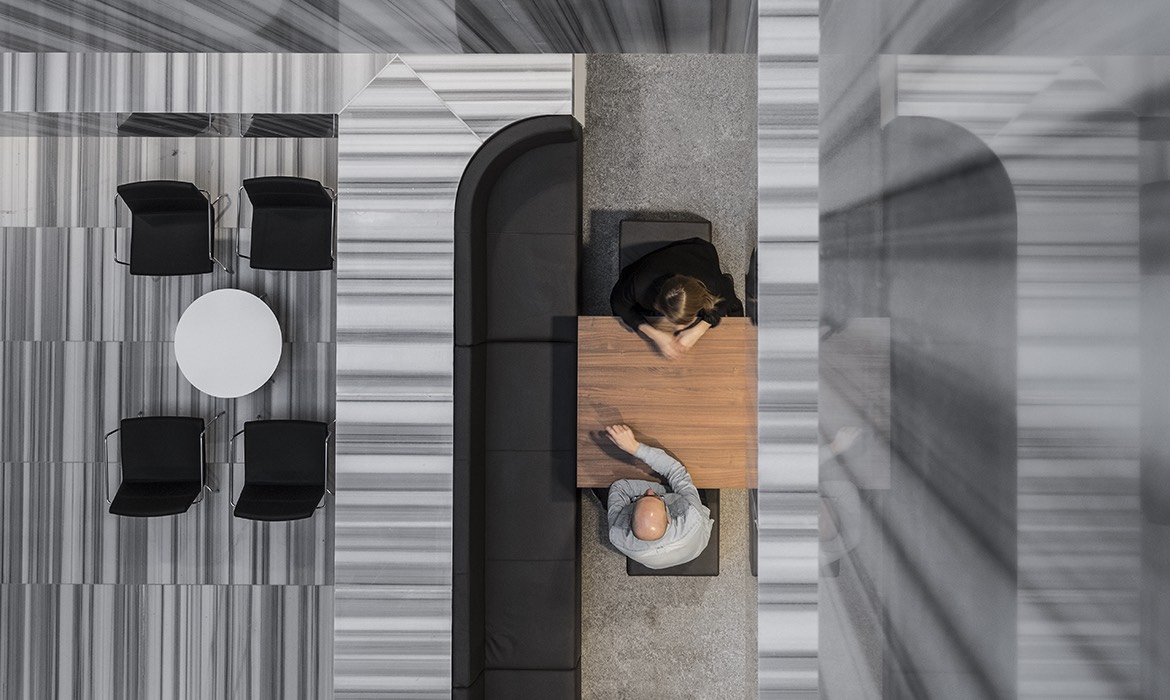
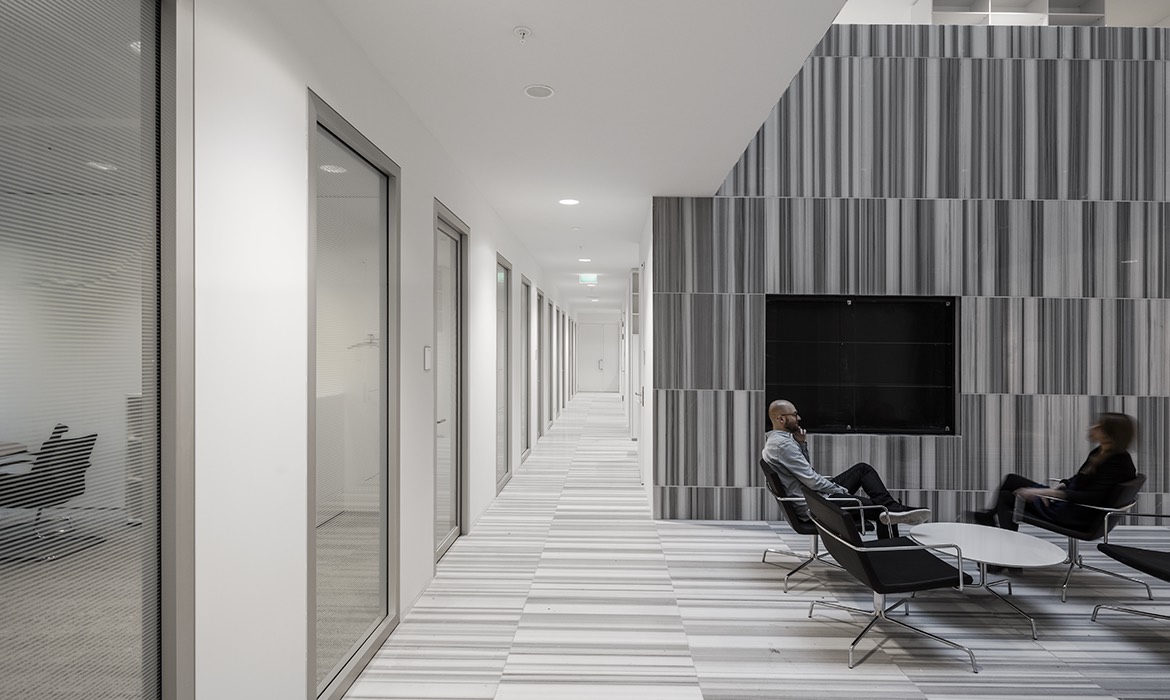
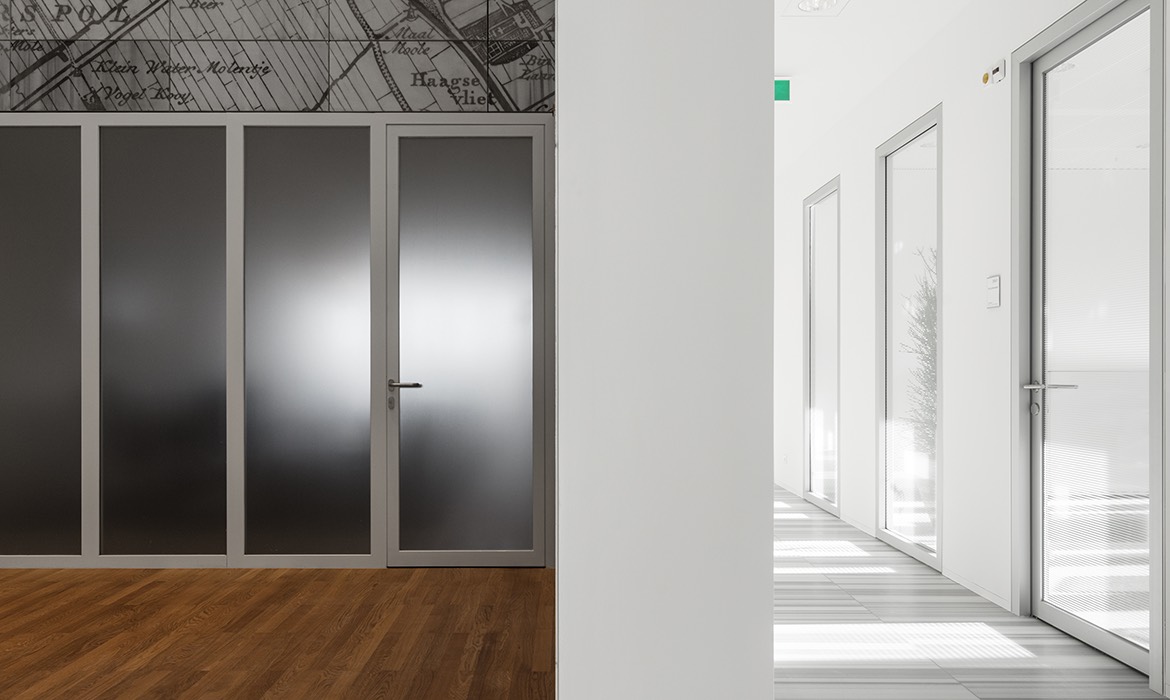
Distinguished and functional, hard and ethereal, rough and refined: the Supreme Court of the Netherlands exhibits a close relationship between openness and security.
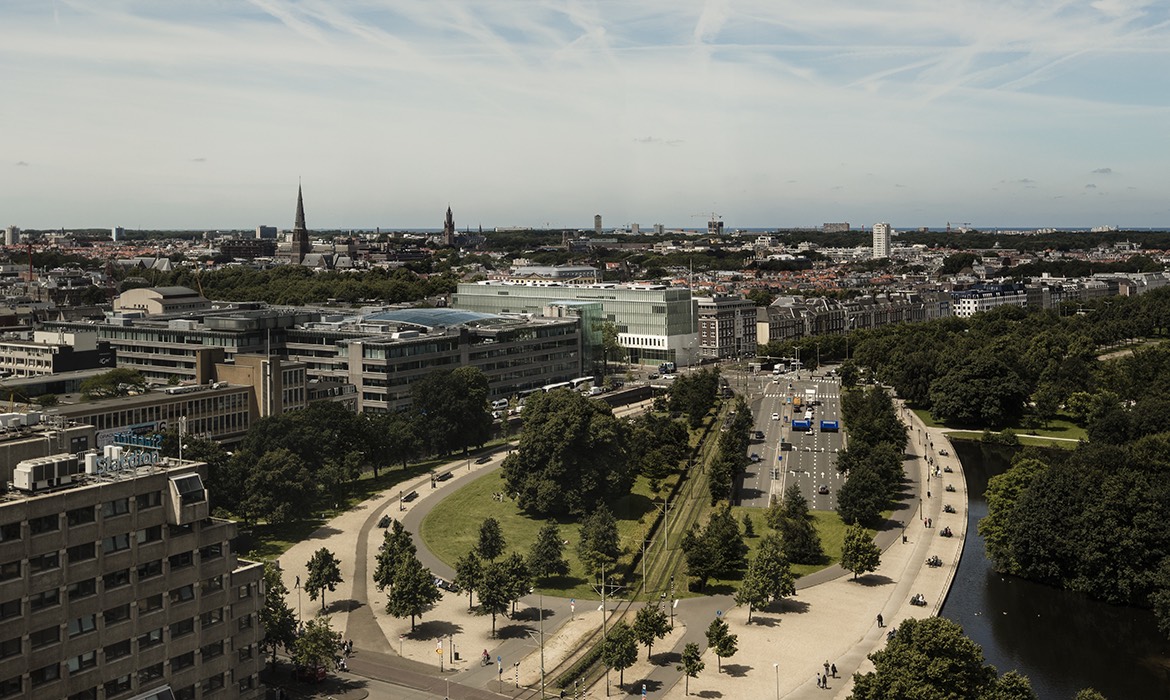
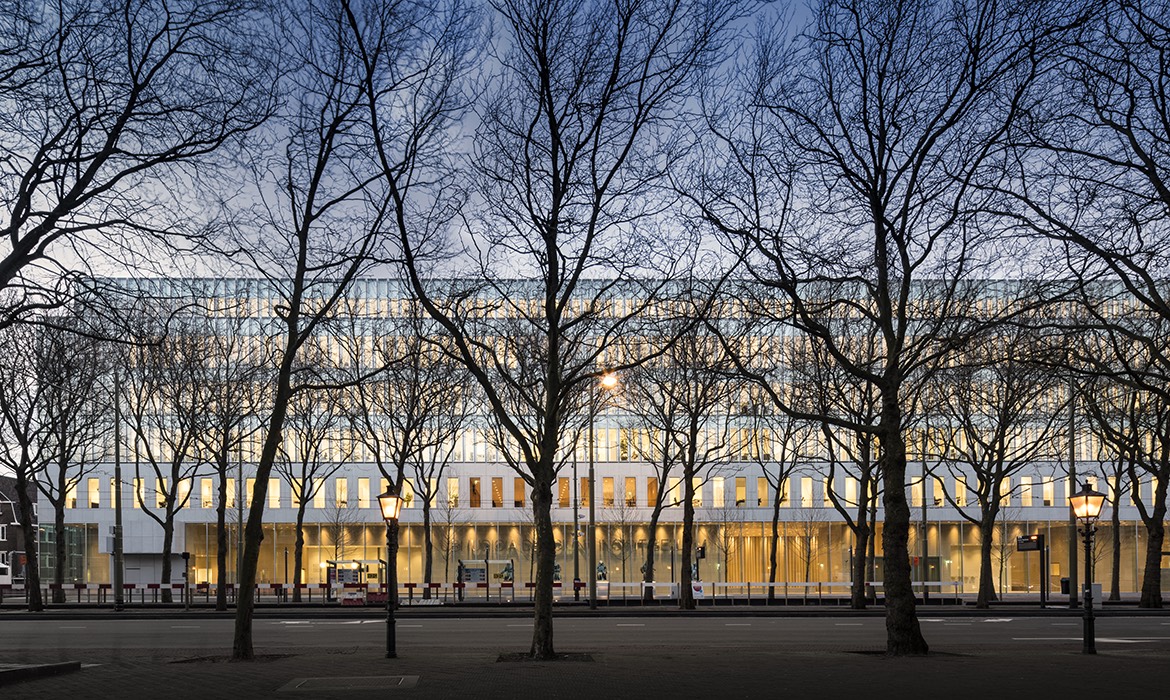
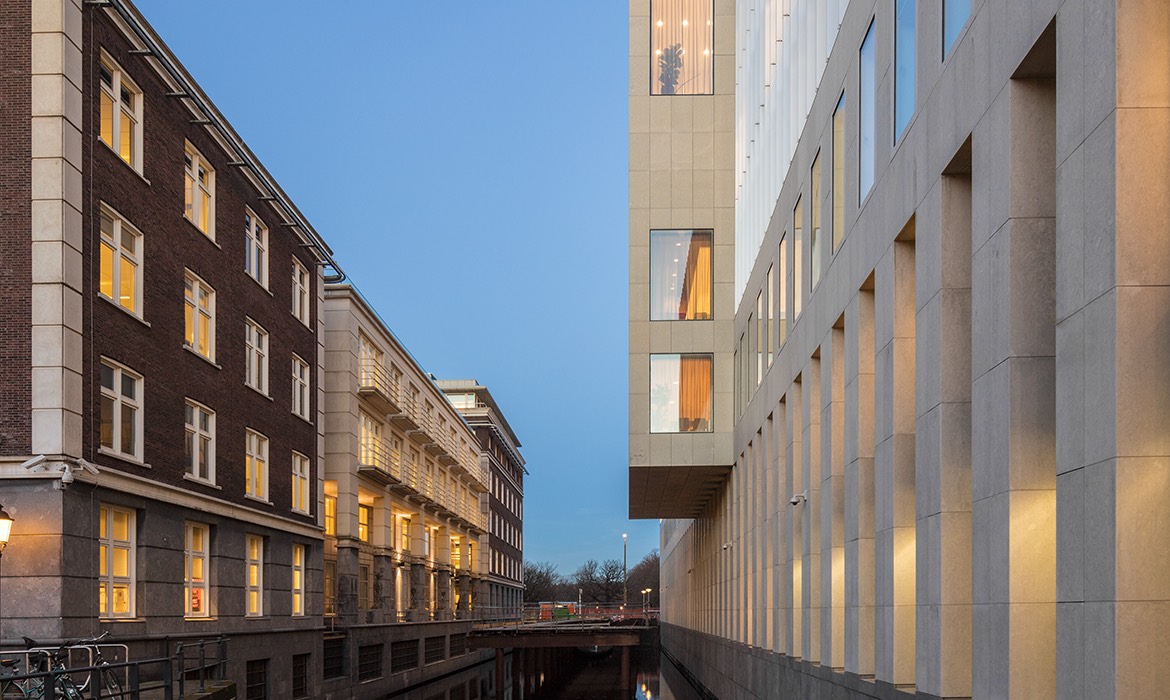
The iconic architecture elegantly integrates into the historic city centre of The Hague, expressing the democratic constitutional principles through a clear and rational structure.
Disegni tecnici:
Report esteso:
Relazione estesa
Distinguished and functional, hard and ethereal, rough and refined: the Supreme Court of the Netherlands exhibits a close relationship between openness and security. The iconic architecture elegantly integrates into the historic city centre of The Hague, expressing the democratic constitutional principles through a clear and rational structure.
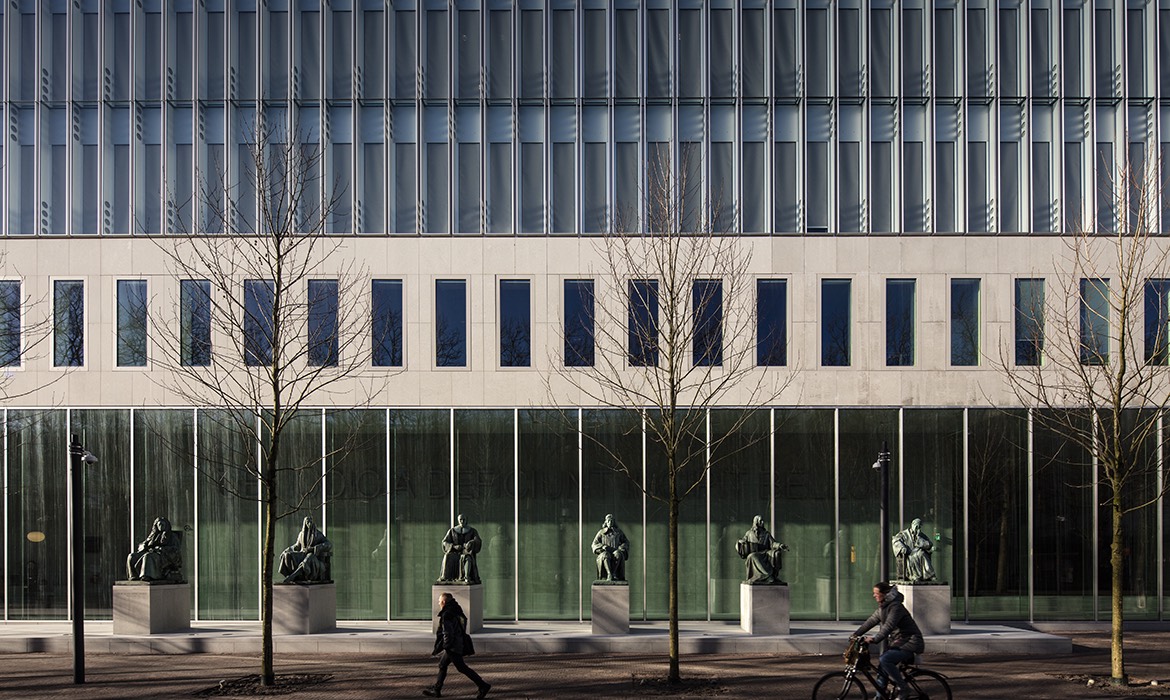
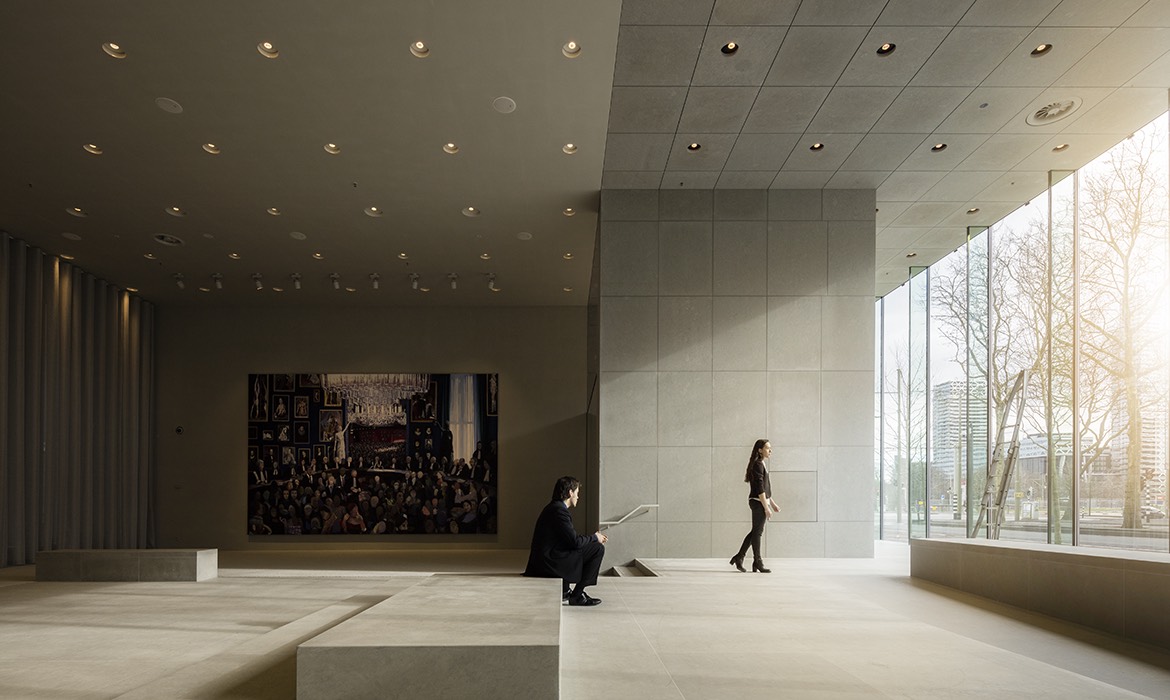
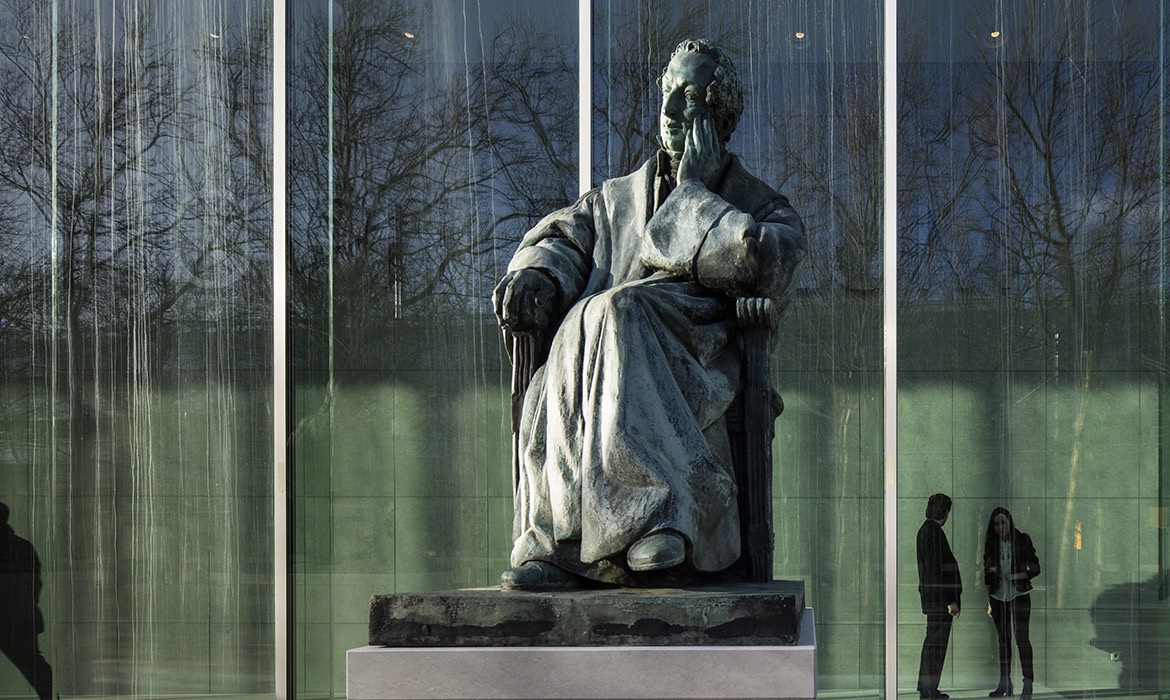
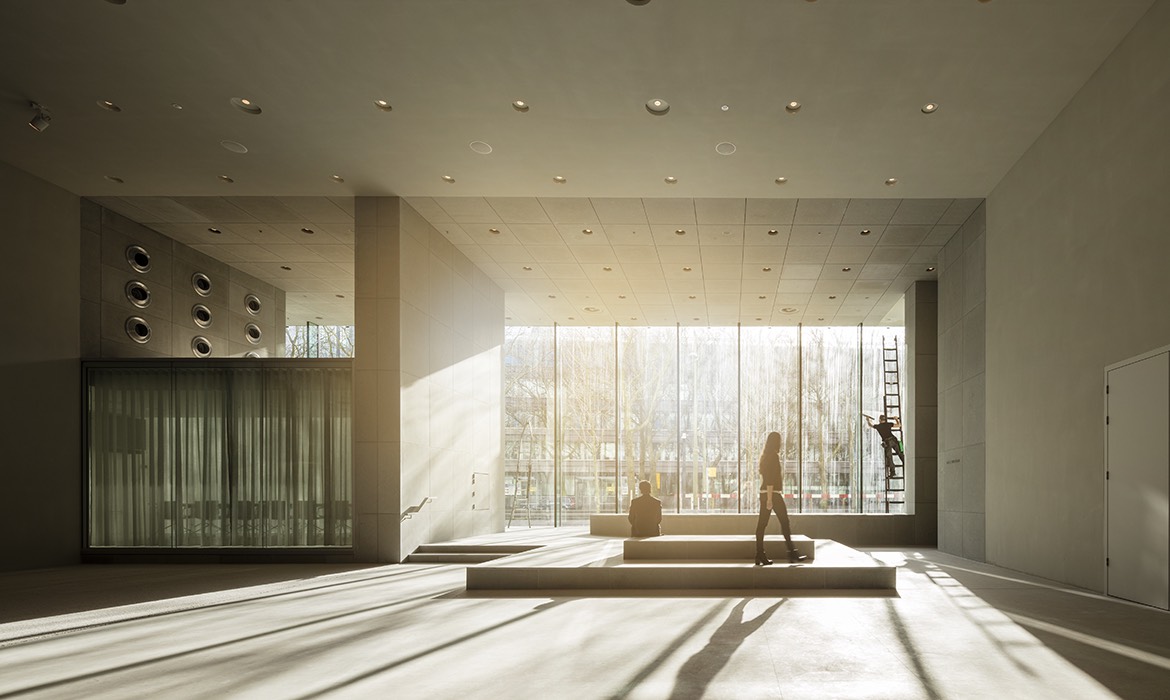
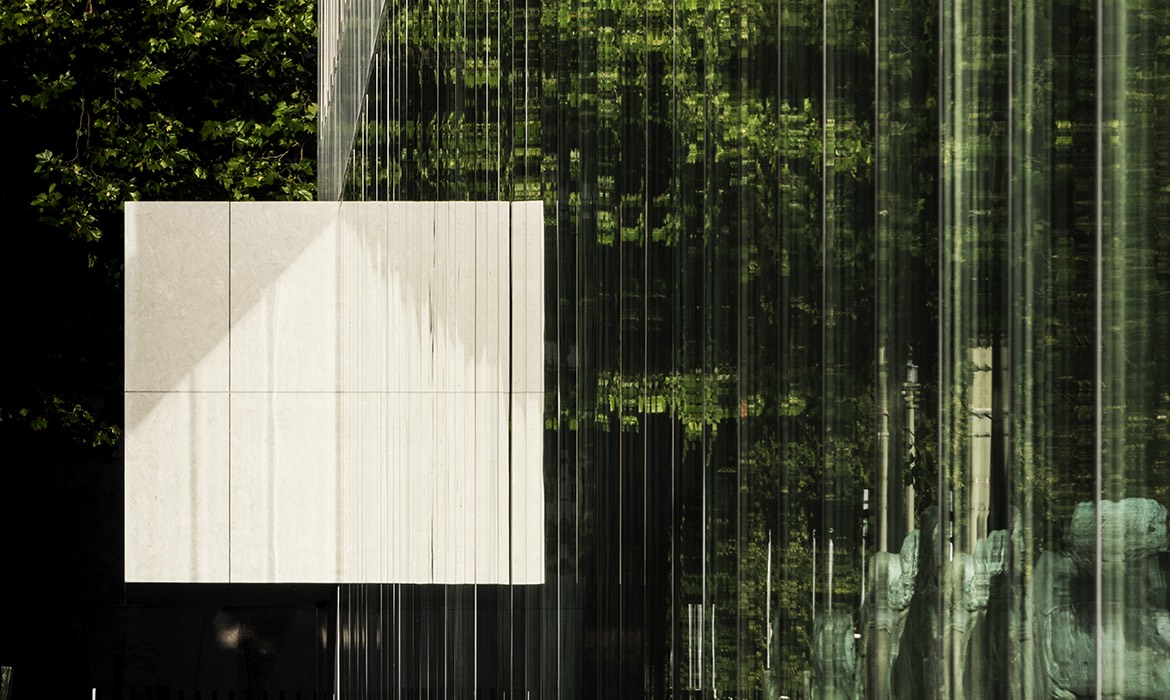
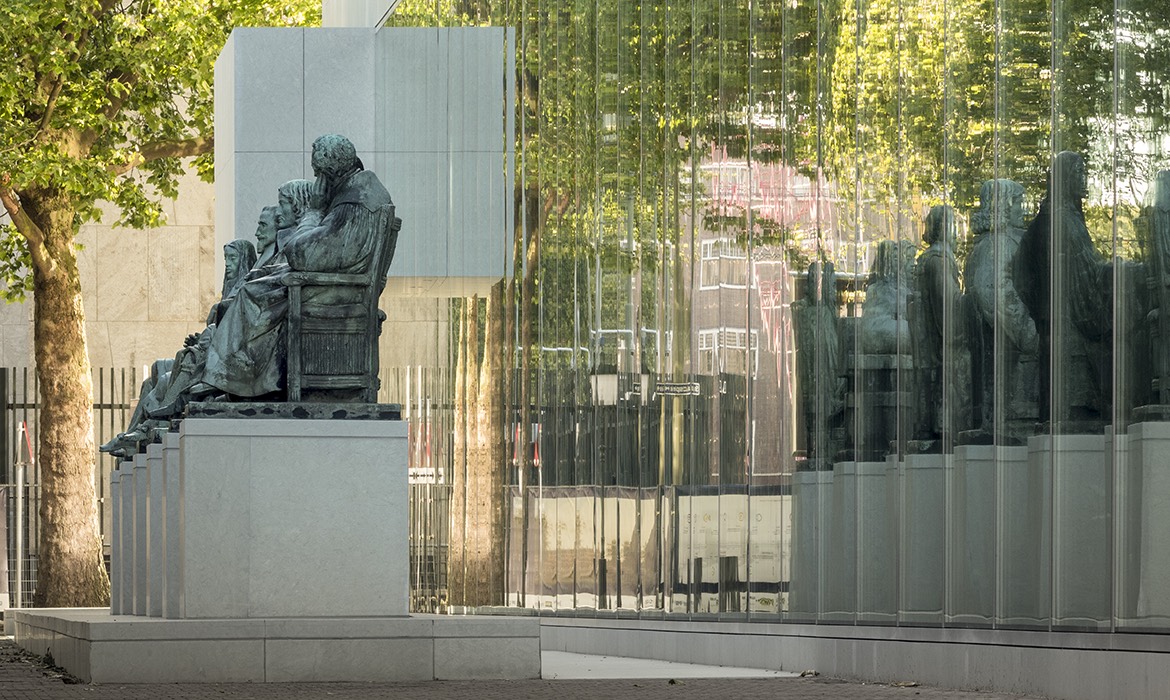
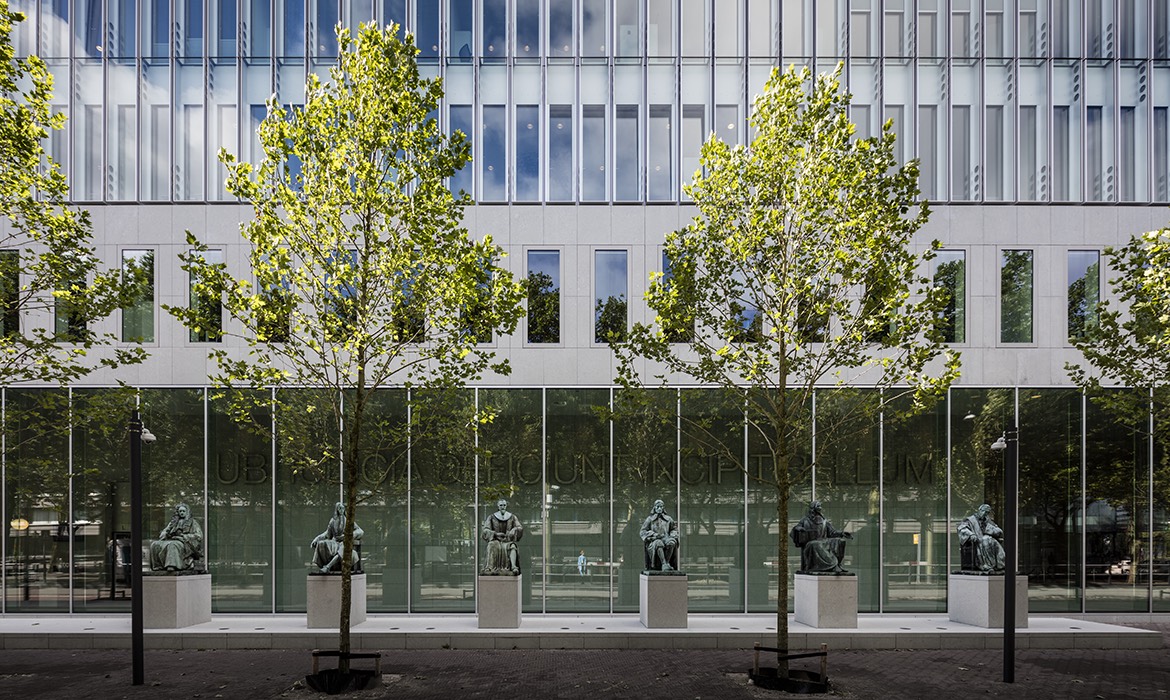
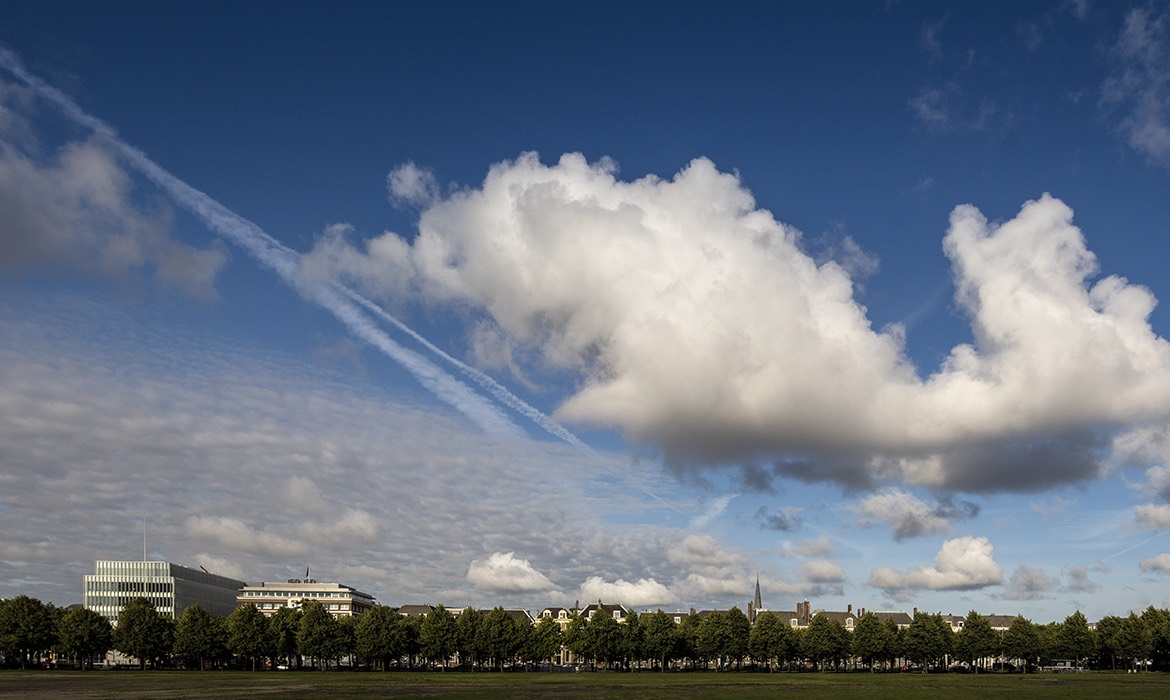
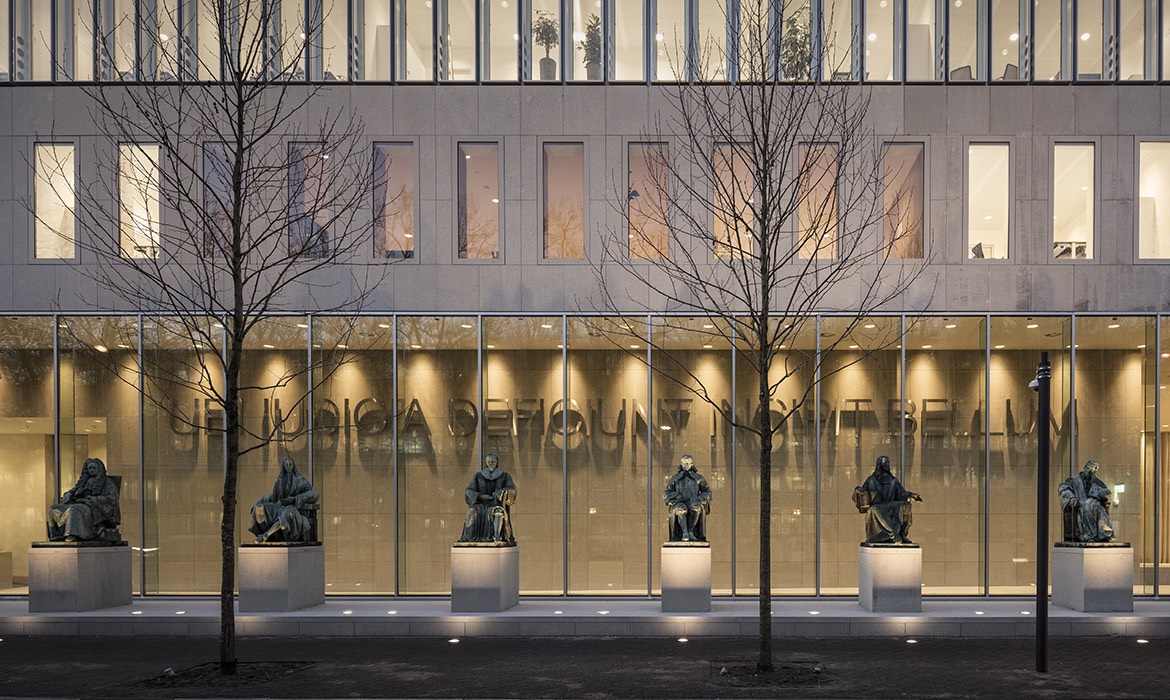
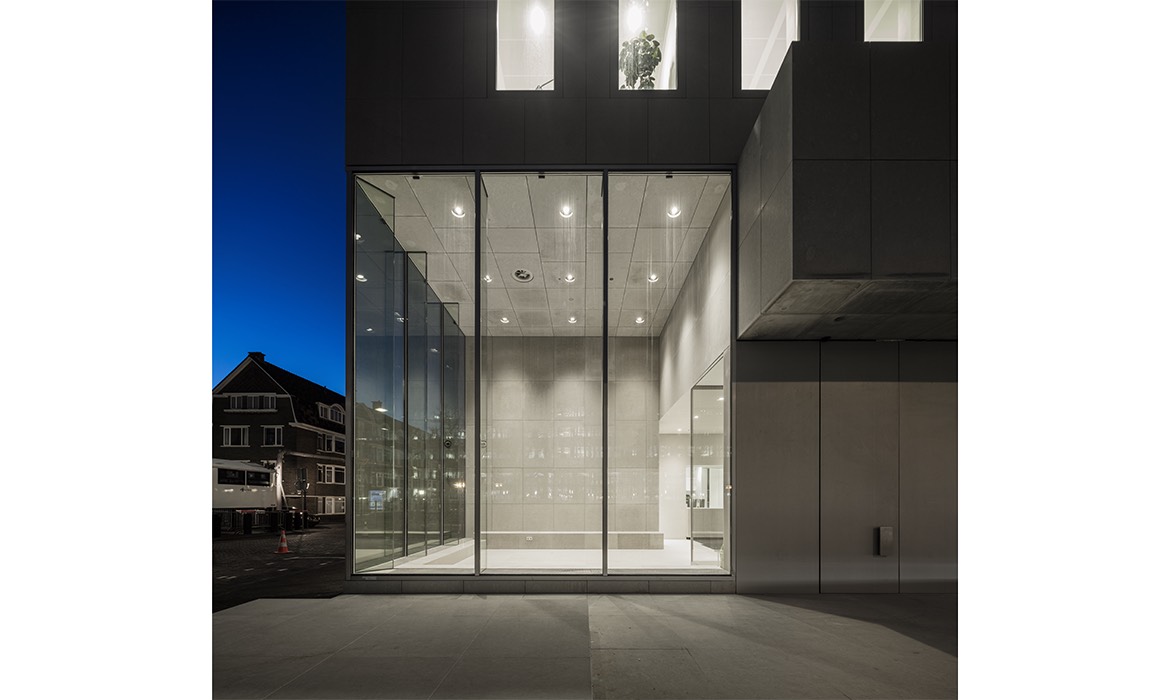
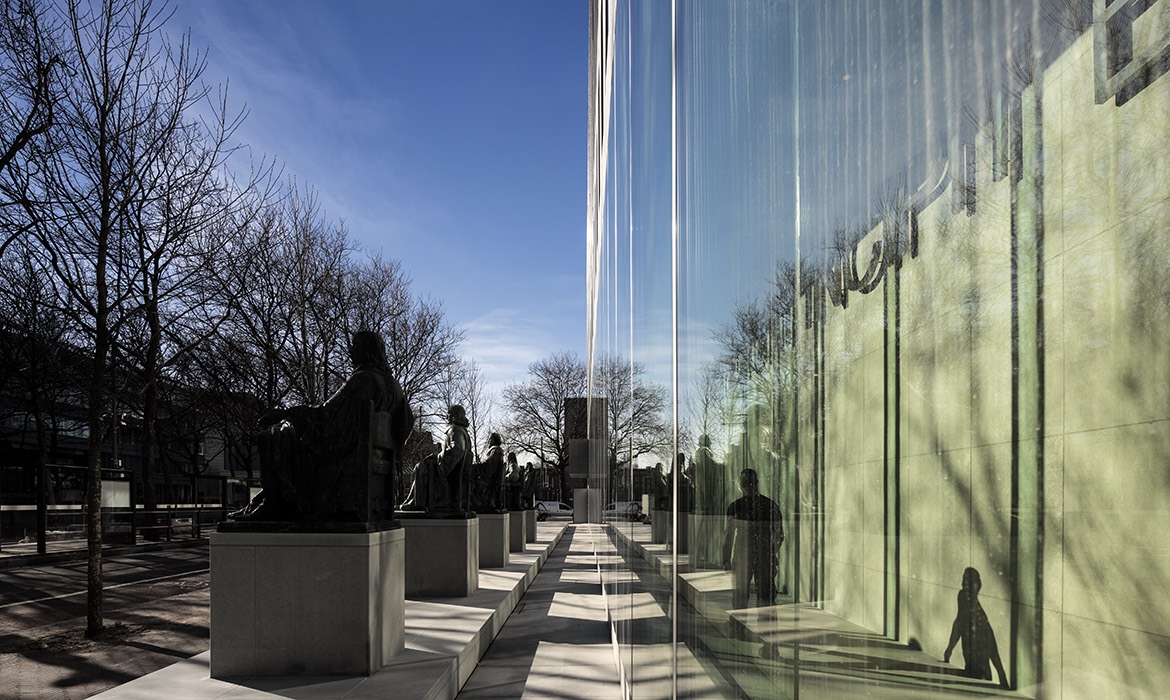
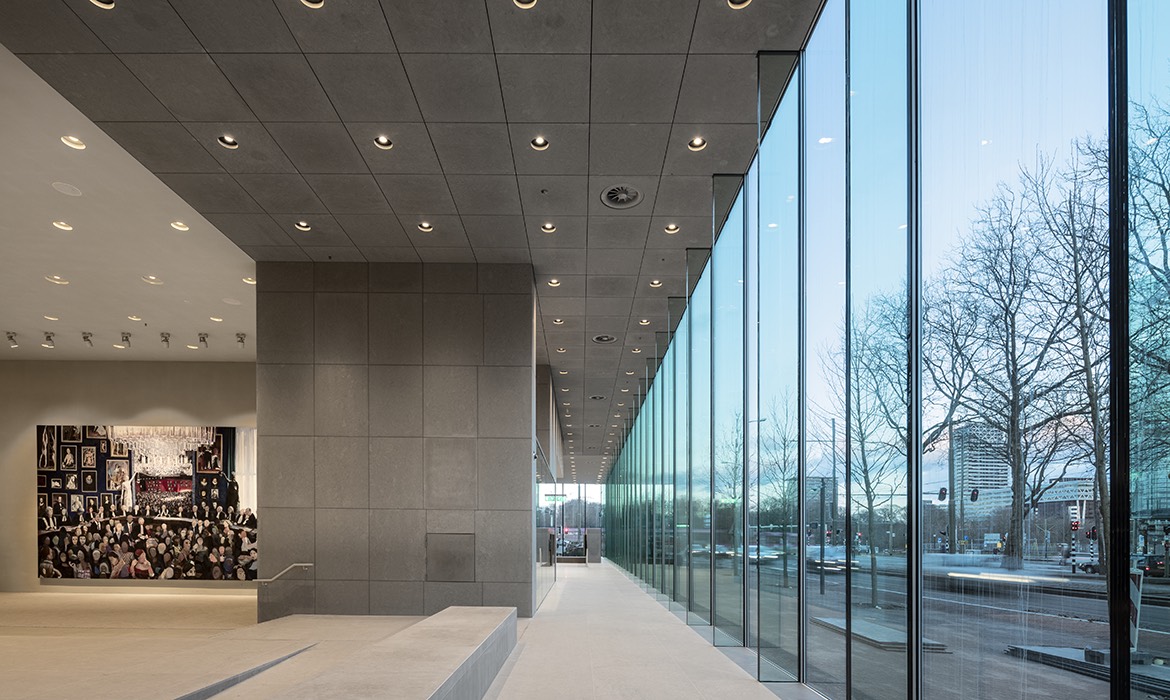
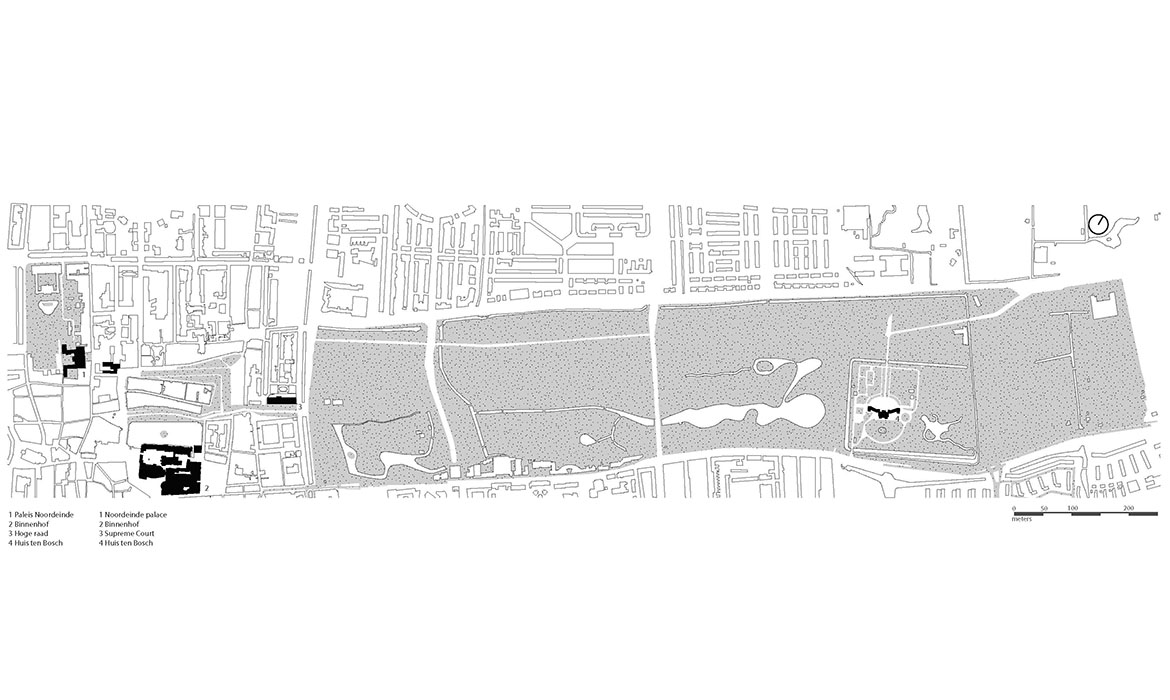
The Supreme Court of the Netherlands borders an important site in the historic centre of The Hague. The column-less double height glass façade of the ground floor, with six legal scholars in bronze standing on a low plateau in front, marks a subtle transition between the interior and Korte Voorhout, a royal route connecting Malieveld Park to the Parliament.
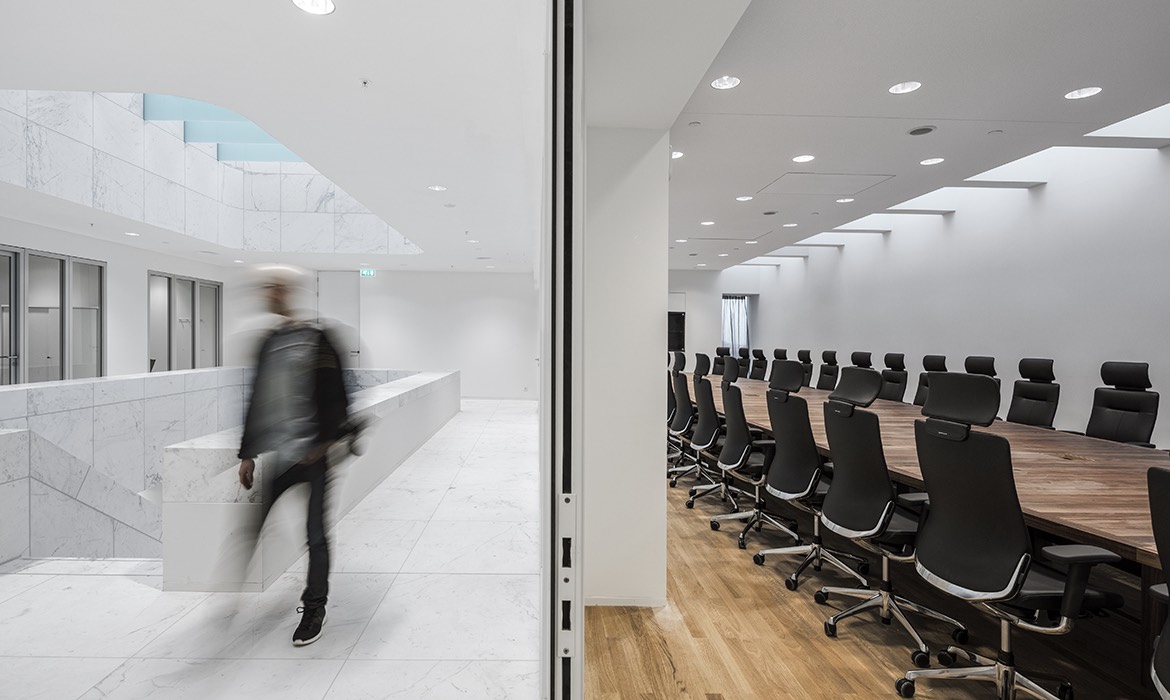
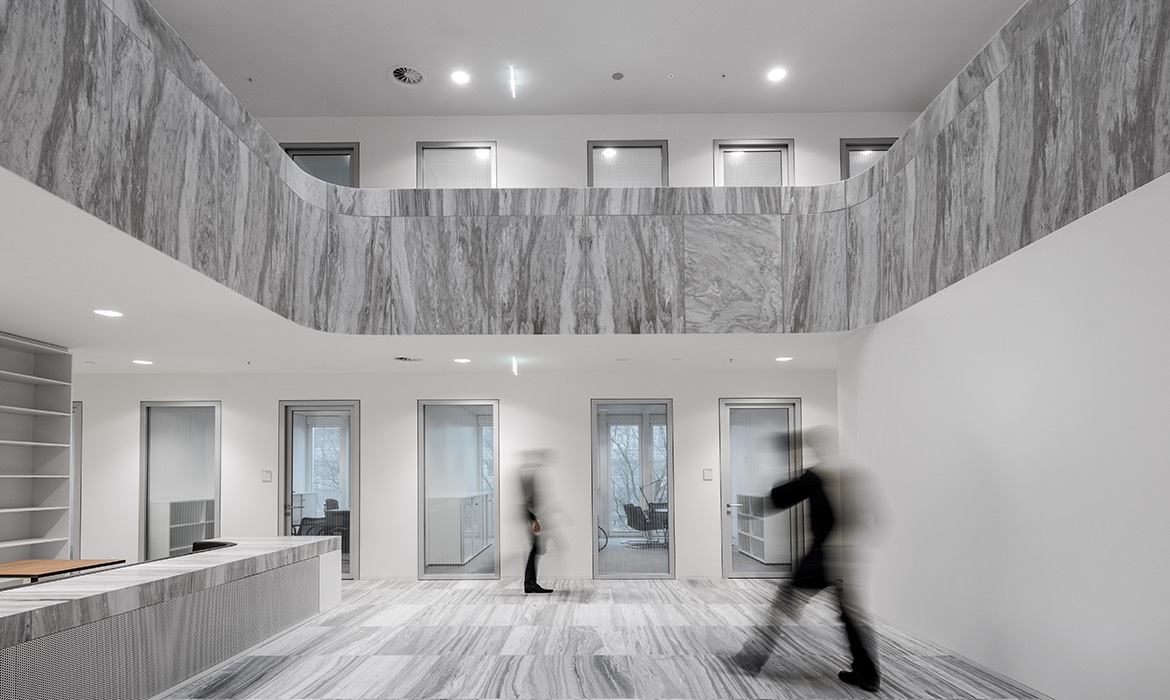
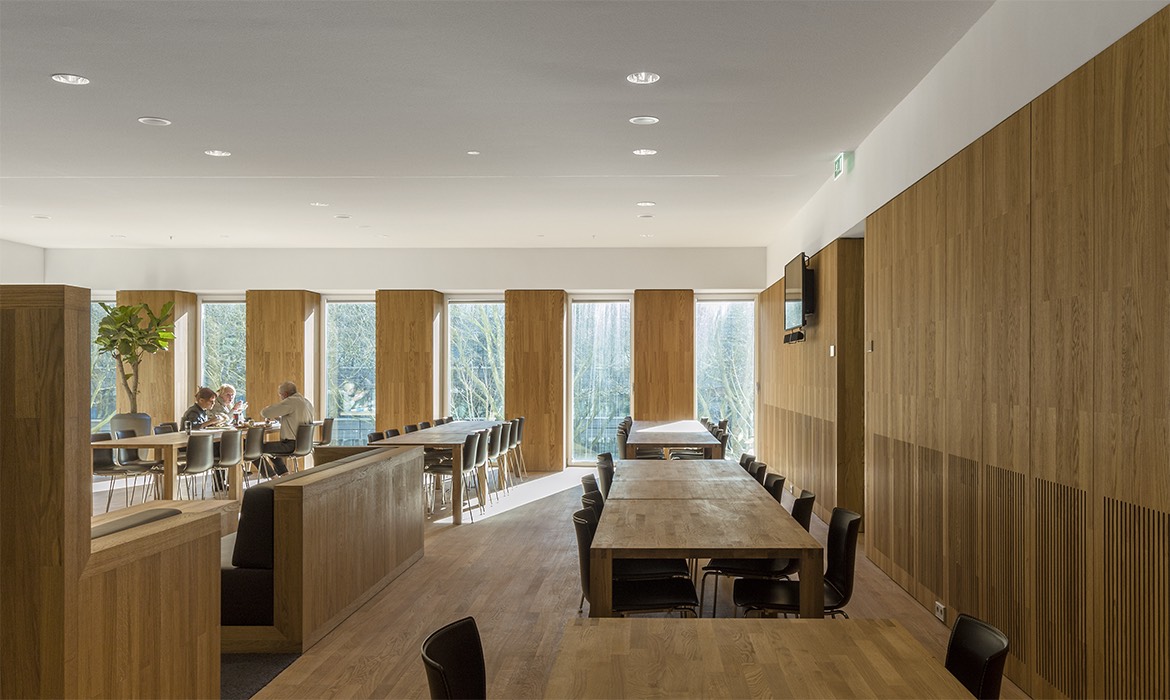
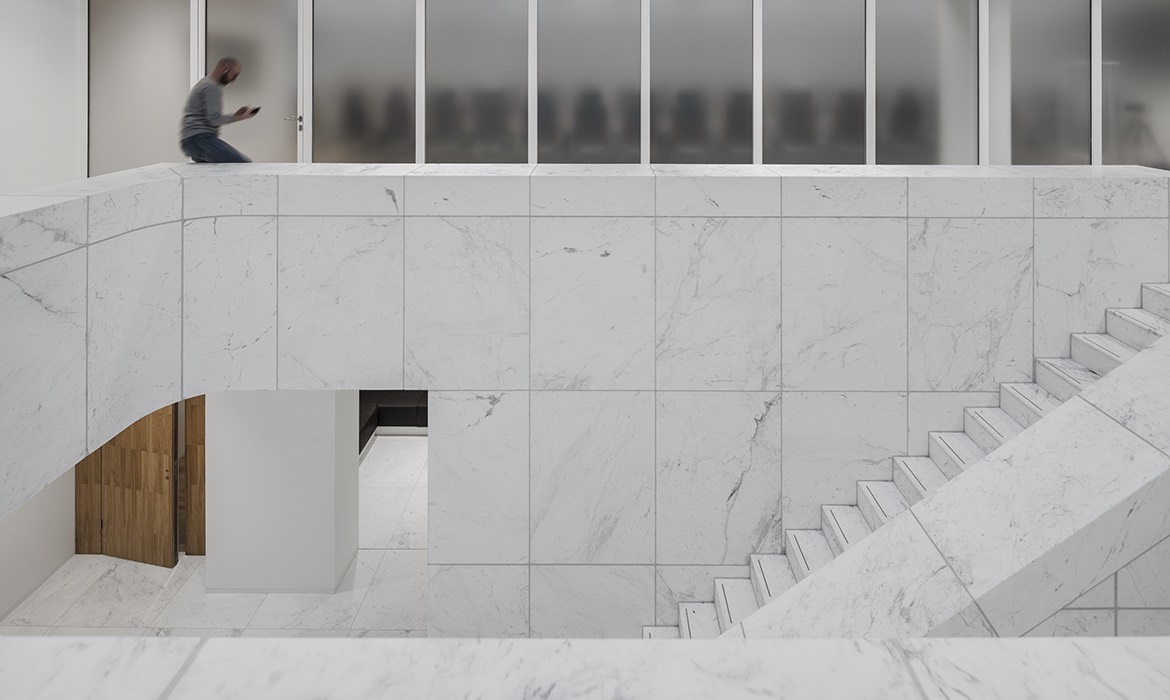
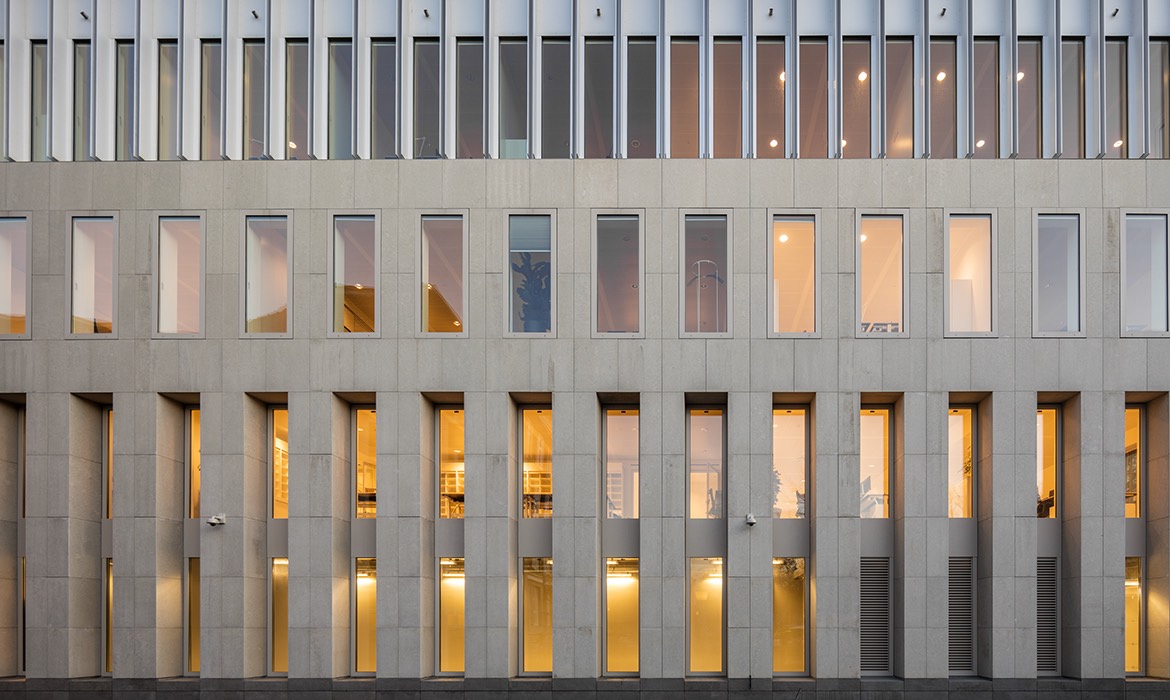
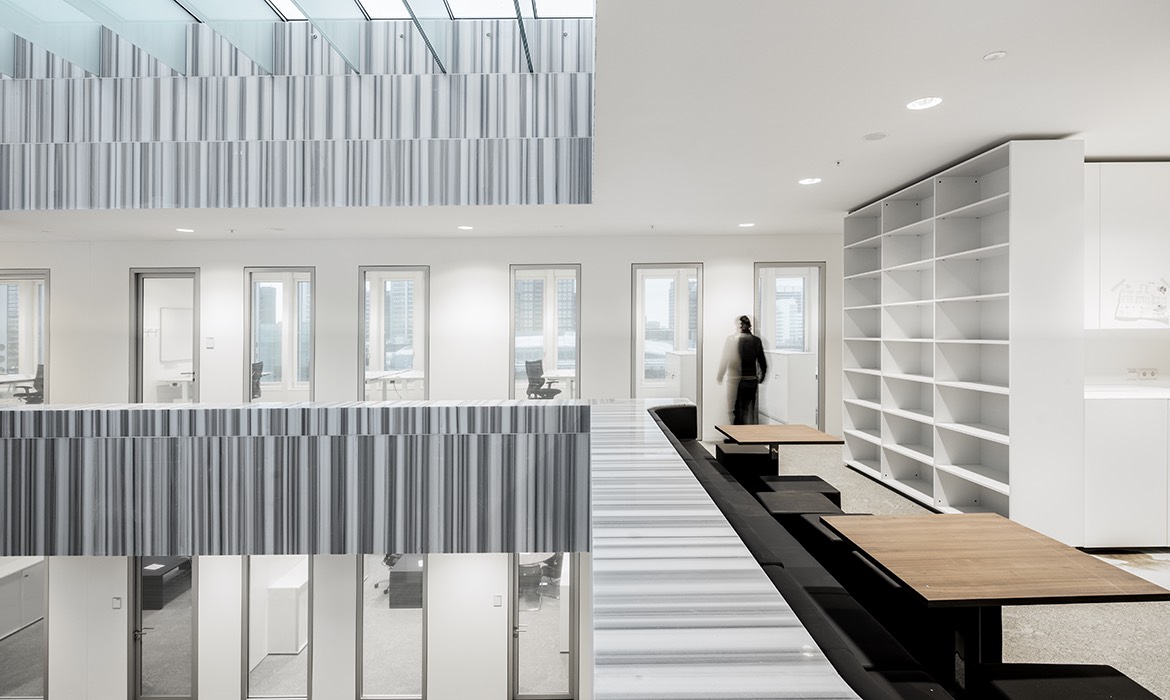
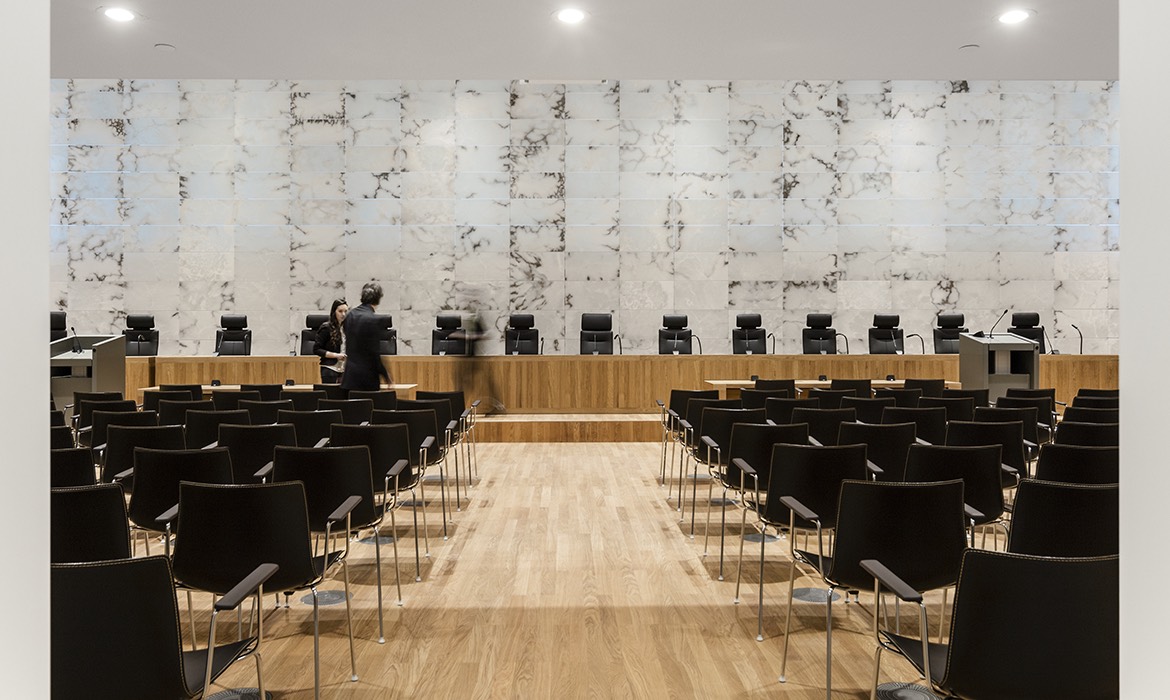
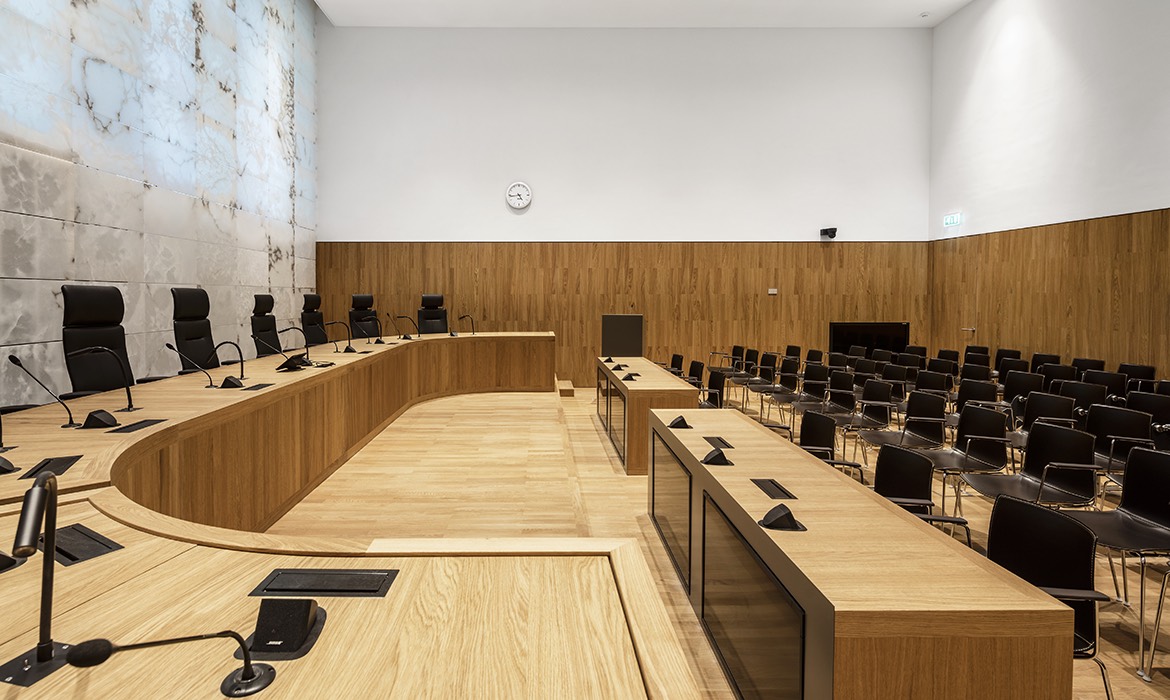
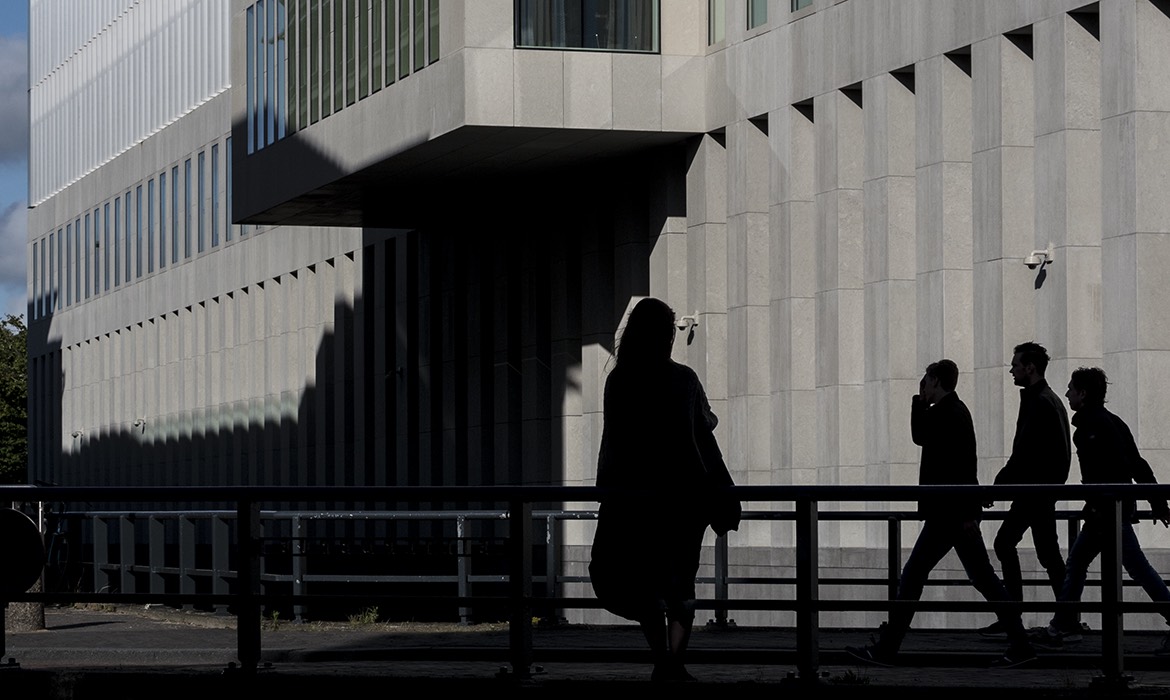
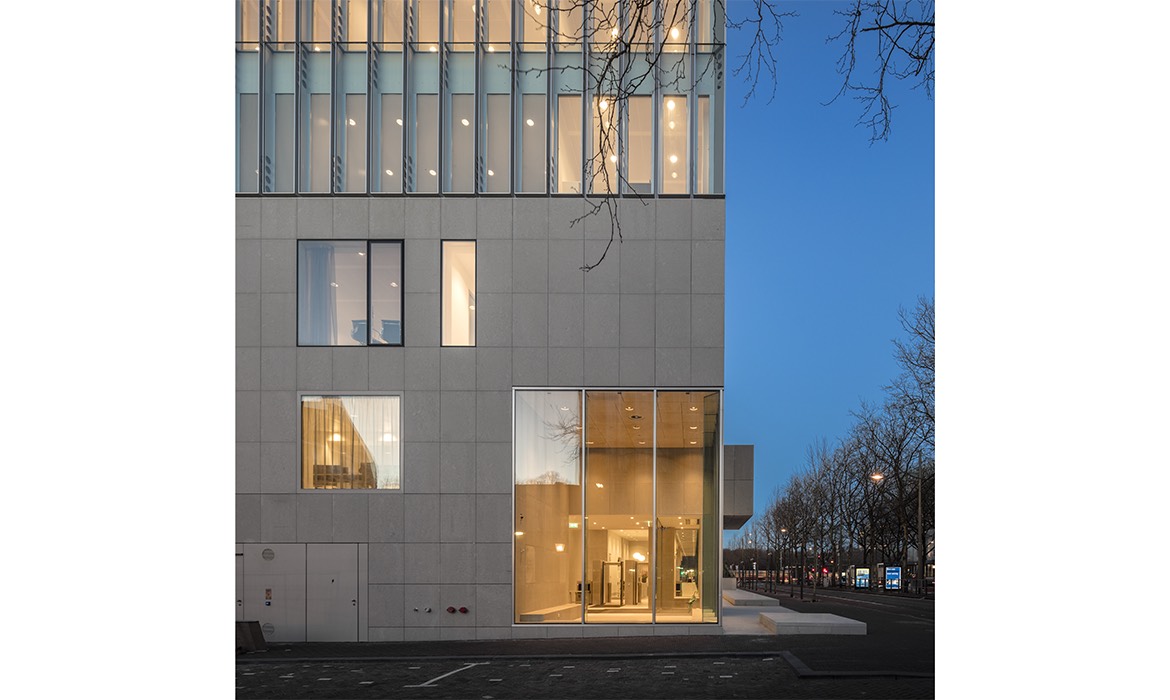
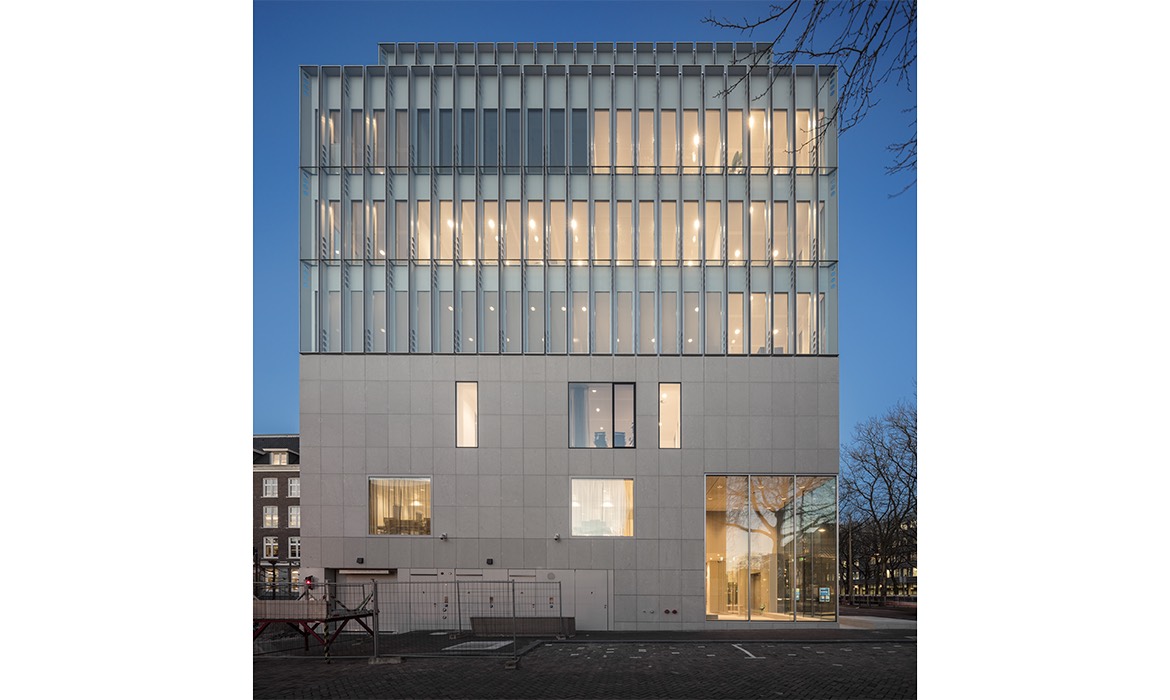
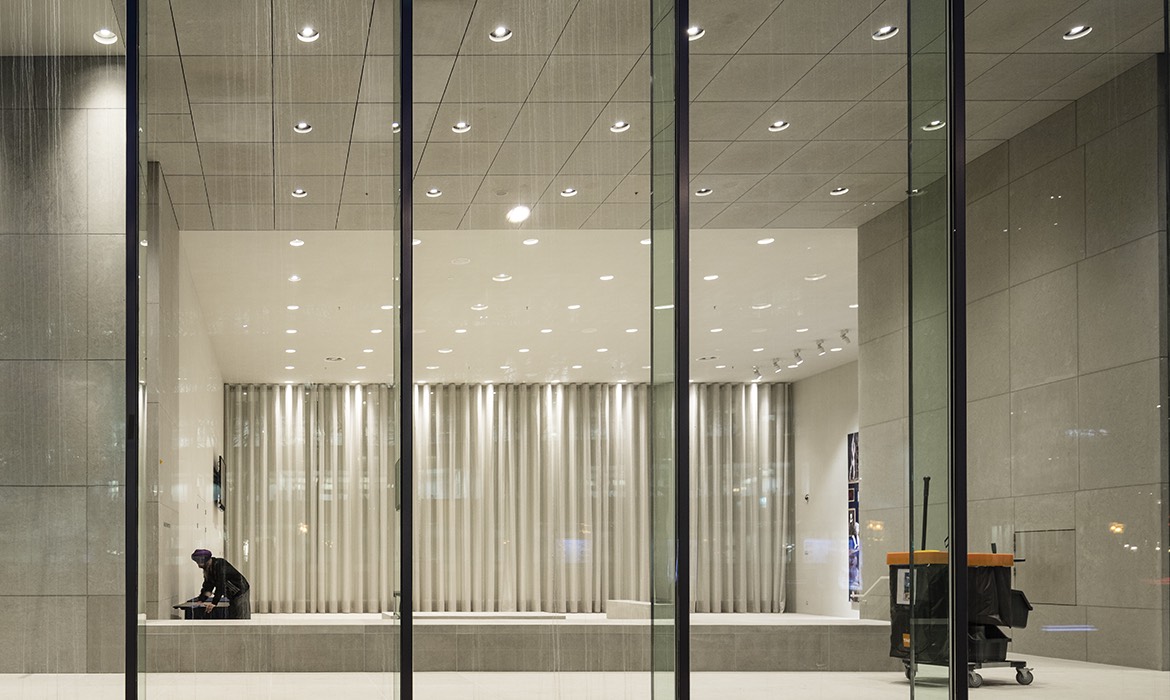
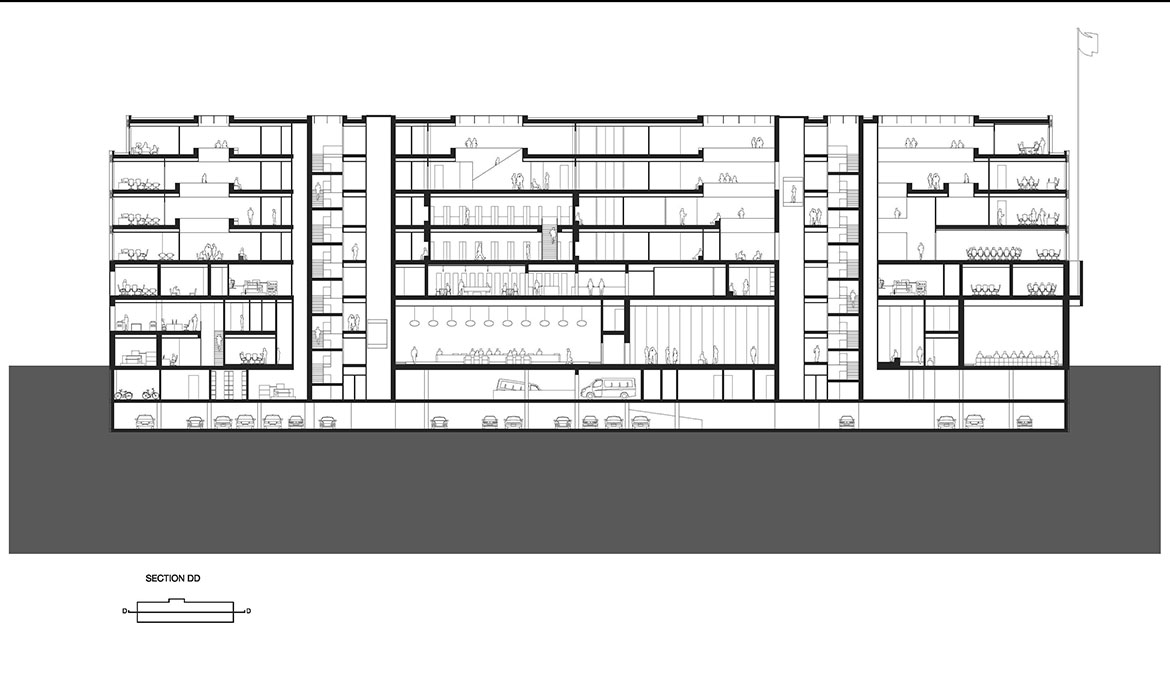
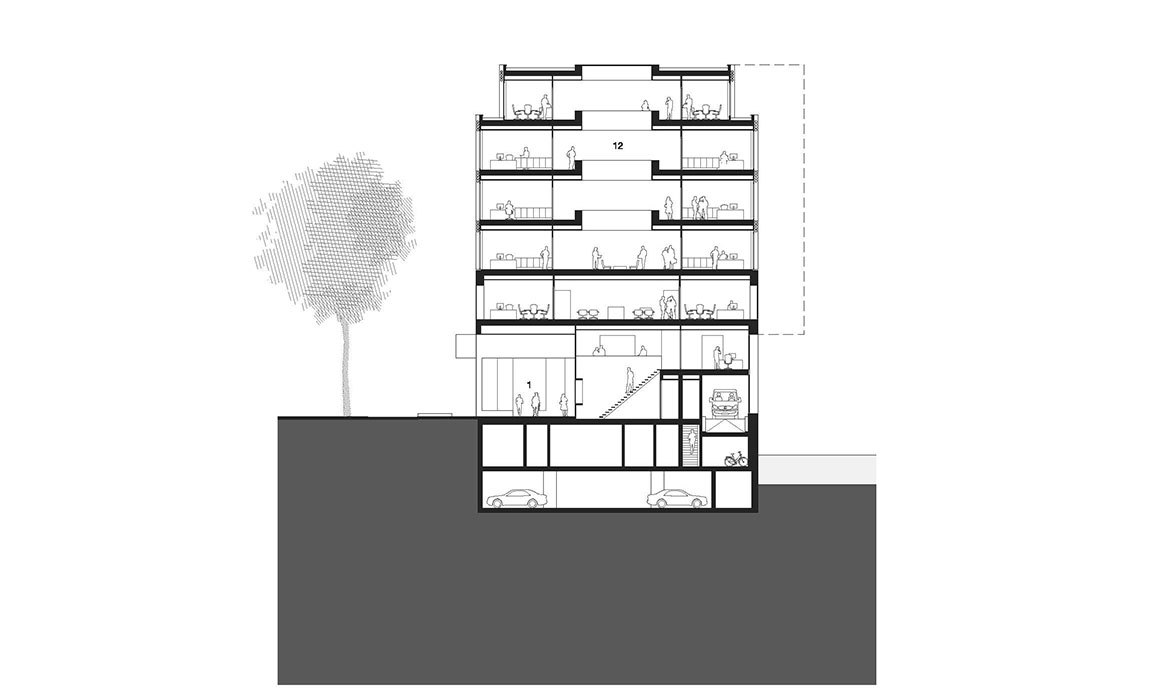
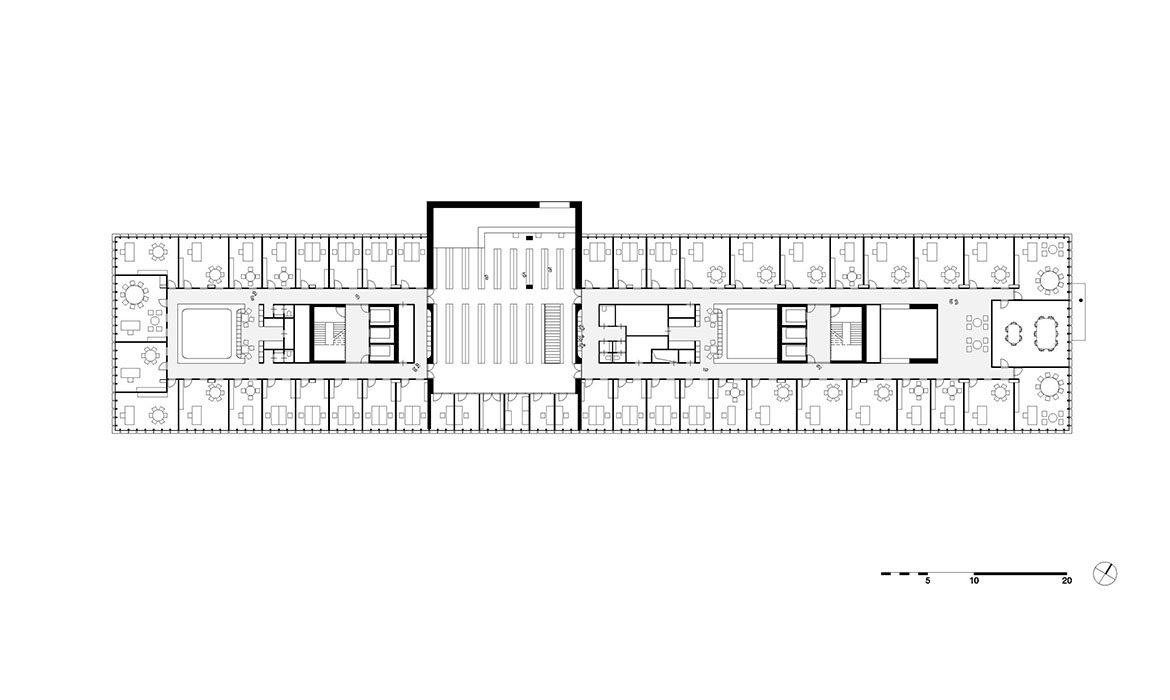
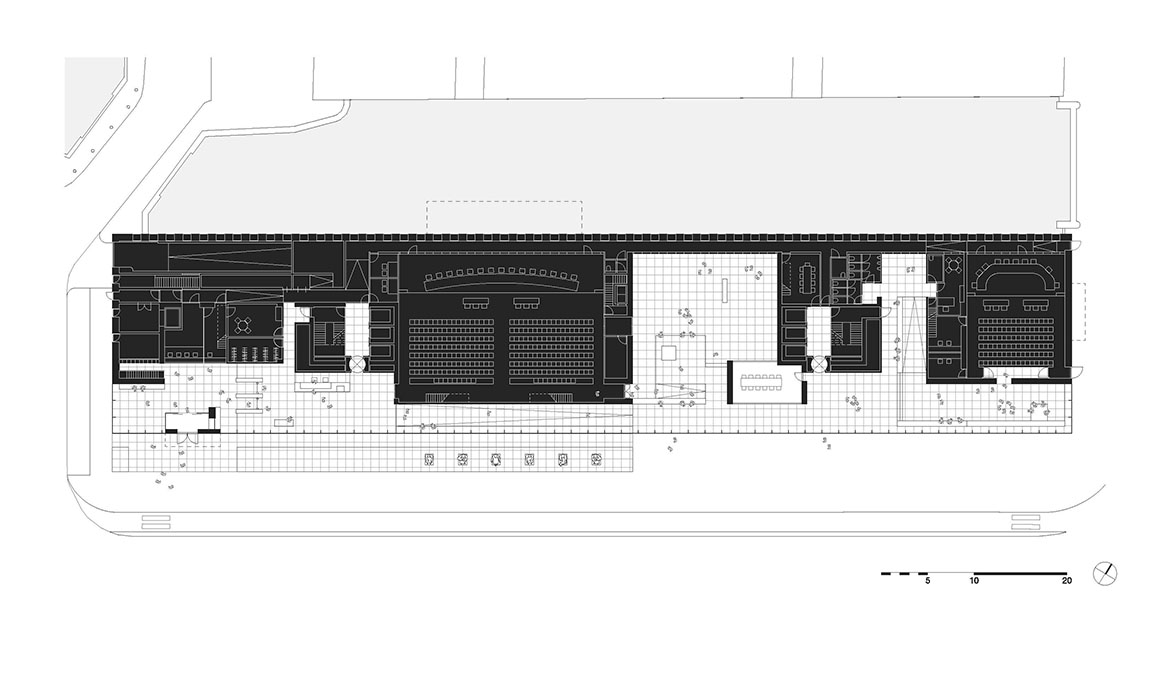
The building is firmly grounded on an earthy stone base, giving rise to a crystalline superstructure; the entrance hall’s transparency connects it to the urban space outside. The design organises the functional requirements of the Supreme Court by dividing the volume in three horizontal layers: the plinth with public areas and courtrooms, the secured private working areas above (Council, Procurator General and President offices) and facility services in between (library, restaurant, operational management).
The Supreme Court of The Netherlands is a Dutch PPP Project (public-private partnership), based on a DBFMO contract (DBFMO = Design, Build, Finance, Maintain en Operate). Within the contract, KAAN Architecten is responsible for all design/engineering/consultancy services related to urban design, landscape, architecture and interior architecture, representing the ‘D’ (Design) of DBFMO.
All parties involved in the contract (a consortium of five companies) are responsible for maintenance and correct performance of the building over a period of 30 years upon delivery. For this reason the consortium dedicated particular attention to the study of the material’s life cycle, reduction of energy consumption and operating expenses during the design and development of the project. The project is classified as Class 1 and built to last over 100 years.
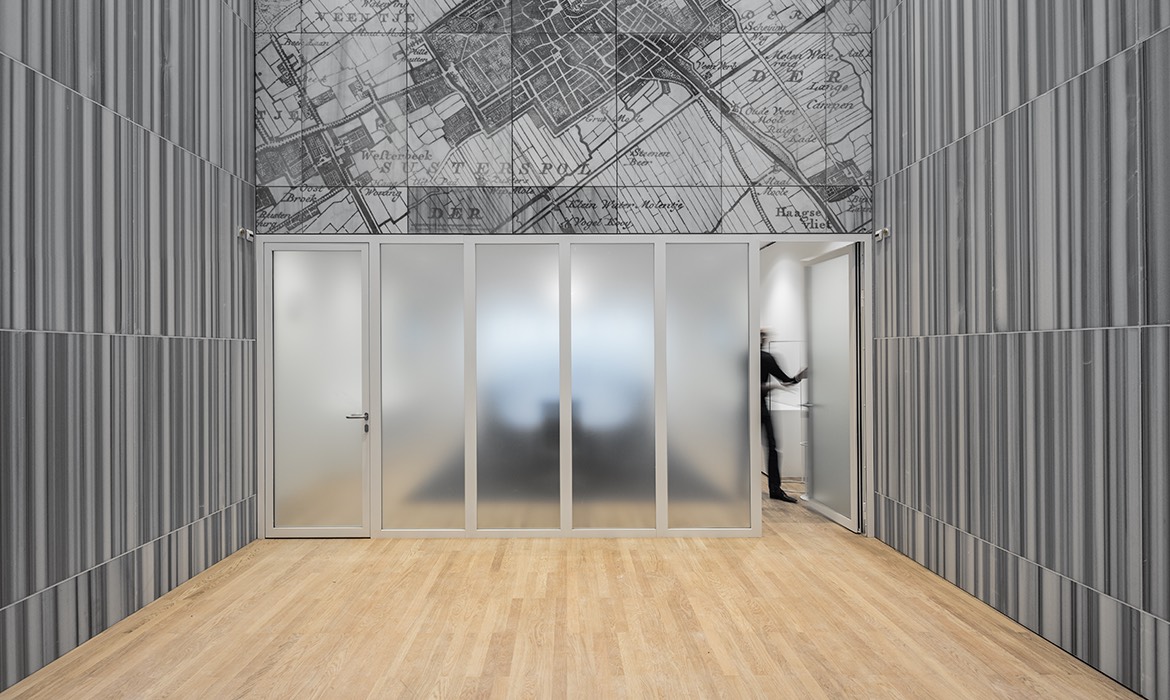
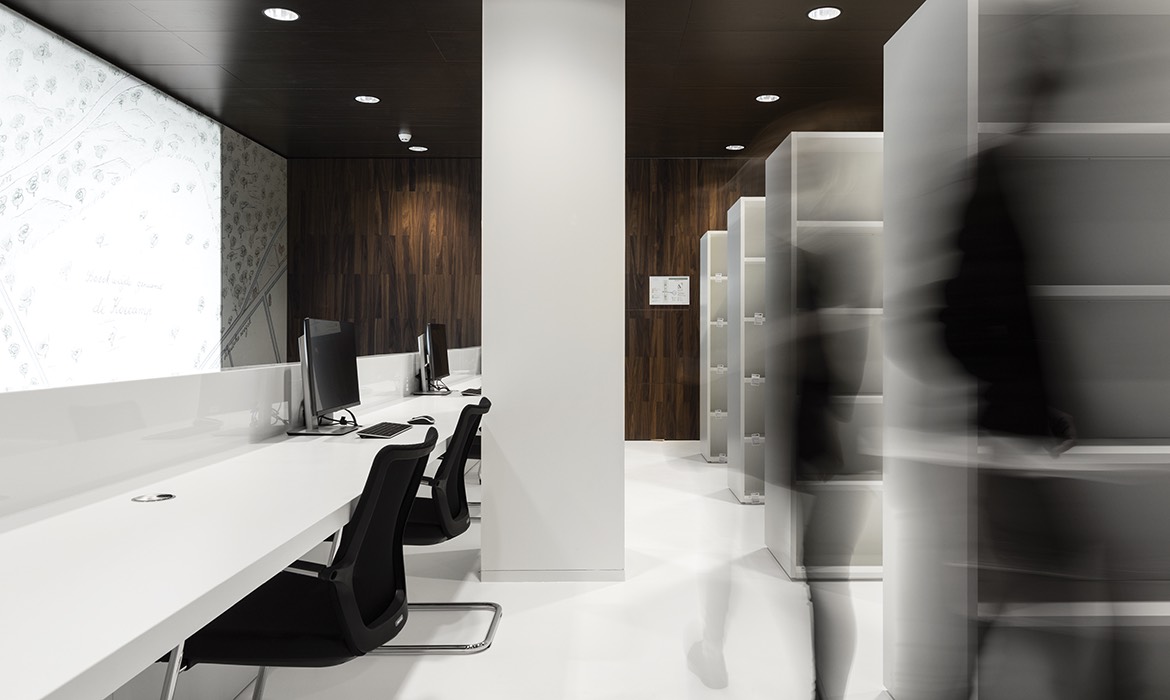
The Supreme Court is a comfortable and sustainable building (GreenCalc+ MIG 200), where adaptability is a core design factor. Construction and technical installations are designed to easily adapt to future changes. The monumentality of the building is combined with exceptional meticulousness in the construction details and design choices focusing on longevity of the materials employed.
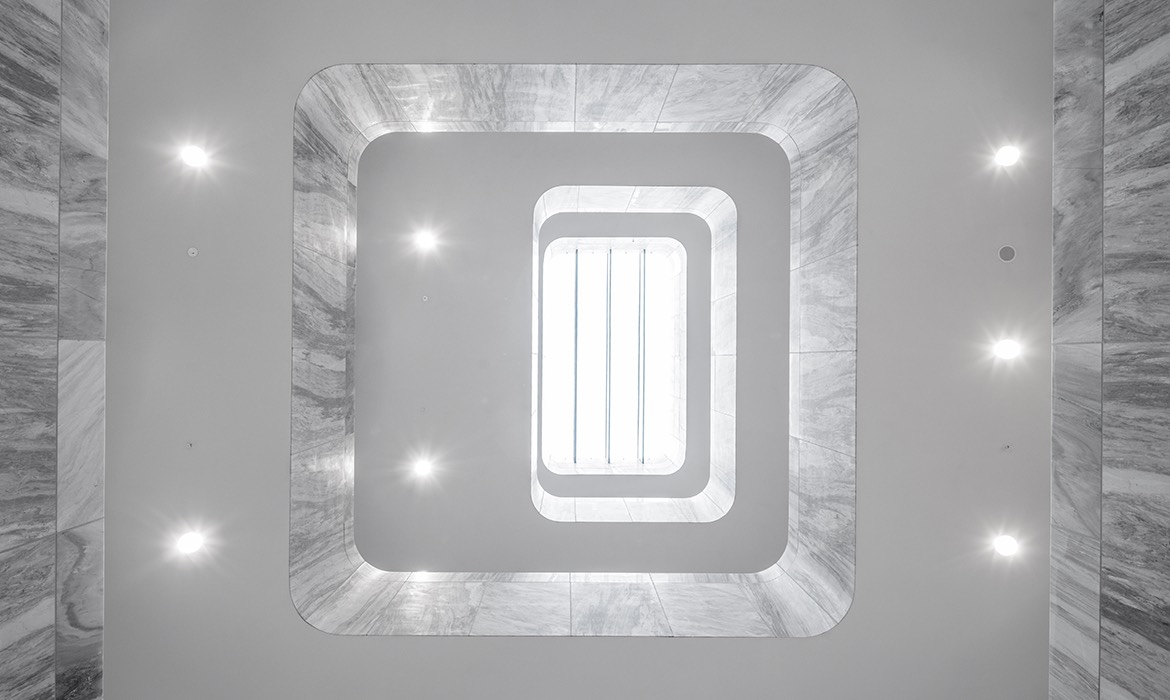
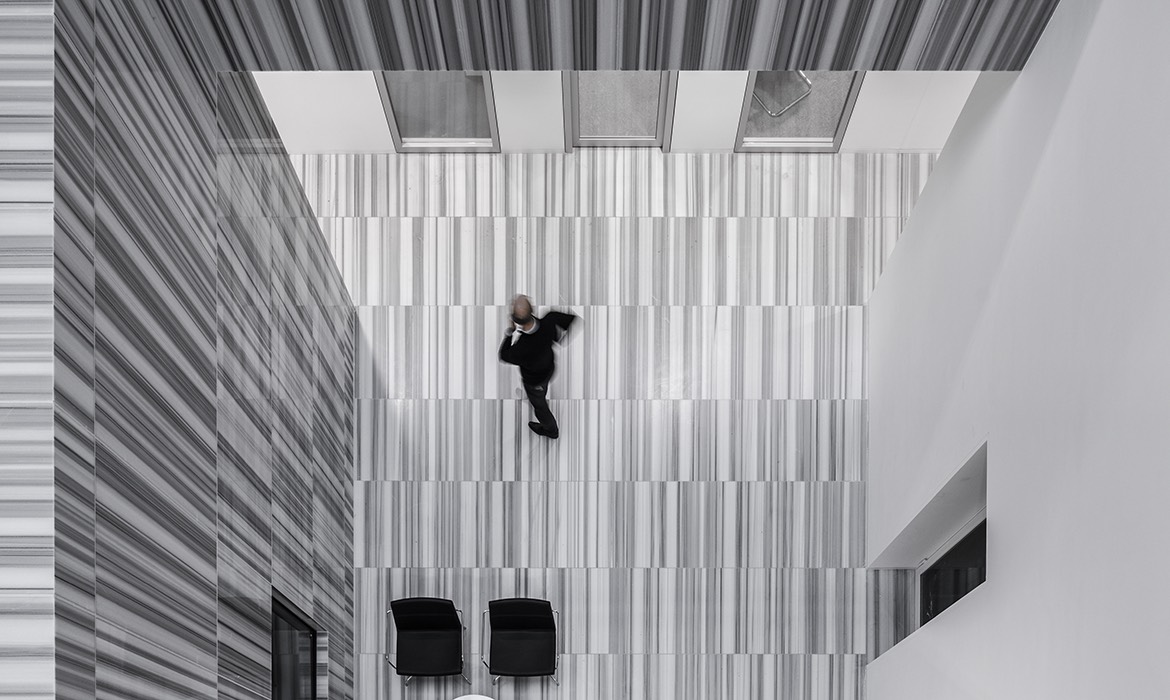
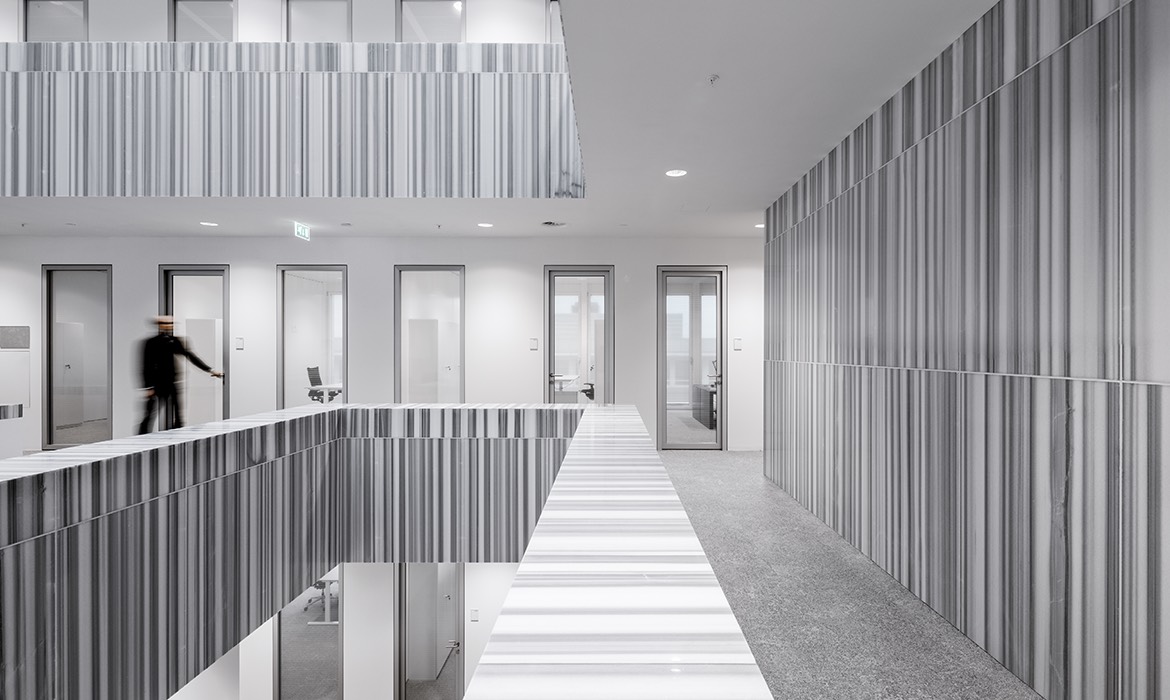
The vertical light wells and the transparent frontal façade perform the dual purpose, of drawing natural light into the heart of the building, effectively reducing the use of natural light throughout the year and forming the cores of the different domains and the public atrium. The upper facades are a sophisticated double-layered design providing excellent climate control. This solution provides an ergonomic and healthy workplace environment with natural materials and generous day light levels. The double-layered design allows occupants to open windows, adjust shading and privacy to their personal preferences, without wind and noise entering the interior spaces.
Cronologia:
Dicembre 2012-Gennaio 2014
Progettazione
Settembre 2013-Gennaio 2016
Realizzazione