JIGIYA SO centro di riabilitazione psicomotoria

Crediti
Cliente
Francesco Pianzola Foundation
Collaboratori
Chiara Gugliotta
Elena Verri
F. Baldessari
Mattia Calore
Emile Coulibaly
F. B. Panero
Autori
Emilio Caravatti
Matteo Caravatti
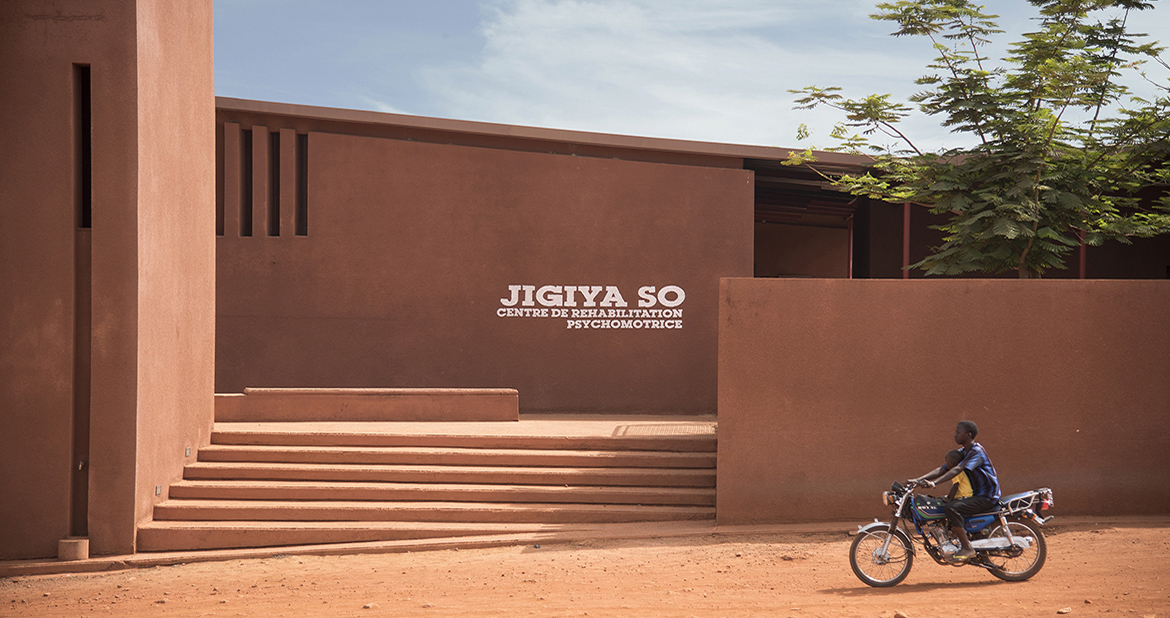
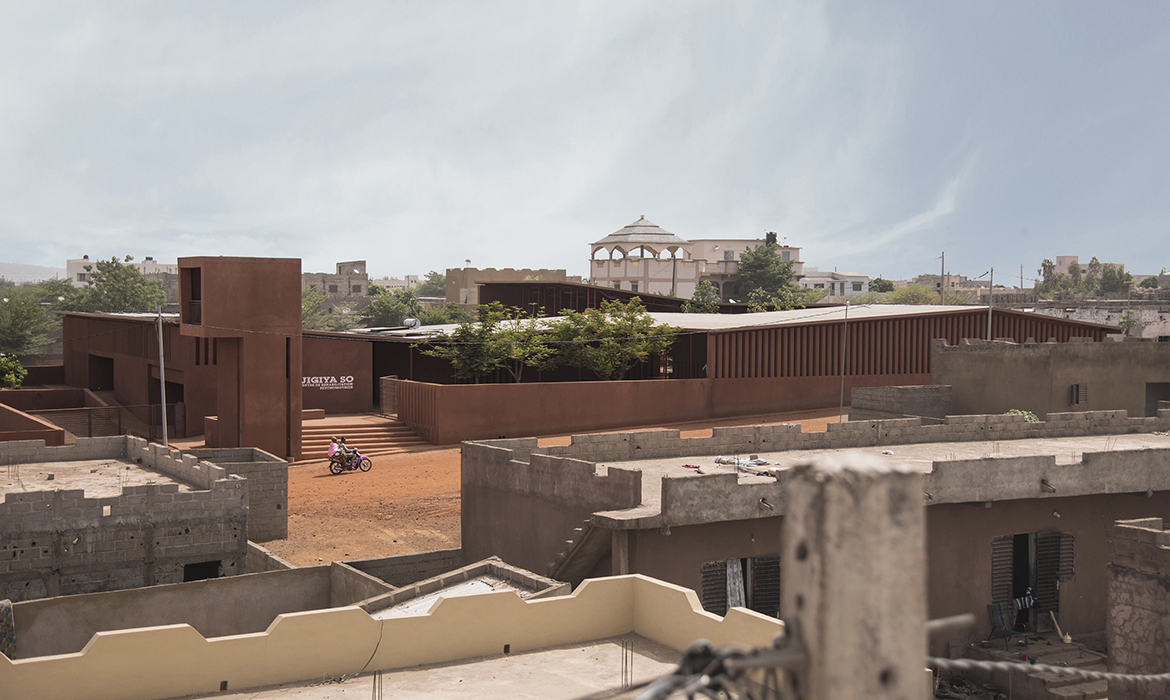
The JIGIYA SO Psychomotor Rehabilitation Center, addresses the issue of disability and its social integration in the booming district of Kati, 20 Km north from Bamako, the capital of the Republic of Mali. Its main goal is to start a process able to raise awareness about disability, far from being dealt in these areas in West Africa.
Disegni tecnici:
Report esteso:
Relazione estesa
The JIGIYA SO Psychomotor Rehabilitation Center, addresses the issue of disability and its social integration in the booming district of Kati, 20 Km north from Bamako, the capital of the Republic of Mali. Its main goal is to start a process able to raise awareness about disability, far from being dealt in these areas in West Africa. In Mali, with thirteen million inhabitants, there are no centers that promote a therapeutic support for people with disabilities, either physical or psychological, as well as a help to enter actively in the community.
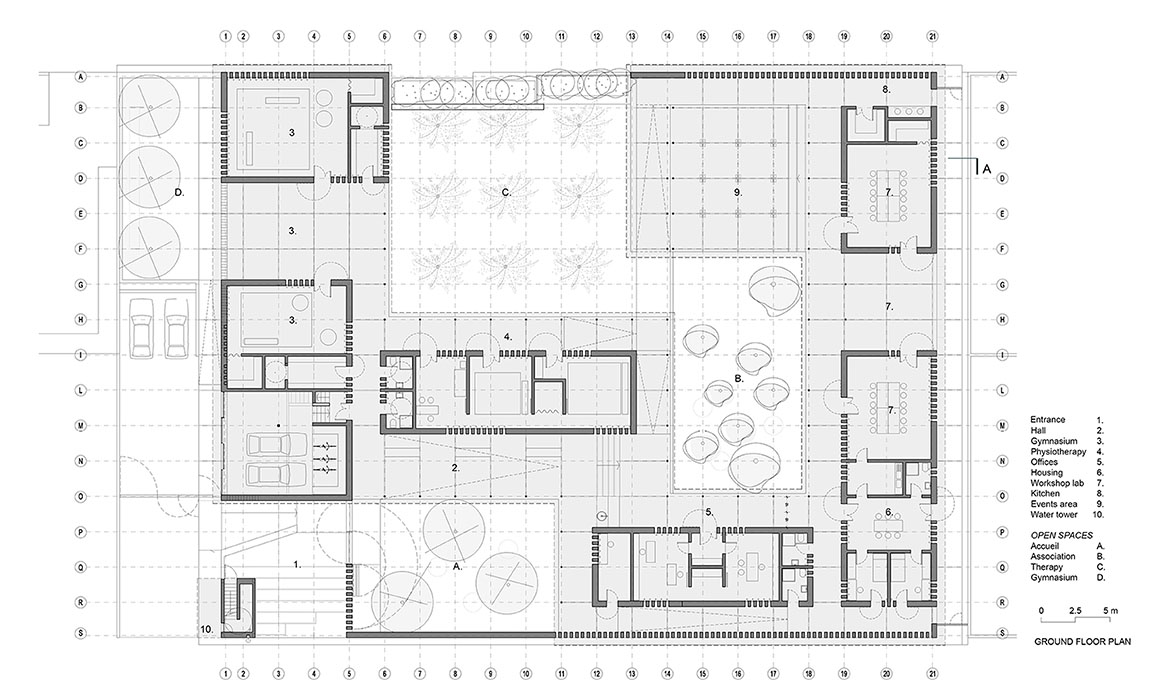
The project integrates functions related to therapy, for individual or group, with public functions opened for the local community and associations, also available for the population in the vast rural areas of the nearby Savannah’s region. It’s equipped with rehabilitation gyms, visiting spaces and workshops rooms.
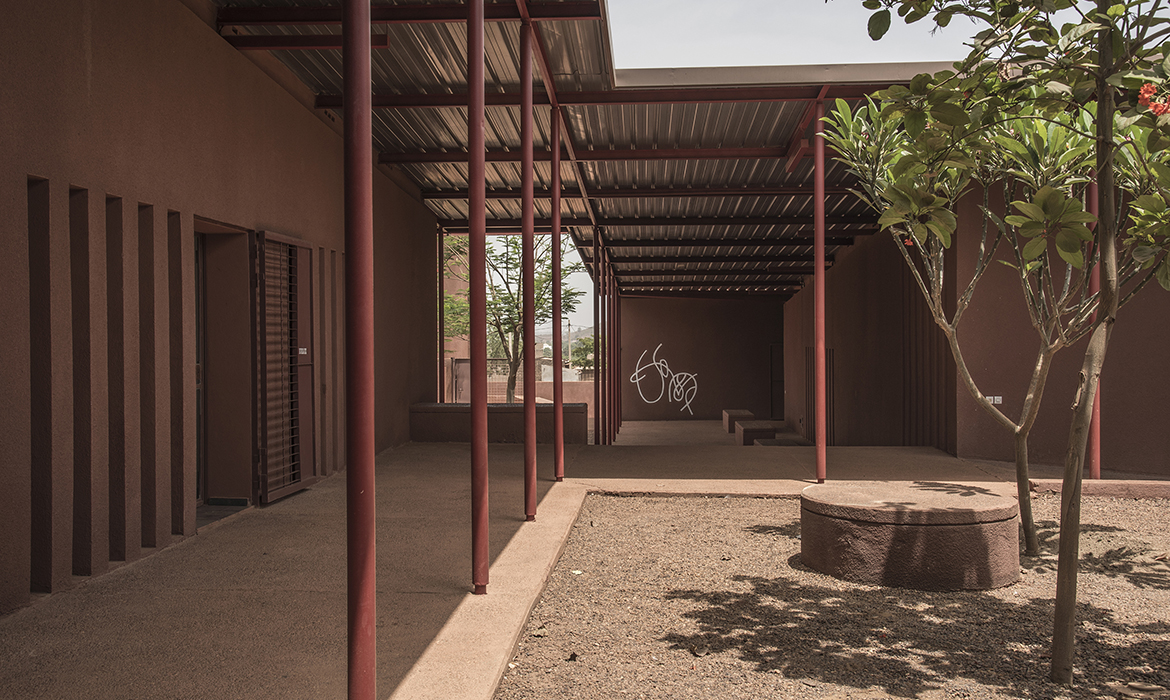
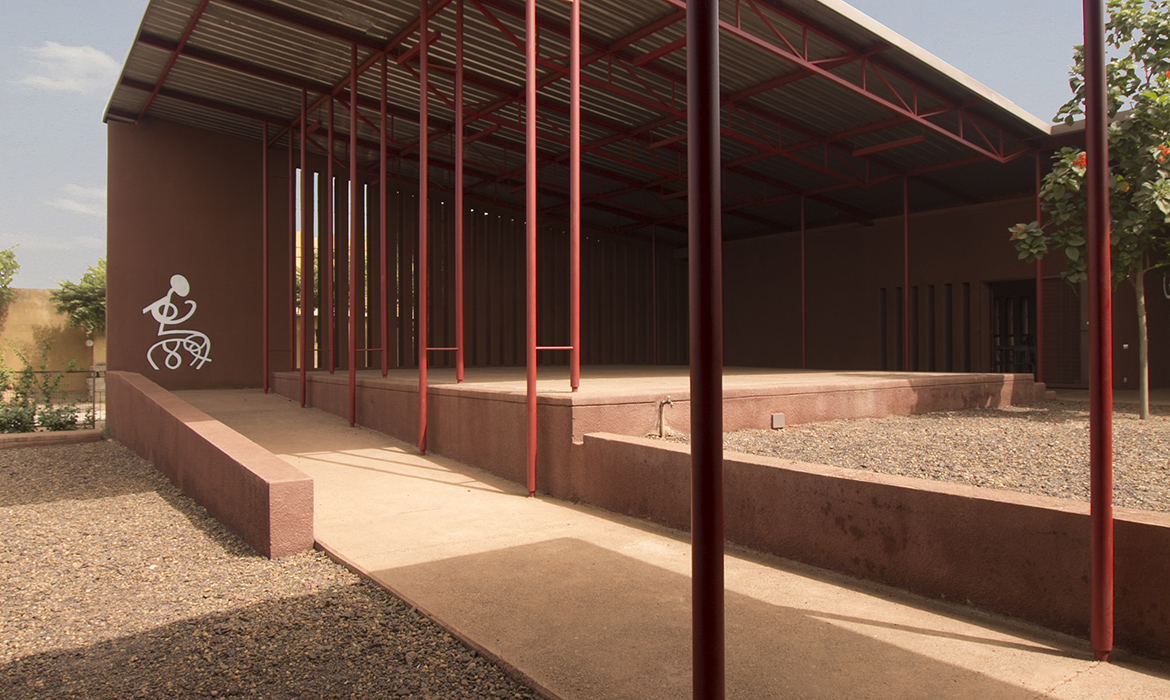
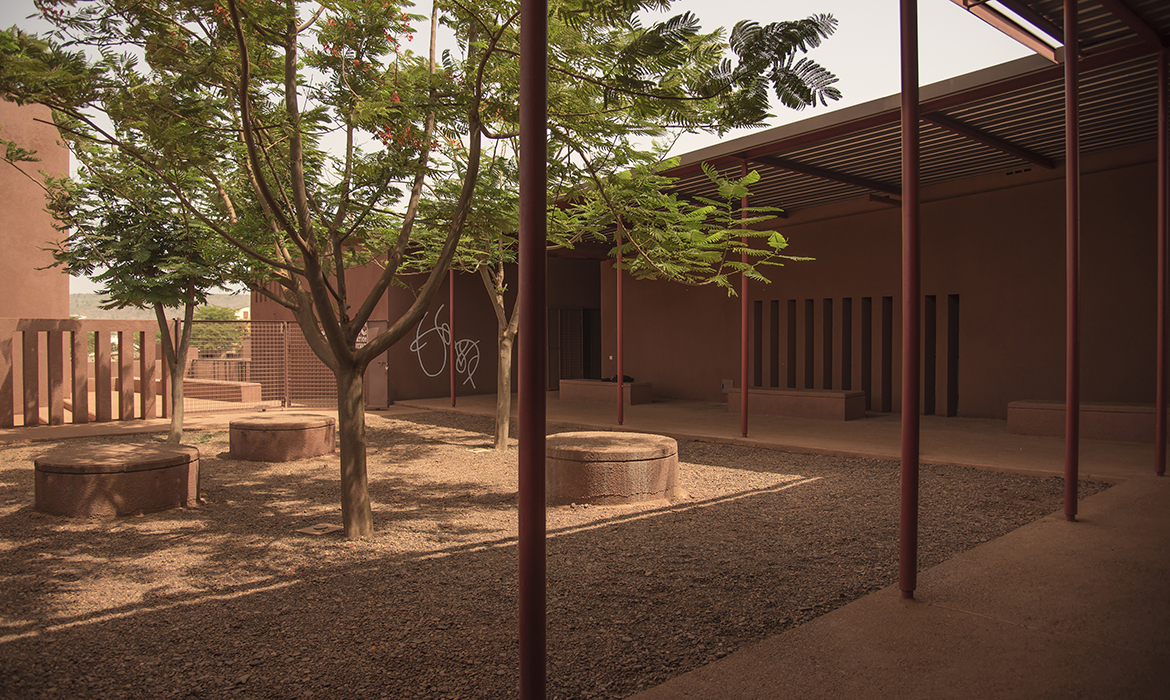
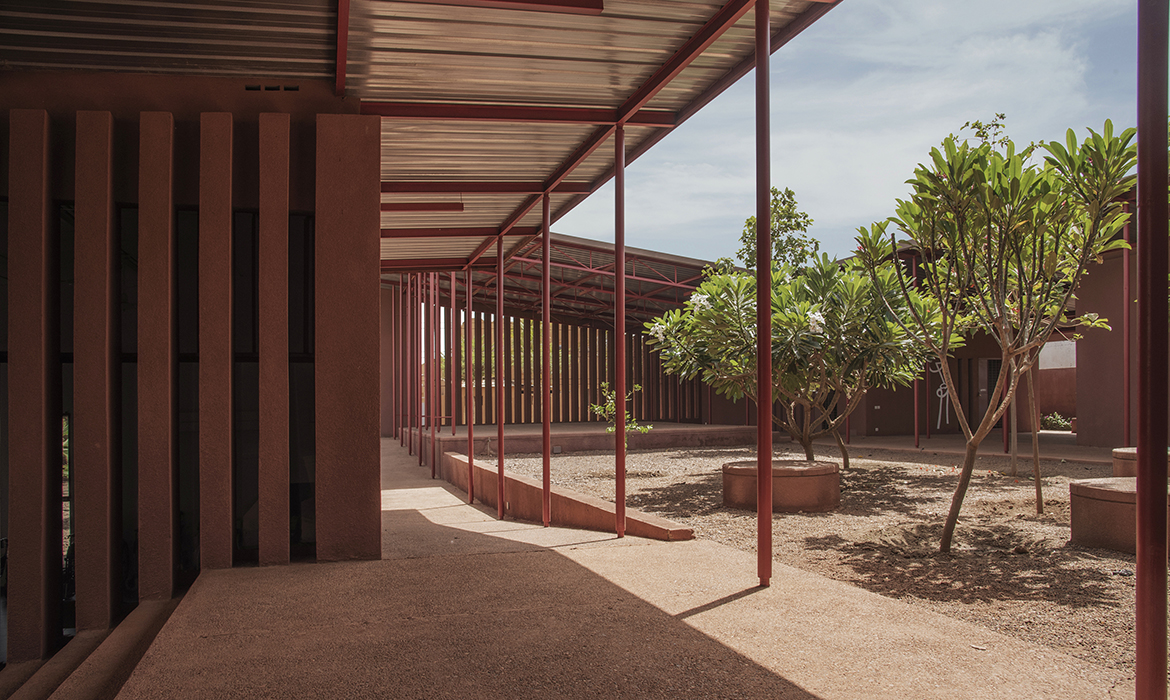
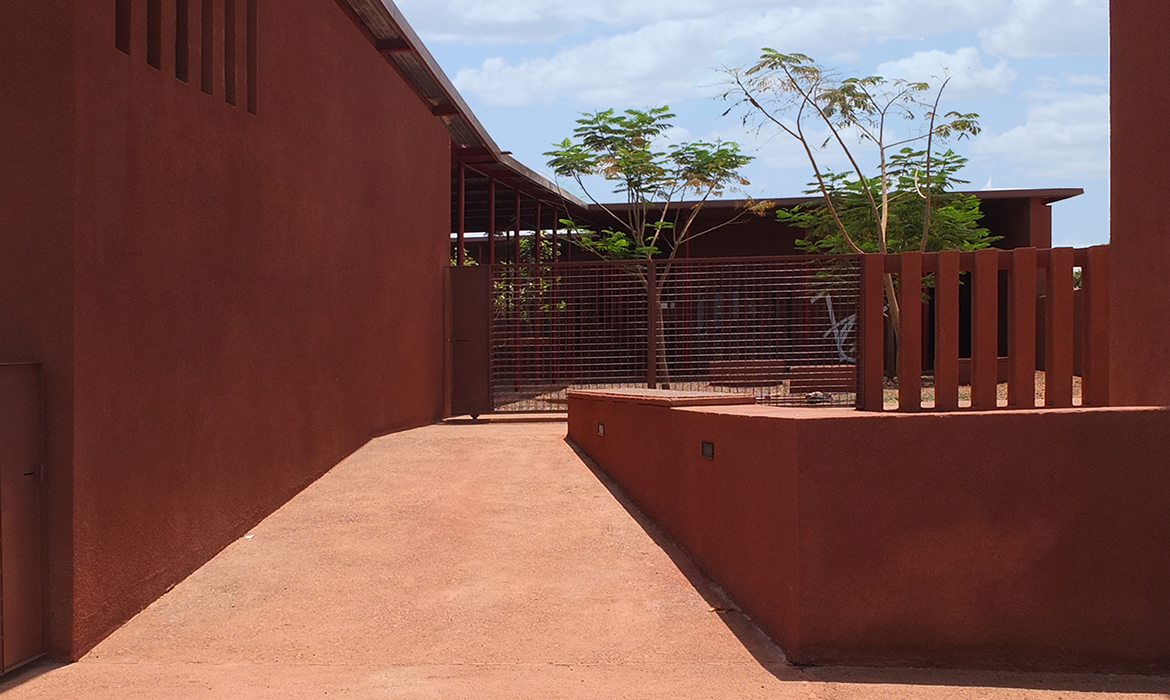
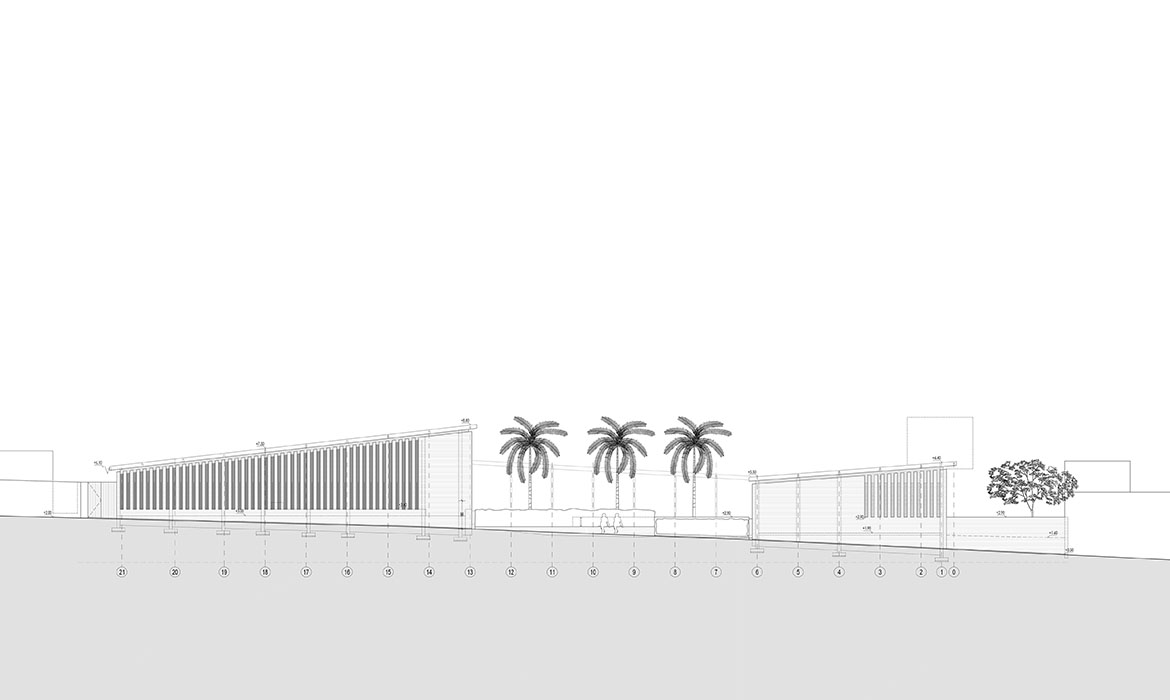
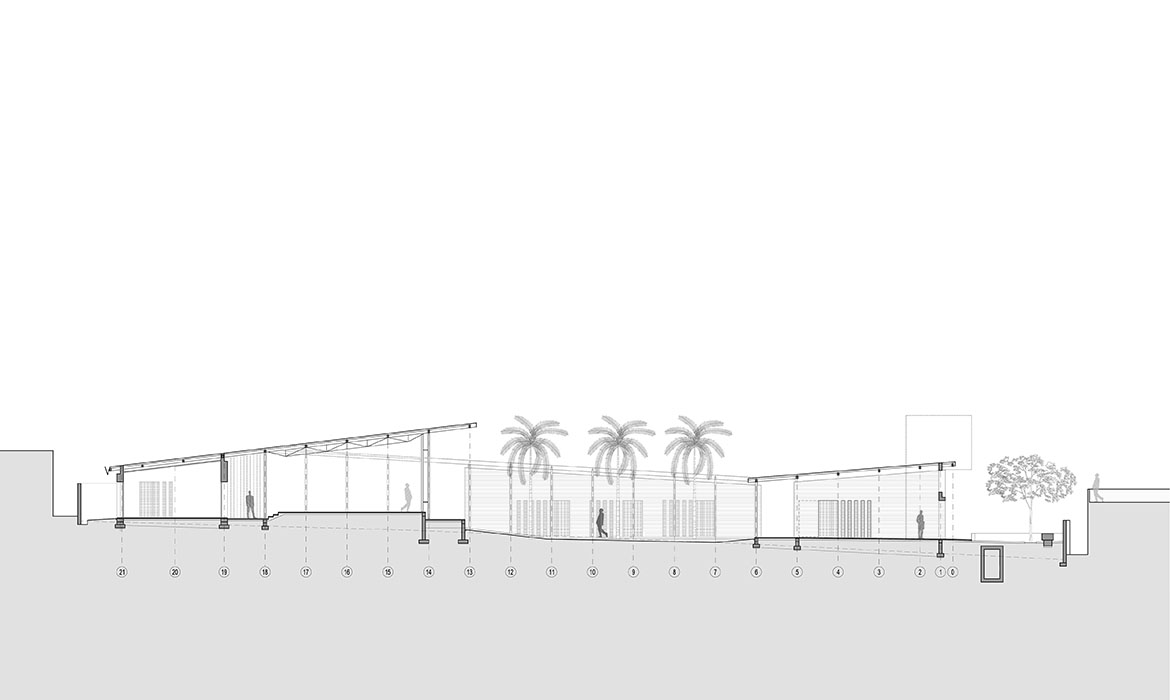
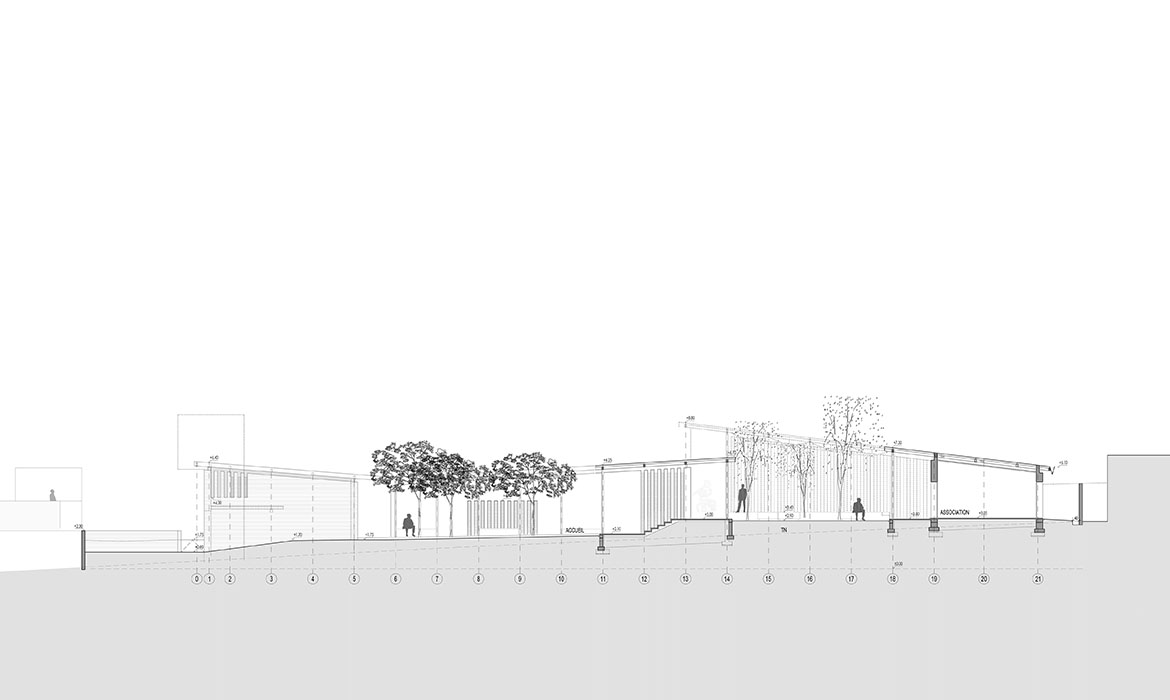
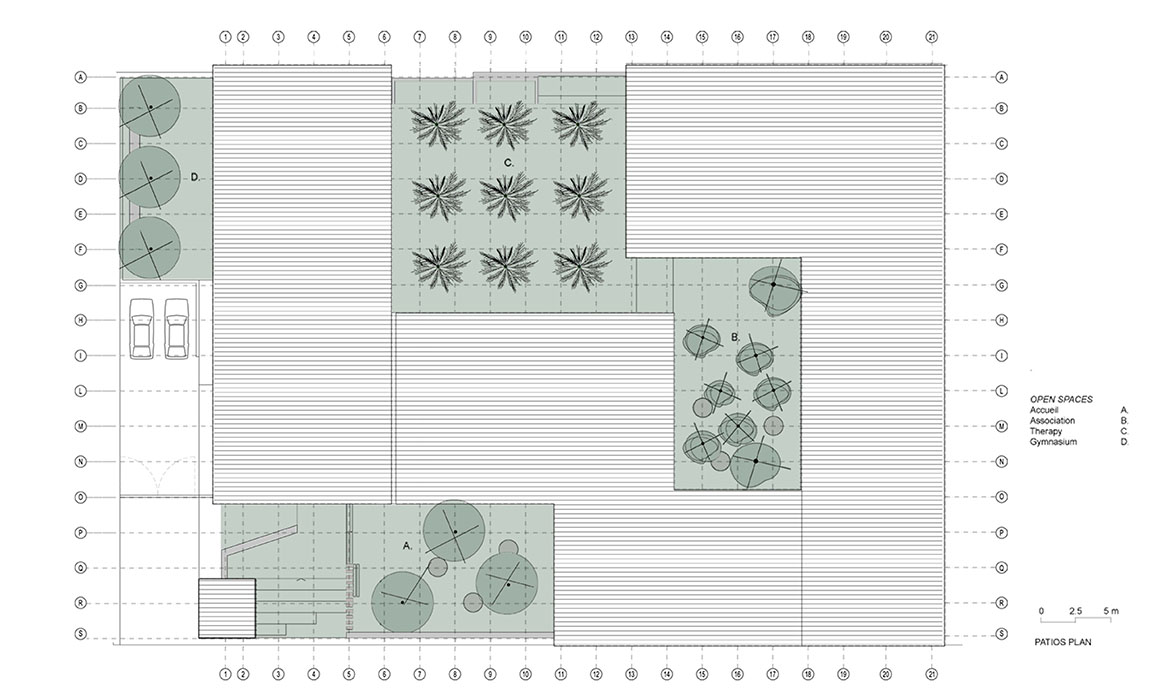
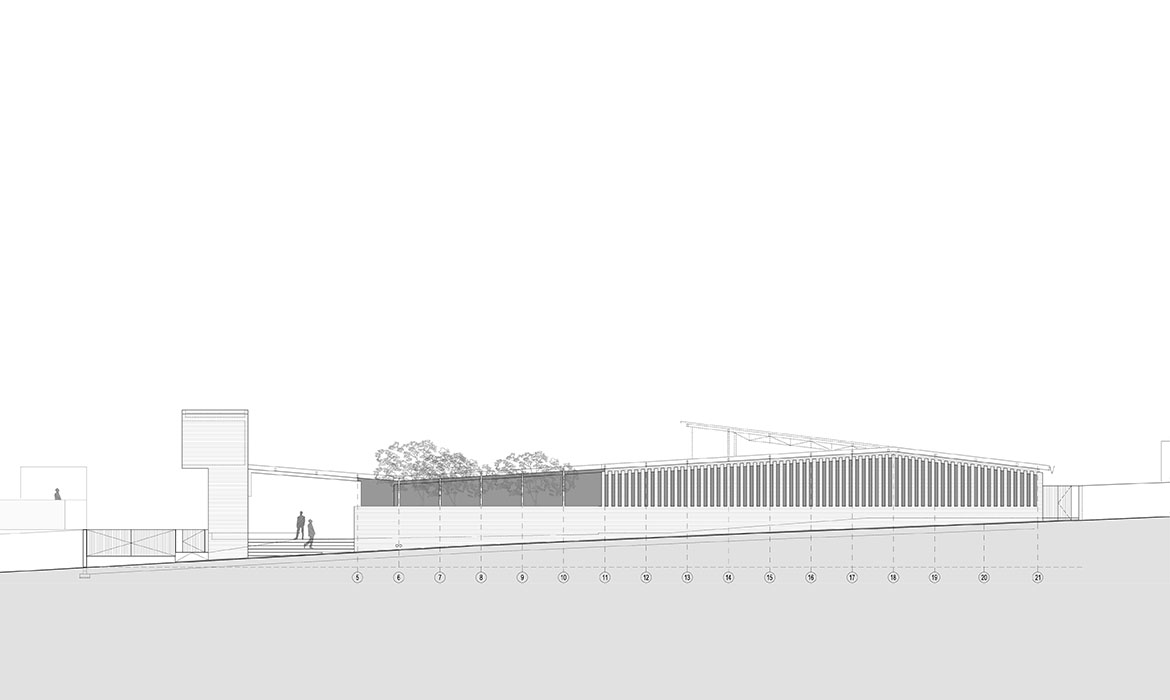
On a sloping plot, functions are located under a single roof around porches with patio shady gardens. Each of them, like open-air rooms dedicated to the activities, is characterized by different native species, as metaphor of a multicultural and integrated community. The organization of the pavilions create inner spaces that provide favorable microclimate and the environmental comfort. A continuous concrete floor, casted with gravel and oxides, connects the two existing quotas enabling the use of spaces for people with mobility difficulties.
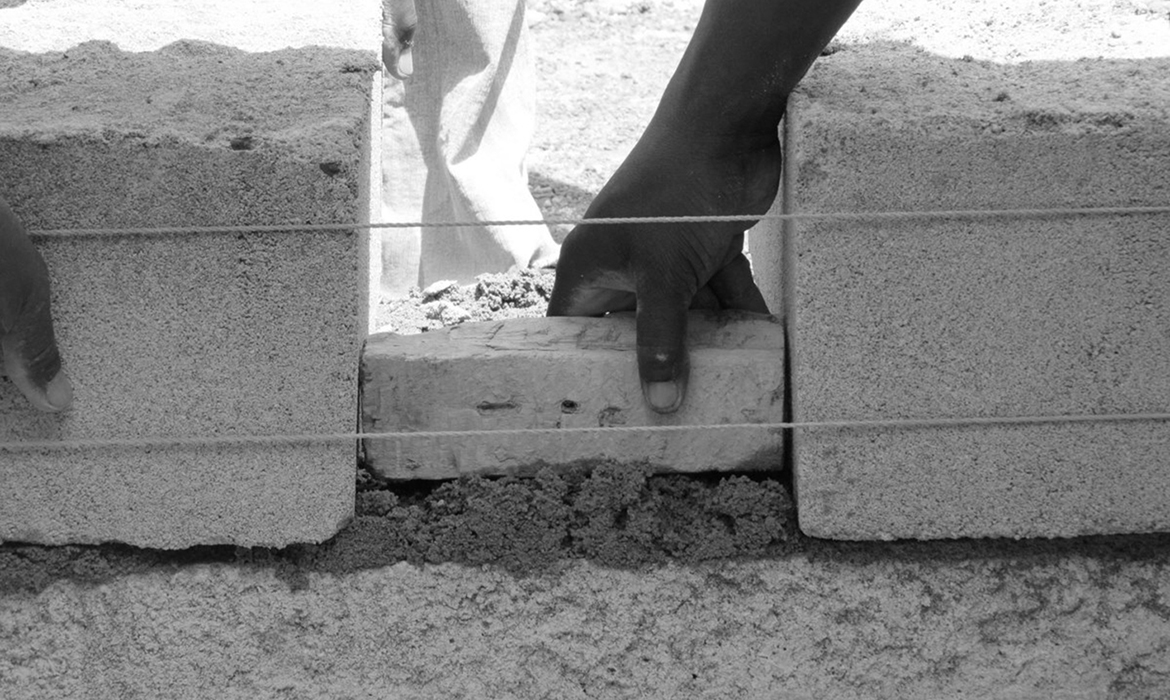
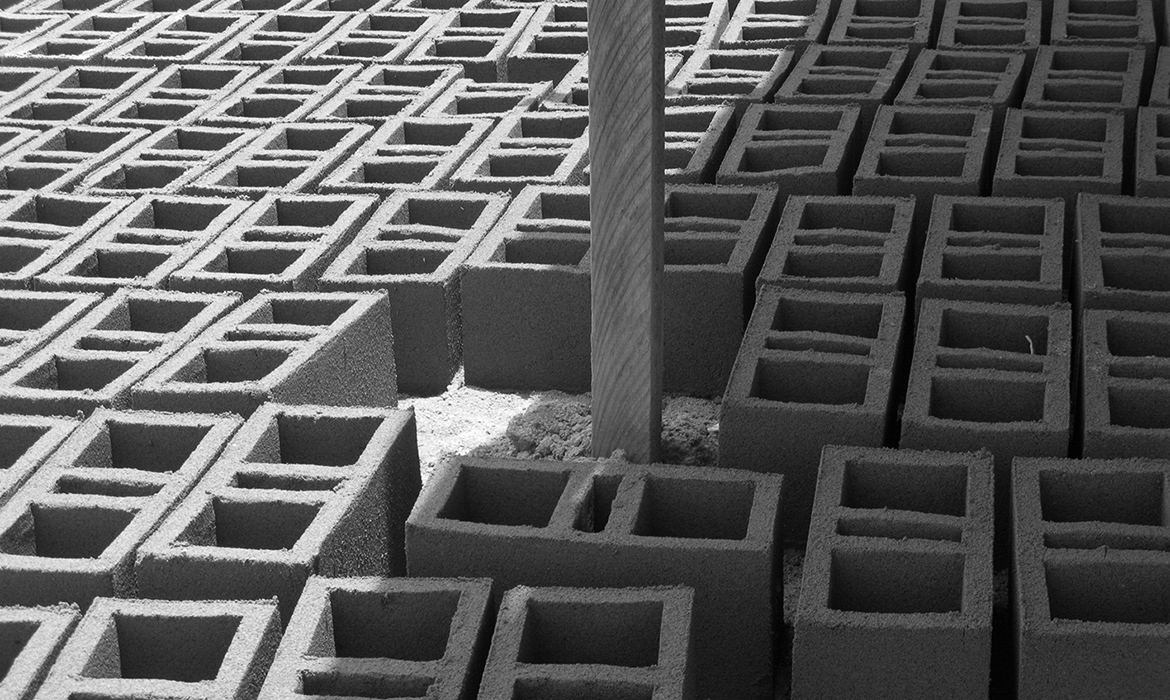
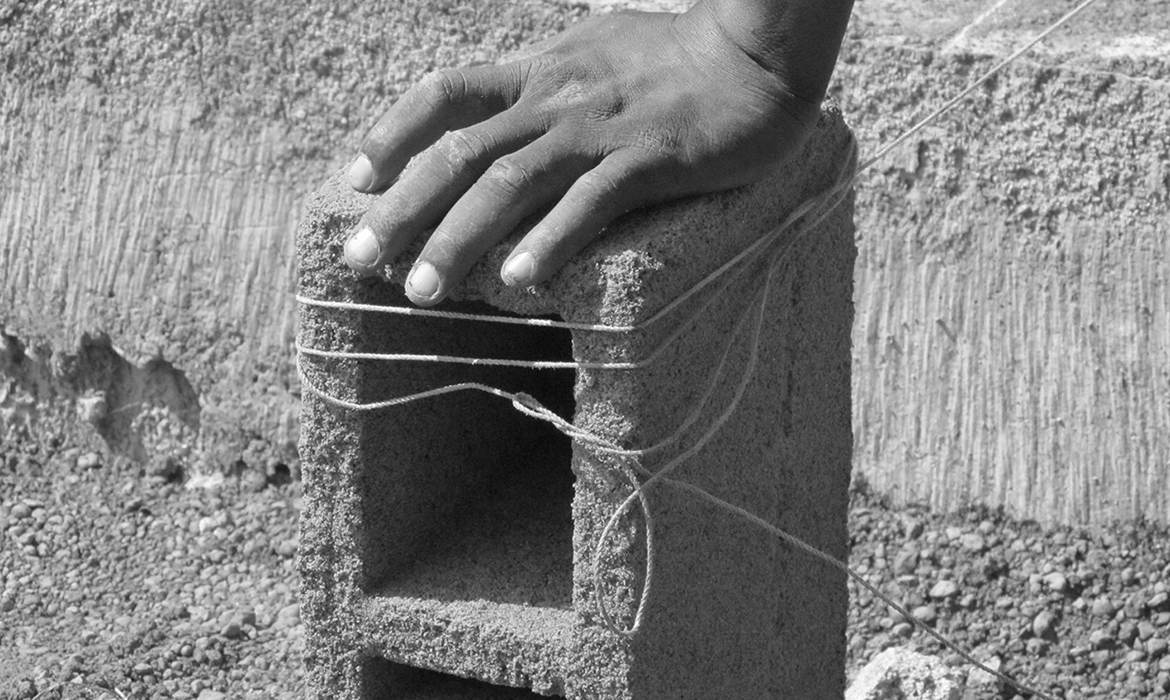
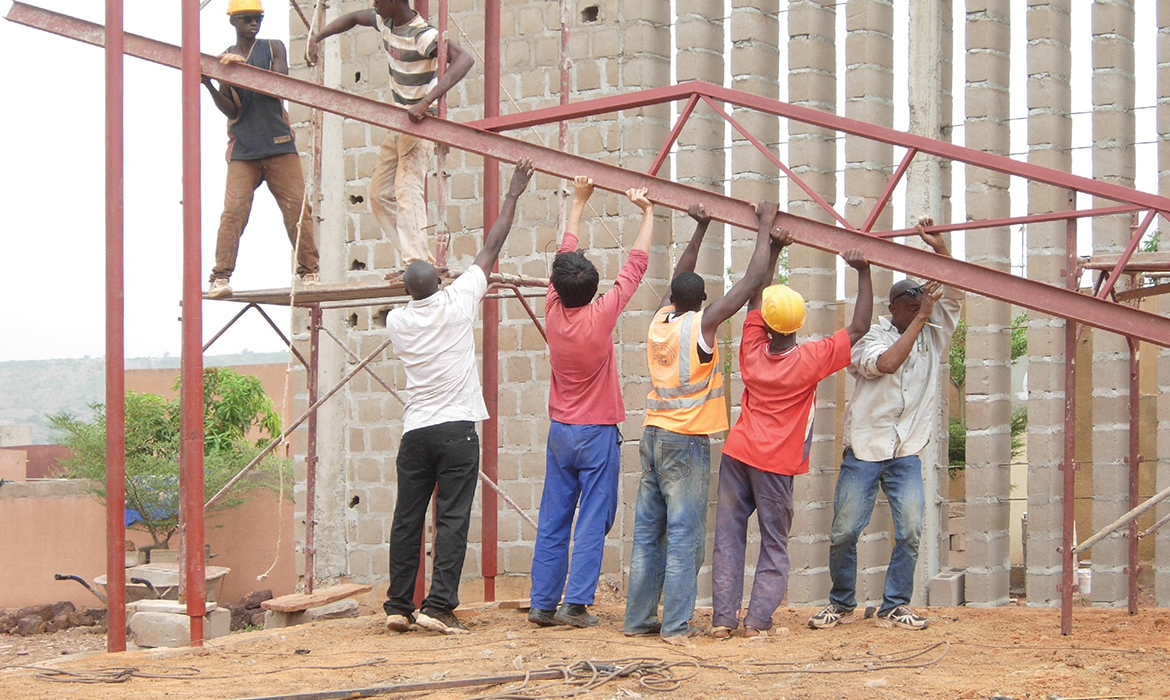
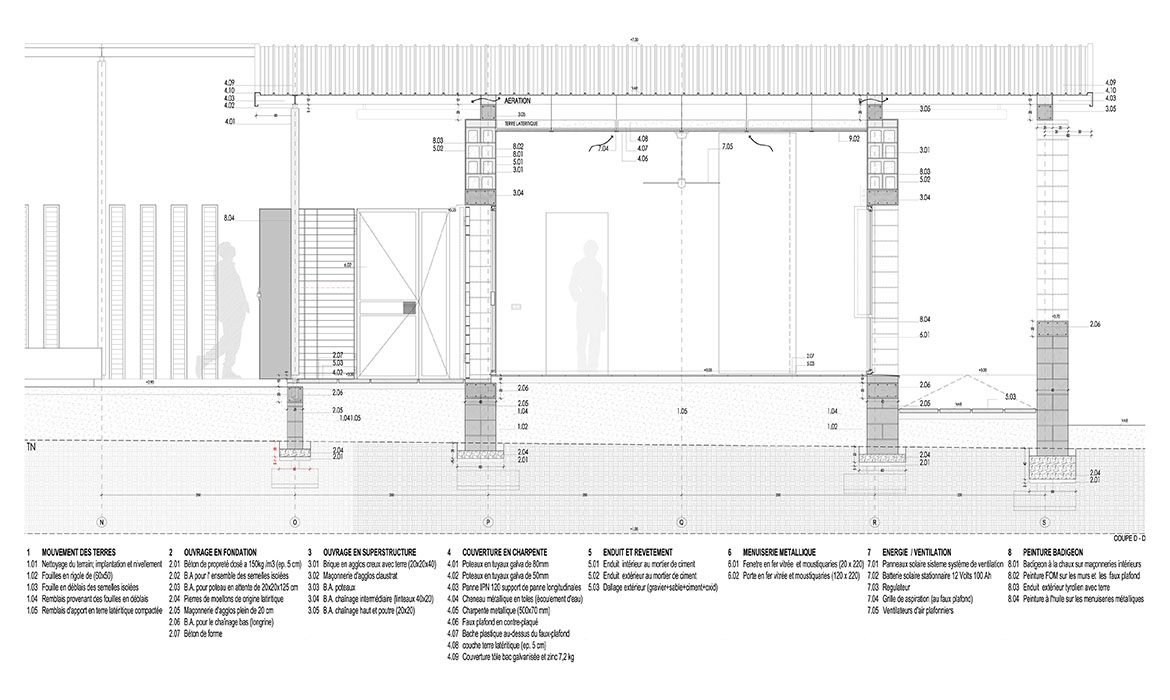
The project is regulated by the size of common concrete blocks (40x20x20 cm, here inside filled with compacted earth), used for ordinary buildings of this urban contexts, and the rhythm of thin iron pillars, placed on a structural grid of 250 cm. The structure protects the interior from high temperatures, with particular attention to the orientation and the comfort conditions.
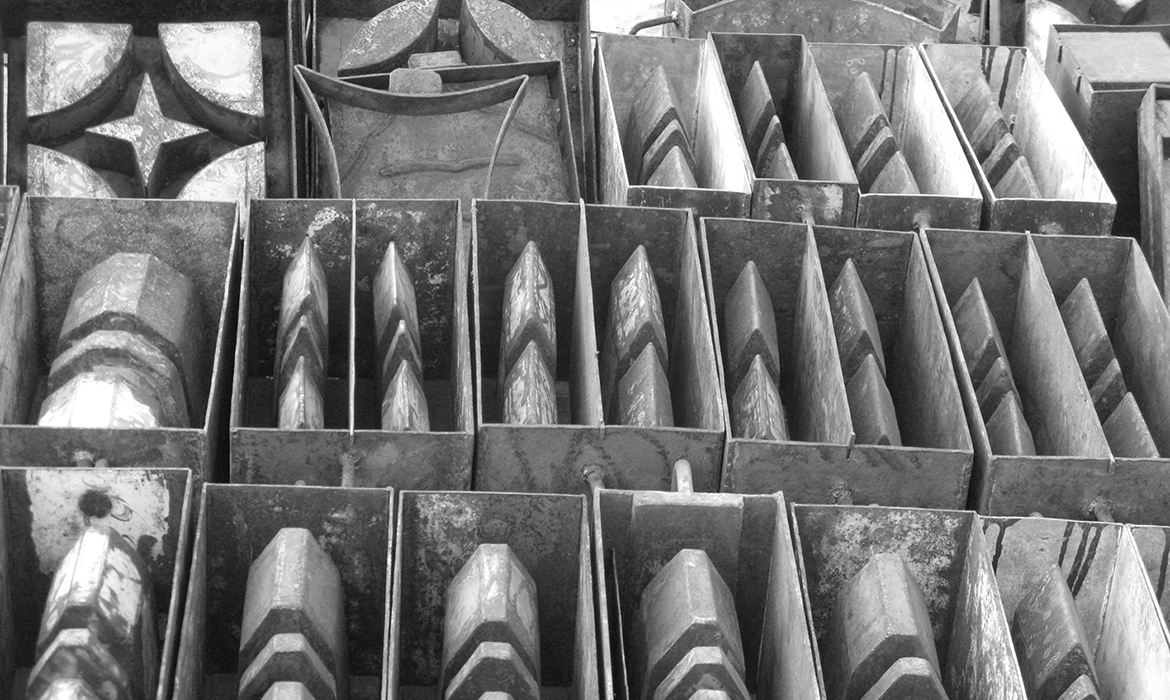
A single type of narrow window in the thick walls facilitates the air-flows and the protection against direct sunlight, dust and insects. Its aggregation suits the needs of the interior and connotes the compositive character of the facades. Inside, rooms are protected by a double roof; in order to ensure optimal climatic performance, even in the limited budget available, the metal cover is filtered by an air chamber composed with modular plywood boards made locally. Thin openings in the ceilings generate convective air flow.
The finishing of the walls is made with a traditional technique – locally called tyrolienne – produced with a mixture of sand, gravel with different granulometry, oxides and a low percentage of cement. The result is a handcrafted and stretched by hand plaster, highly tactile and resistant.
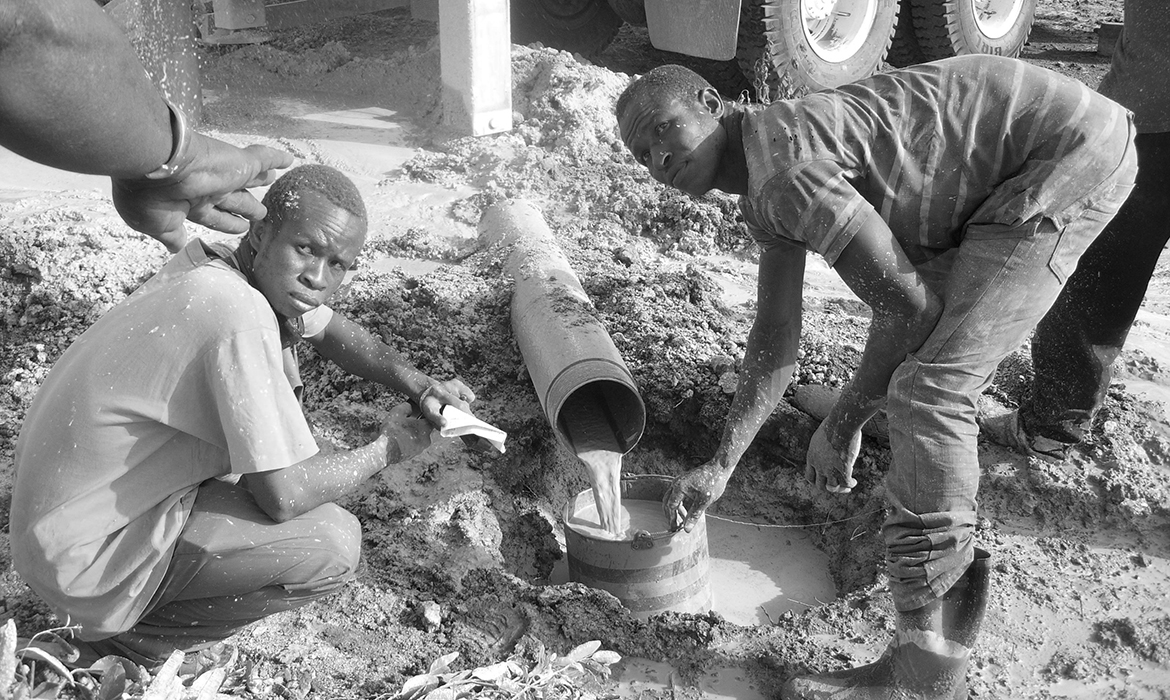
A well equipped with solar pump and solar panels, combined with a battery system and a water tower, guarantees the supplies of electricity and ensure water autonomy to the entire complex.
Inside, the pathways are punctuated by graffitti on the walls. Alphonse Traoré, appreciated local artist, has created a cycle of works with signs and symbols of the Bambarà culture.
Cronologia:
2005-2010
2011-2015
Marzo 2012-Gennaio 2013
2015