Buffelsdrift – Restauro e miglioramenti

Crediti
Cliente
Greg Truen
Collaboratori
Autori
Jaco Booyens
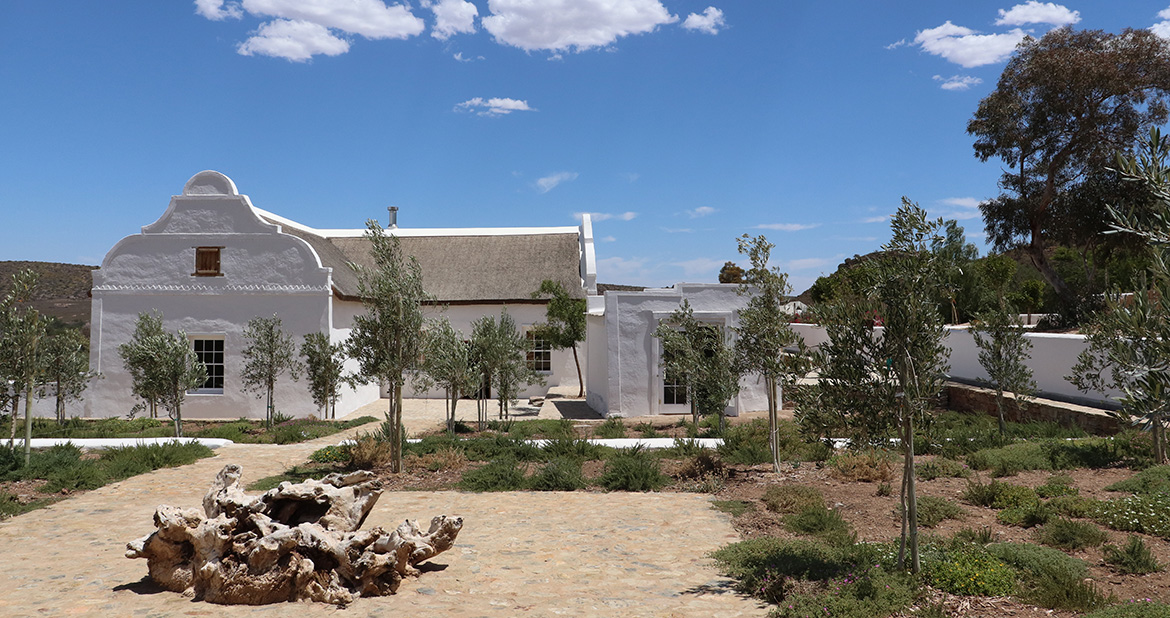
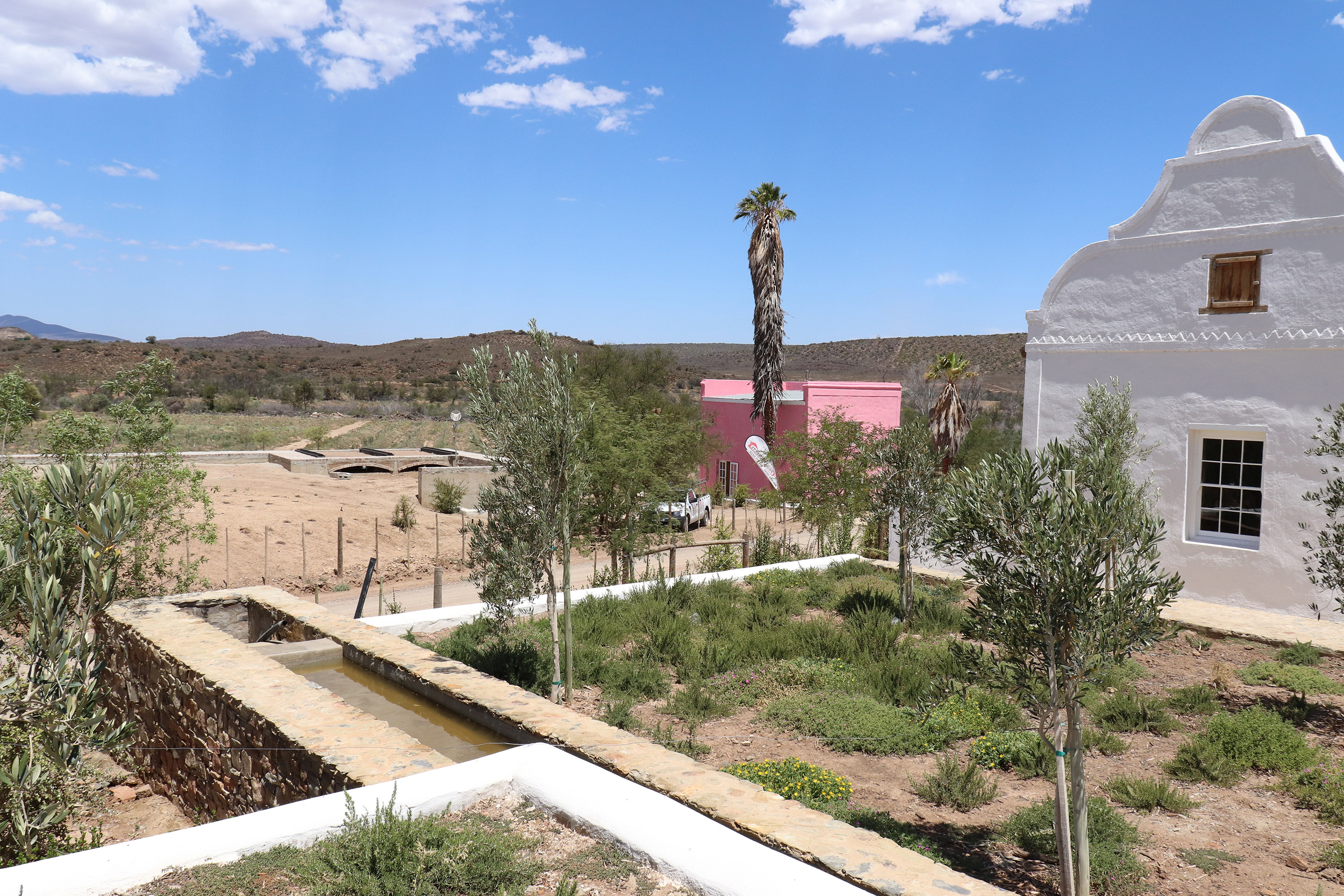
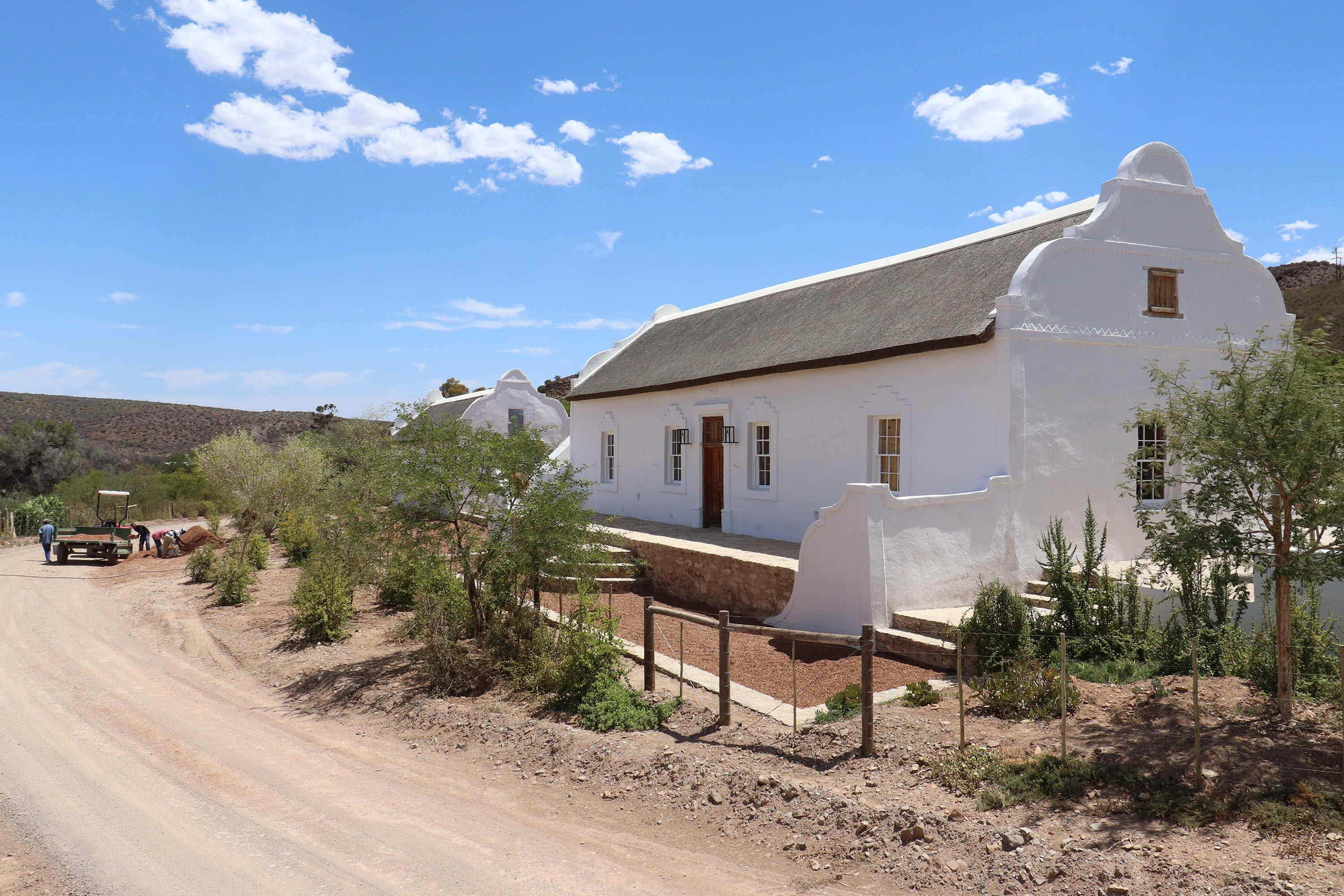
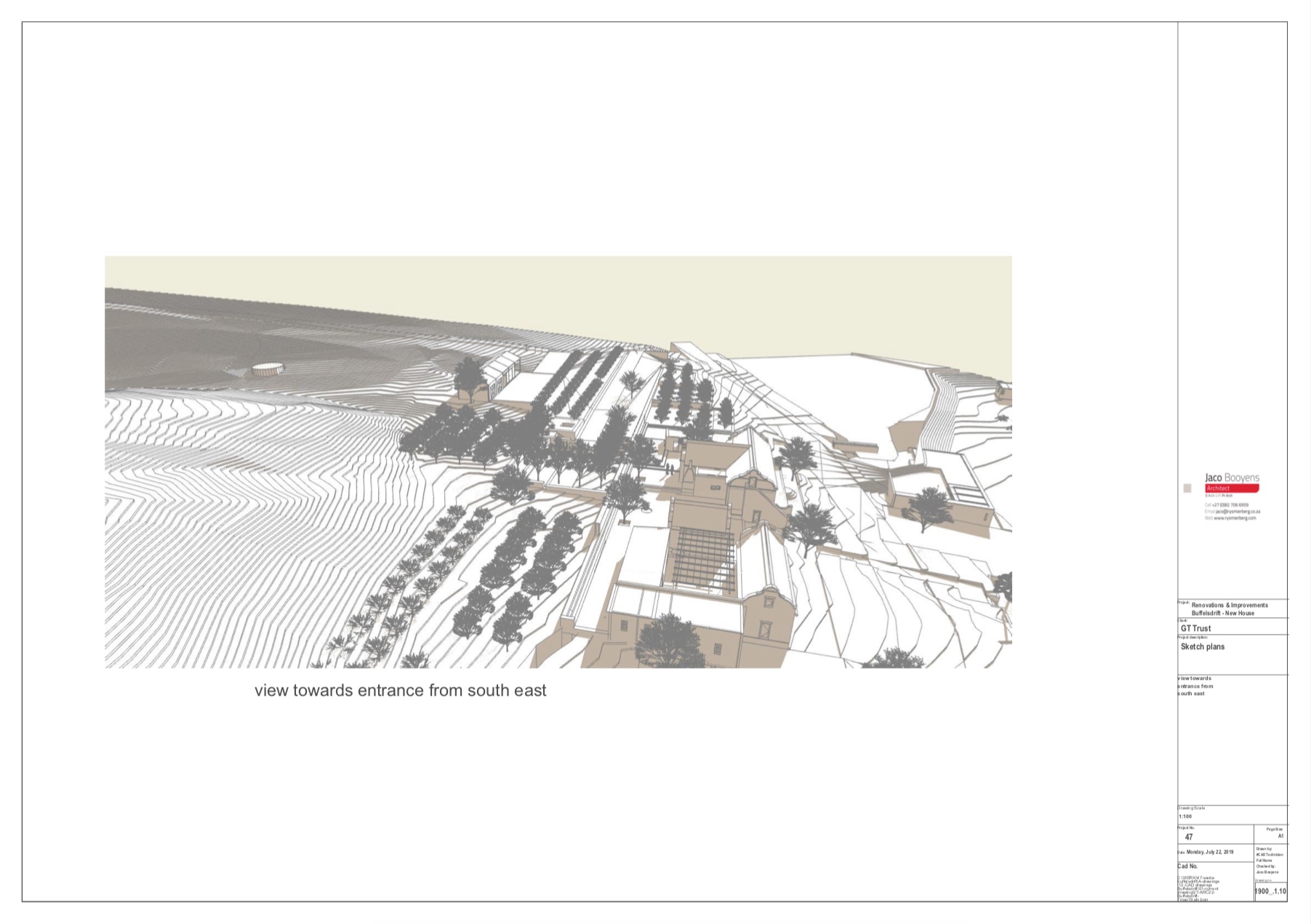
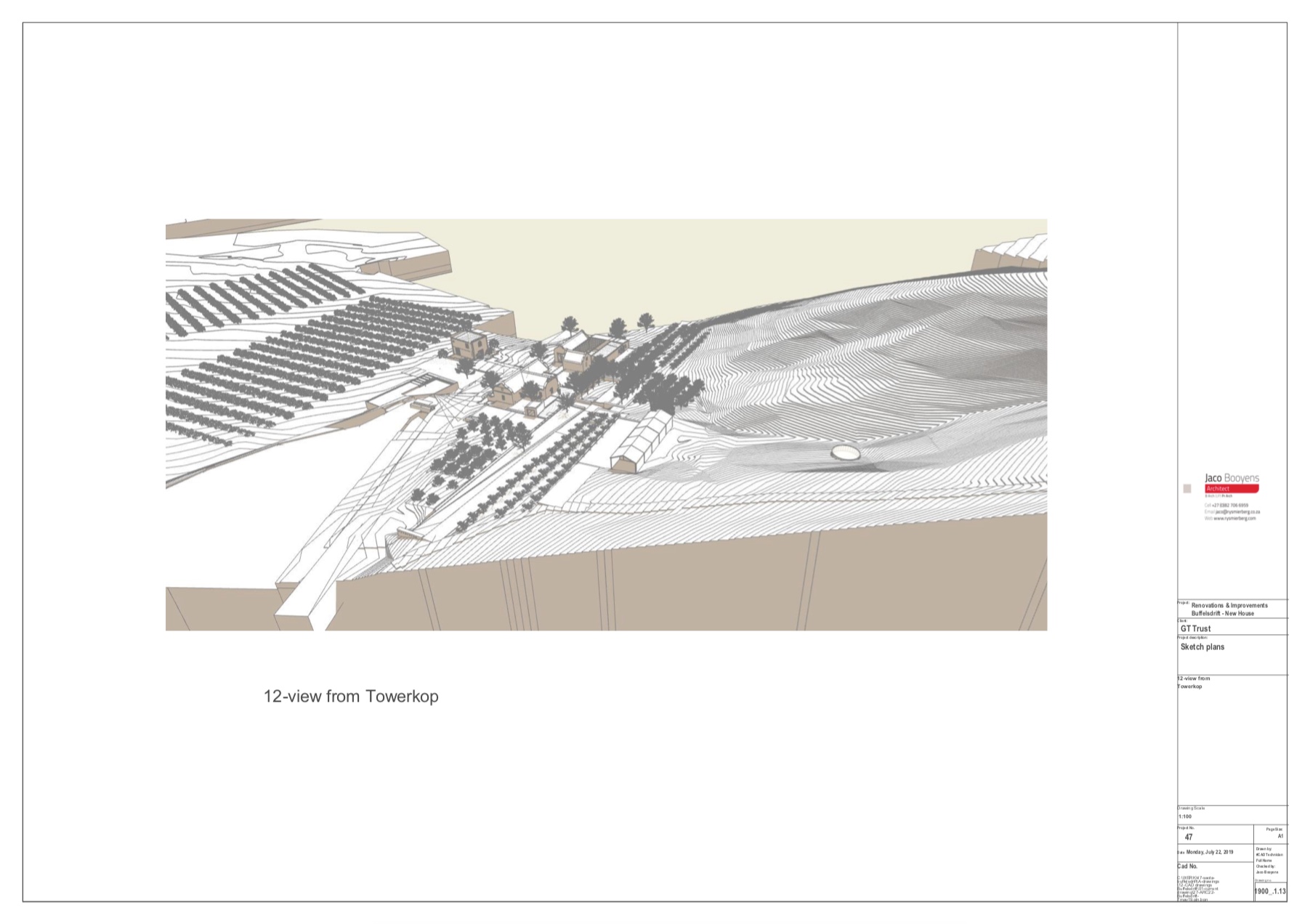
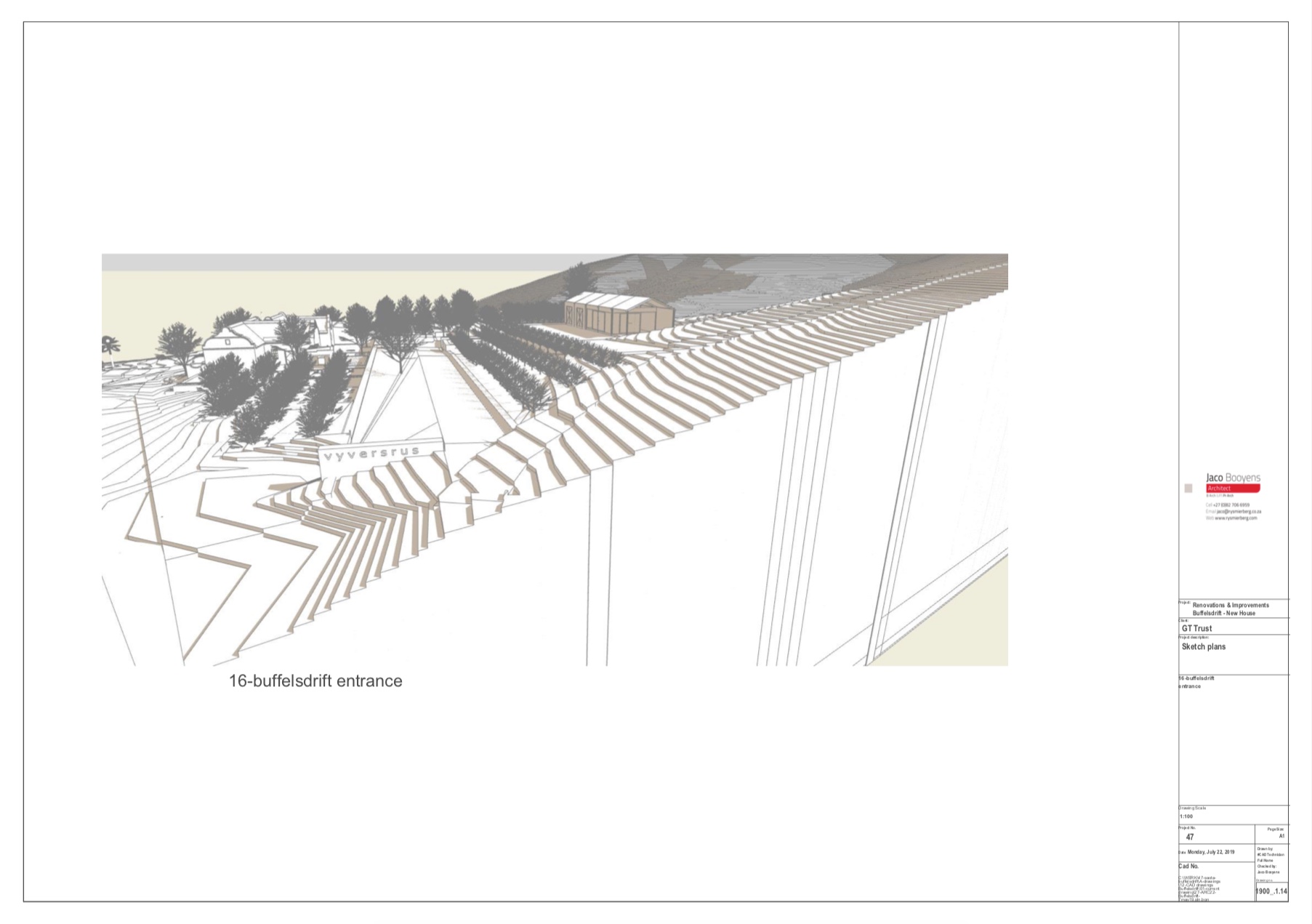
Buffeldrift farm lies 15 km to the west of Ladismith Klein Karoo. The climate is hot and arid with temperatures reaching 40°C.
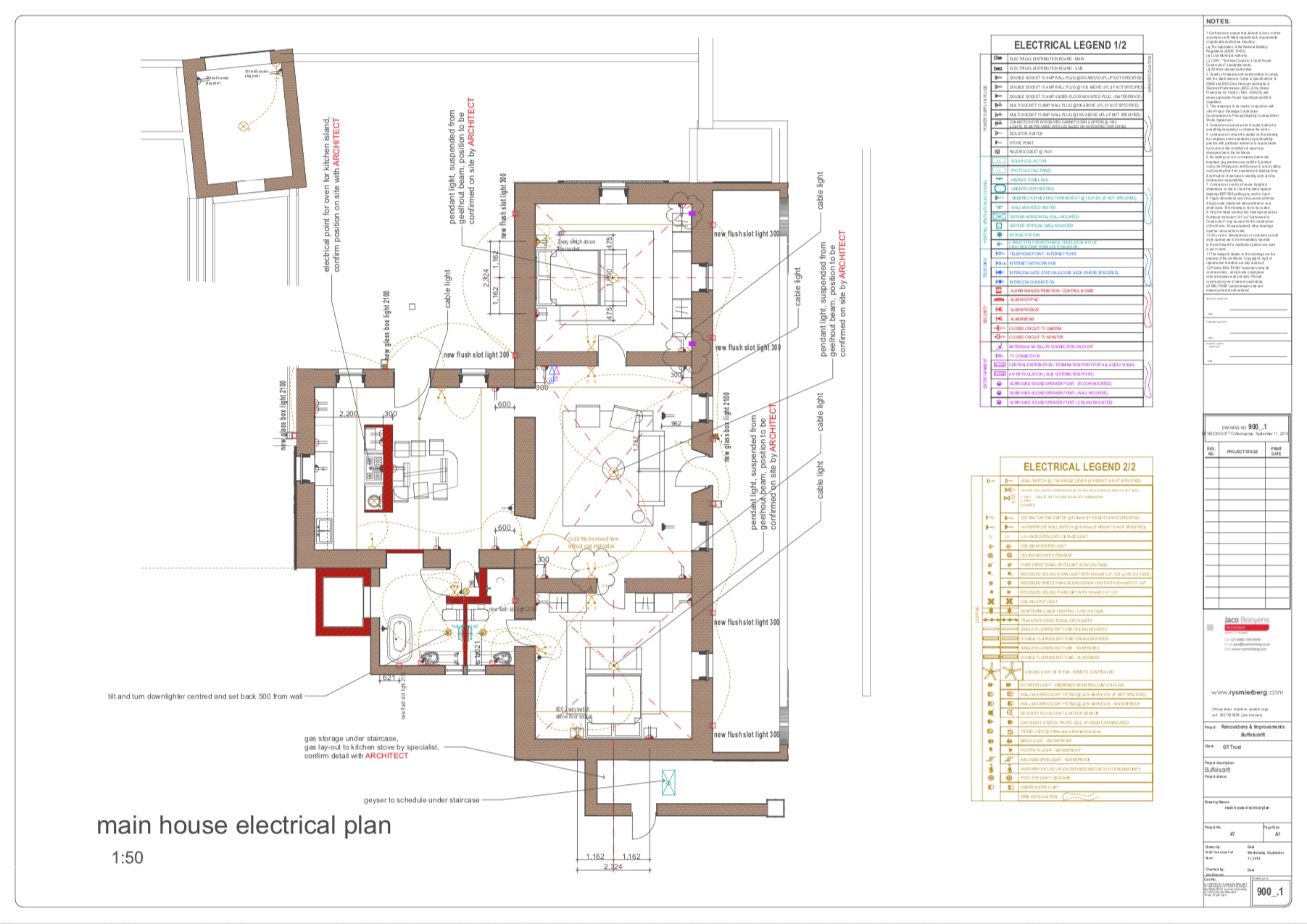
Disegni tecnici:
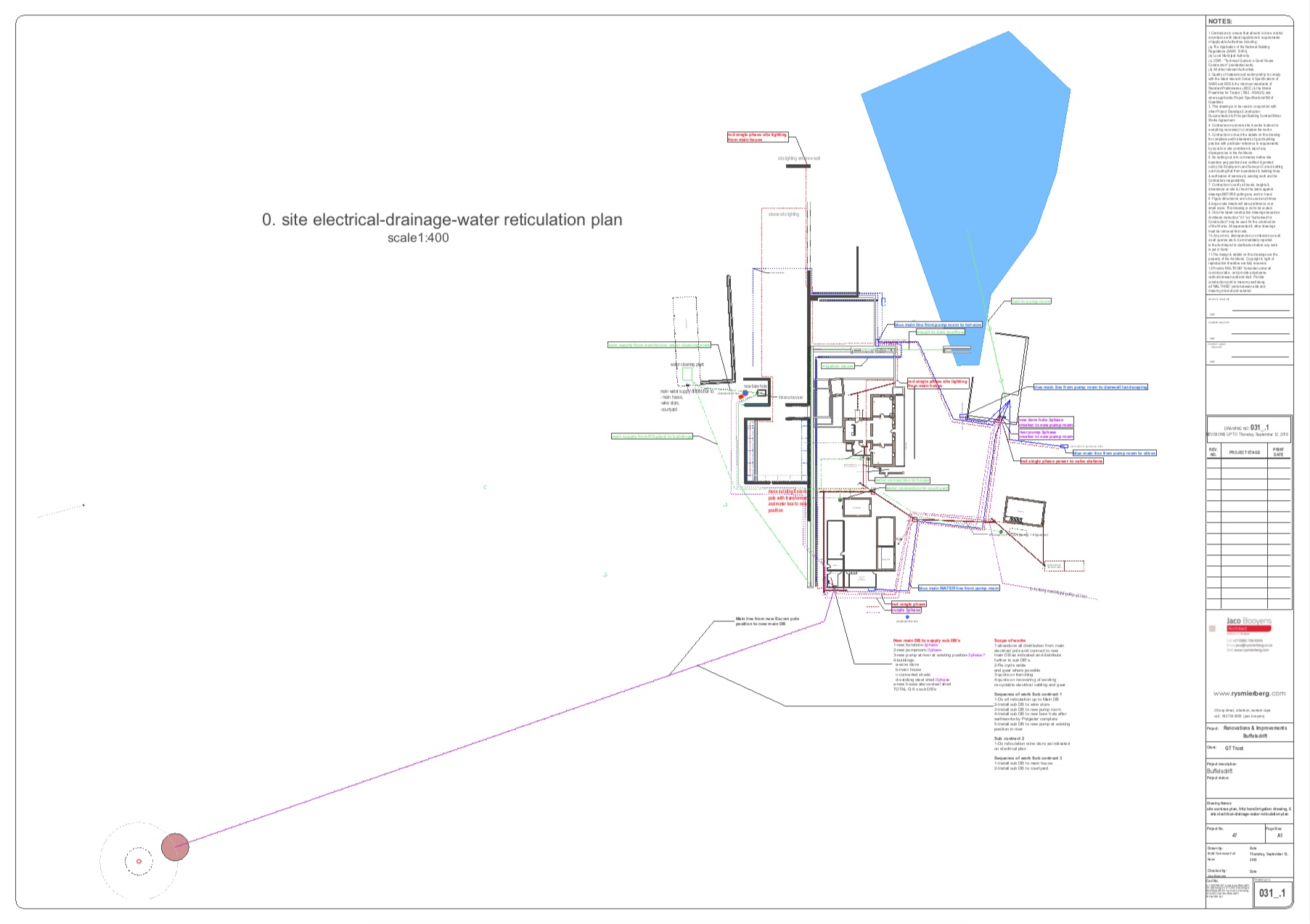
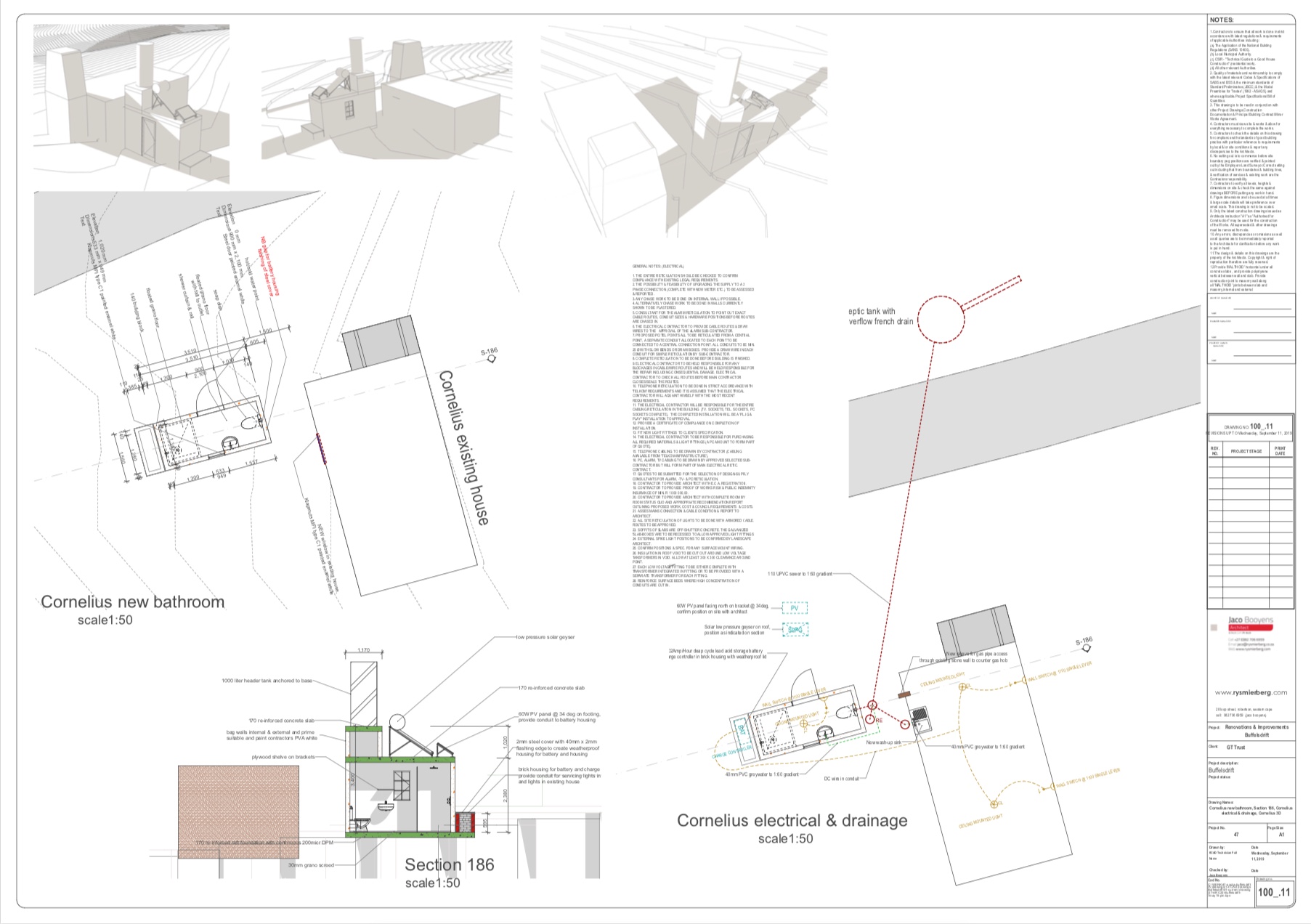
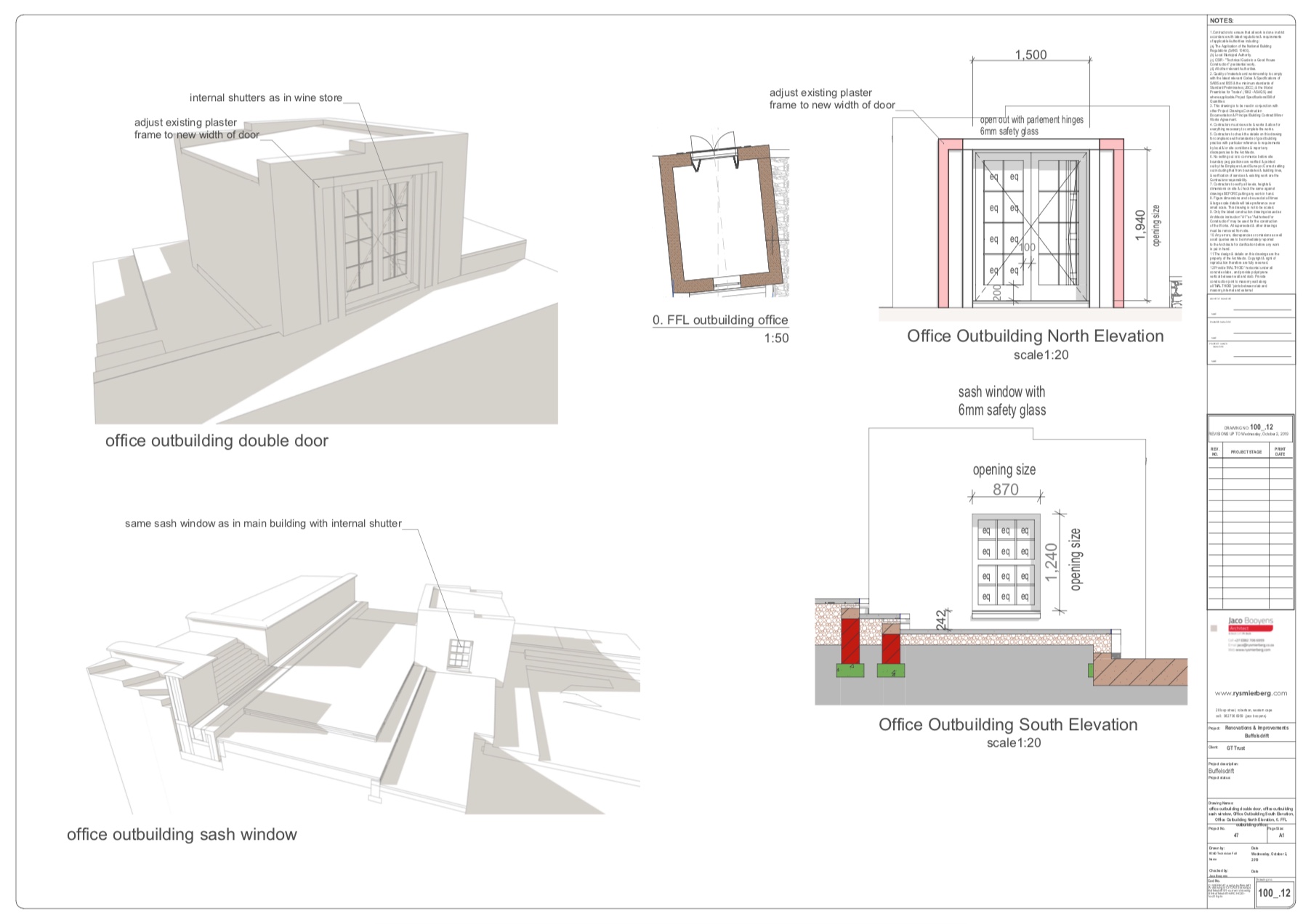
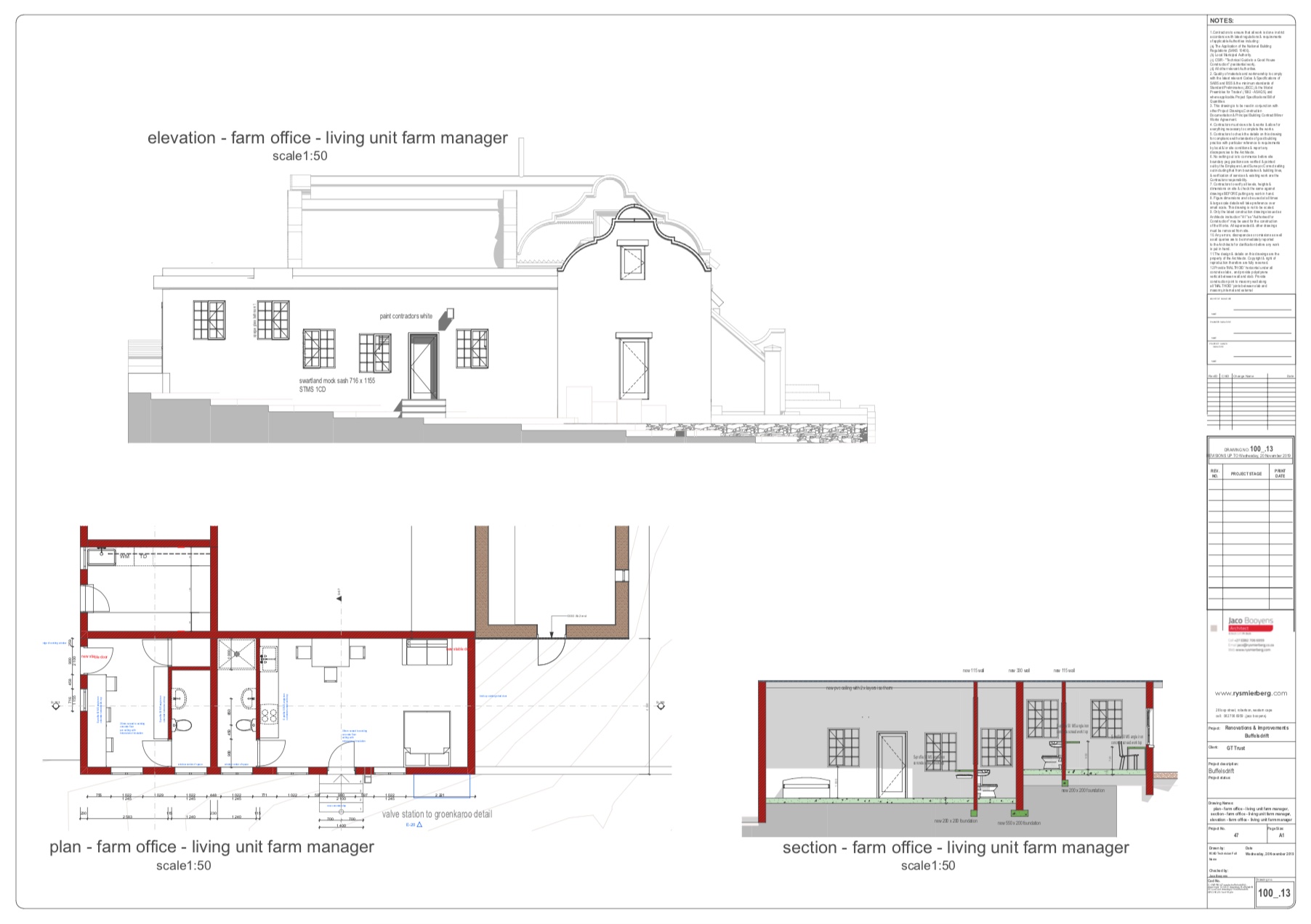
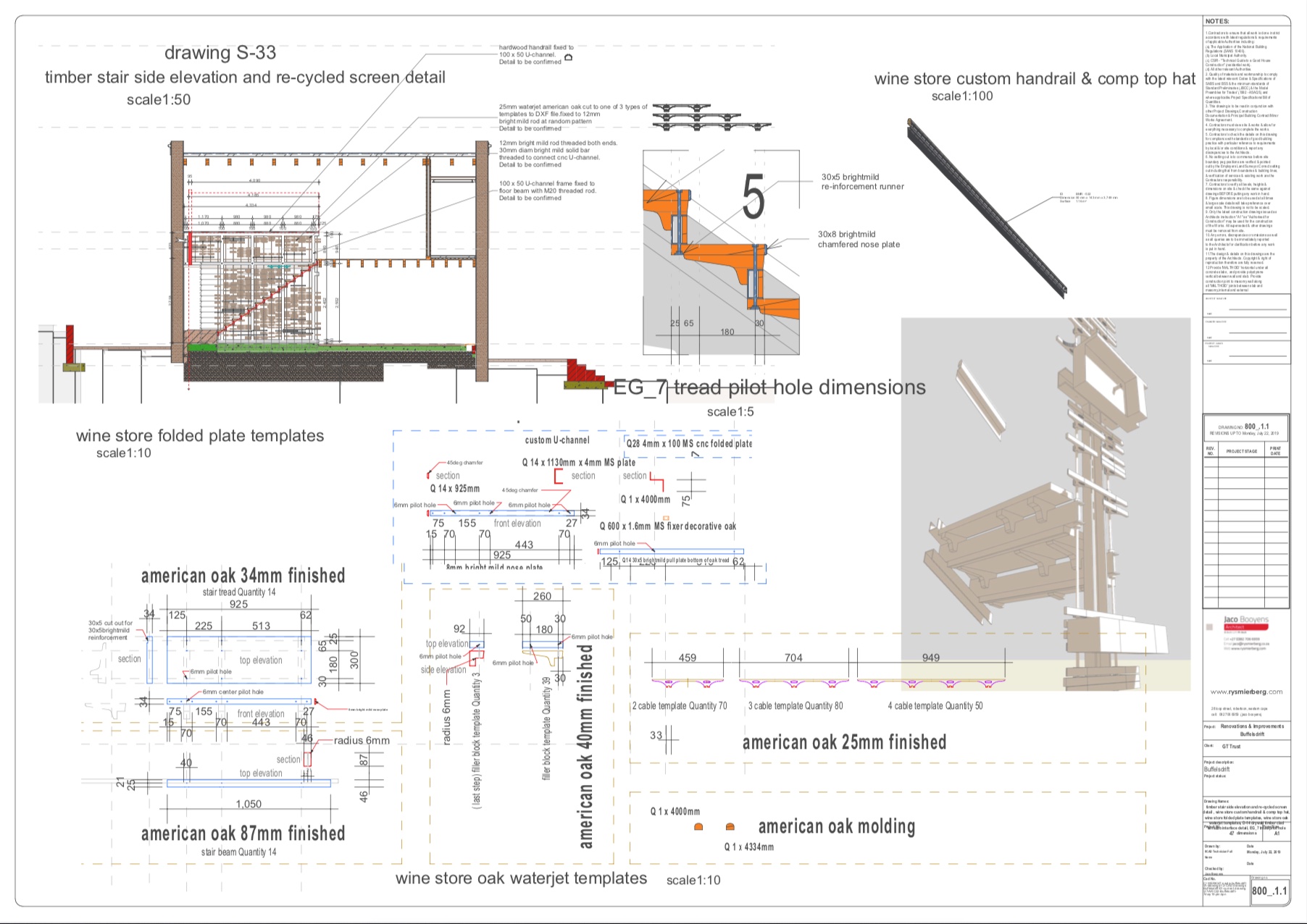
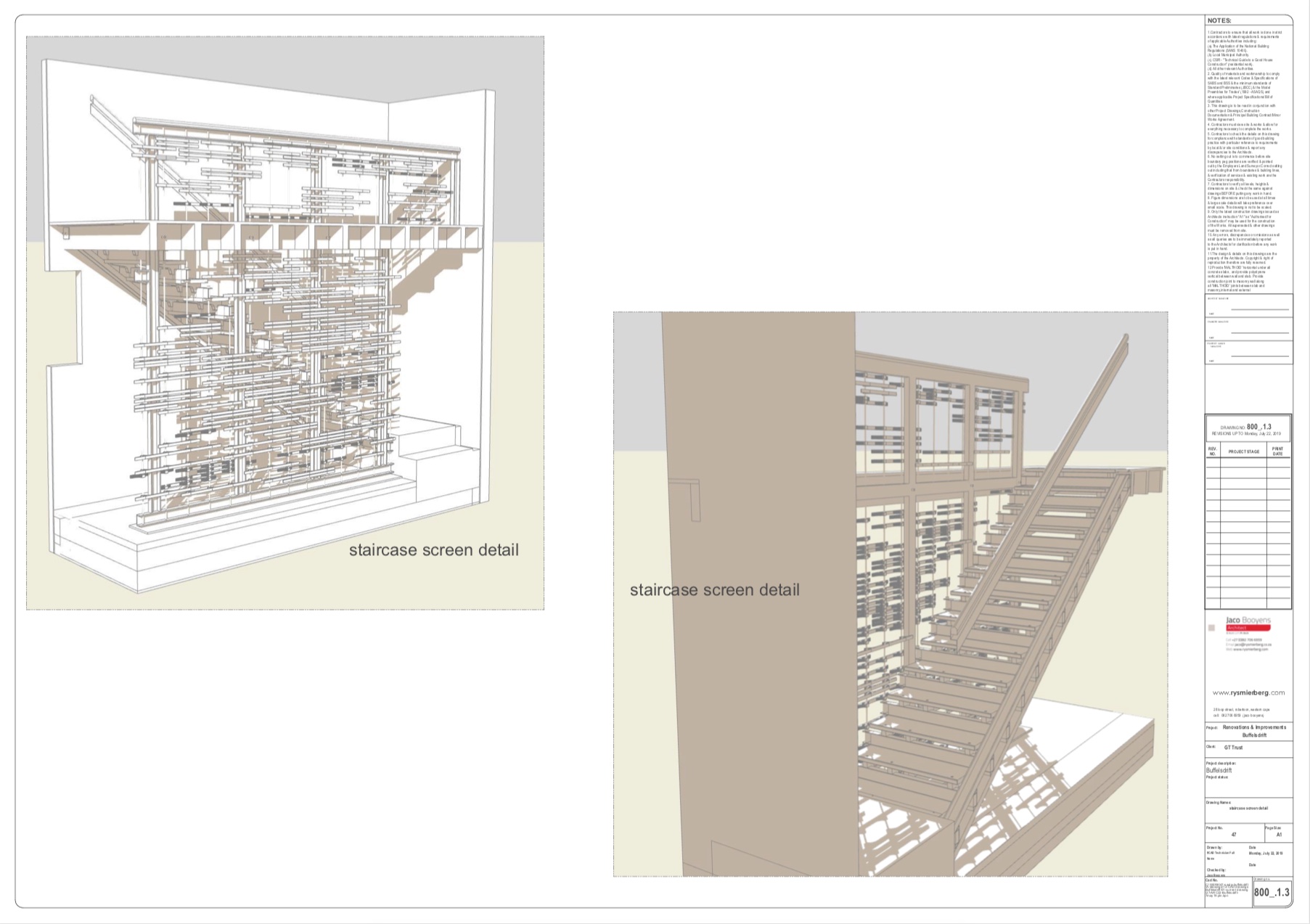
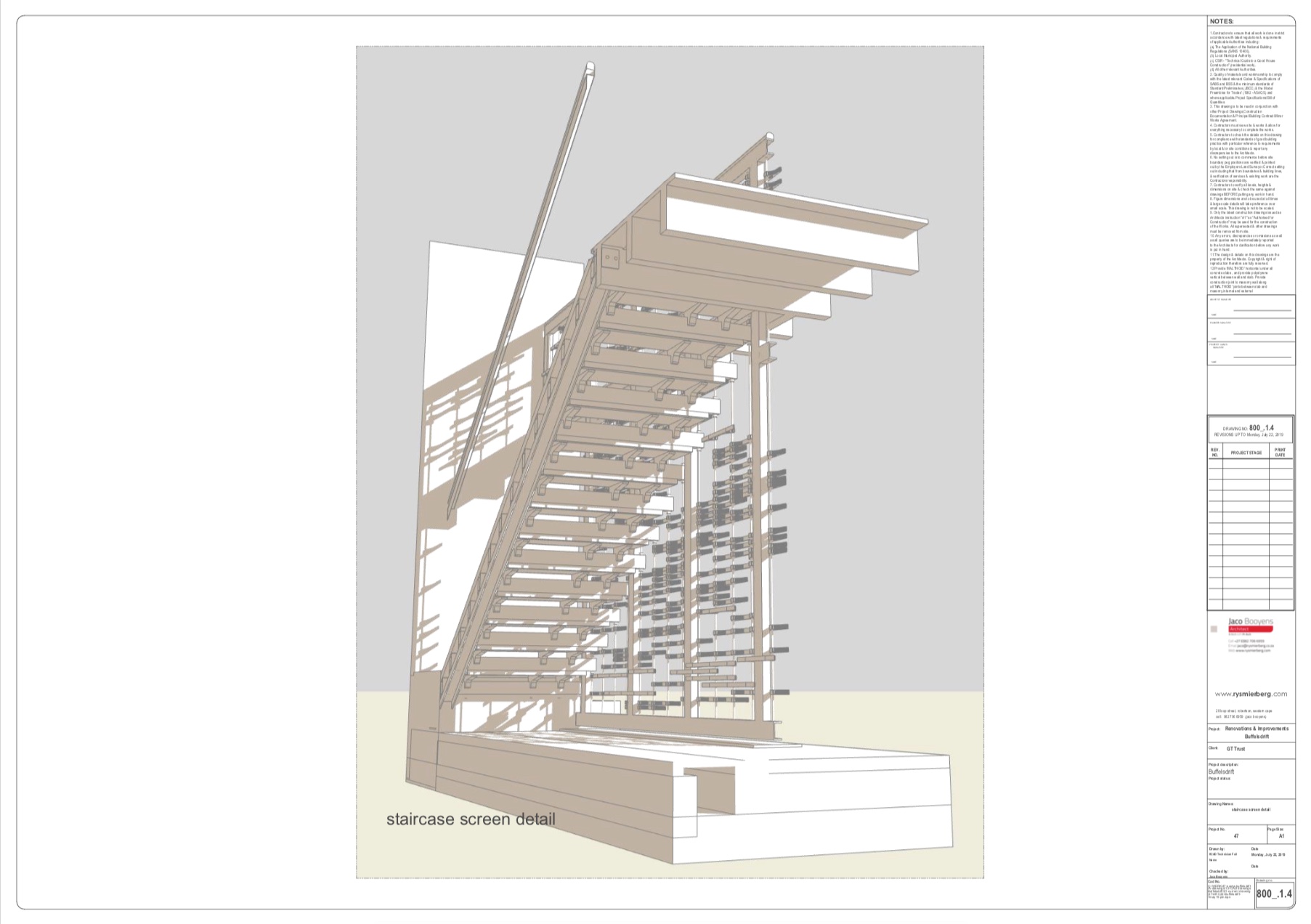
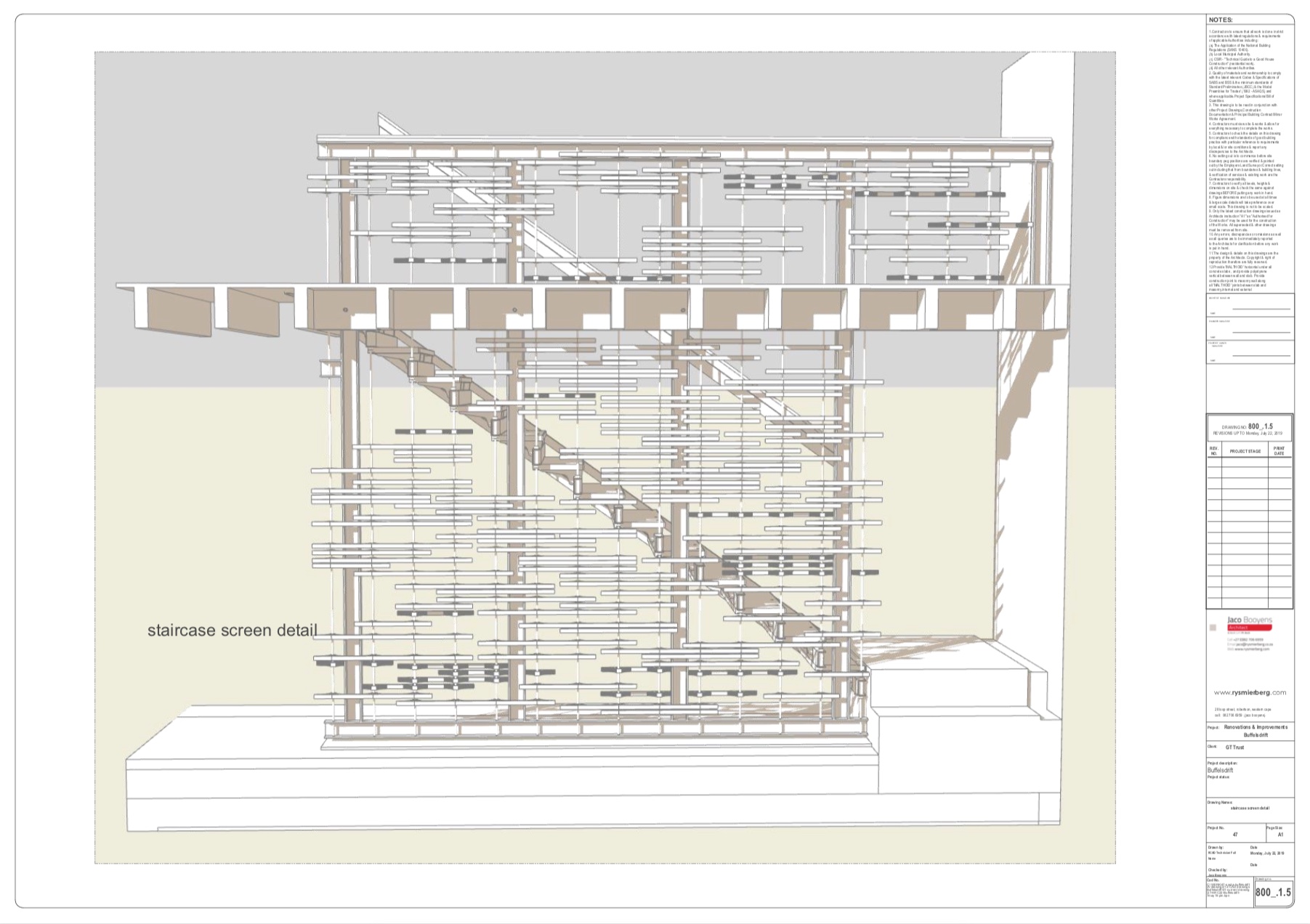
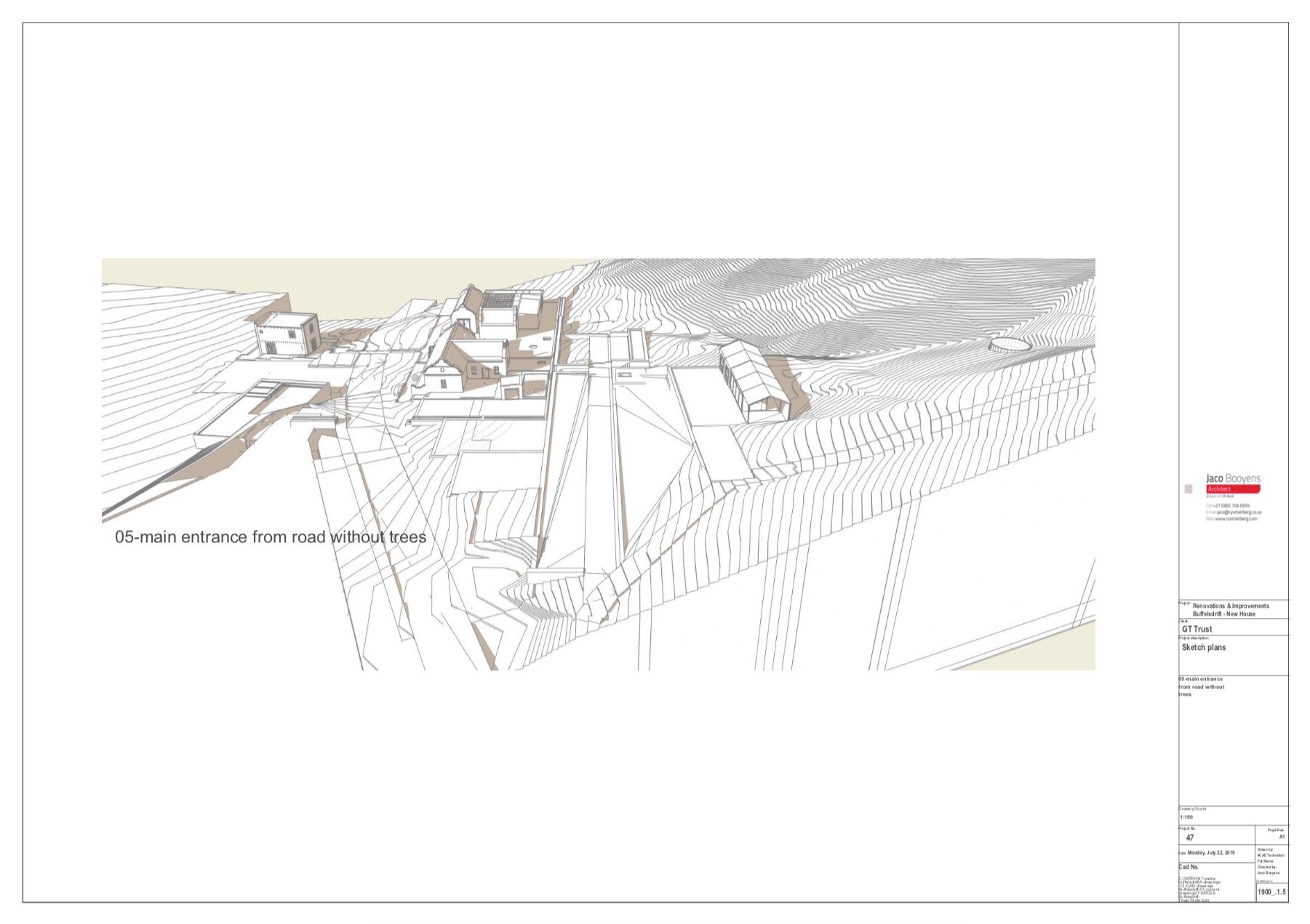
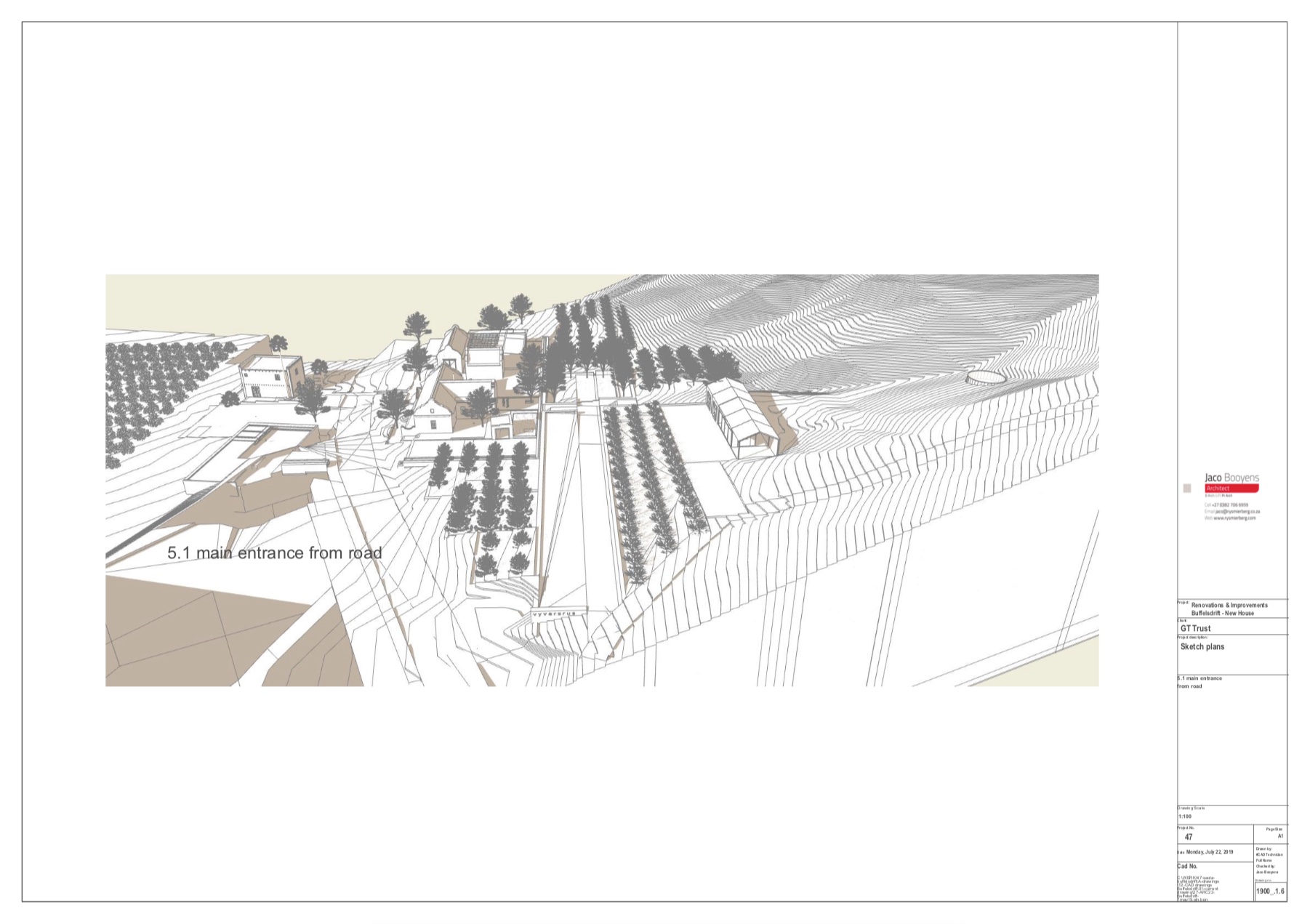
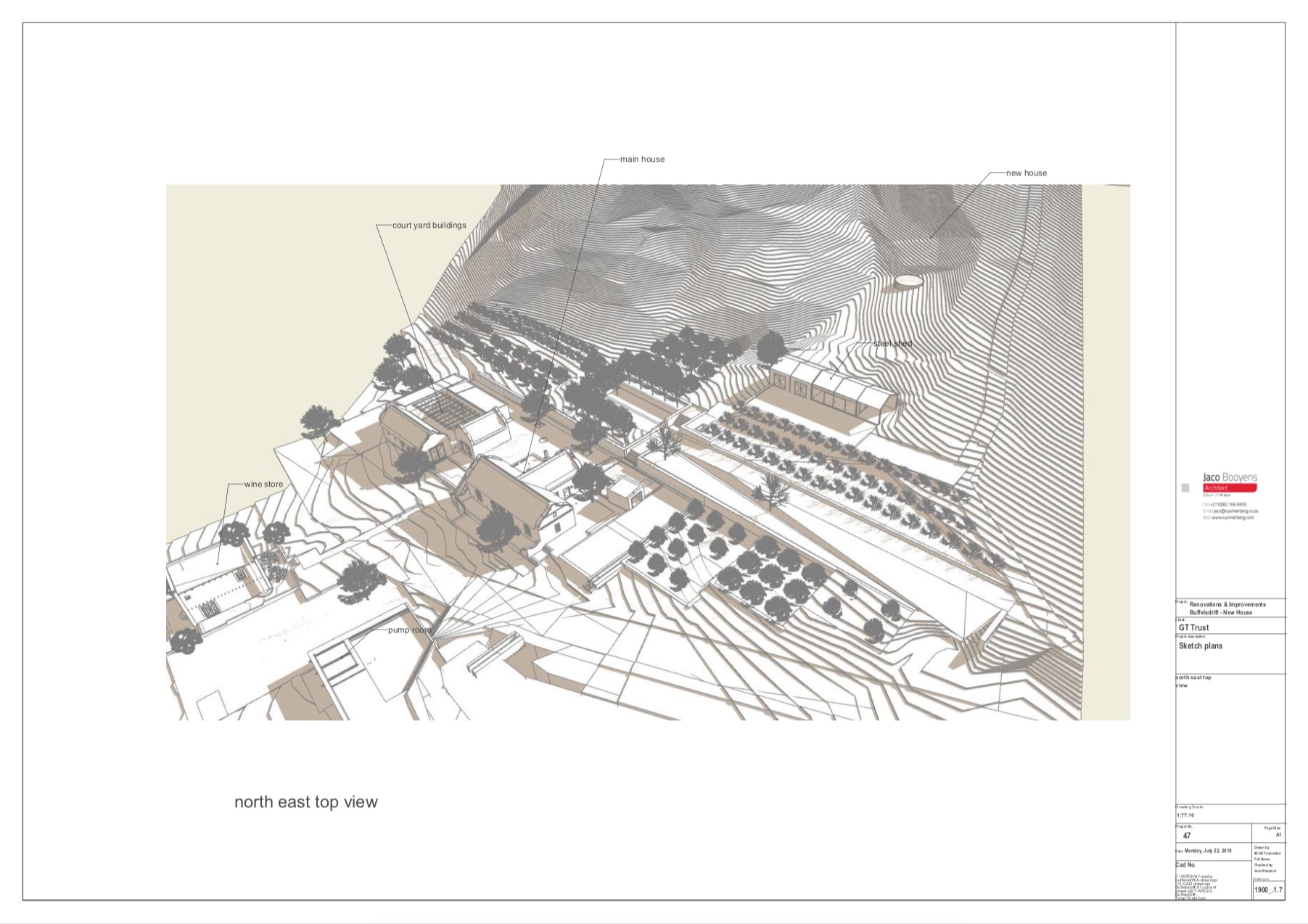
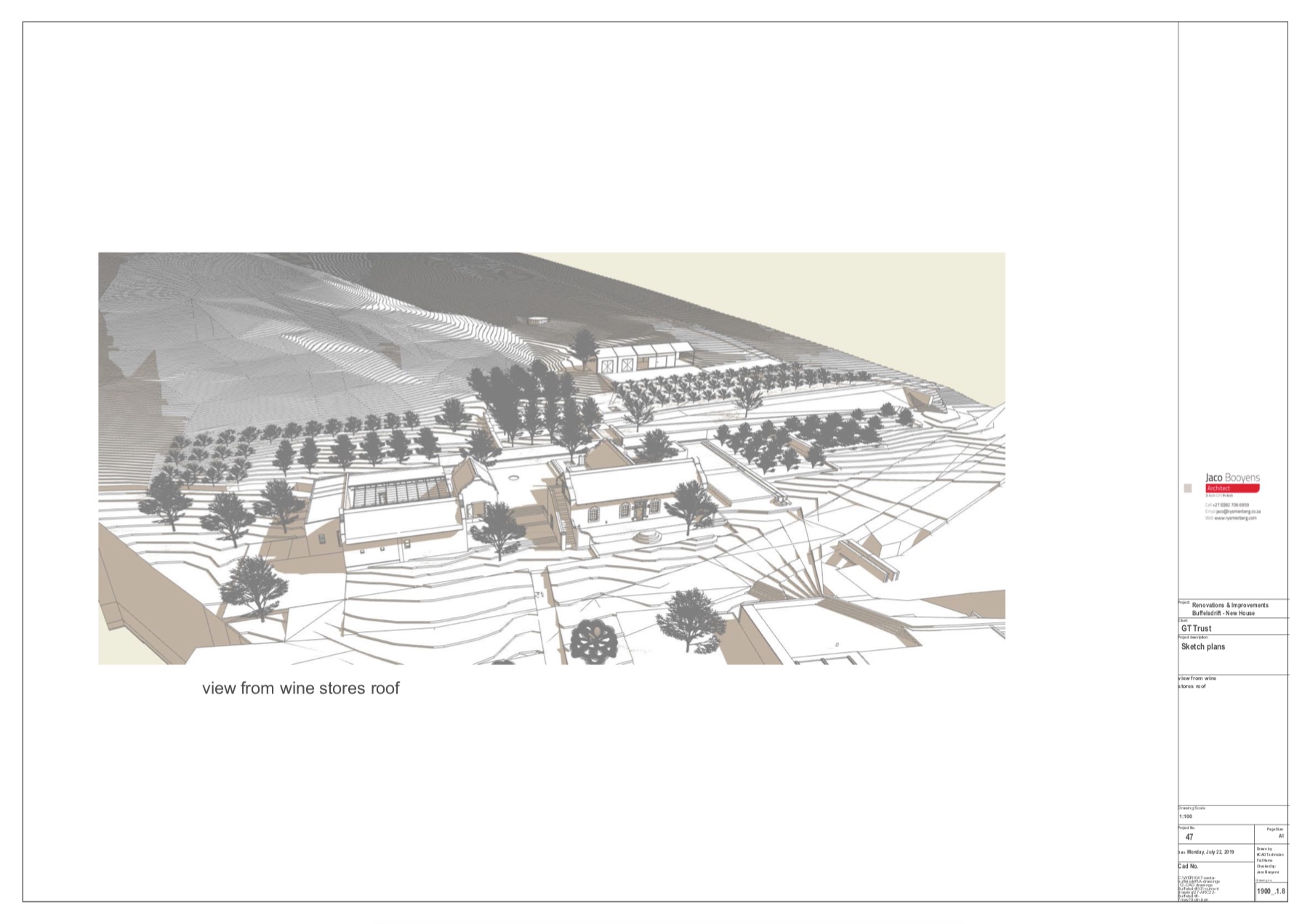
Report esteso:
Relazione estesa
Short Report of Buffelsdrift Project
Buffelsdrift farm lies 15km to the west of Ladismith Klein Karoo. The climate is hot and arid with temperatures reaching 40degC. Rainfall average 200mm per year.
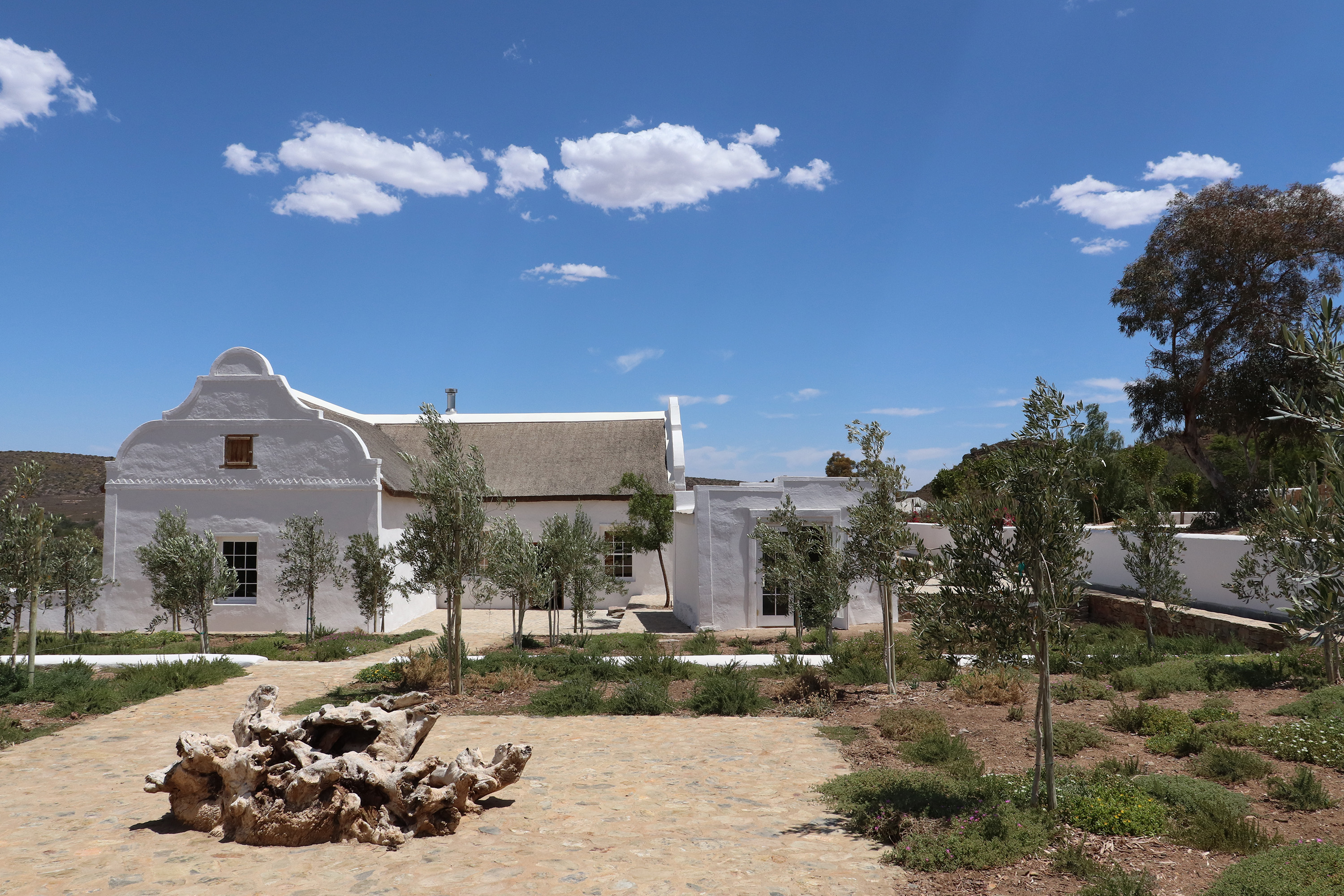
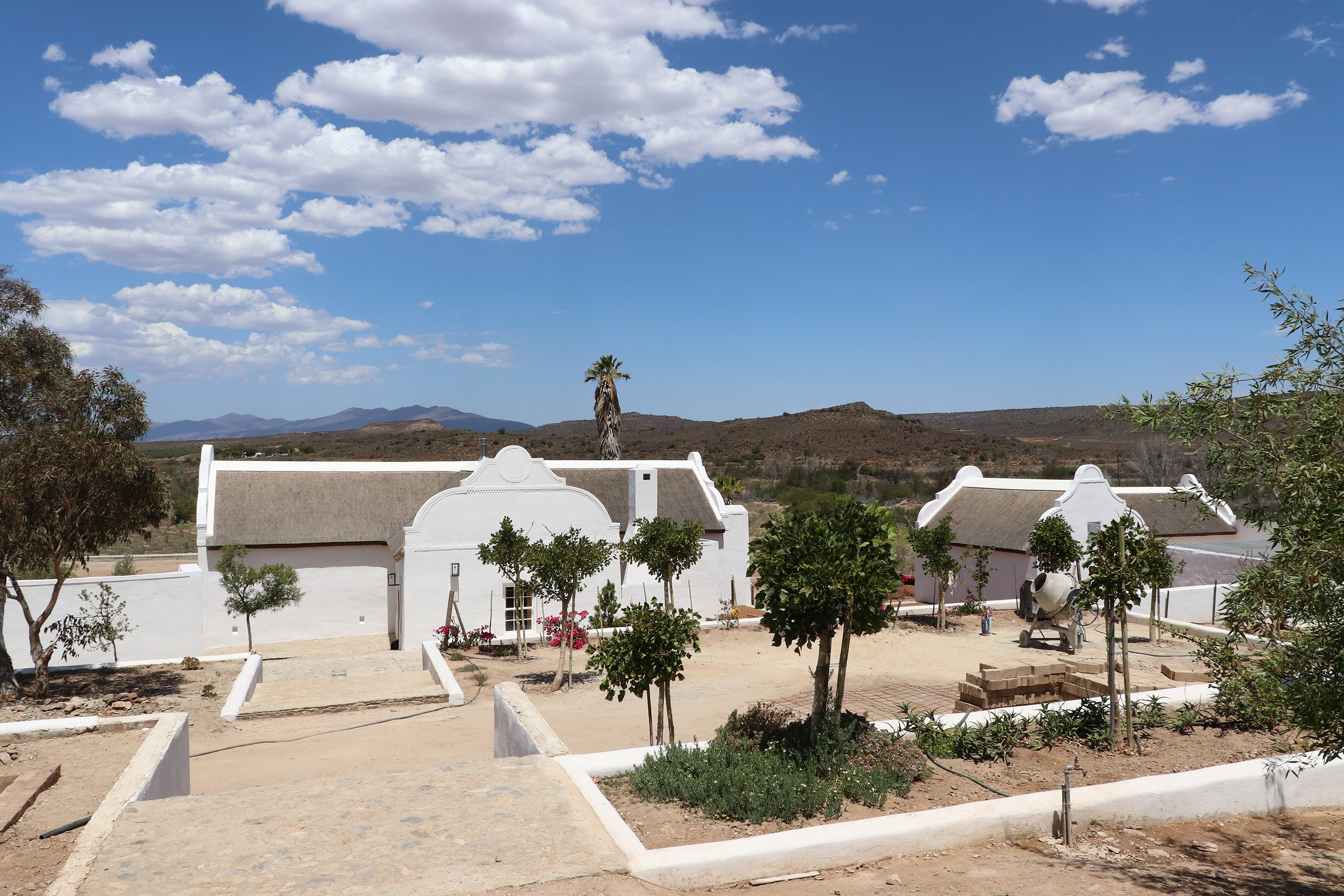
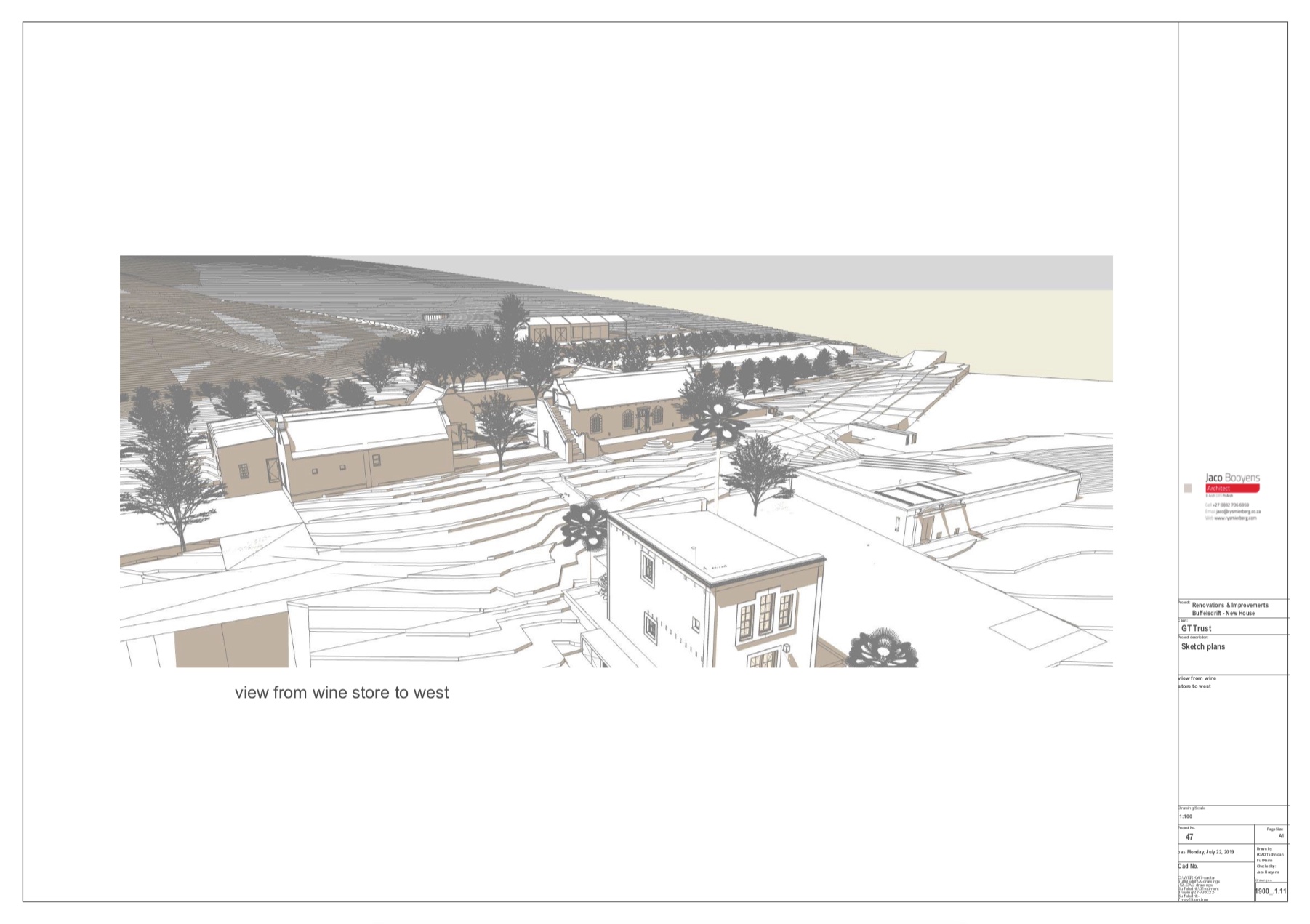
Several historical Cape Dutch buildings were built on the farm during the mid-1800’s. Greg Truen from Saota architects bought the farm during 2017 and appointed me to manage the renovations and restoration of the farm. The referral came via Ashley Lilliy a heritage consultant and colleague from the past. My background in mud construction made me a suitable choice.
Greg planned to take the neglected property and turn it into a functional Olive farm. The 4hectares Of fallow lucern fields opposite the main house were to be rehabilitated and planted.
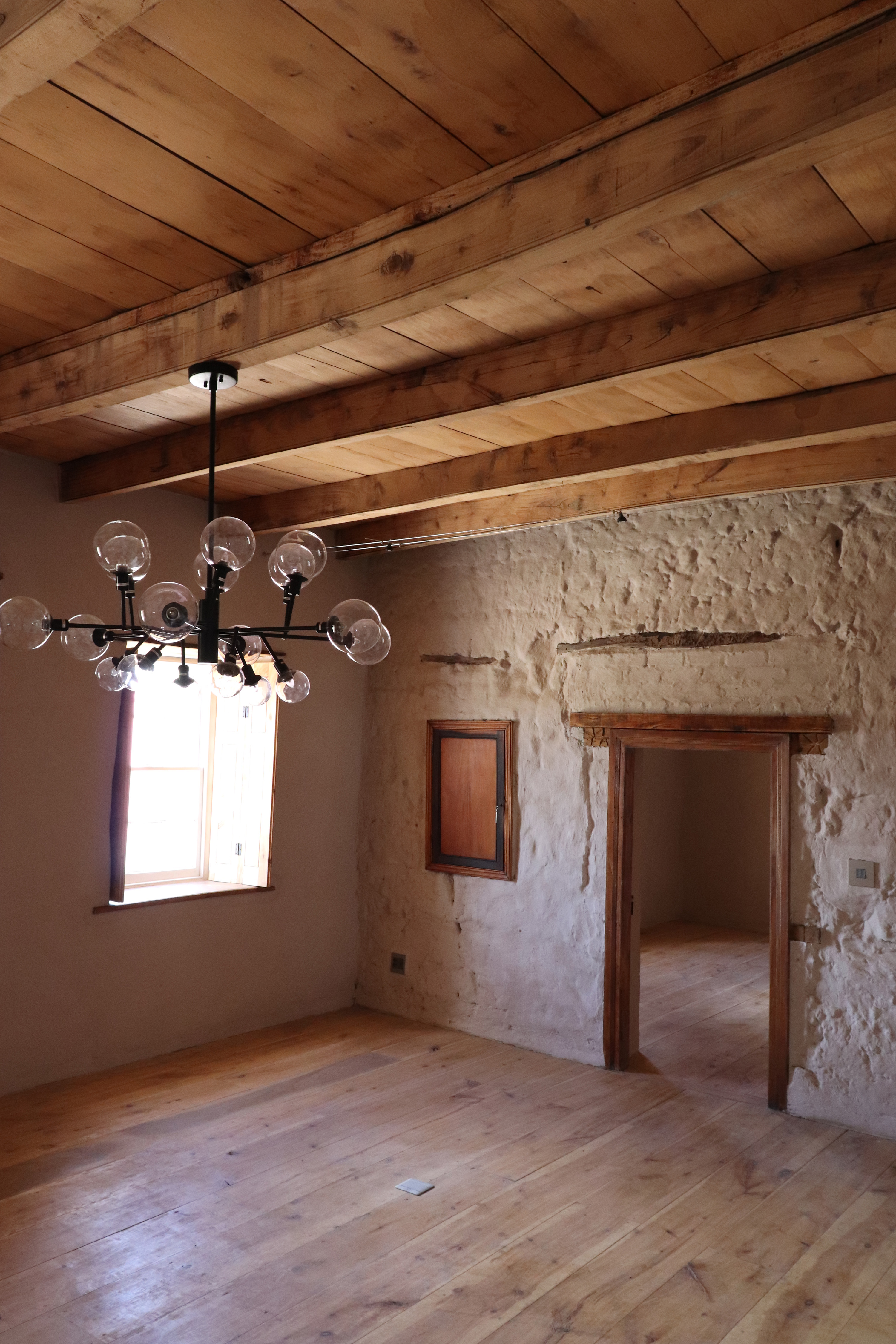
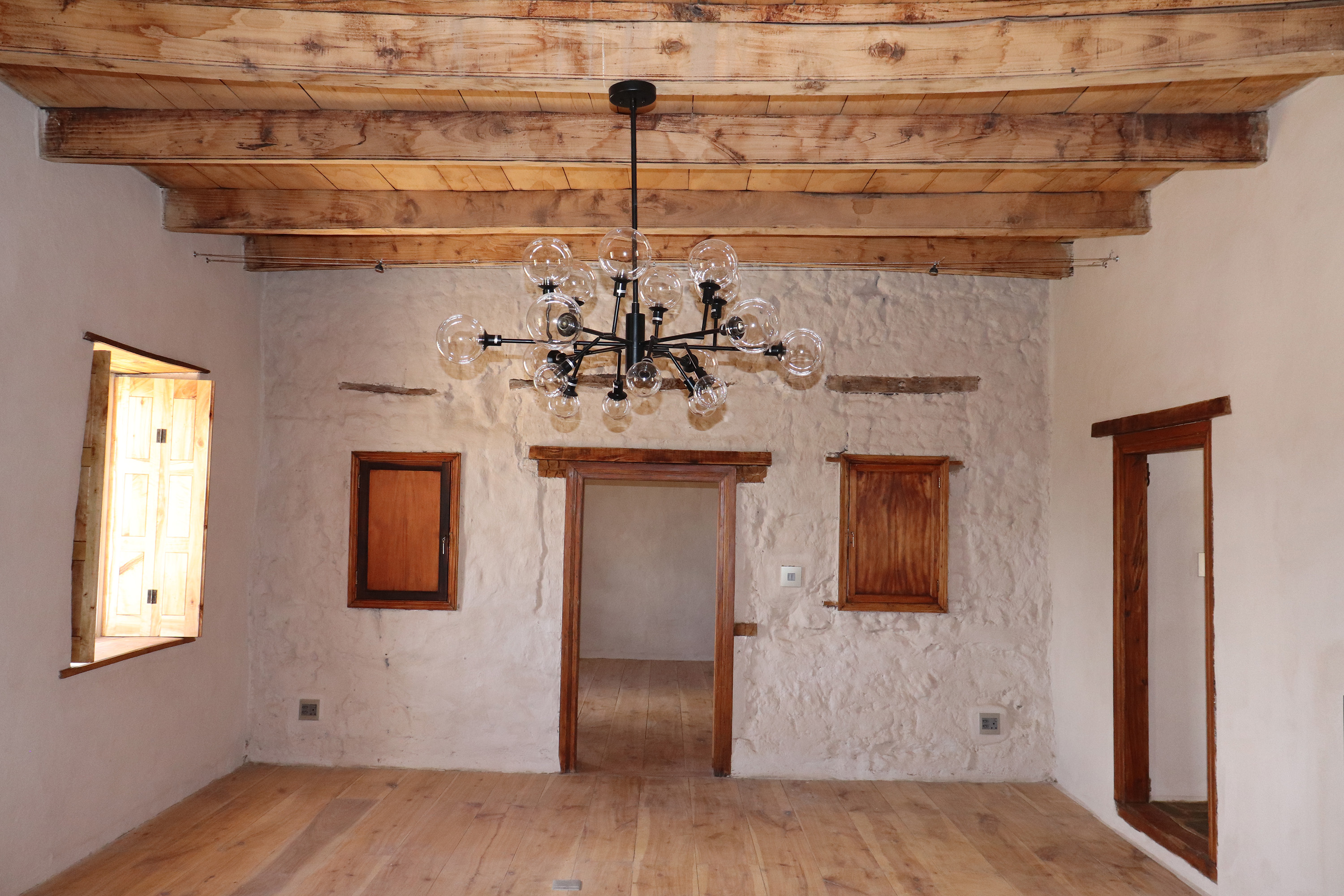
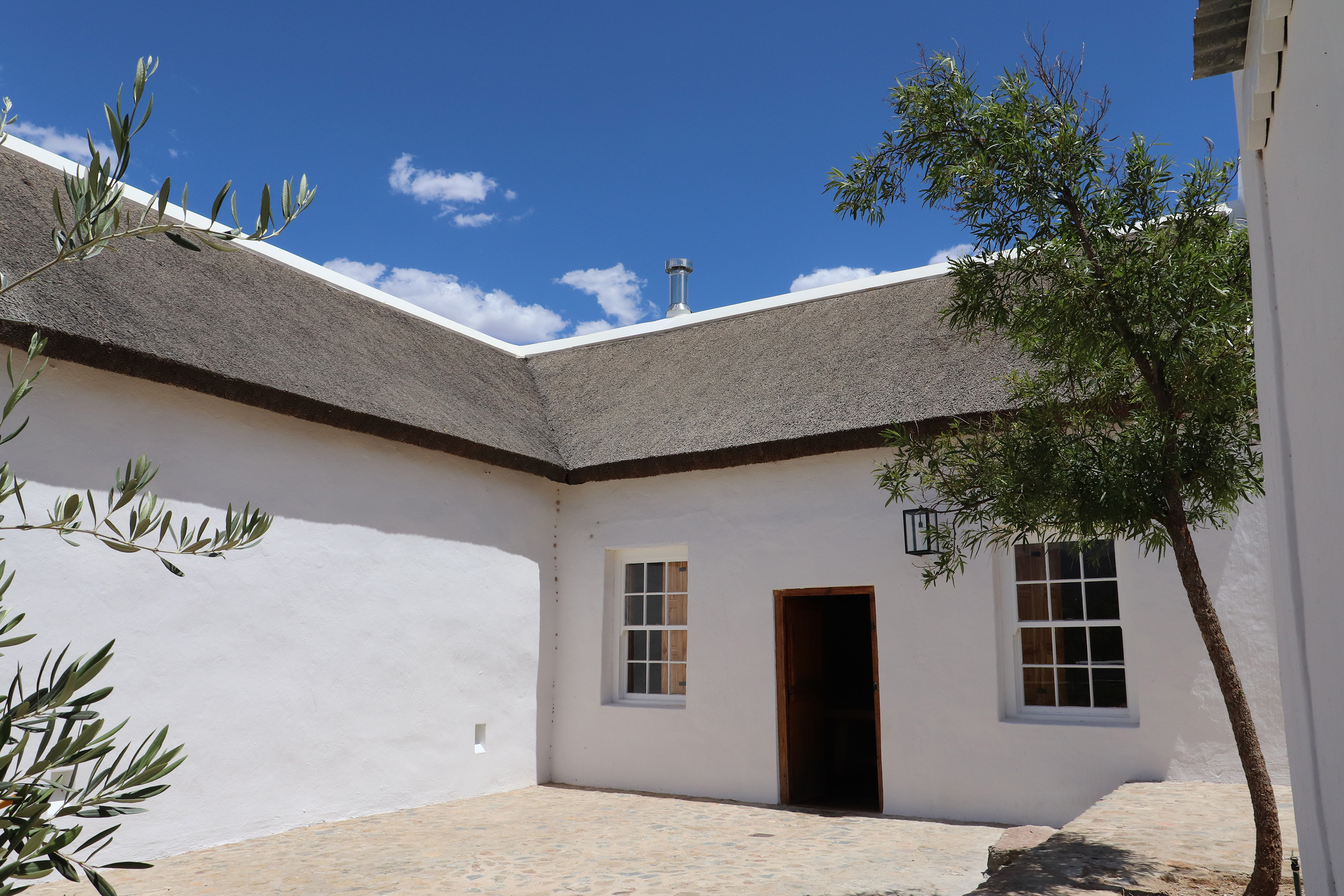
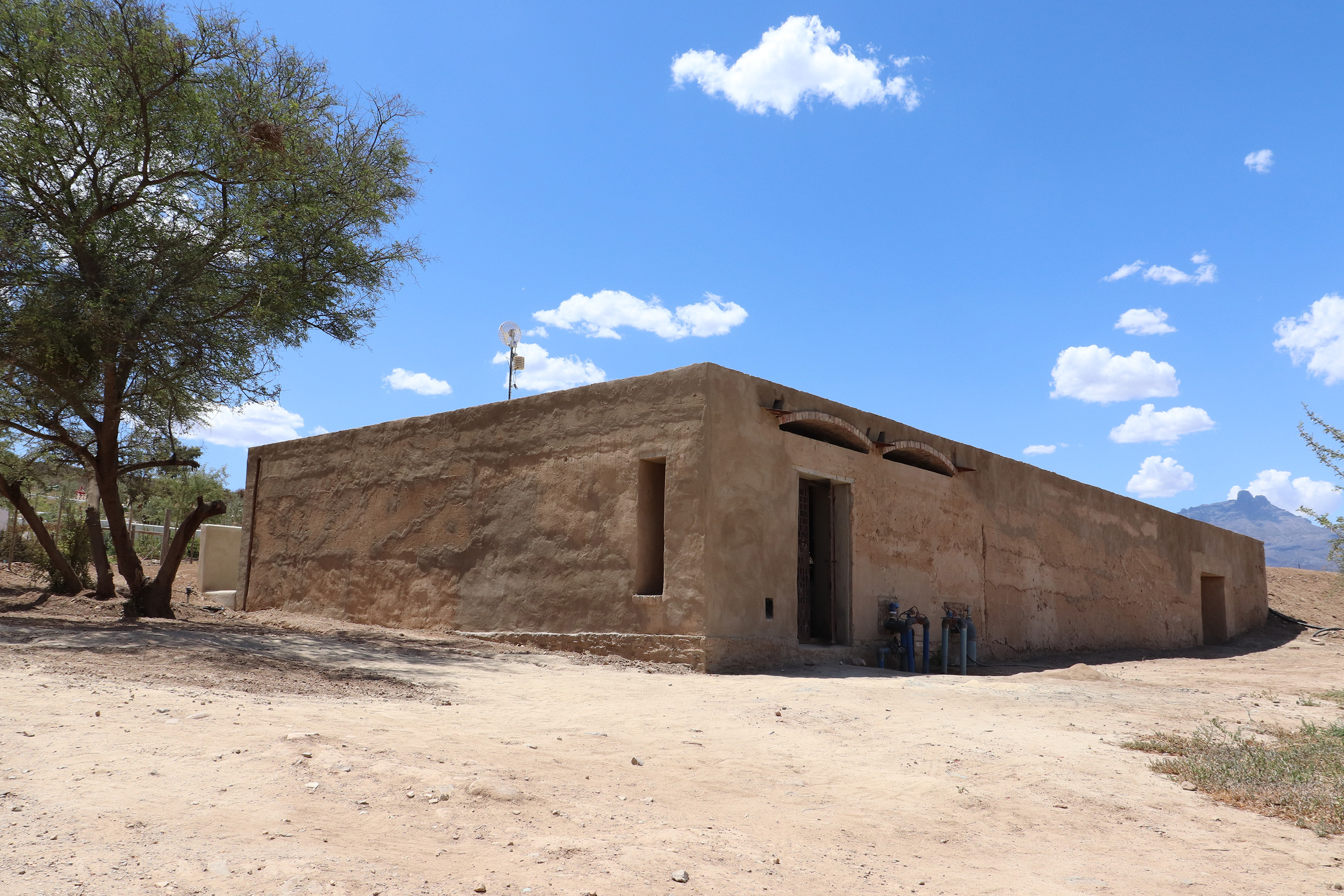
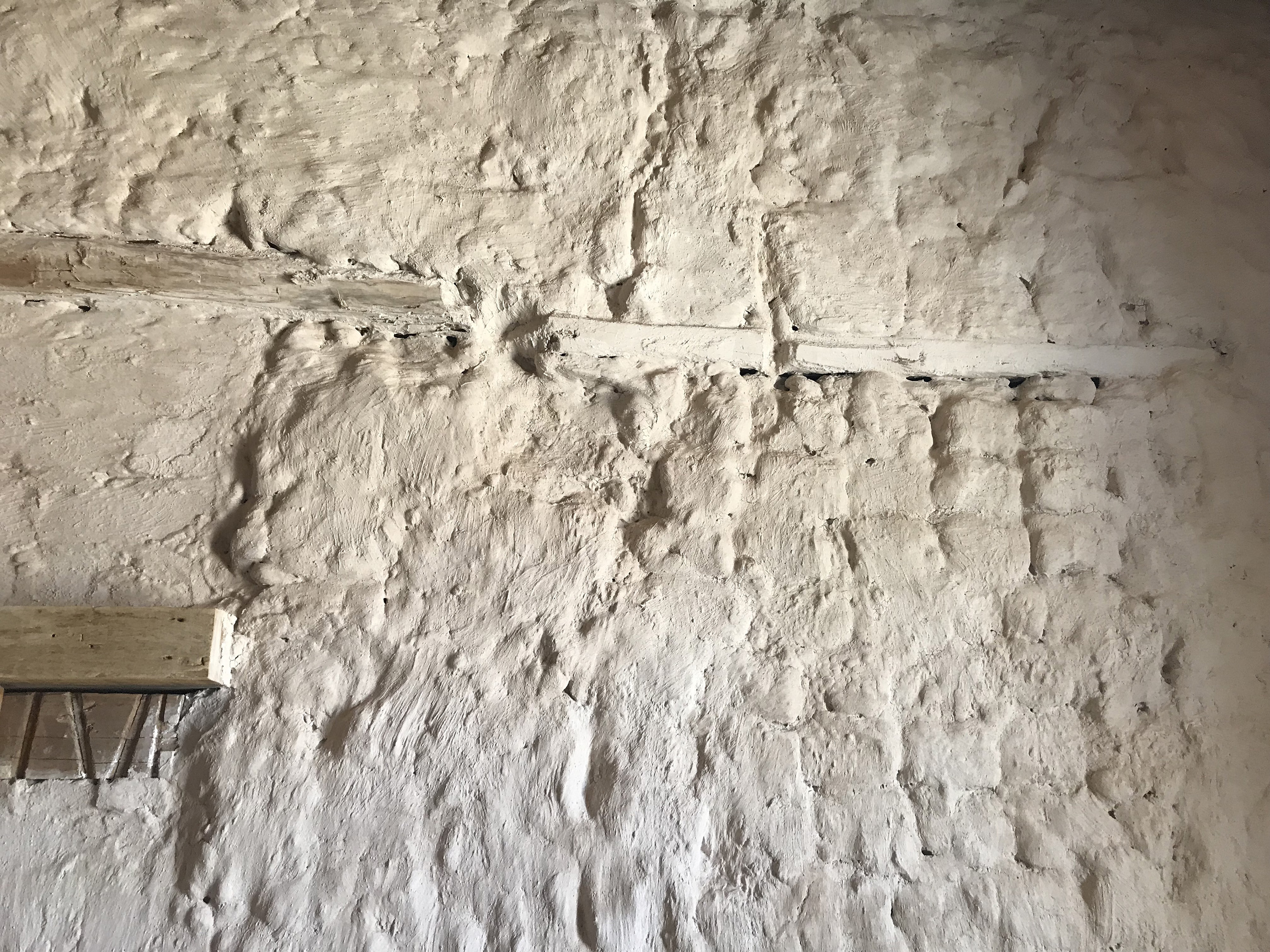
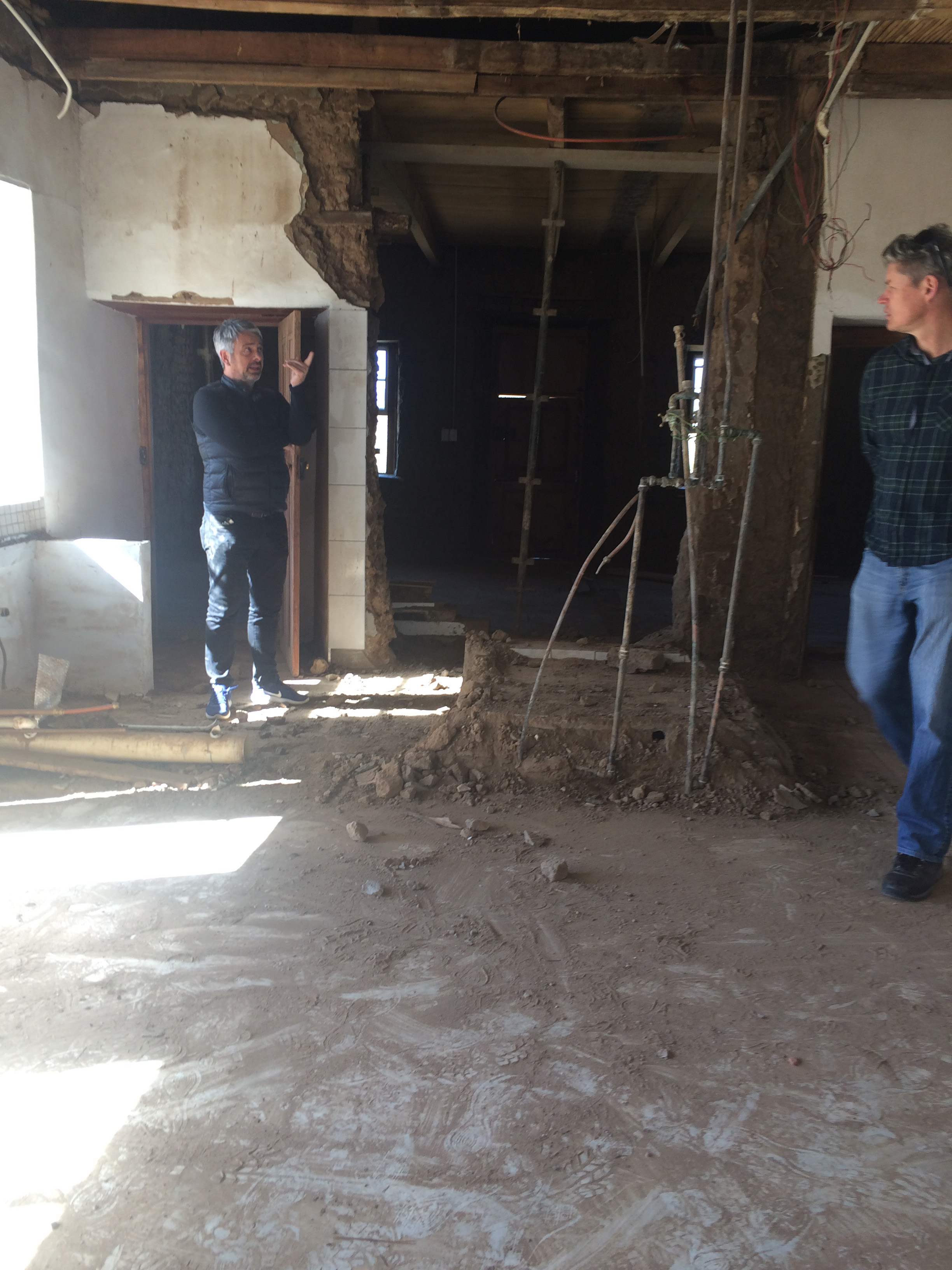
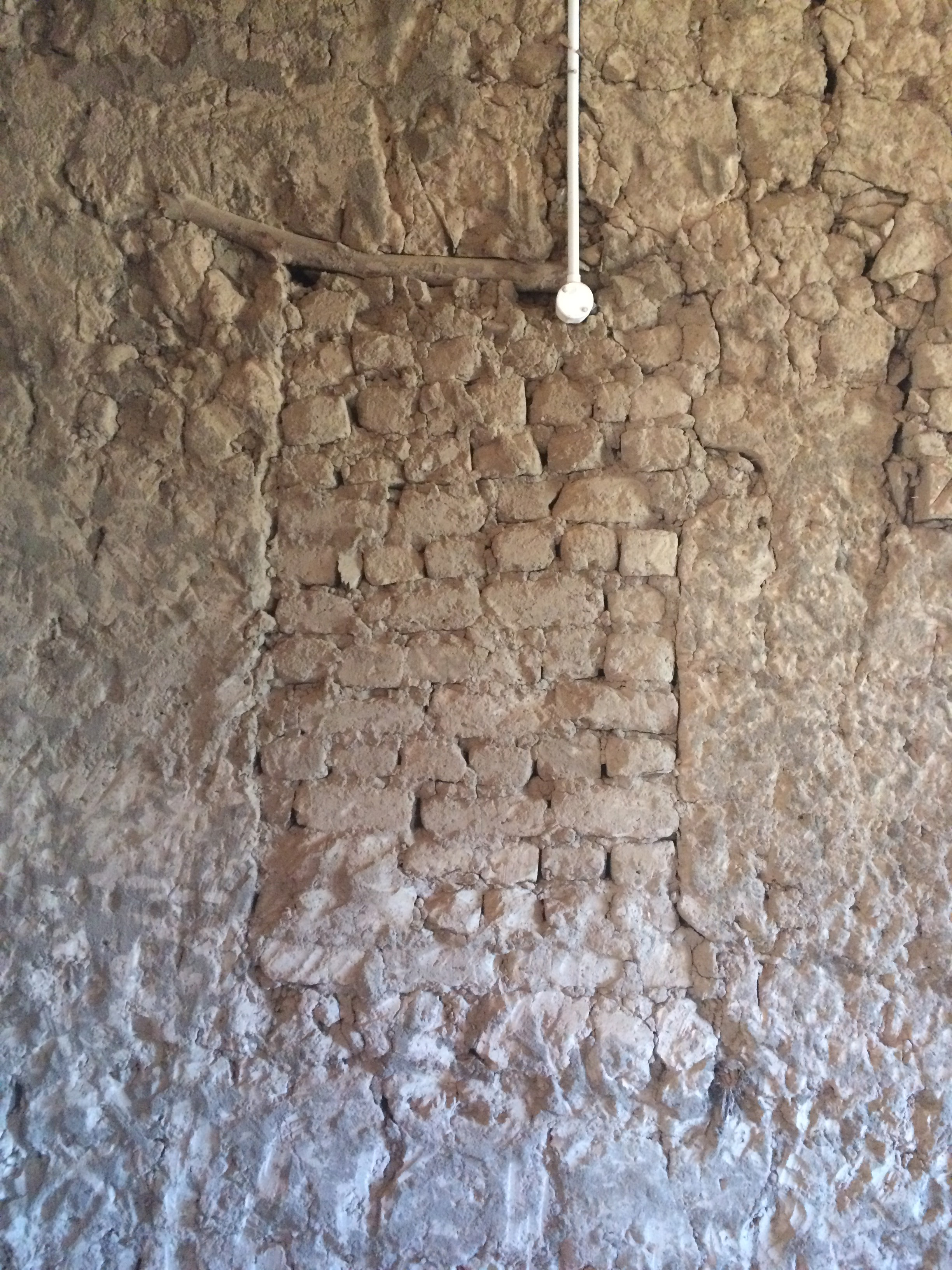
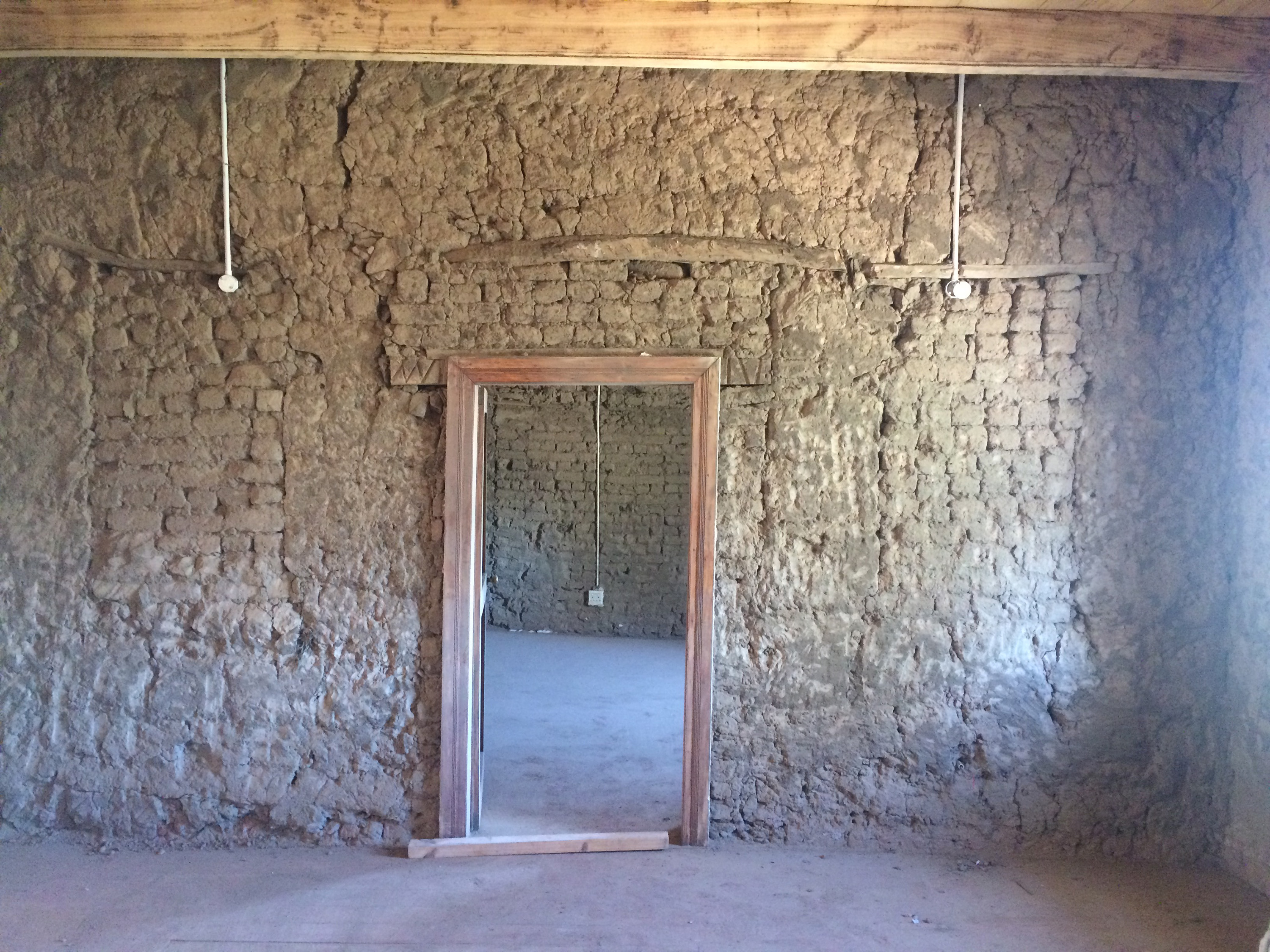
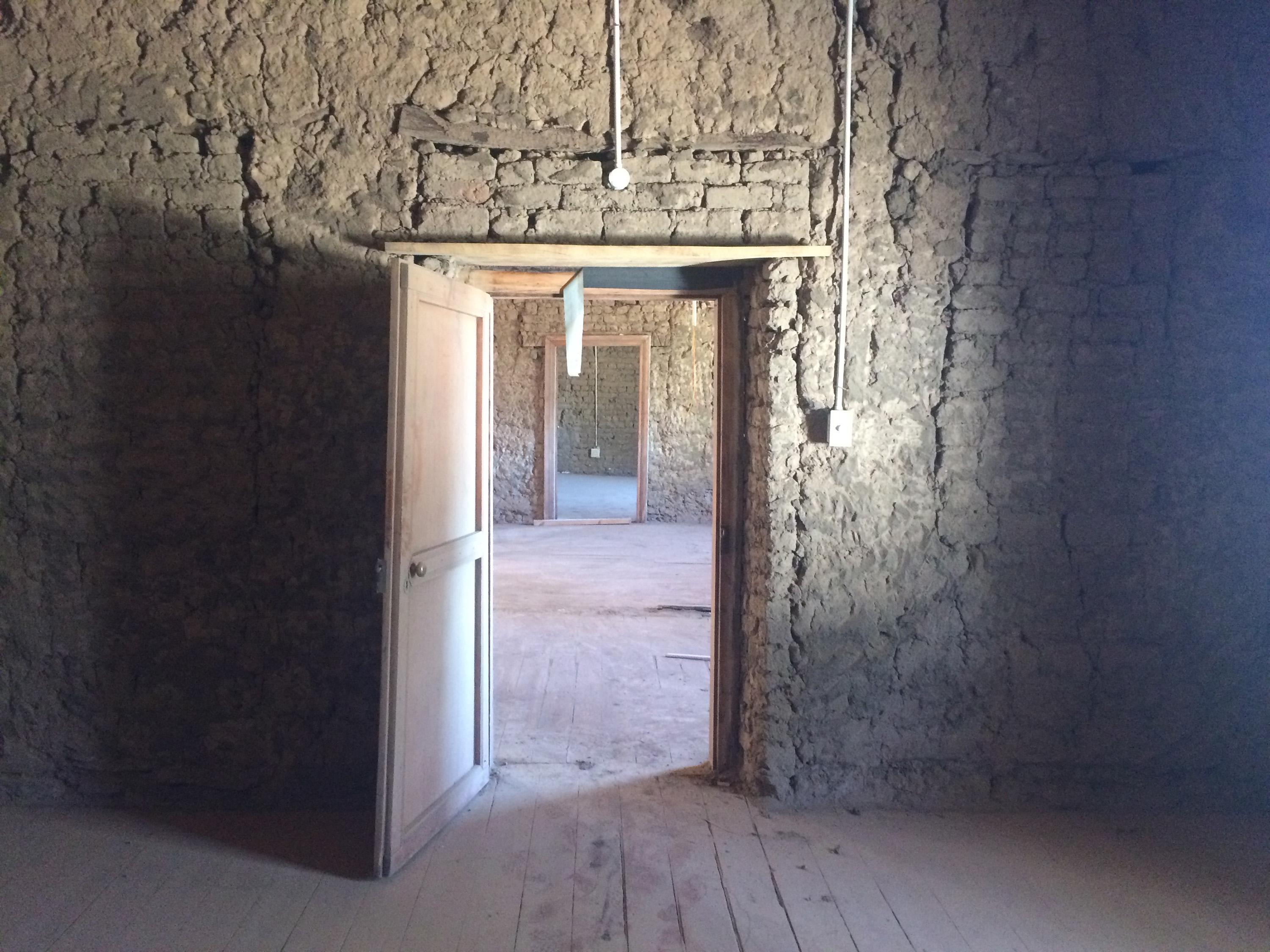
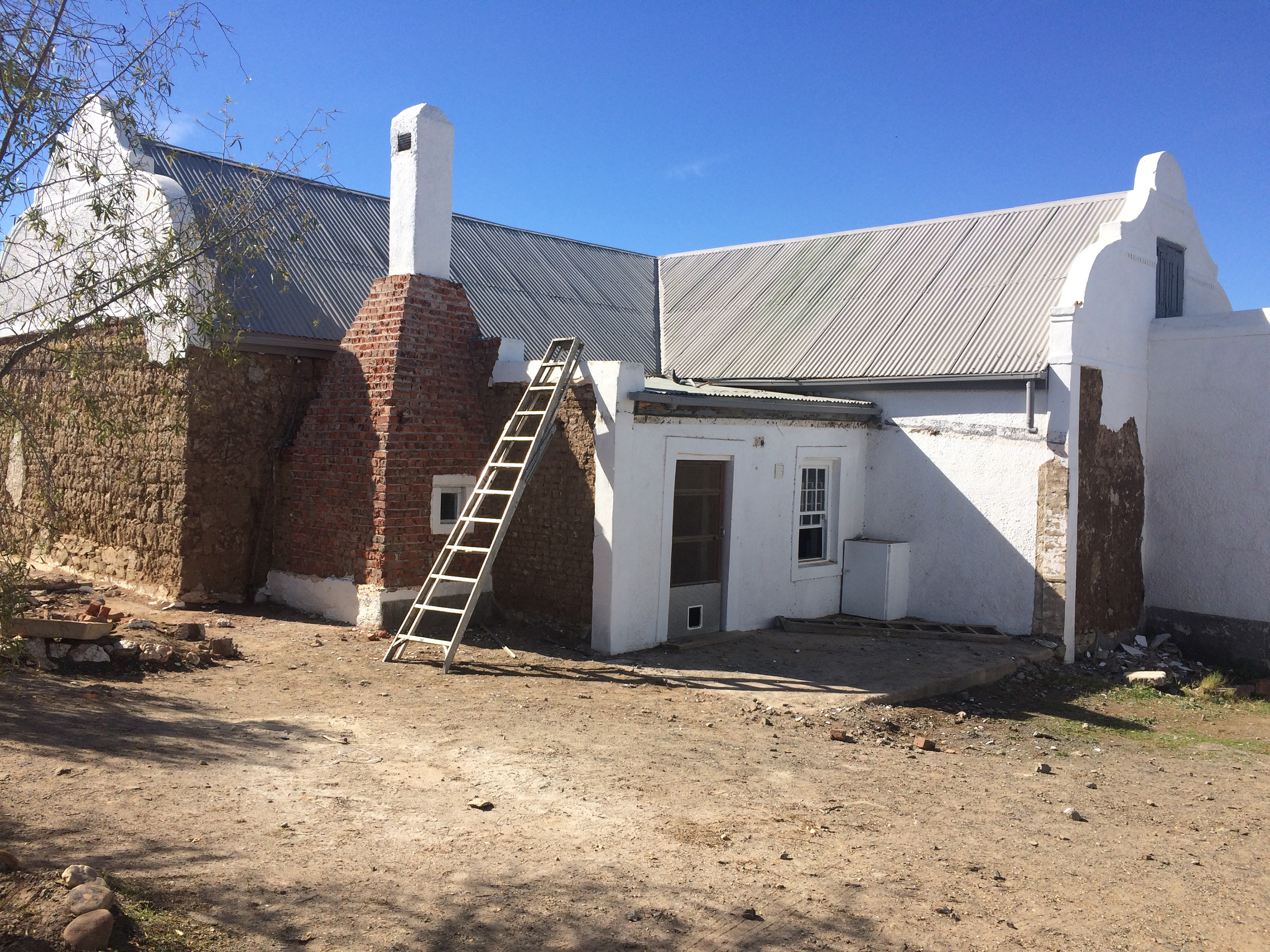
The 6 historical buildings had been constructed by a combination of the poured earth method slightly different than the more known sun-dried masonry brick method also used. The buildings had been plastered by a plethora Of different types Of plaster through the years and the first step was to strip all plaster and assess the state Of the mud structures. All structural damage was fixed with clay collected from the dry earth irrigation dam which was obviously also the original source Of clay the buildings had been built With and replastered in lime and sand as was traditionally done.
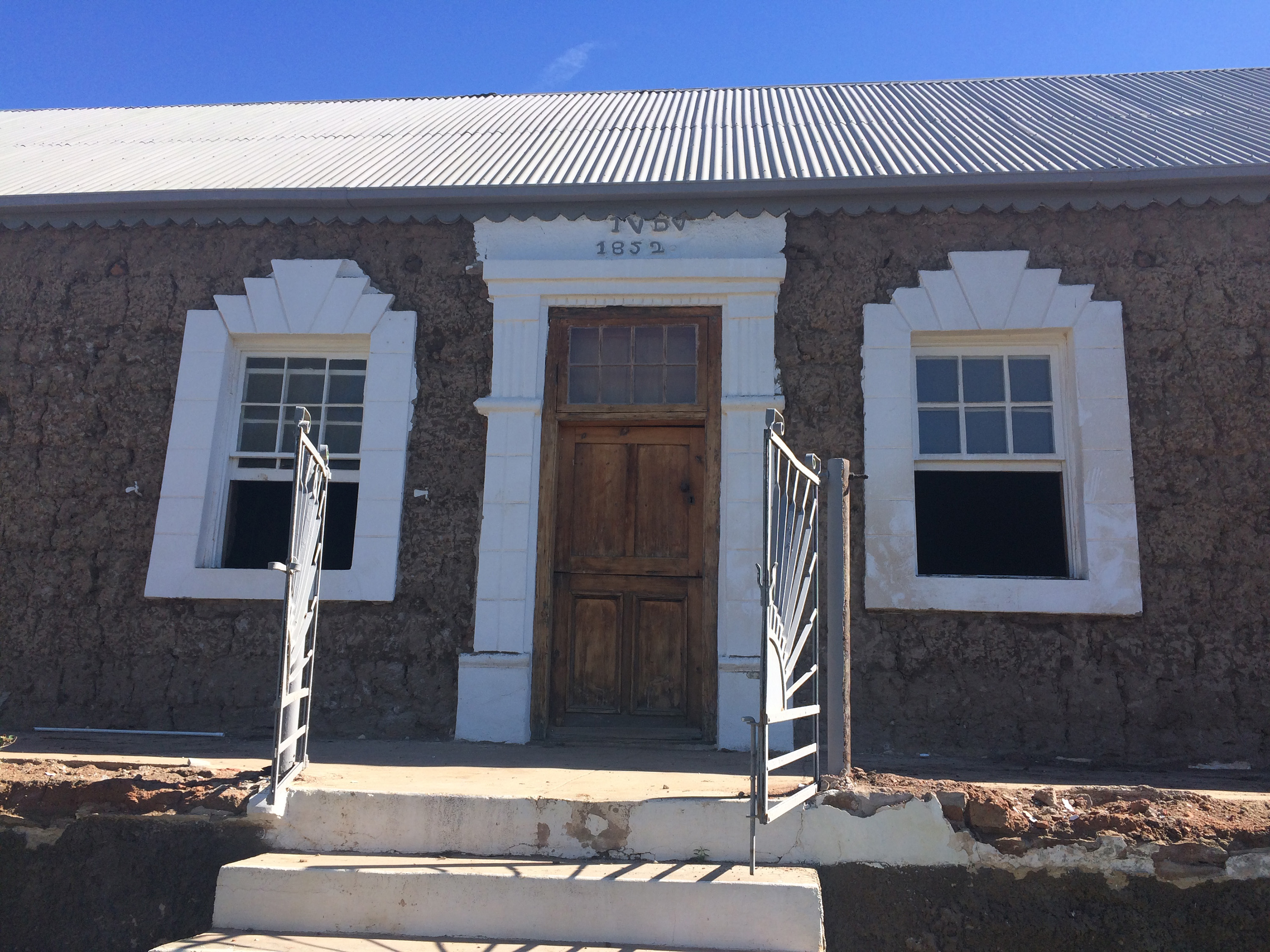
The buildings found in their pre-restored state included some horisontal proportion steel doors and windows added during the buildings recent history which is foreign to Cape Dutch architecture. Several new “stoepsn (porches) had been added constructed in a confused eclectic manner. A modern bathroom was added at the very important position Of the connection between the 2 roofs forming a T. See Cape Dutch description www.artefacts.co.za.
The bathroom was demolished to restore the building to its original state with a series of rectangular rooms with direct access to each other.
The “stoeps” was removed to leave the buildings as clean as possible in their original pure form. Steel windows and doors was removed and replaced with copies of the existing historical windows still existing in the building.
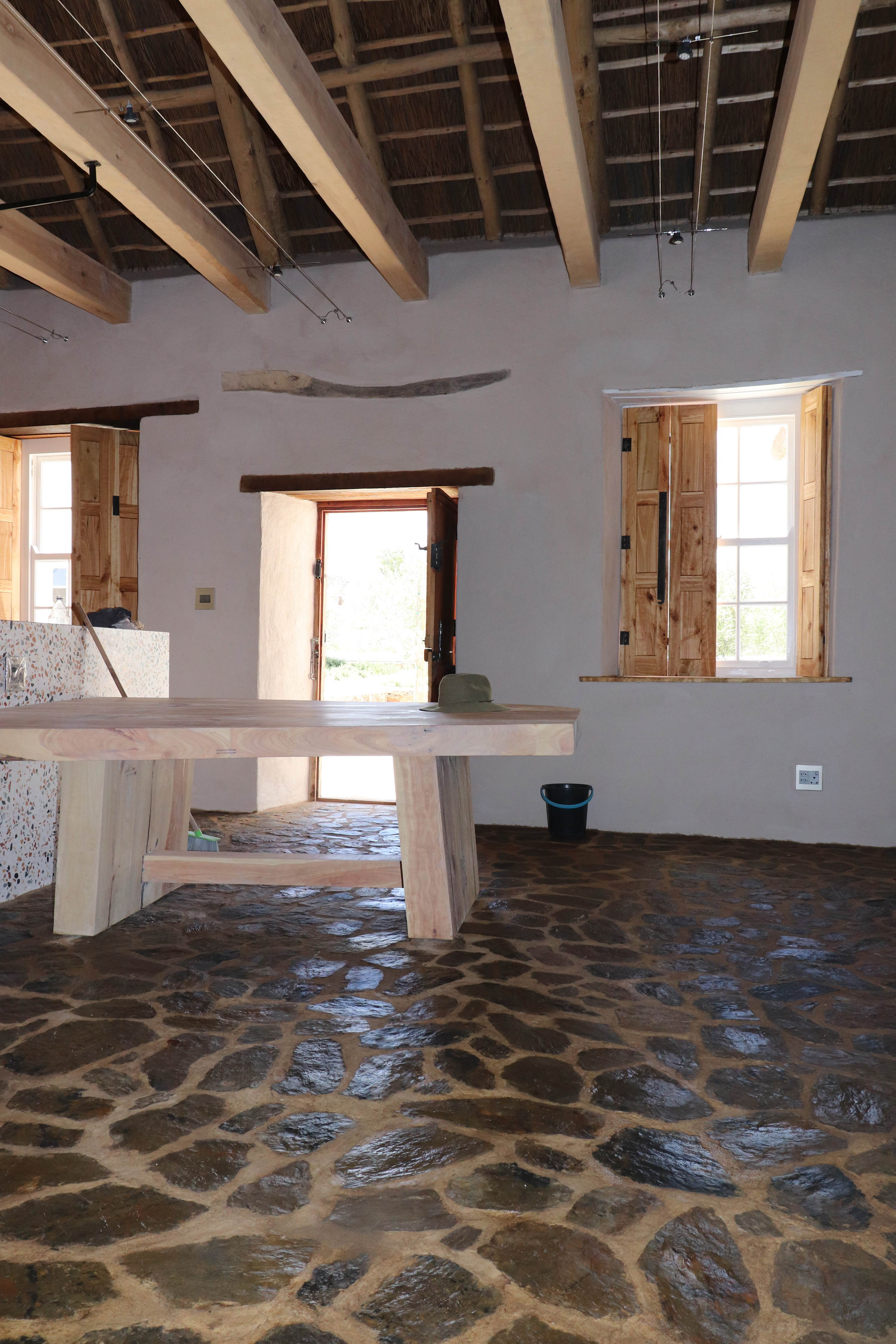
Beneath the new corrugated S-profile roof we found the remains of the original “dekriet” (thatch) roof covering. The decision was made to remove the S-profile and replace the roof with Albertinia Dekriet harvested in close vicinity ( 100km ) The poplar pole roof structure was fixed up by a specialist to traditional construction methods and all original dowel fixings kept.
The main house floor was in bad repair and we sourced poplar floorboards from the Eastern Cape to replace them with.
The original yellow wood ceilings were sanded down.
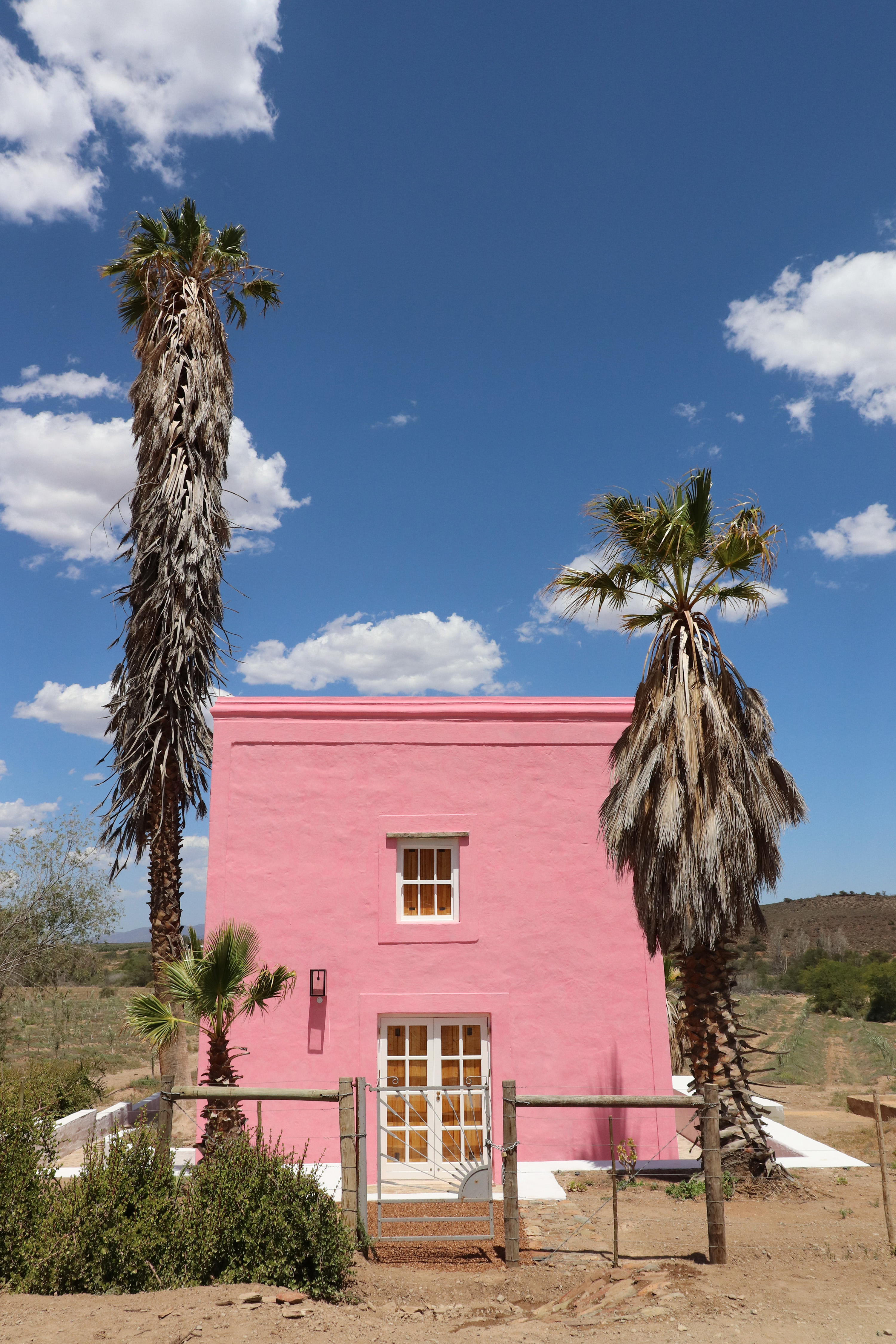
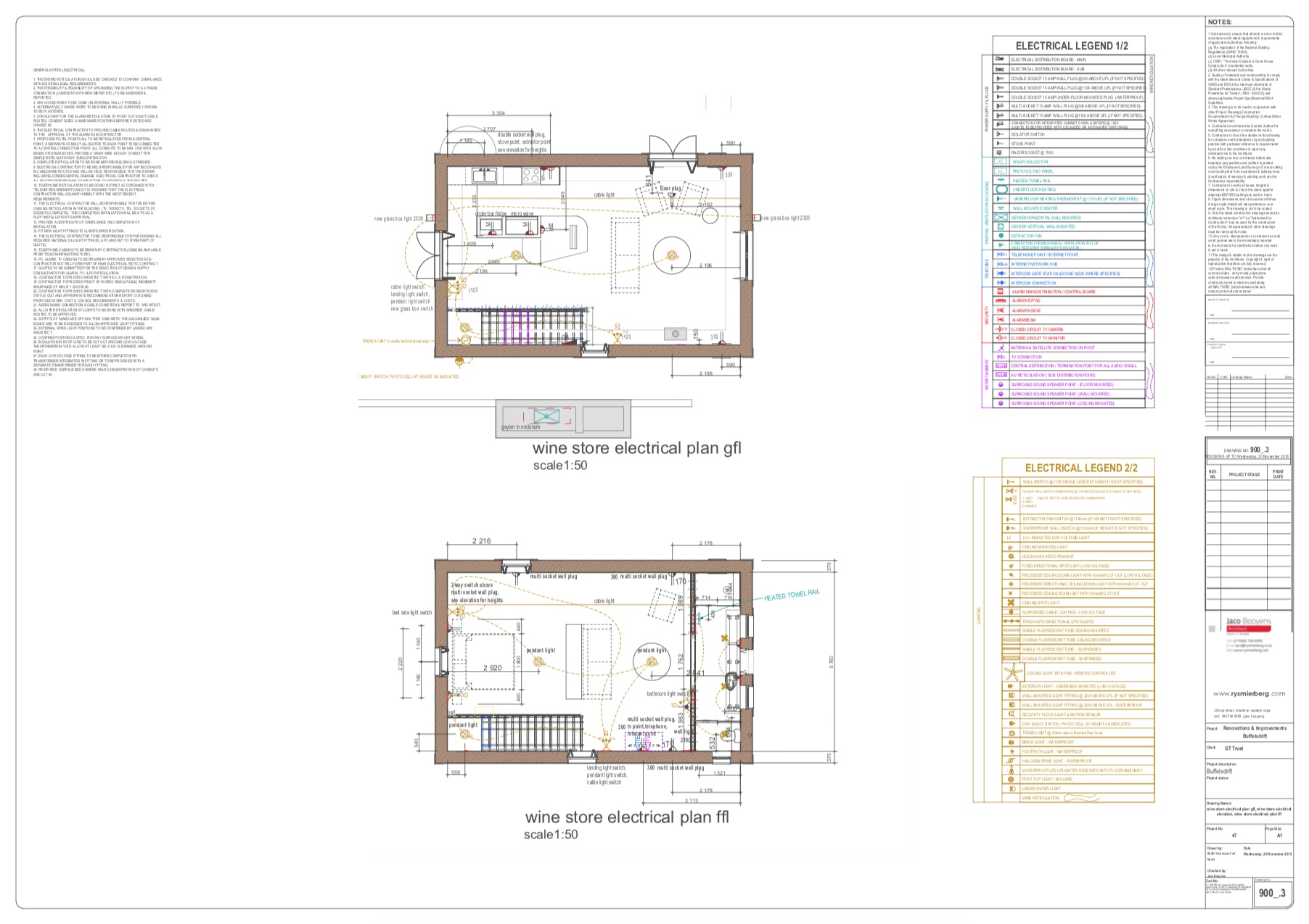
Opposite the road, facing the main house, is a simple rectangular box shaped building constructed of sun dried brick. Its original function was most likely a tobacco drying shed at first only 1 ,5 storeys in height. Before the restoration half a storey Of fired bricks was added to lift the building to a double storey building with upper mezzanine level.
A modern bathroom and electricity was added without care.
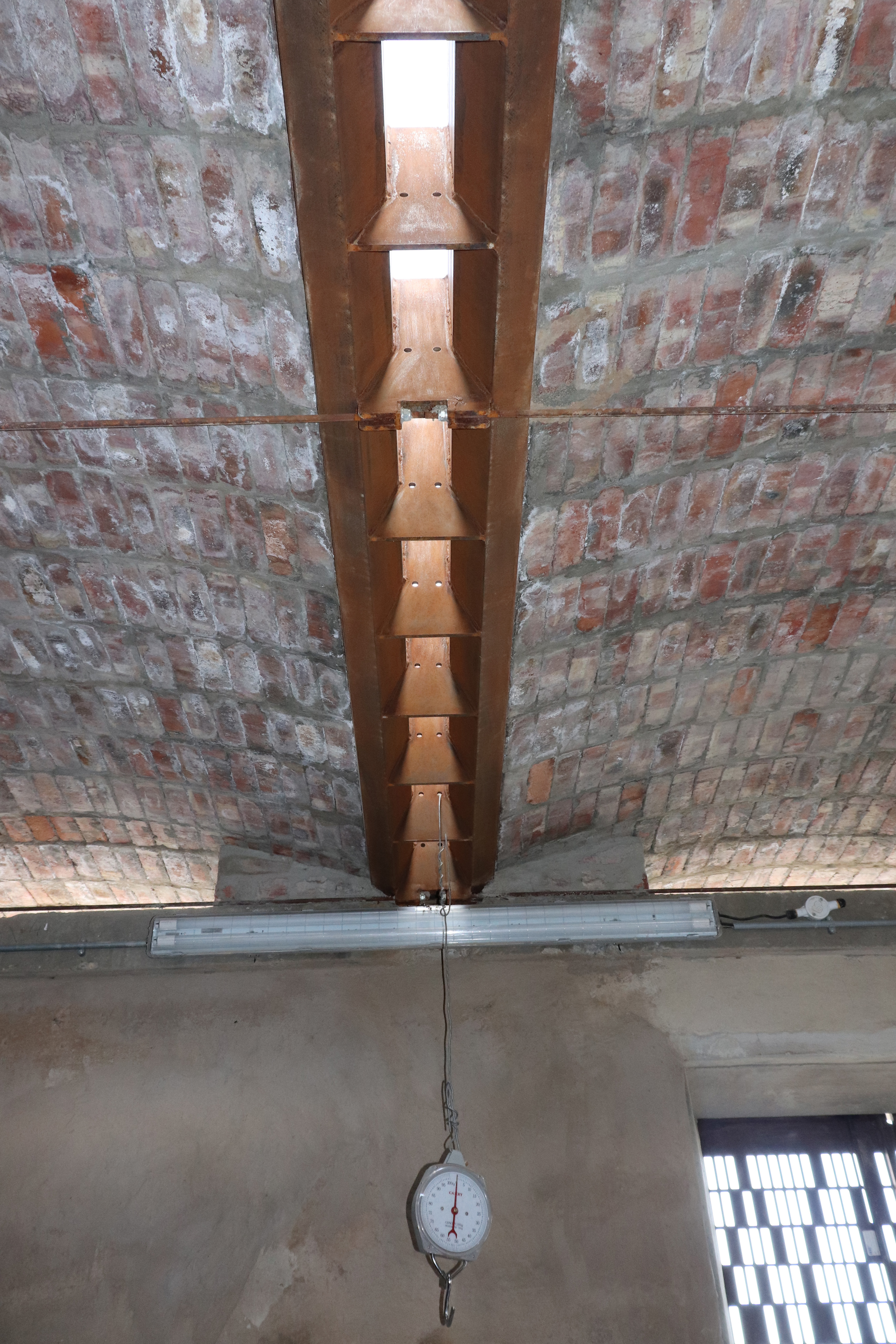
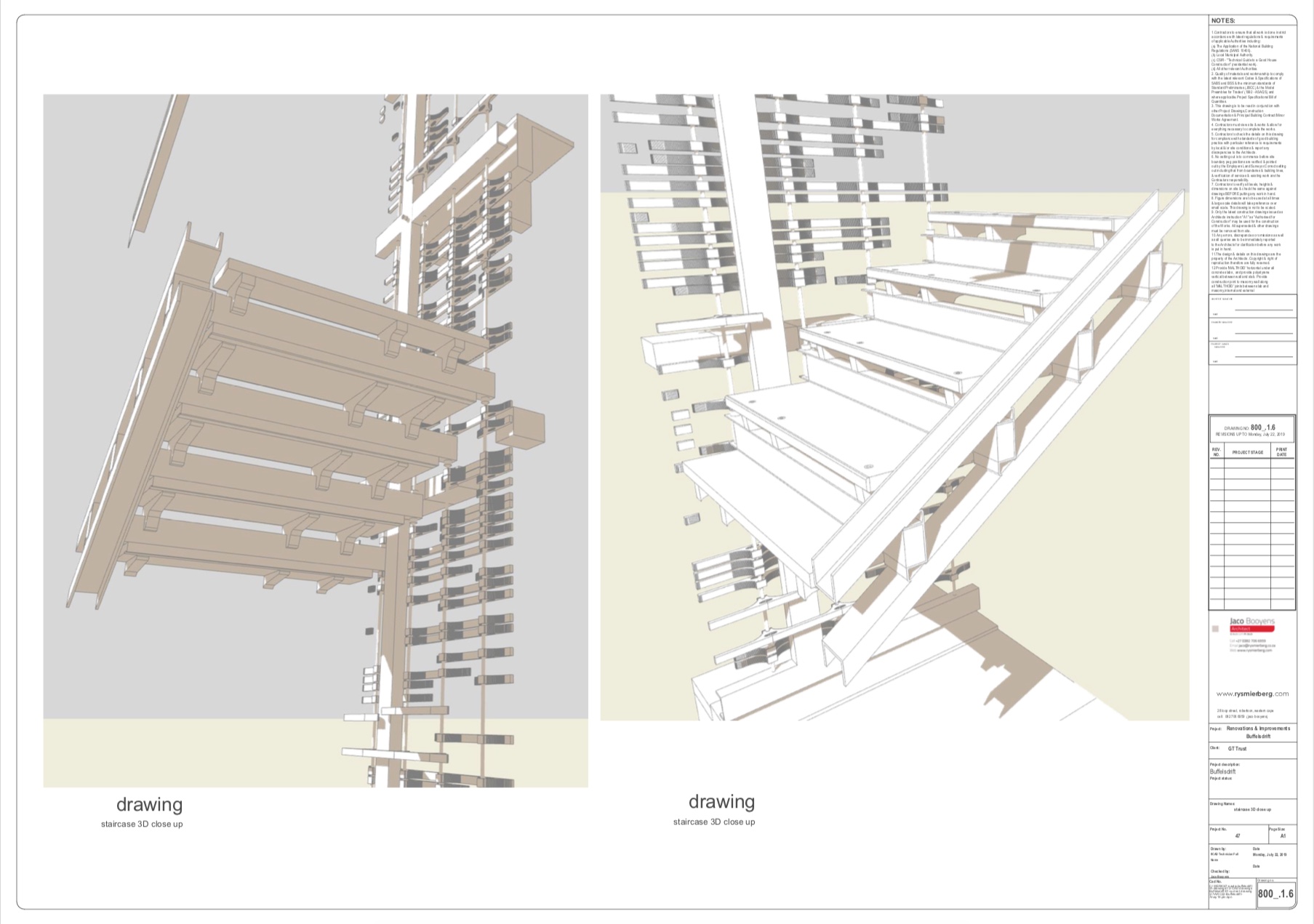
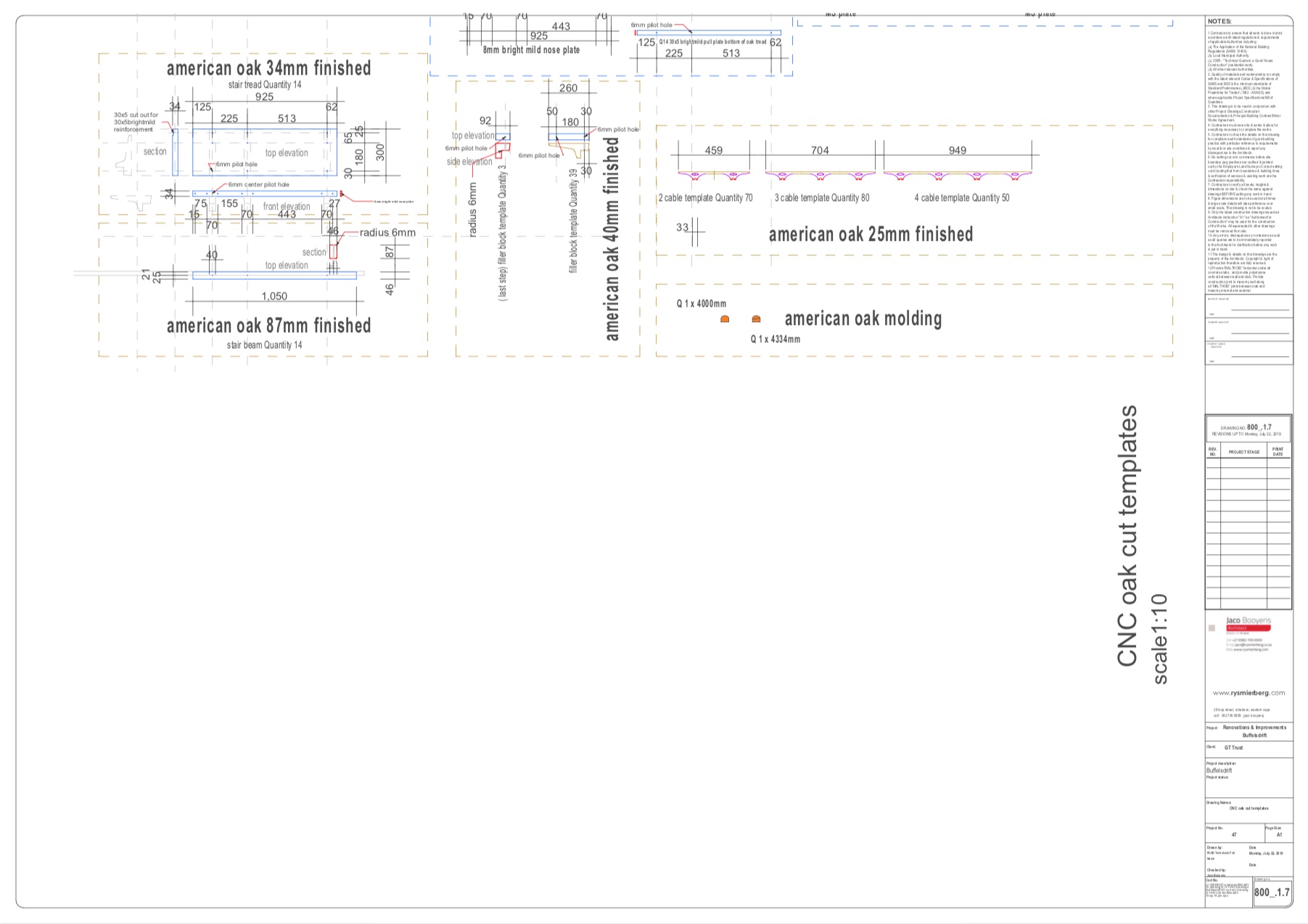
These were removed. The buildings eclectic mix of patched cement plasters was stripped internal and external and replaced with traditional lime plaster.A clumsy constructed concrete staircase was demolished and replaced with a new contemporary CNC fabricated staircase.
As in the main house steel door and windows had been used in Several previous renovations. It was replaced with new custom made sash windows referencing the panes from the main house and double opening french doors with parliament hinges.
Stoeps and decks constructed from creosote poles had been added to the east. These were removed to restore the building back to its monolithic original state.
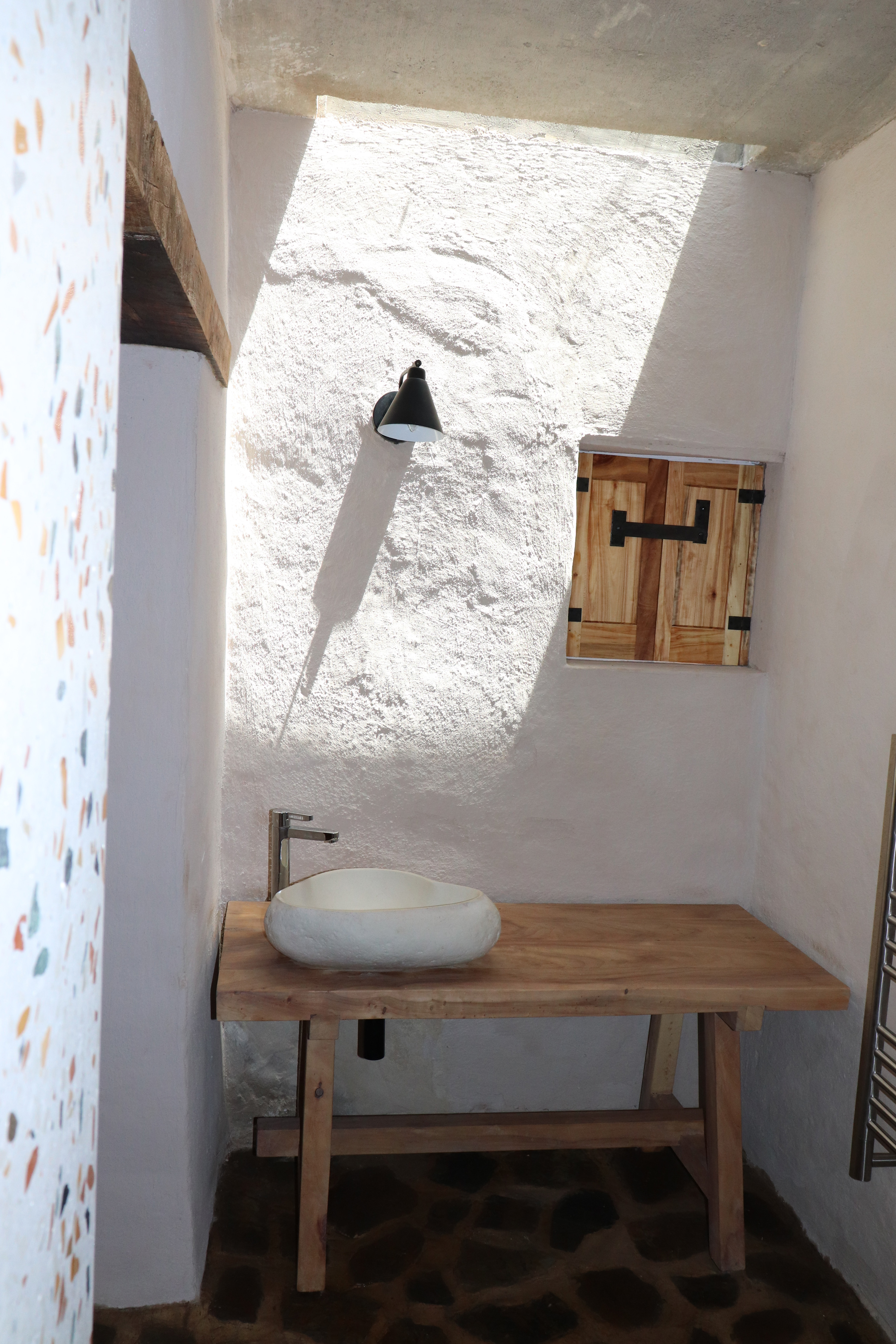
A new bathroom with timber drywall and terrazzo by Canatta & Sons was inserted filling the width Of the building on the
mezzanine level.
Cronologia:
2016 - 2019