Edificio per Assemblaggio Ford

Crediti
Cliente
Orton Development, Inc.
Collaboratori
Kent Royle
Autori
Donn Logan
Marcy Wong
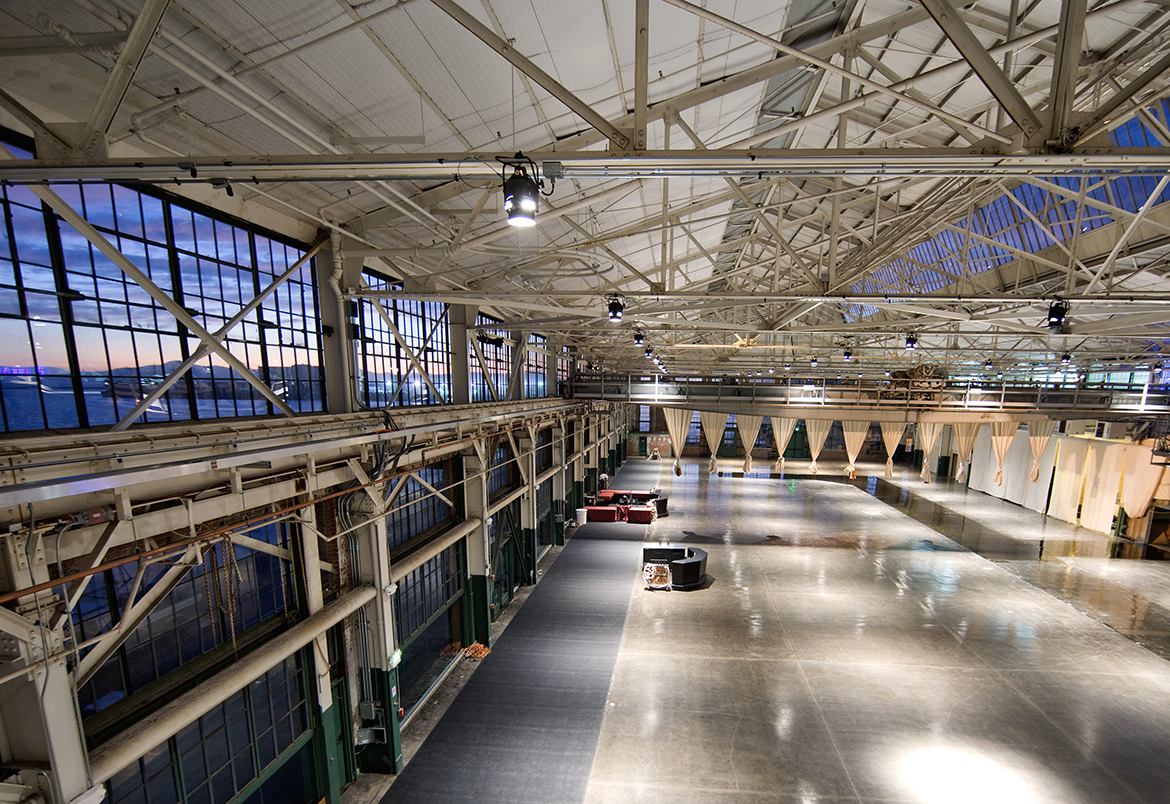
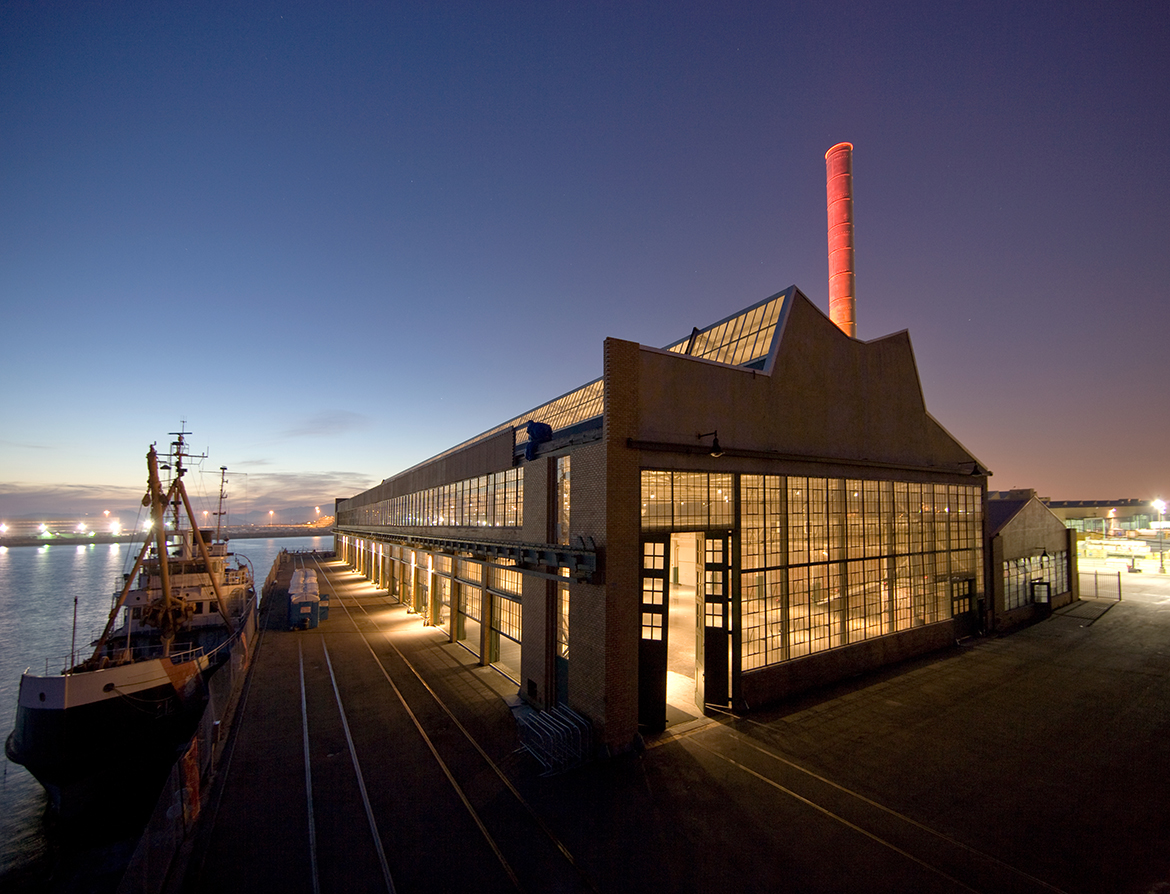
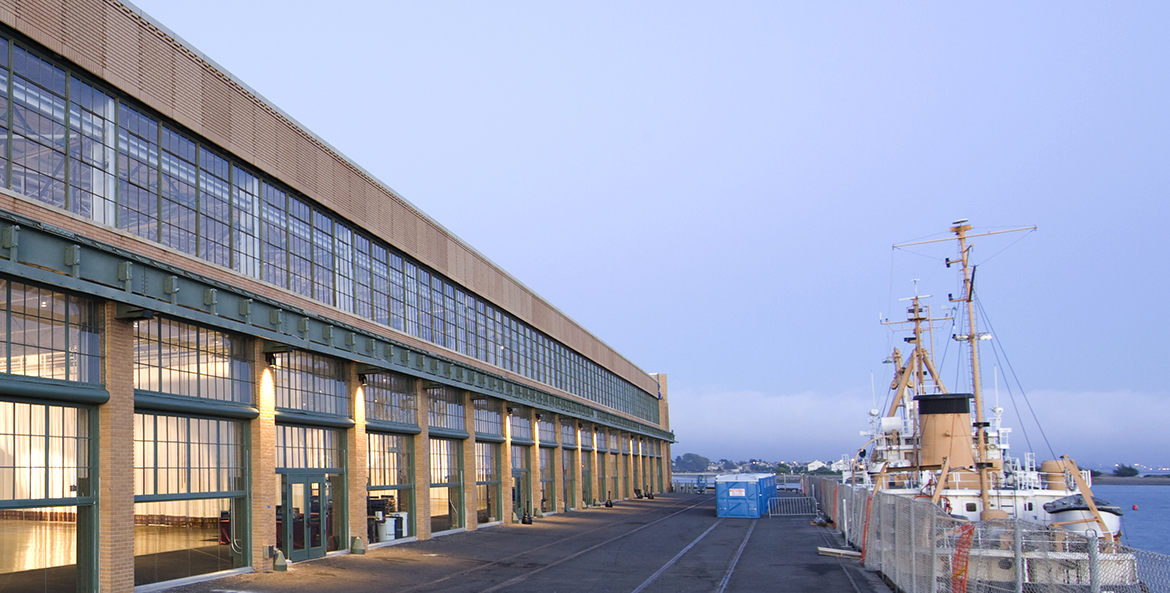
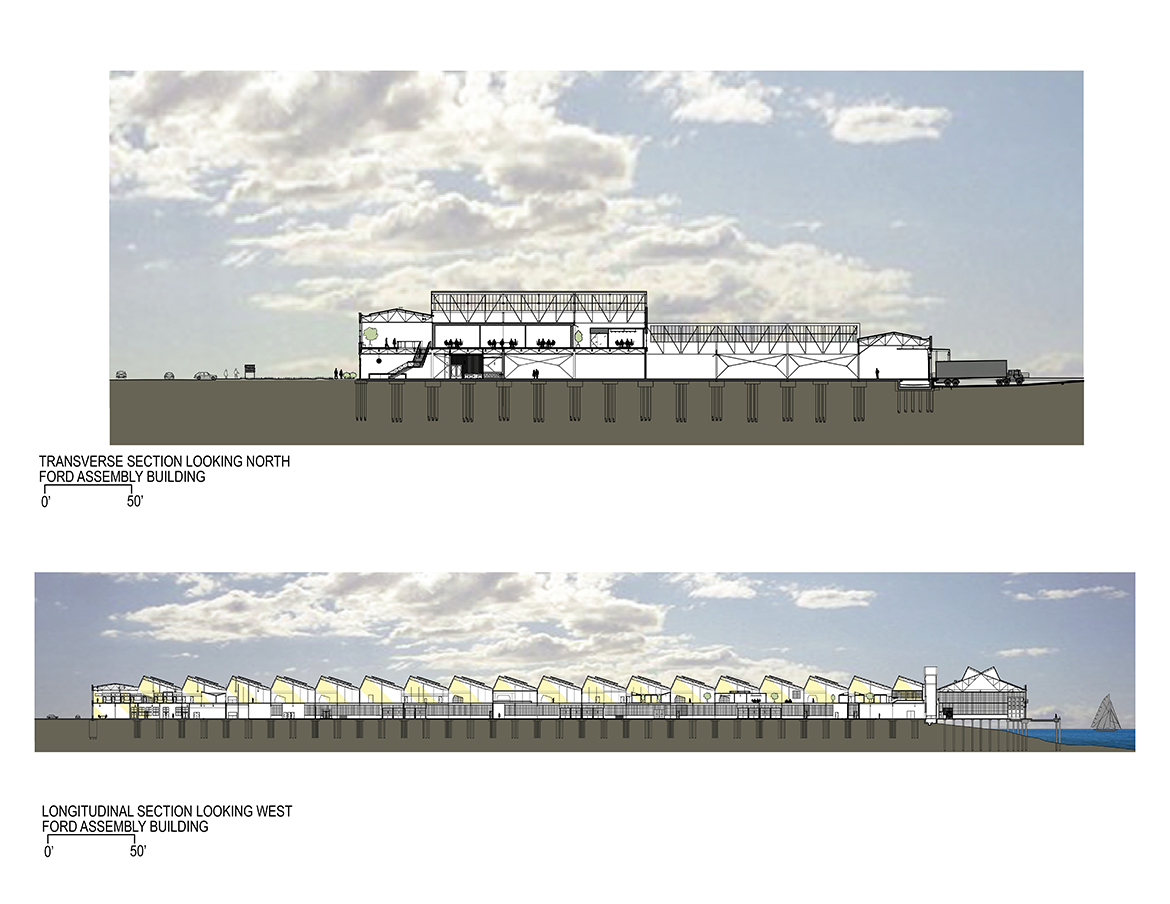
This 525,000 s.f. multi-million waterfront project rejuvenated the formerly abandoned and dilapidated Ford Assembly Building originally designed by Albert Kahn for Henry Ford in 1931. The historic factory is now transformed into a vibrant center of 21st Century building uses, including entertainment, dining, office, and a visitor center.
Disegni tecnici:
Report esteso:
Relazione estesa
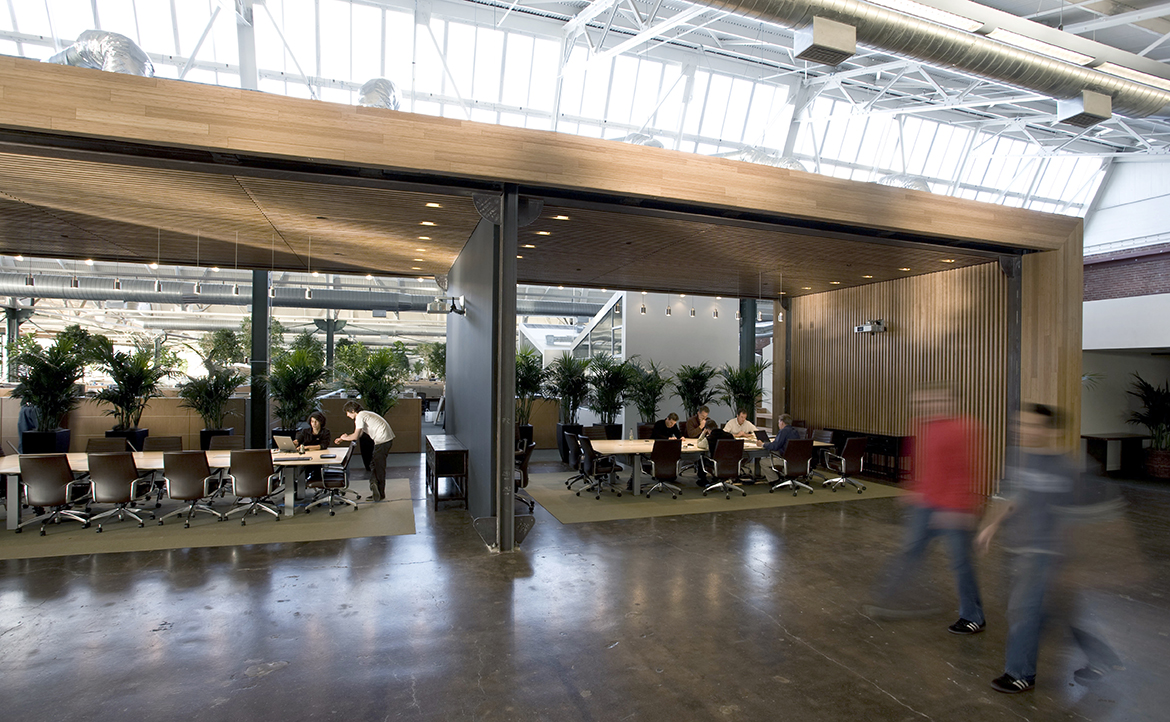
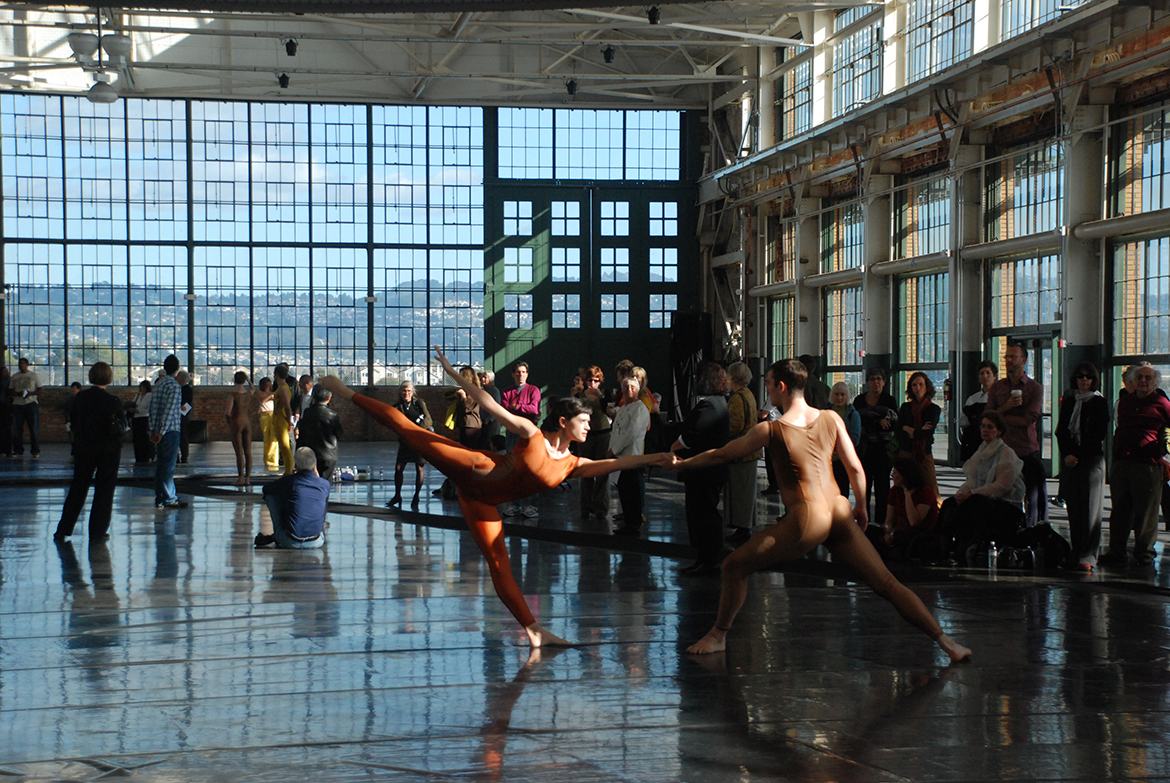
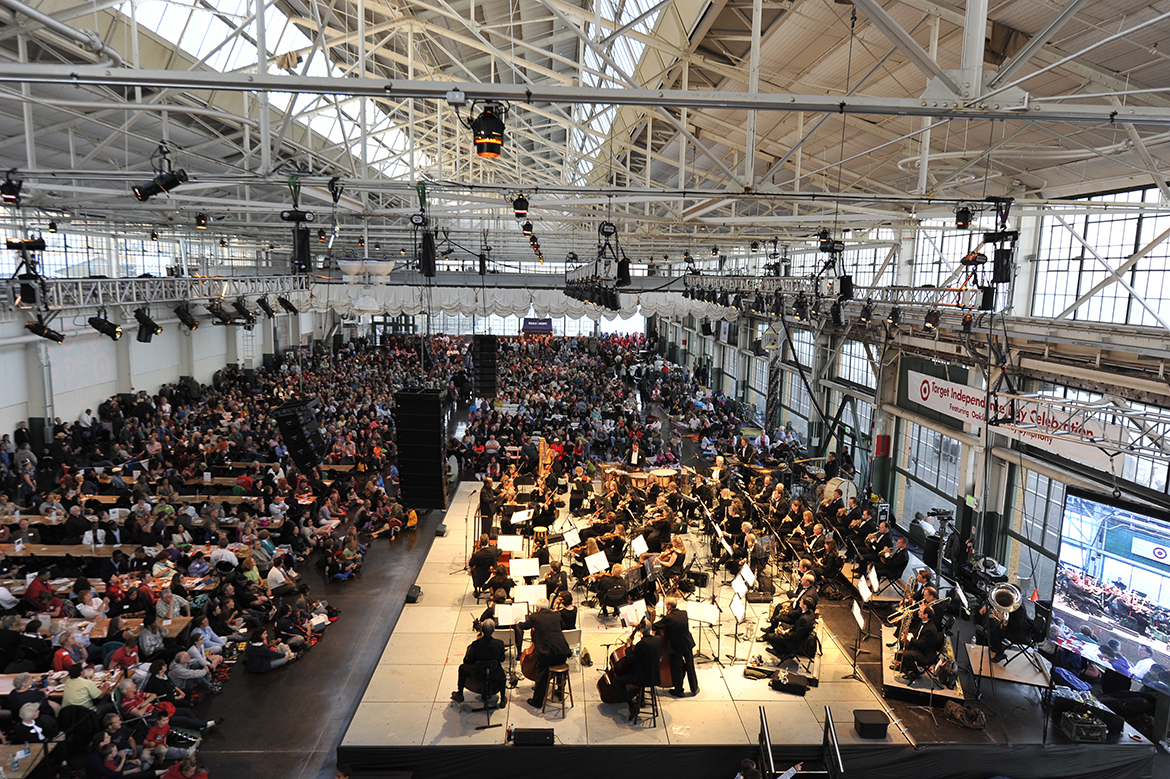
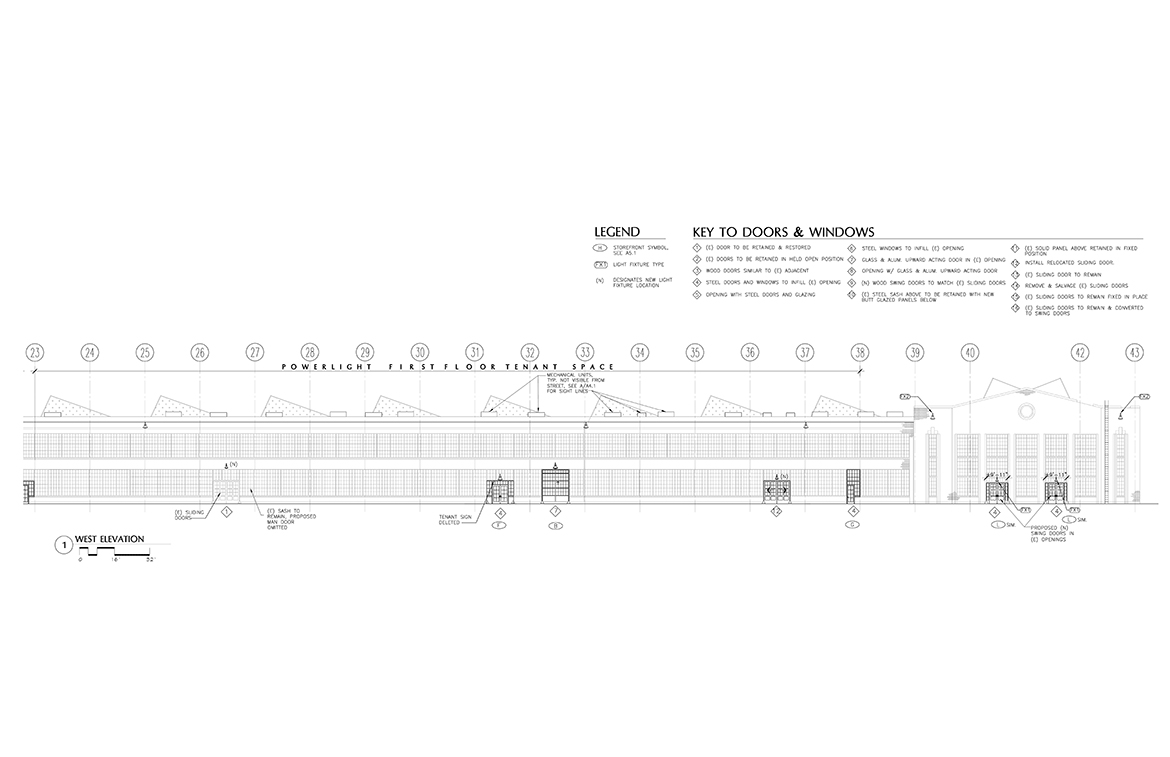
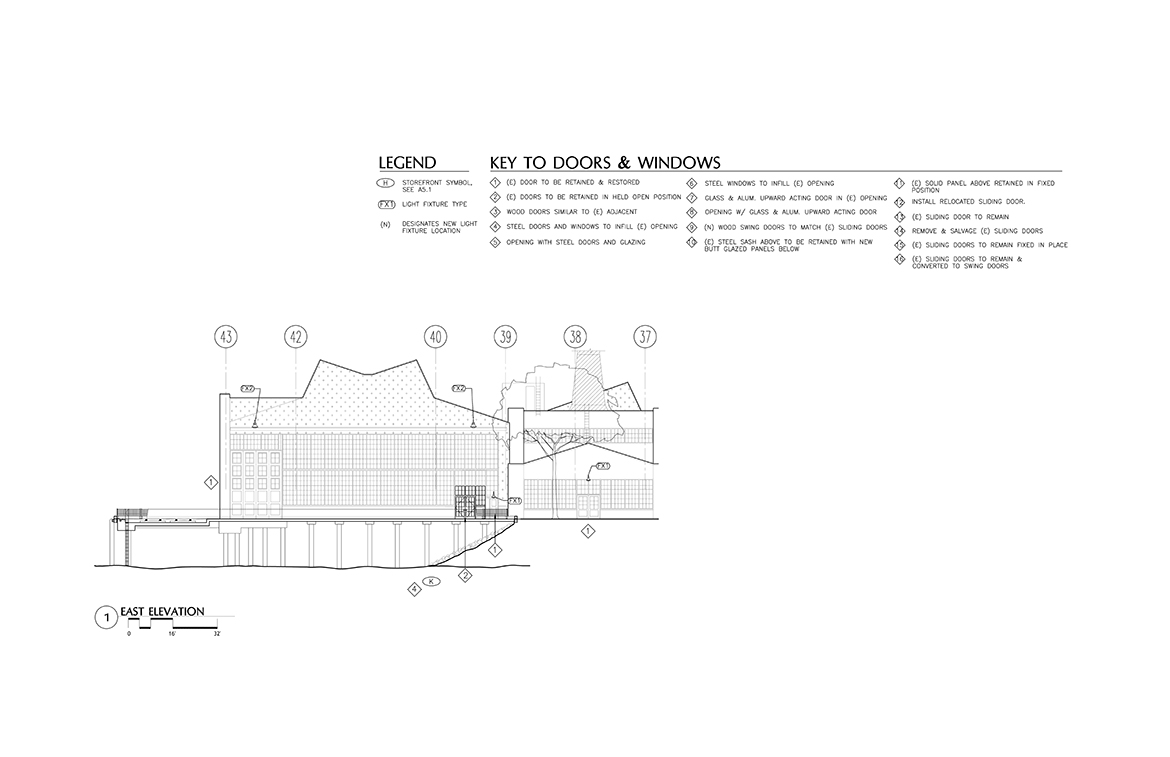
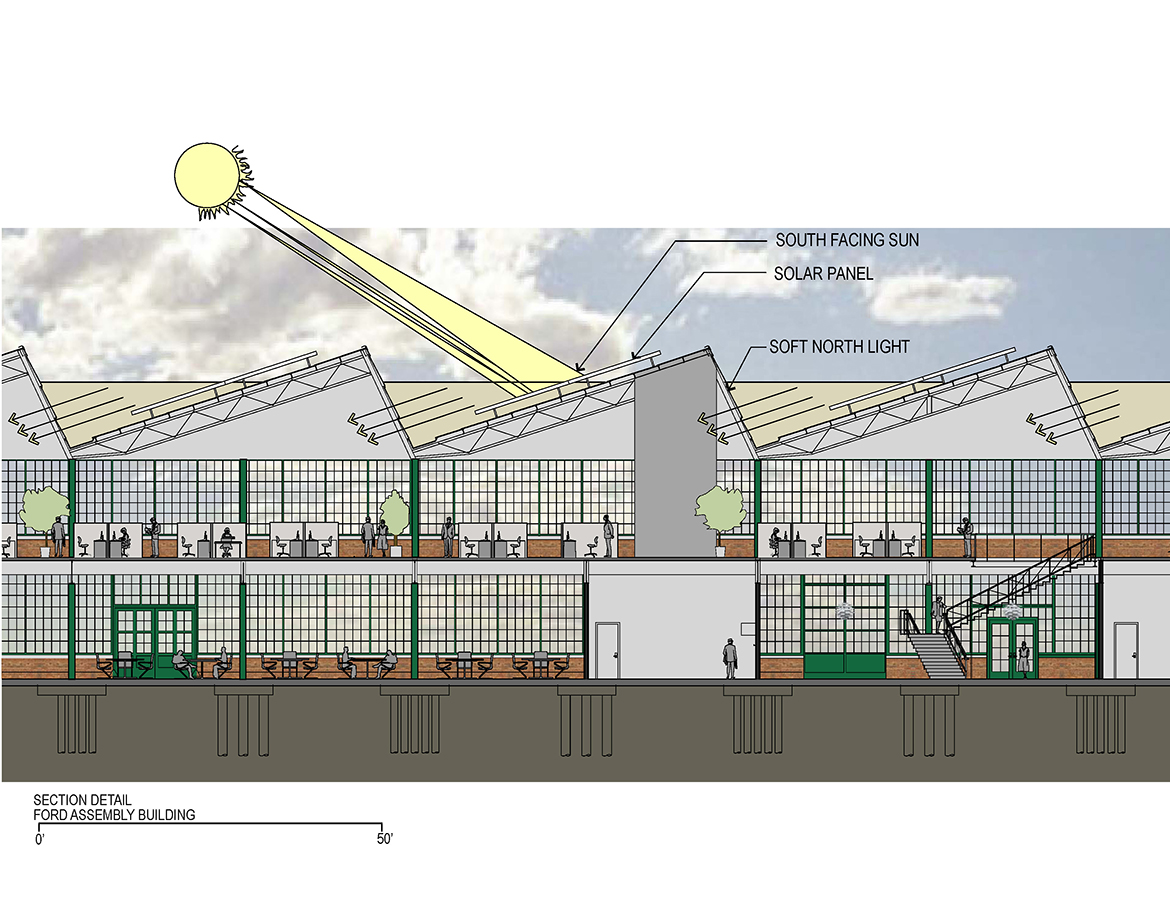
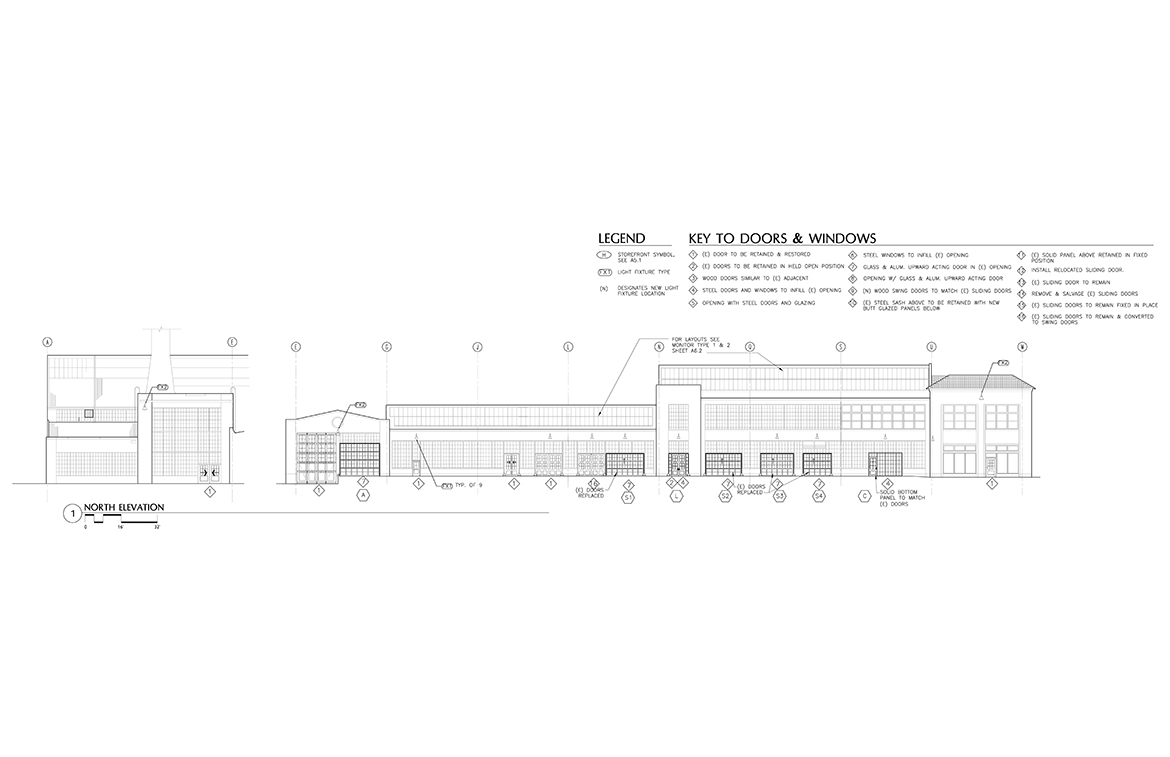
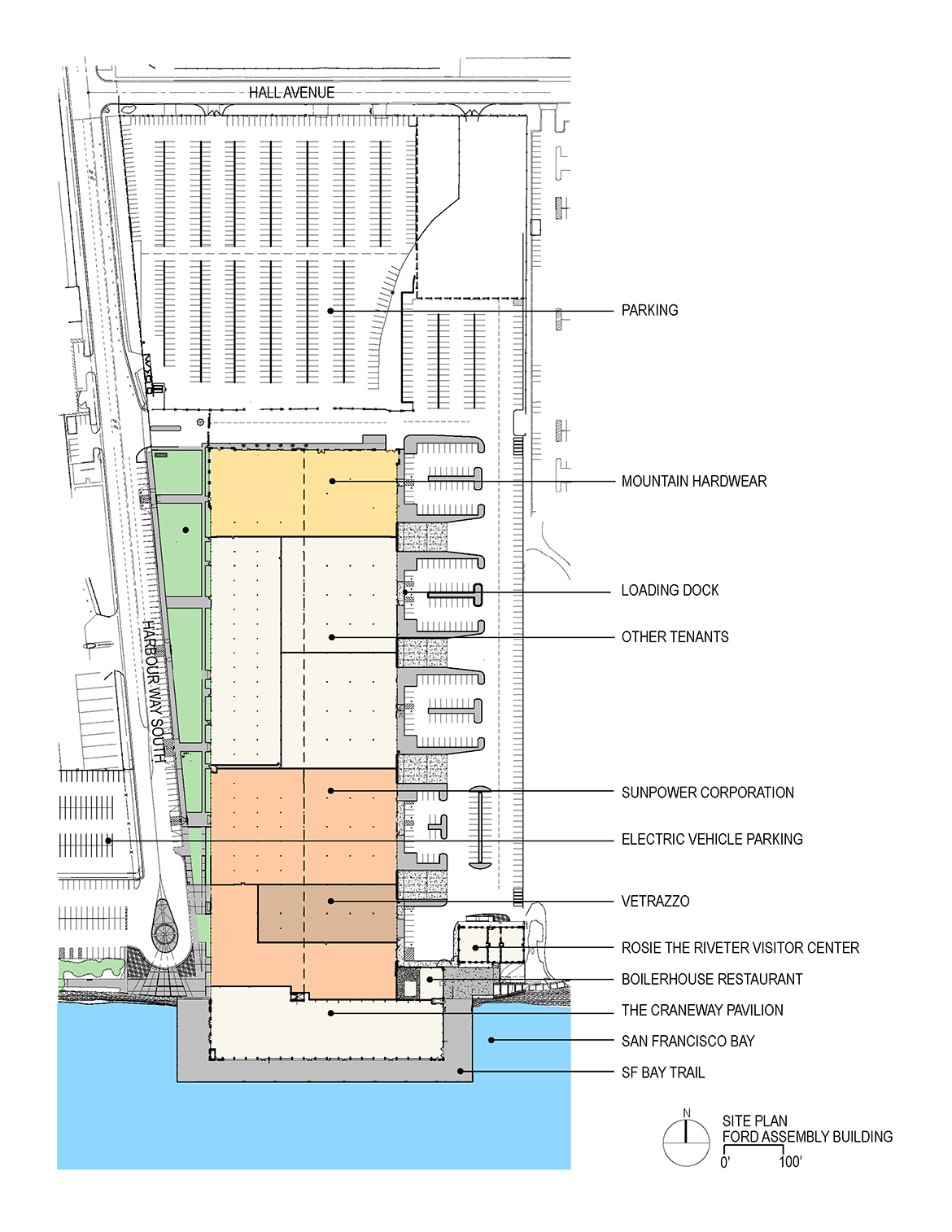
This 525,000 s.f. multi-million waterfront project rejuvenated the formerly abandoned and dilapidated Ford Assembly Building originally designed by Albert Kahn for Henry Ford in 1931. The historic factory is now transformed into a vibrant center of 21st Century building uses, including entertainment, dining, office, and a visitor center. Today it has a lively mix of public / private uses and accommodates a range of commercial tenants with offices, research and development facilities, light industrial, retail functions, and the NPS (National Park Service) Visitor Center celebrating WWII’s “Rosie the Riveter”. The project also incorporates significant sustainability features.
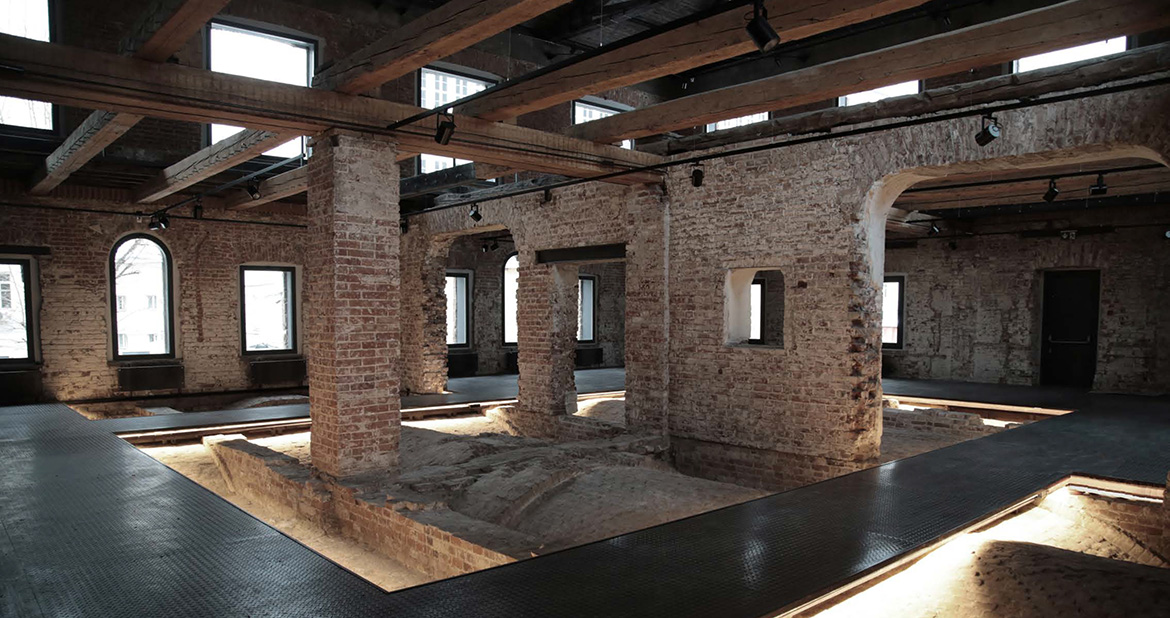
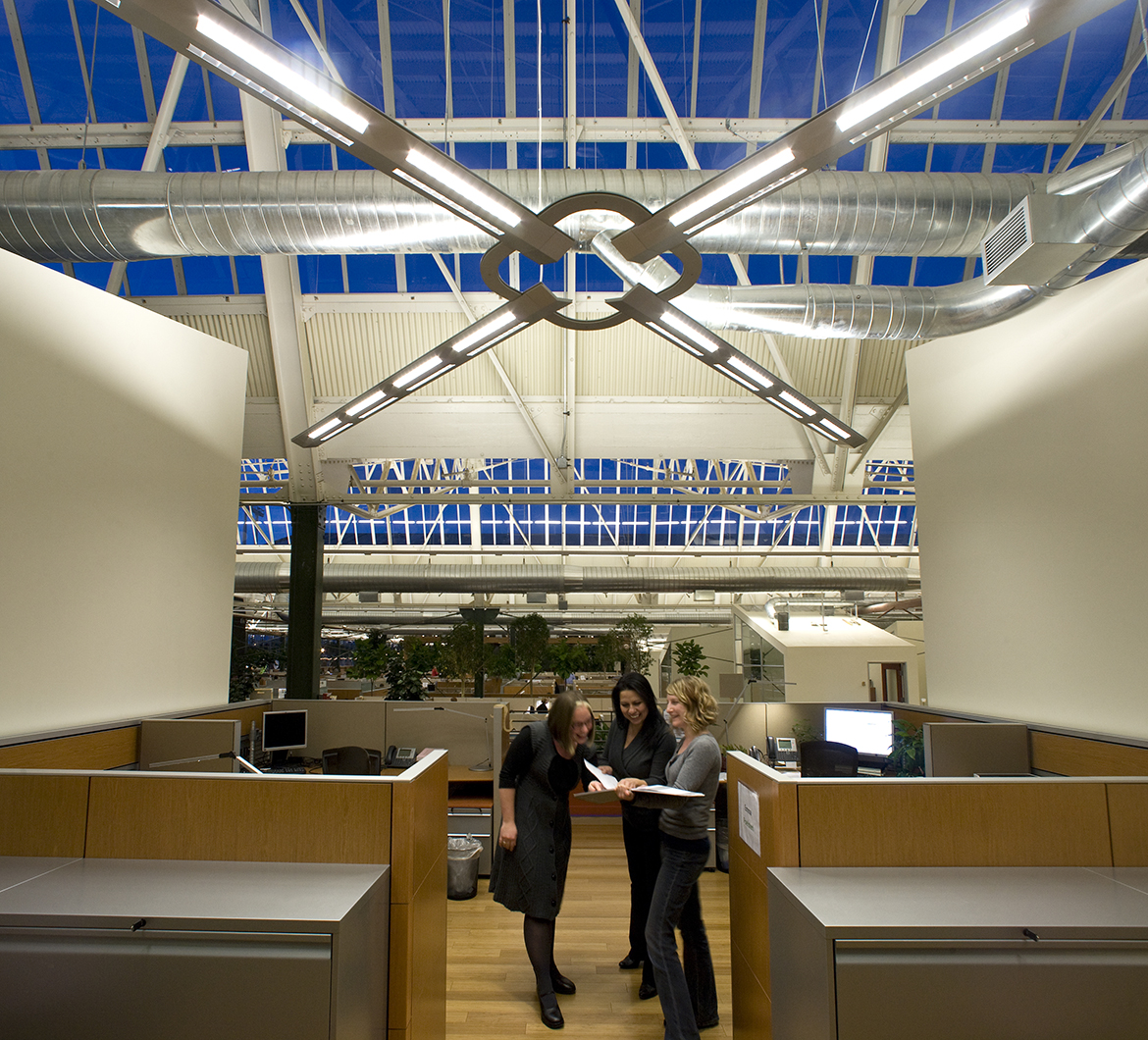
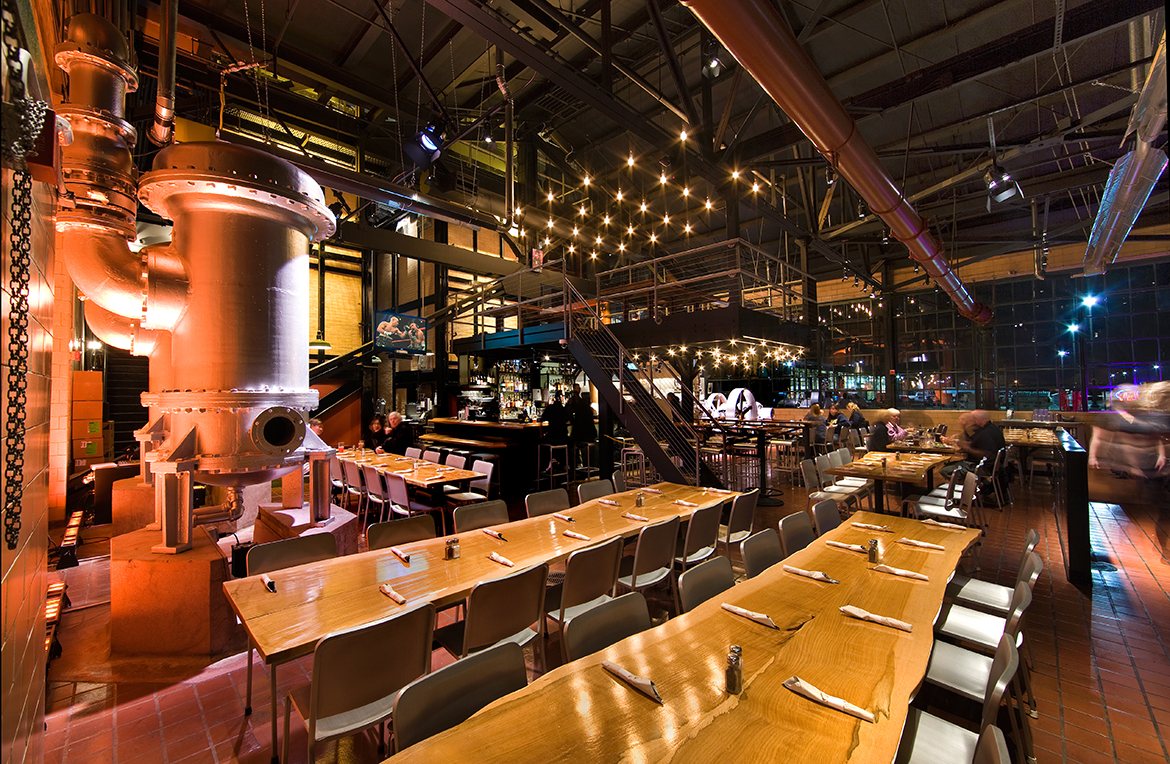
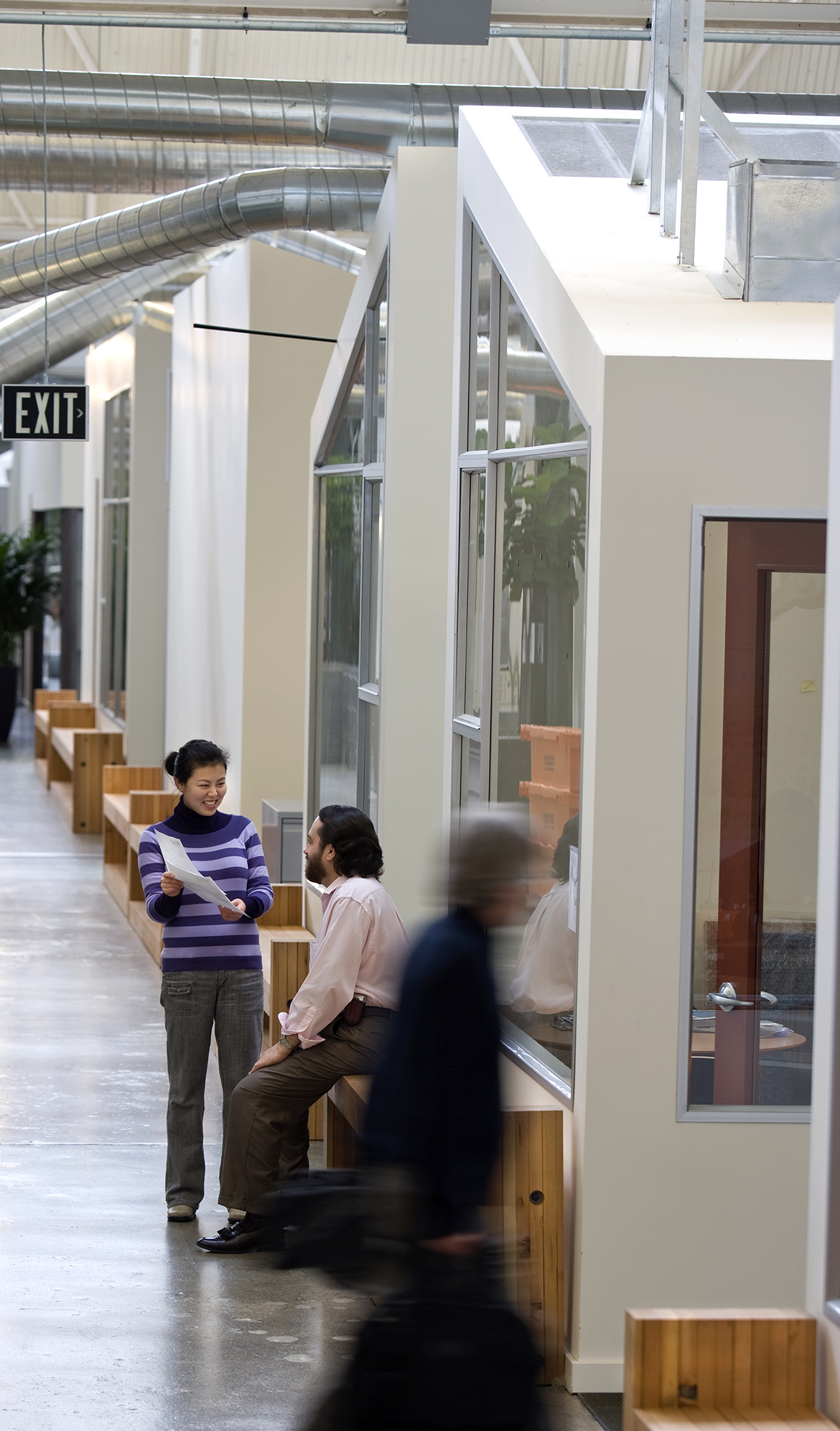
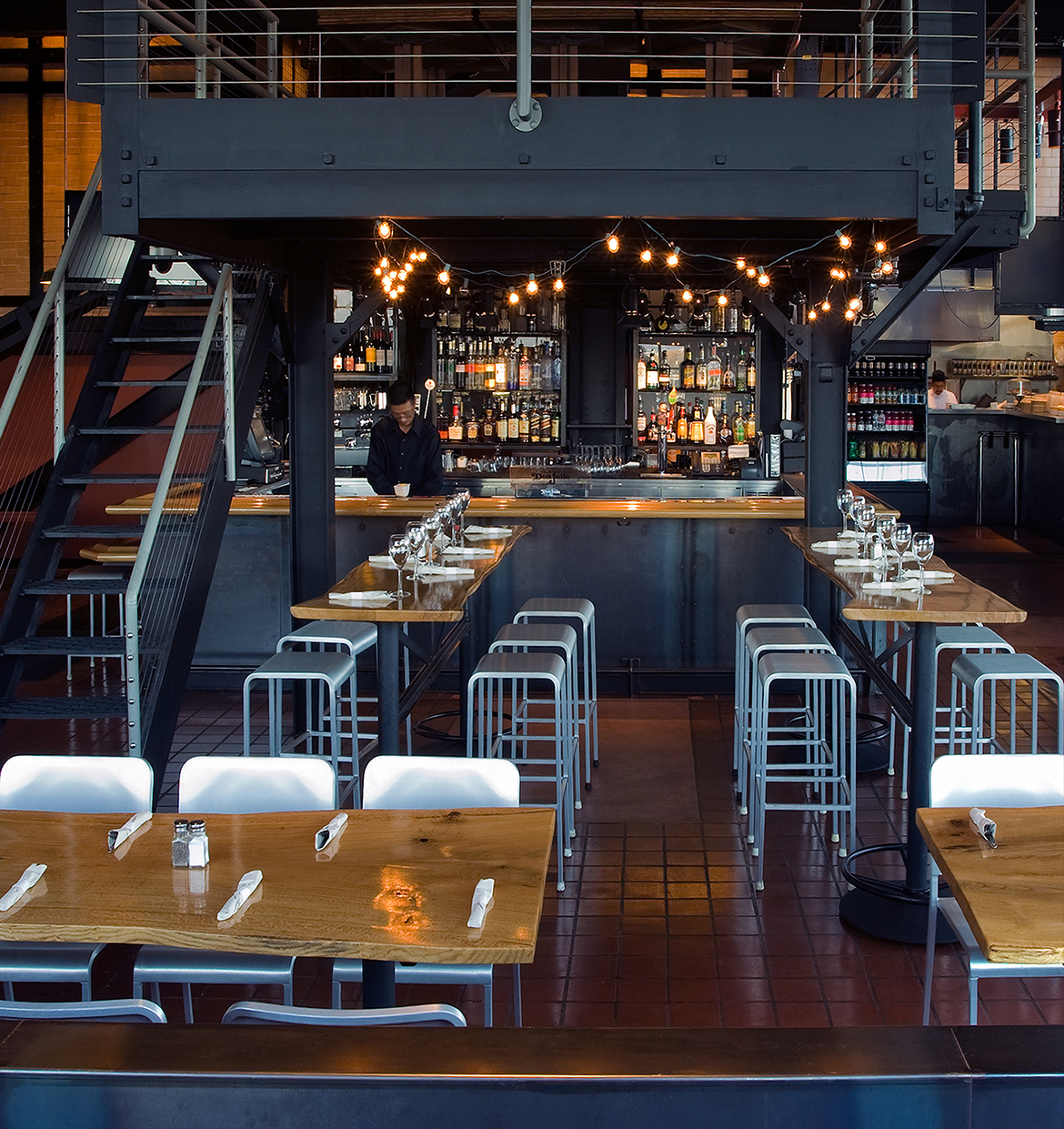
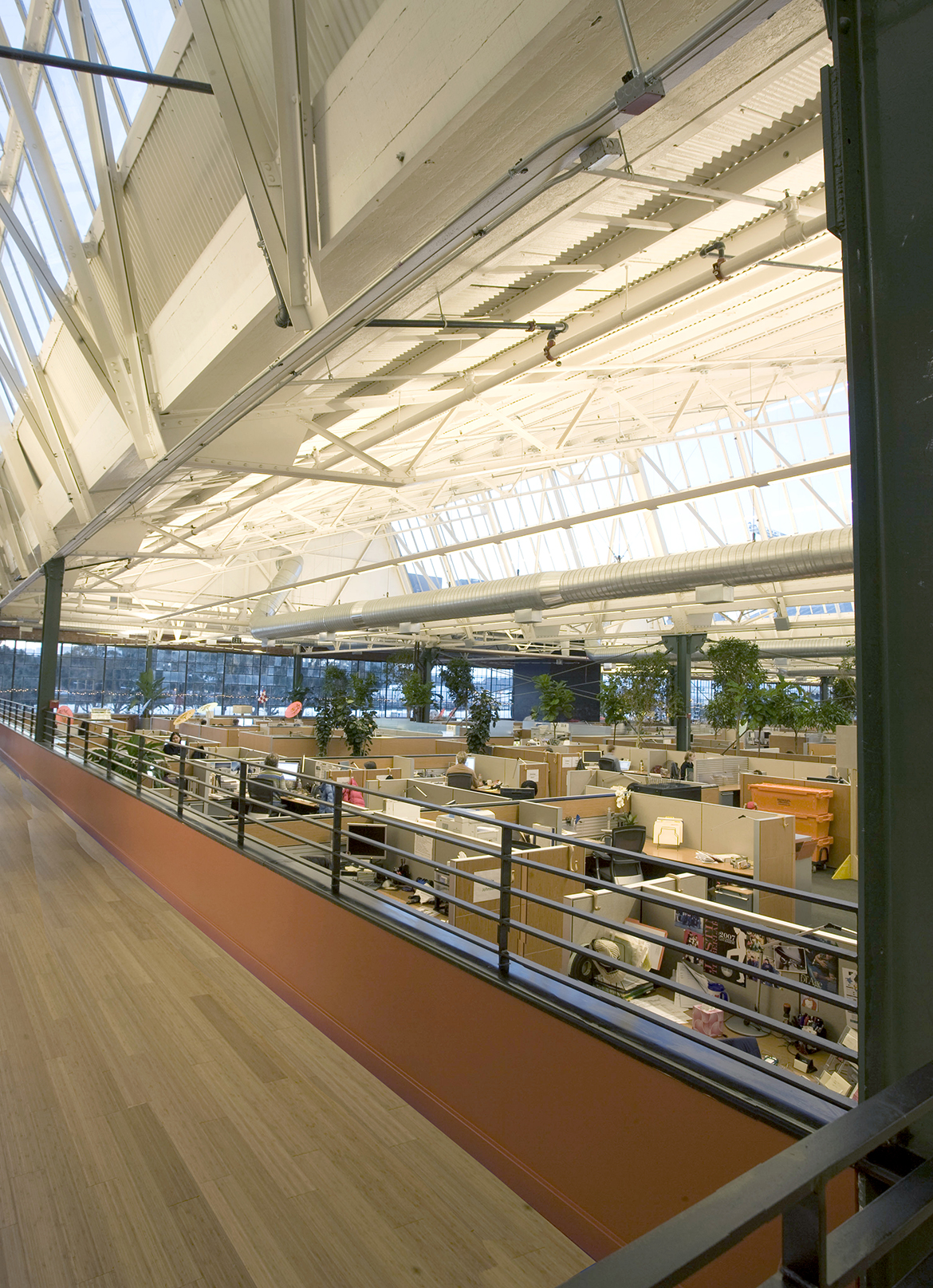
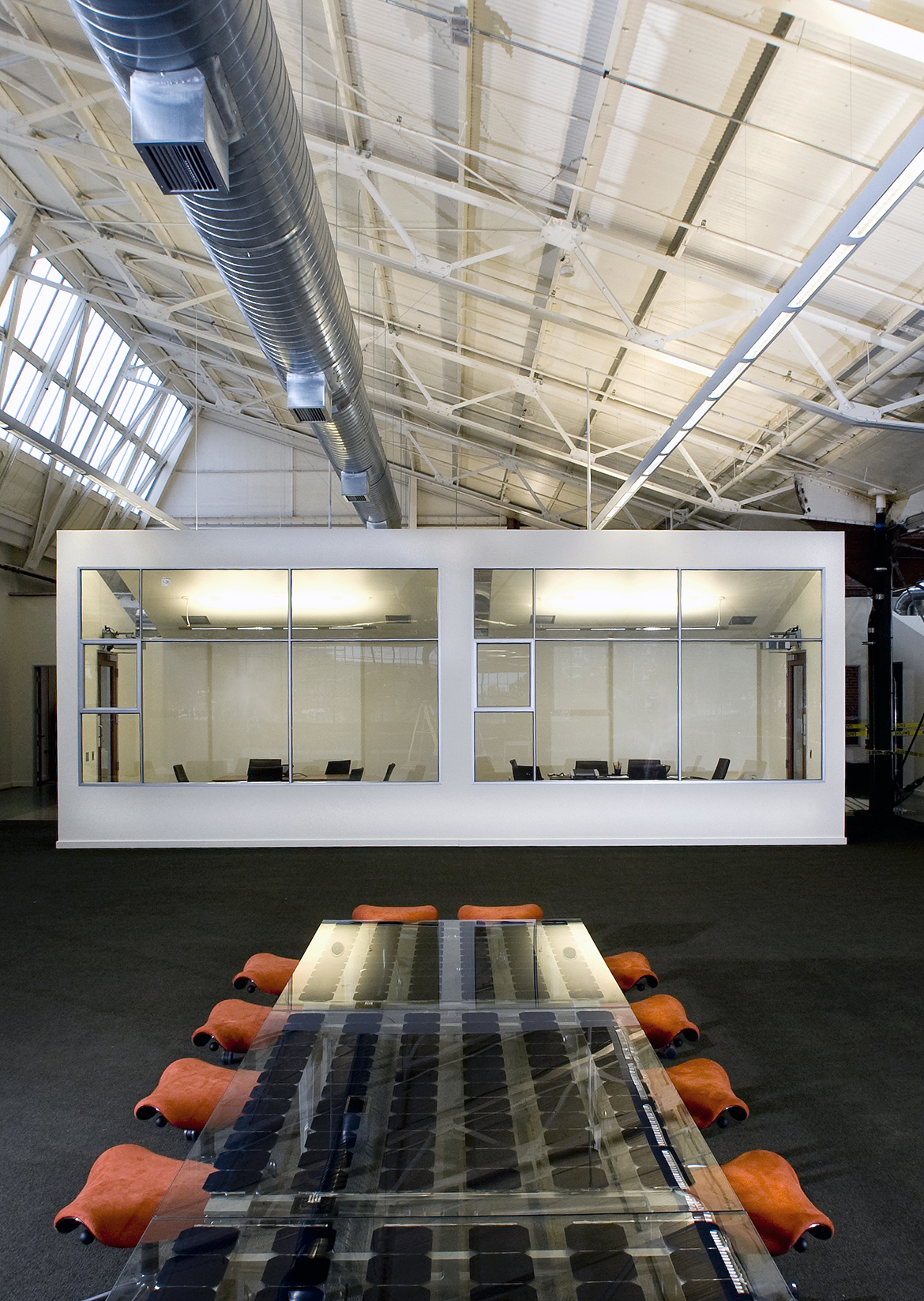
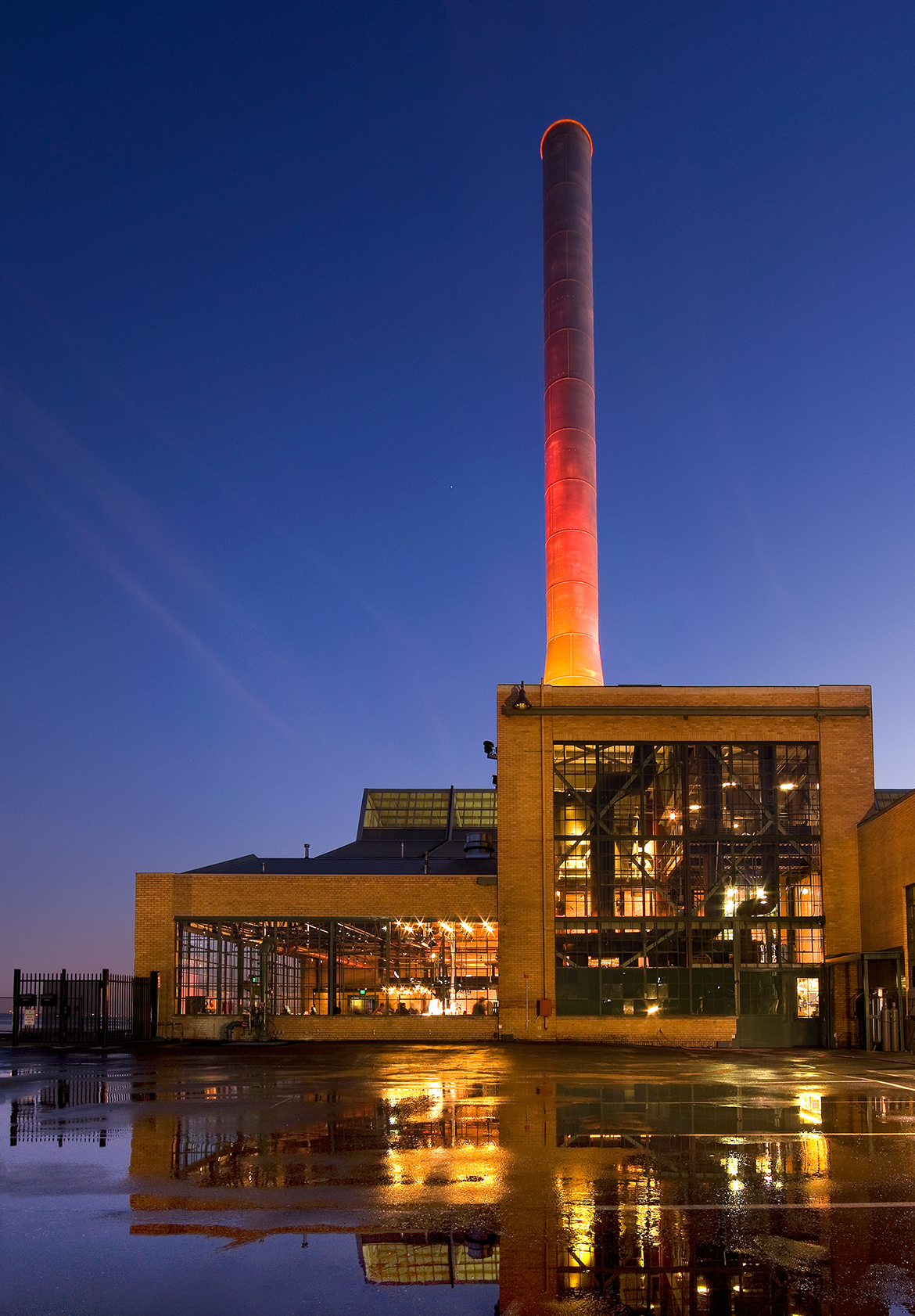
The designers’ realized vision for the rebirth of this magnificent edifice is to retain yet enhance the architectural aspects of the original building’s awe-inspiring shell, continuous bands of steel sash windows and floods of daylight, while maintaining its original waterfront relationship. This goal to renew the building is driven by an impetus to salvage and restore features inherent to the building’s architectural spirit, plus to visually reinforce the building’s highly repetitive structural, fenestration, and skylight modules where intervention elements were necessary for the current tenants and uses. “Intervention elements” of our century: lighting, furnishings, free standing buildings within the building, rooms, stairs, ramps, platforms, walls, etc, placed and designed to work with existing 1930’s industrial architectural features are most apparent in the results for the Boilerhouse Restaurant / Cafe, SunPower Corporation and Mountain Hardwear projects. Low-water usage landscaping is designed along the building’s quarter-mile long western elevation to reflect the more public and formal façade. Lighting internally and externally is a way to highlight the building, particularly at night. The red-lit stack of the Boilerhouse, itself an icon of the project, is especially stunning at night.
Cronologia:
2008
Incarico
2009
Fine lavori