Il palazzo Hawa Mahal a Jaipur

Crediti
Cliente
Rajasthan State Museums Management and Development Society
Collaboratori
Kulbhushan Jain
Vijay Arya
Meghal Arya
Puja Agarwal
Vandana Goyal
Rashmi Gupta
Sanal Thathapuzha
Autori
Minakshi Jain
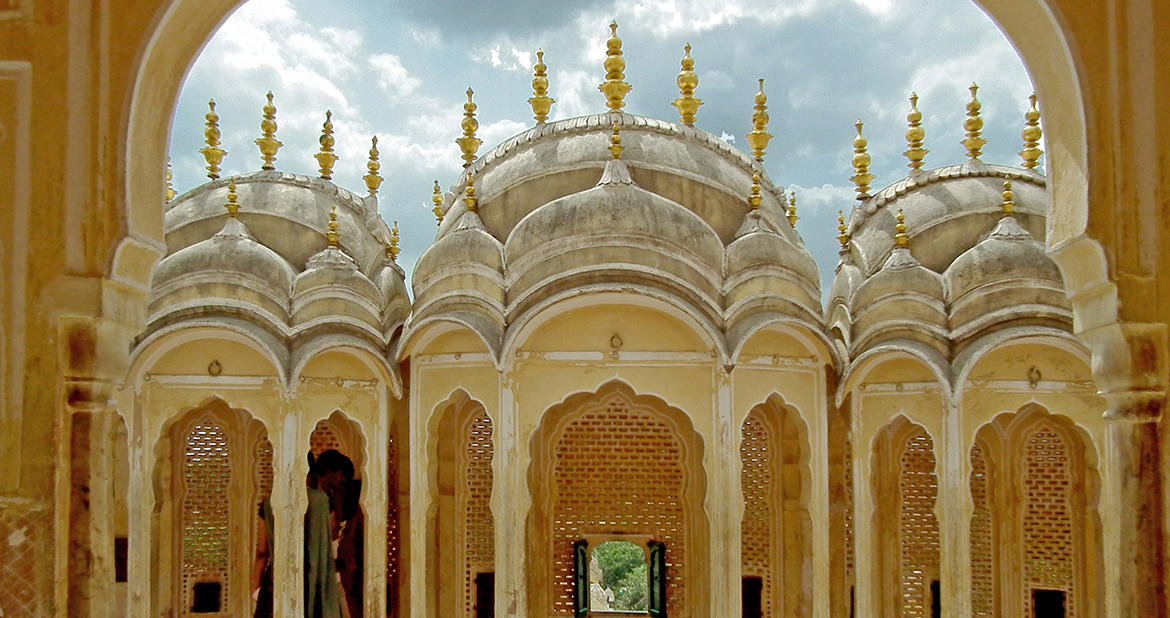
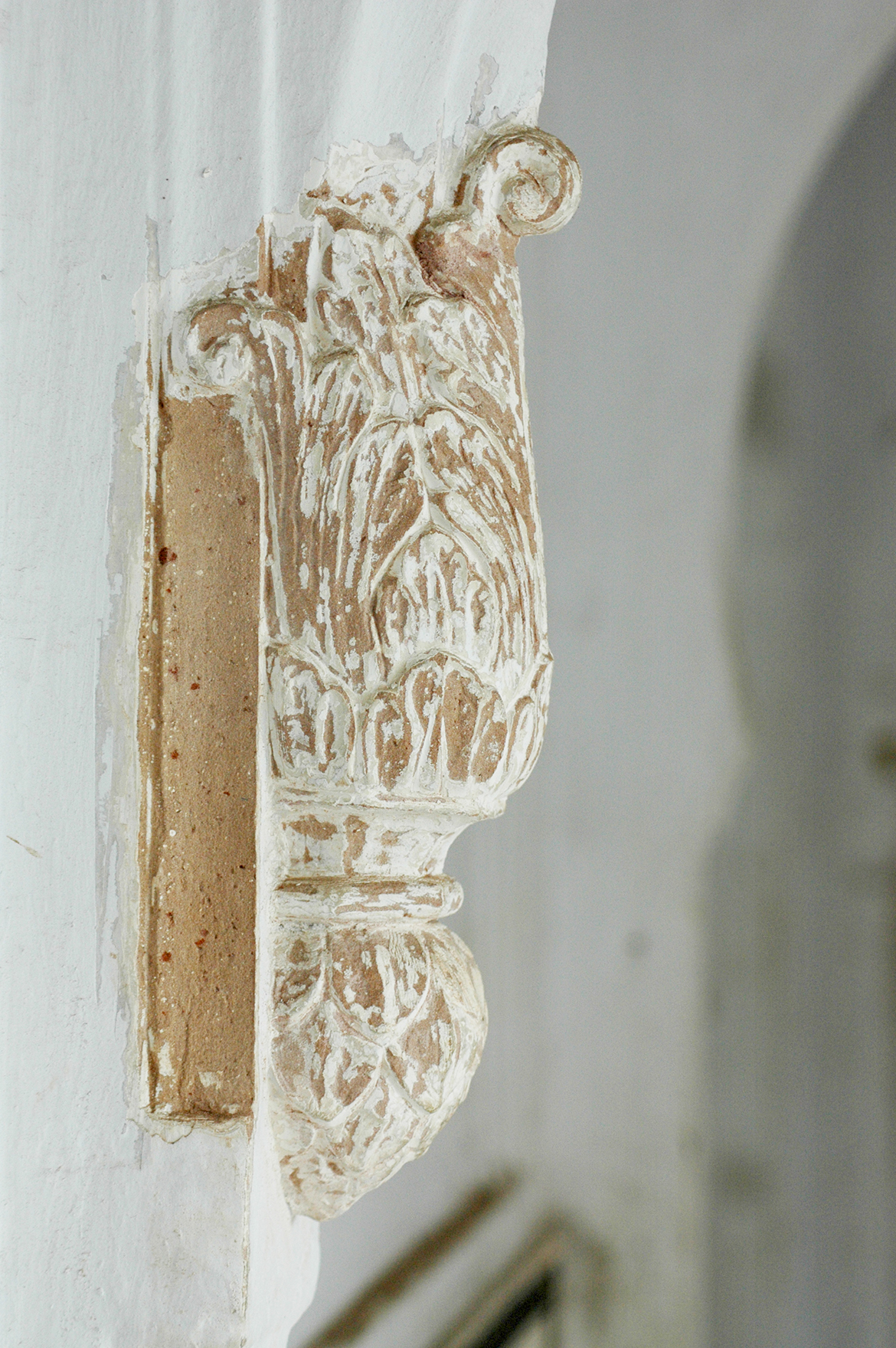
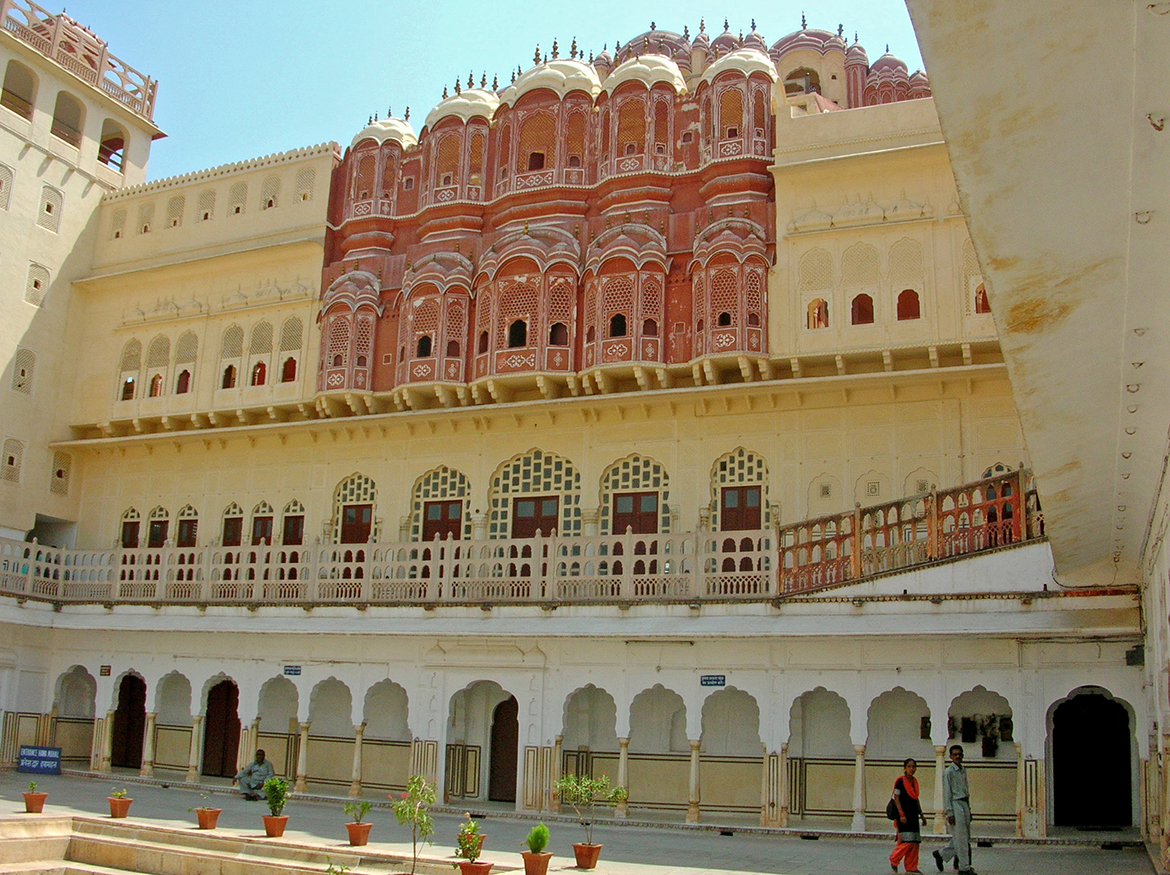
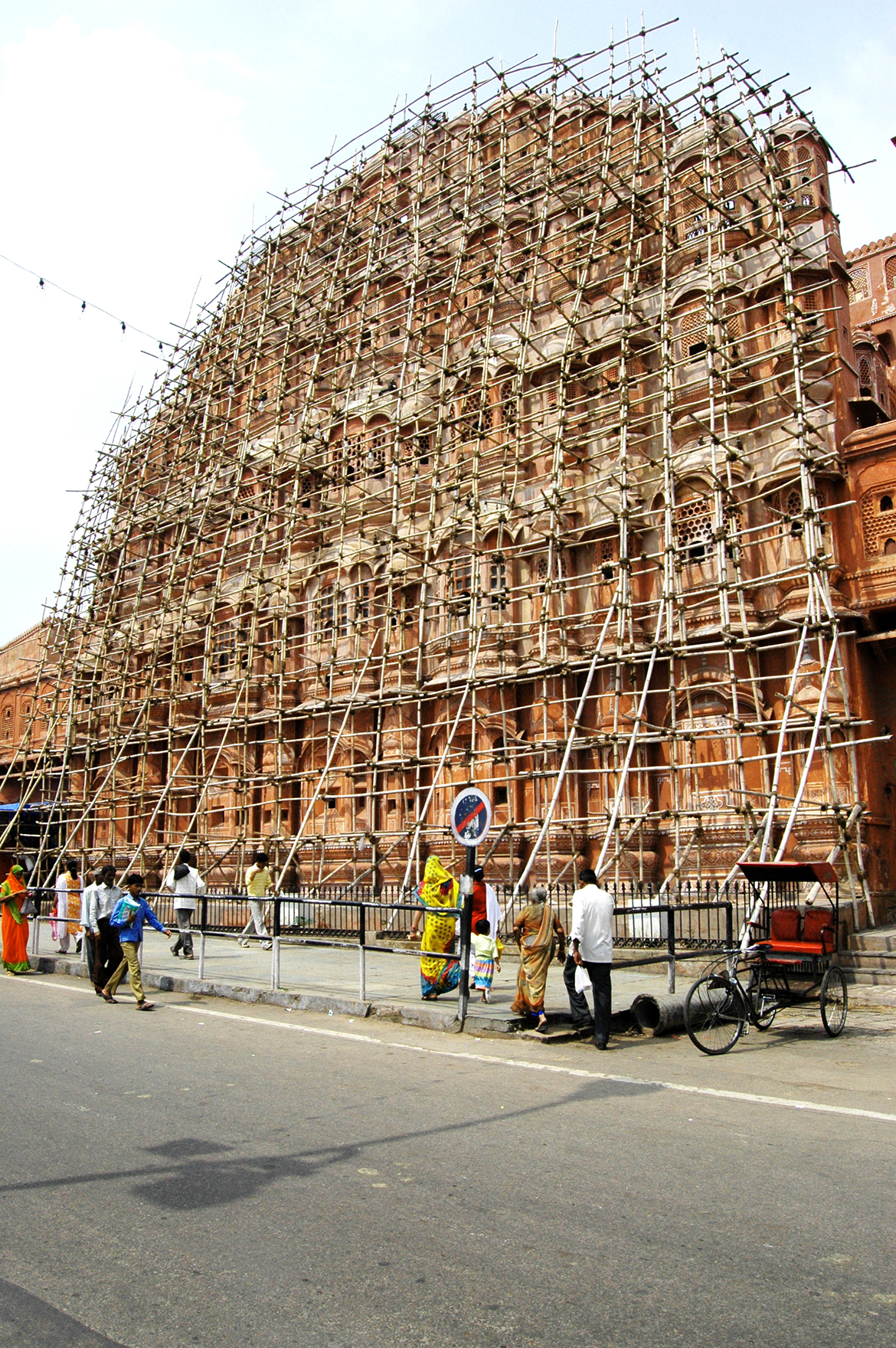
In 1798, Pratap Singh, grandson of Jai Singh II, built the Hawa Mahal, from where the royal women could enjoy a cool breeze while viewing ceremonial processions on the street below. The architect Lal Chand Ustad, designed it in the form of the crown of Hindu god, Krishna. Its unique ve-story exterior is with its 953 small windows called Jharokhas, with coloured glass decorated with intricate la ce work. Hawa Mahal is an iconic but eccentric face of Jaipur. The en re facade is barely 2.1 m wide, giving only spaces for overlooking the street rather than rooms to inhabit.
Disegni tecnici:
Report esteso:
Relazione estesa
In 1798, Pratap Singh, grandson of Jai Singh II, built the Hawa Mahal, from where the royal women could enjoy a cool breeze while viewing ceremonial processions on the street below. The architect Lal Chand Ustad, designed it in the form of the crown of Hindu god, Krishna. Its unique ve-story exterior is with its 953 small windows called Jharokhas, with coloured glass decorated with intricate la ce work. Hawa Mahal is an iconic but eccentric face of Jaipur. The en re facade is barely 2.1 m wide, giving only spaces for overlooking the street rather than rooms to inhabit.
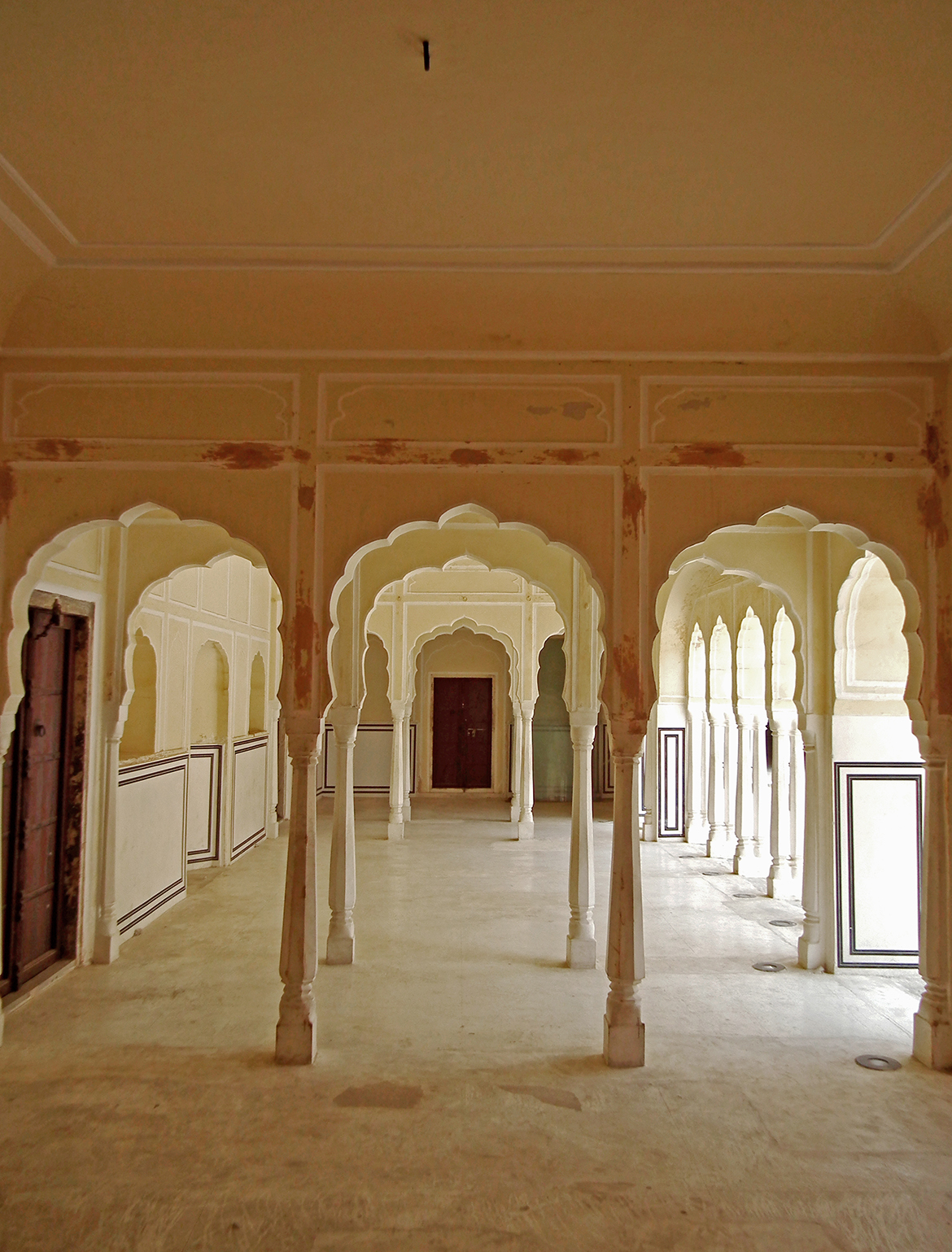
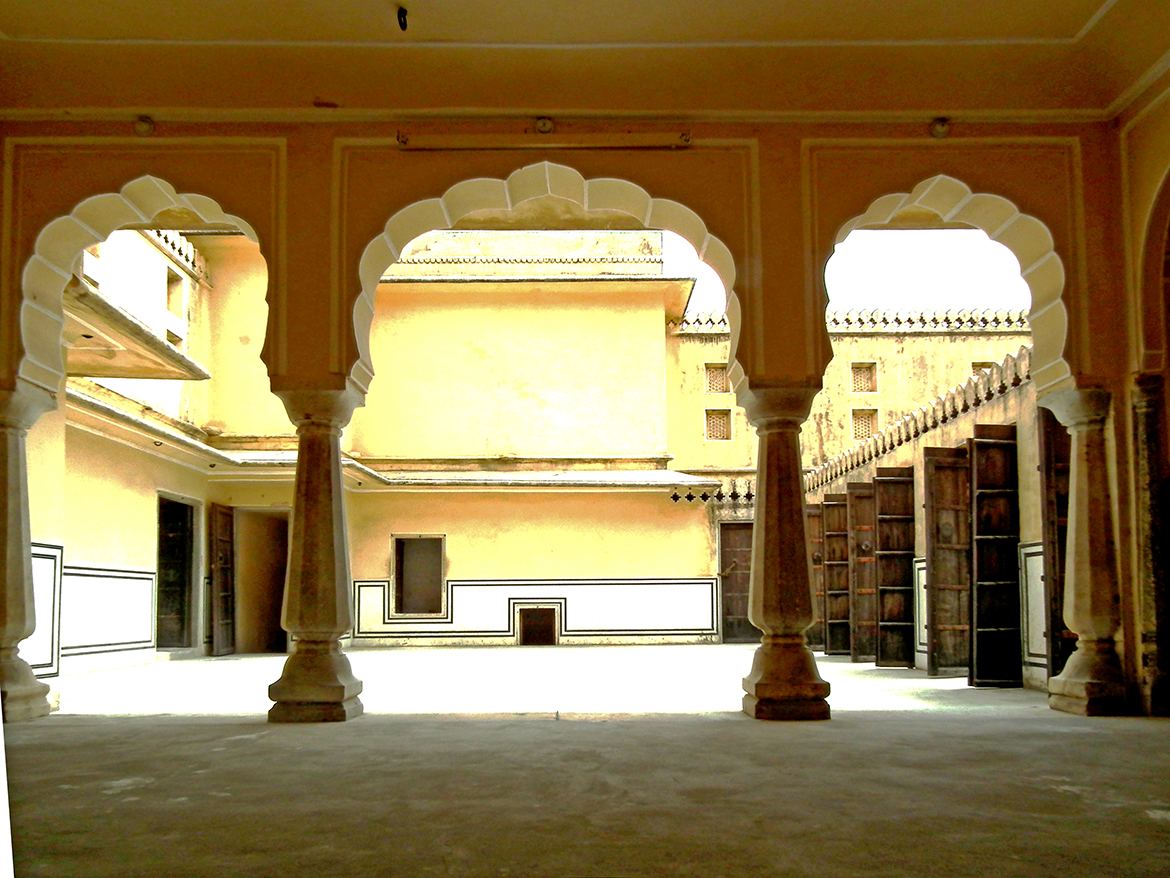
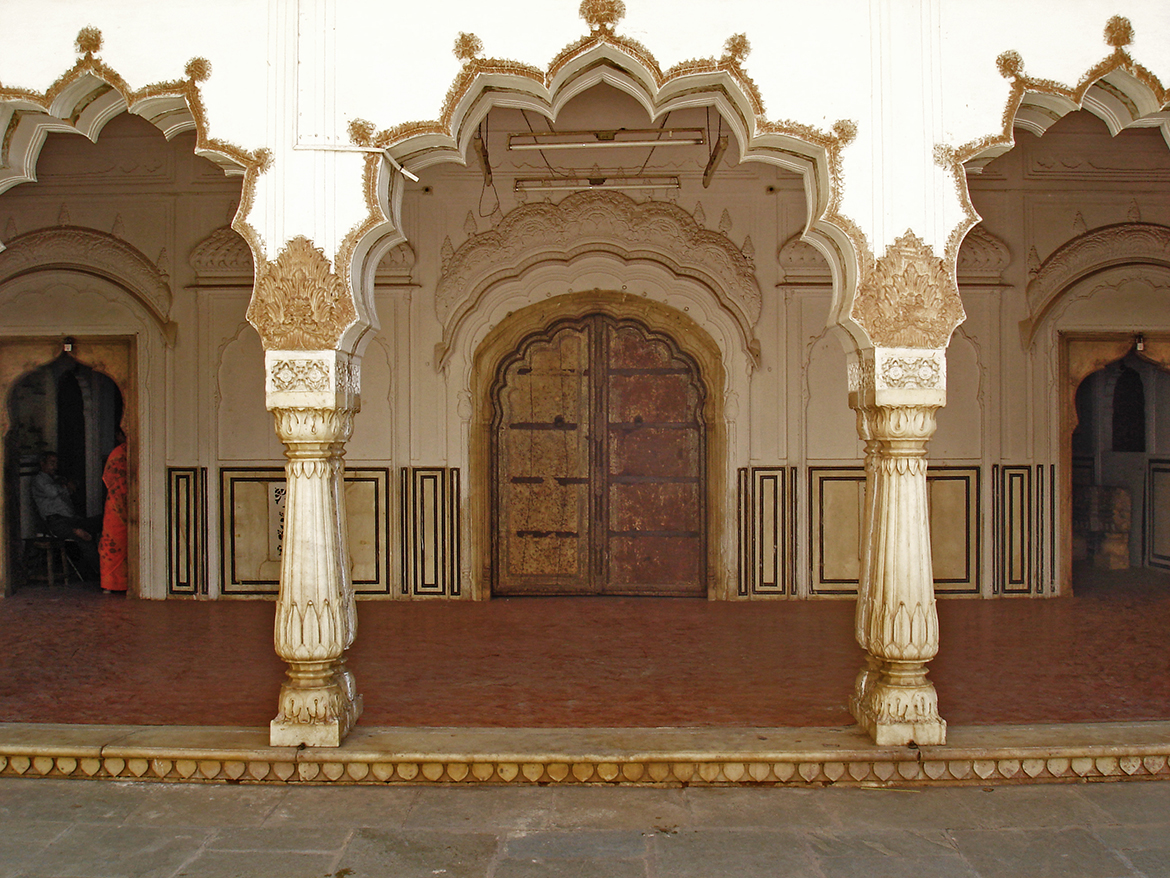
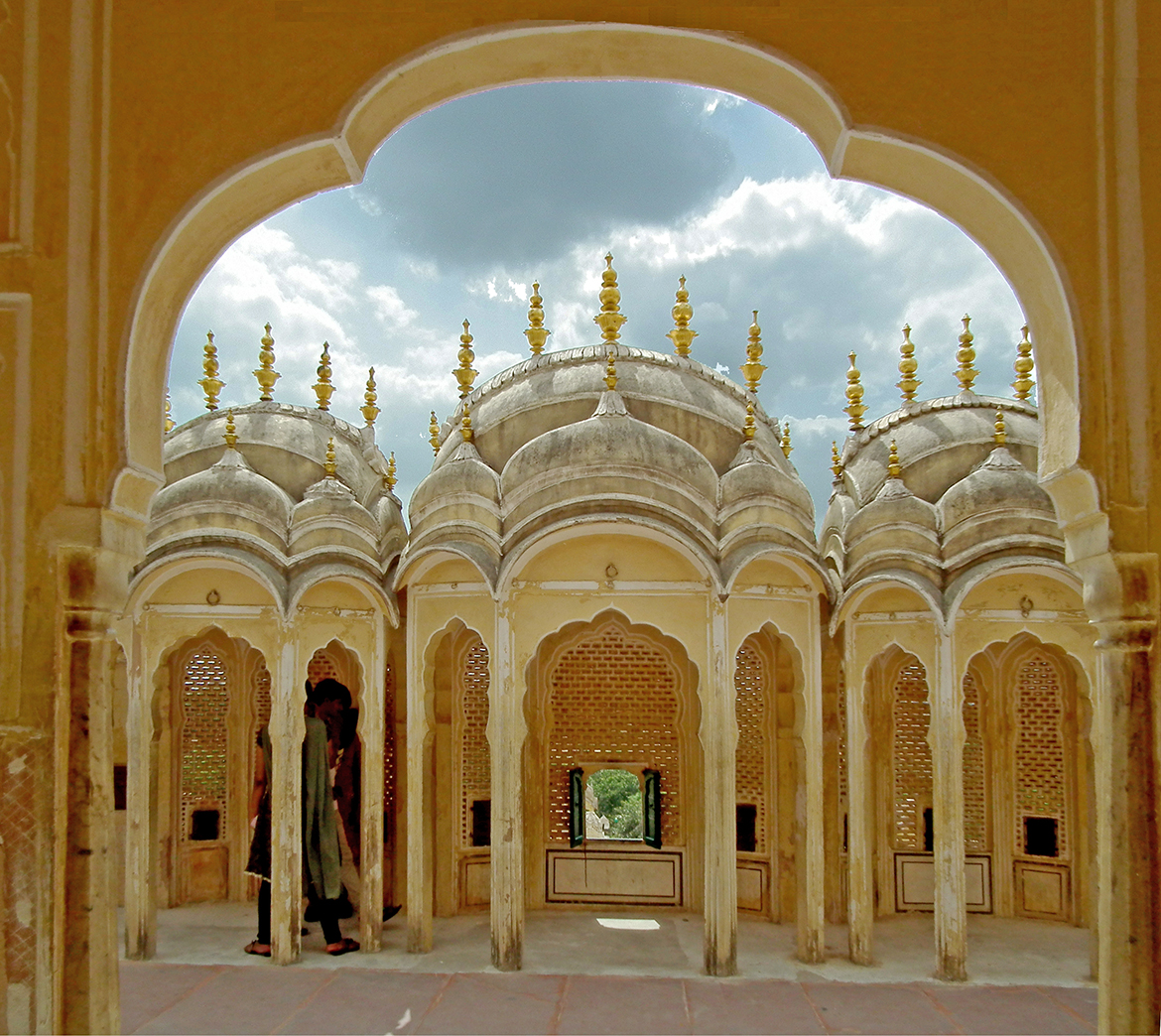
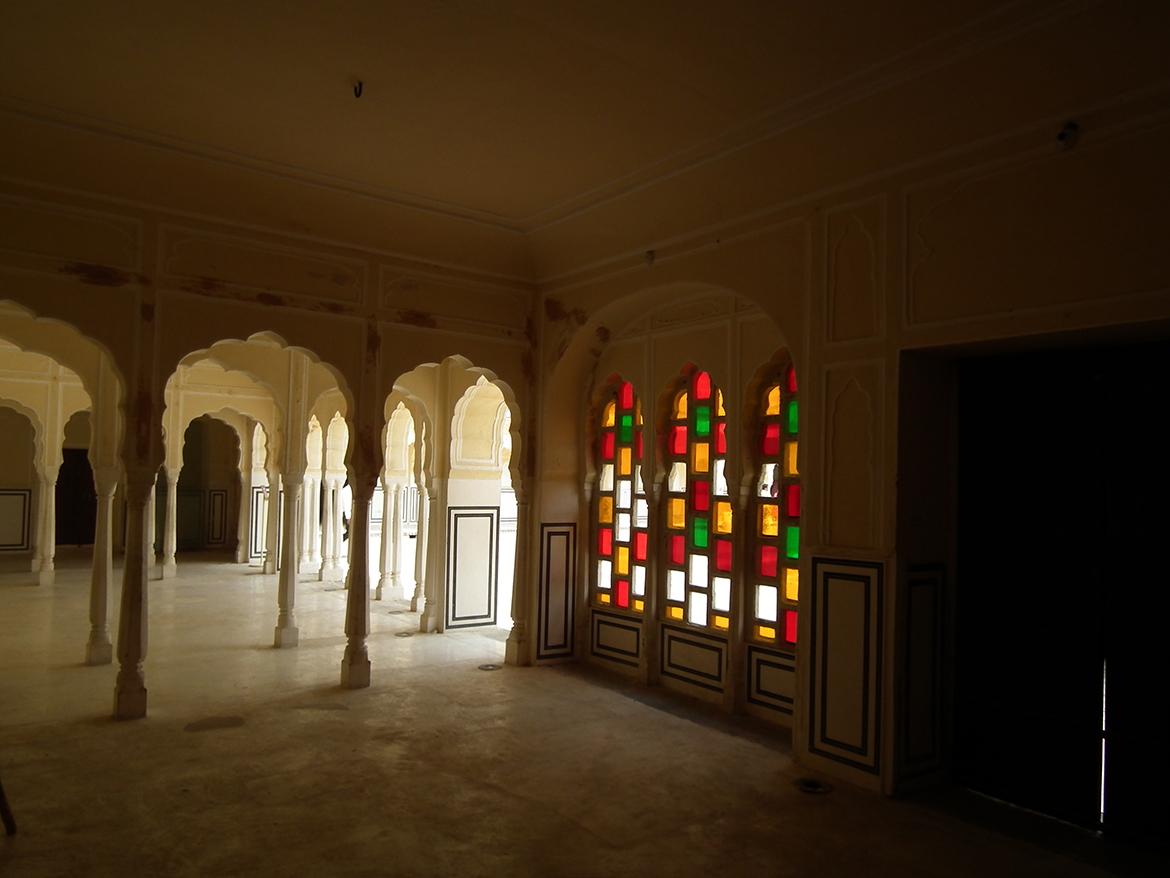
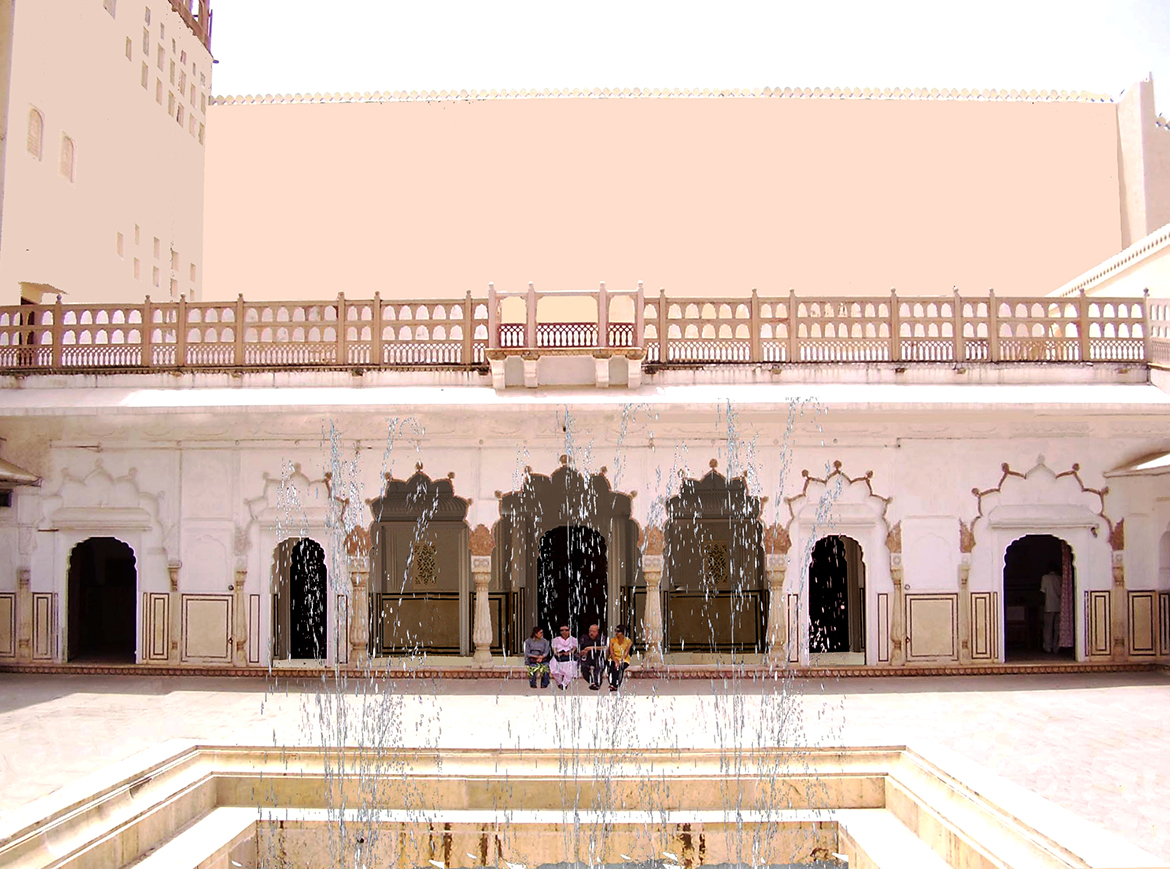
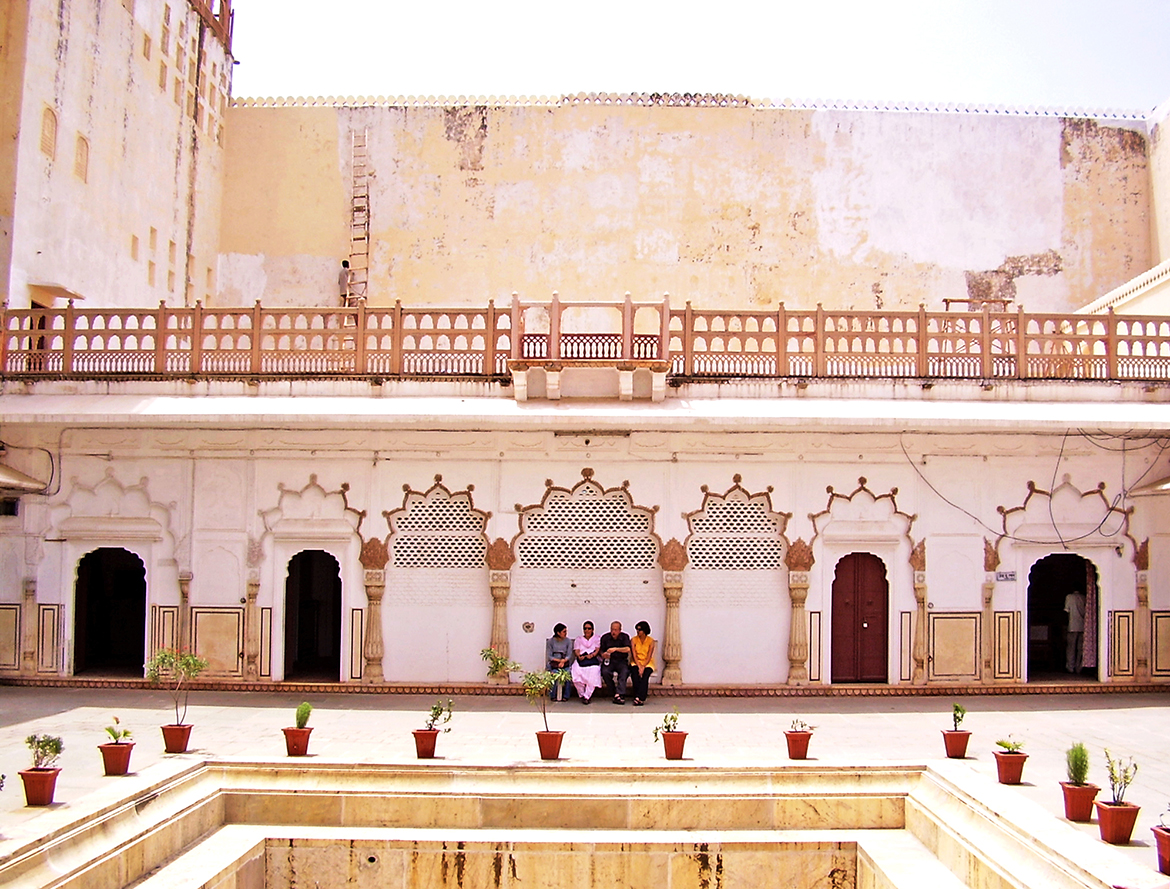
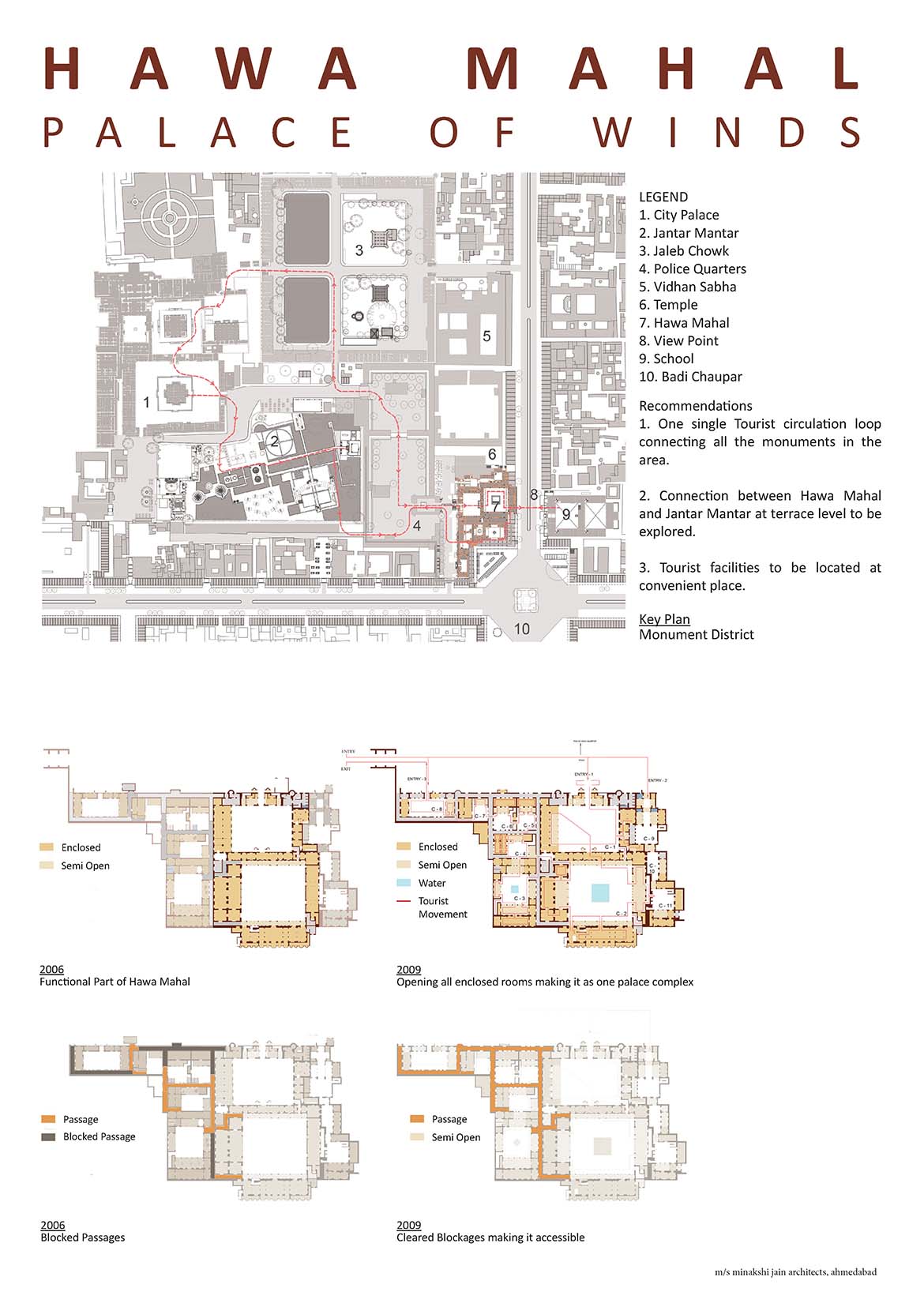
Varia on in the ar cula on and size of spaces, nishes, openings, arches, columns, plasters, pain ngs, embellishments etc. from court to court is held together by the simple organisa on of 11 courtyards and verandahs. And yet, the whole palace comes together as a cohesive whole.
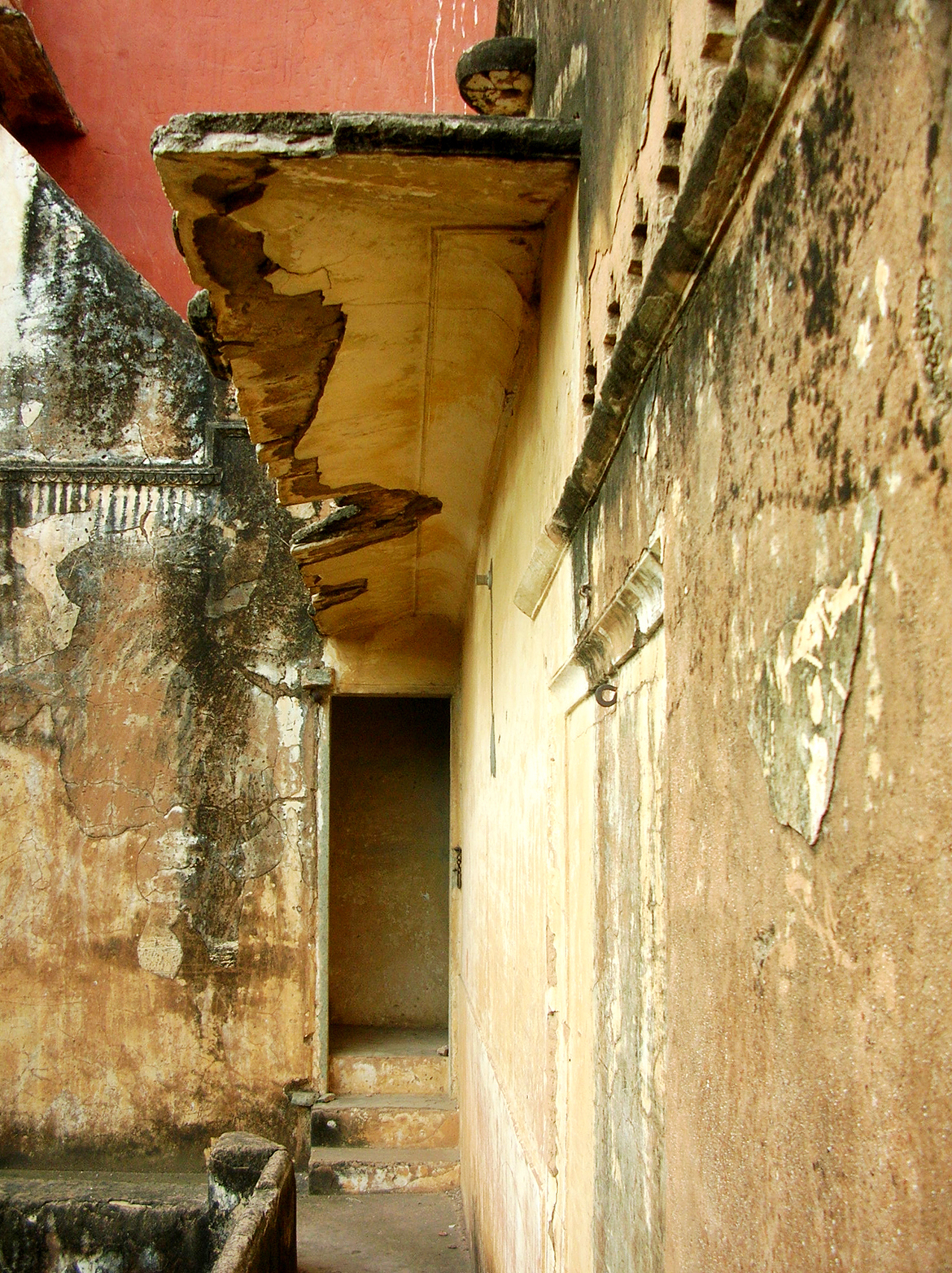
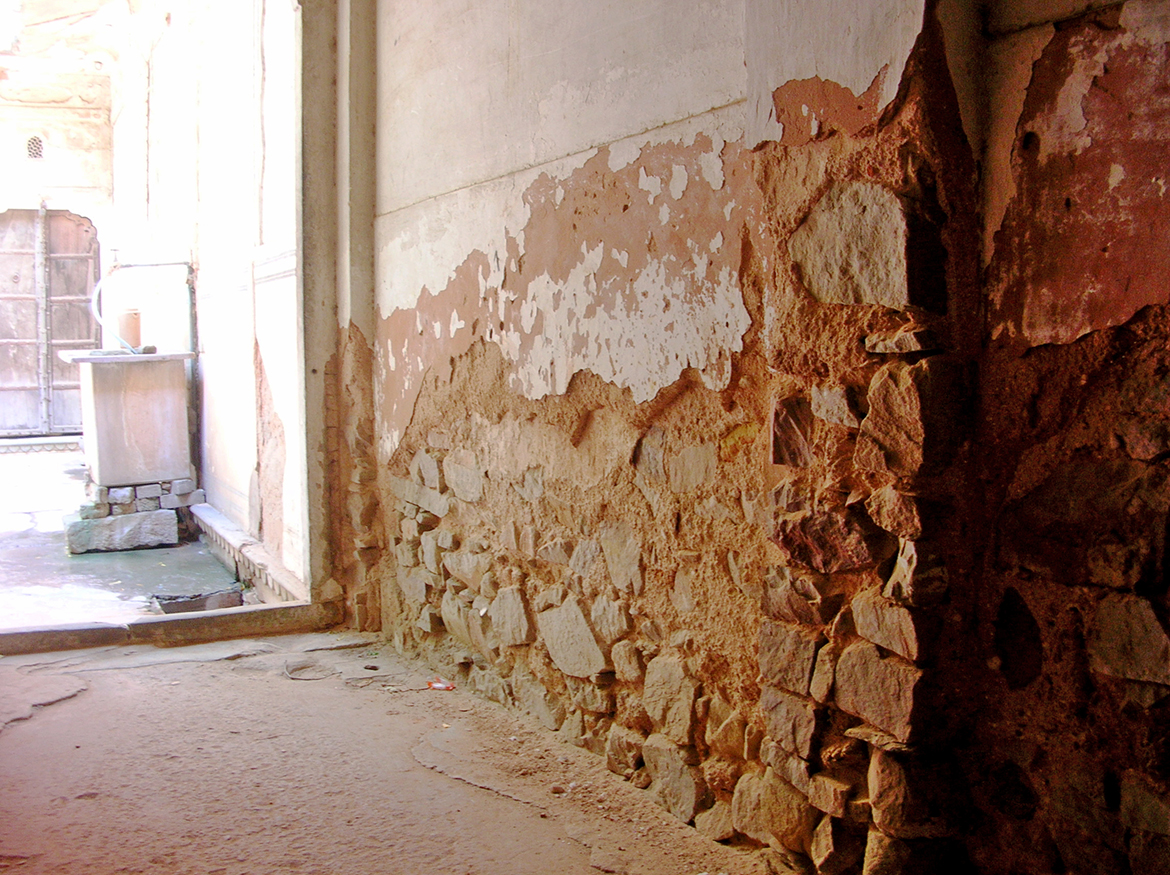
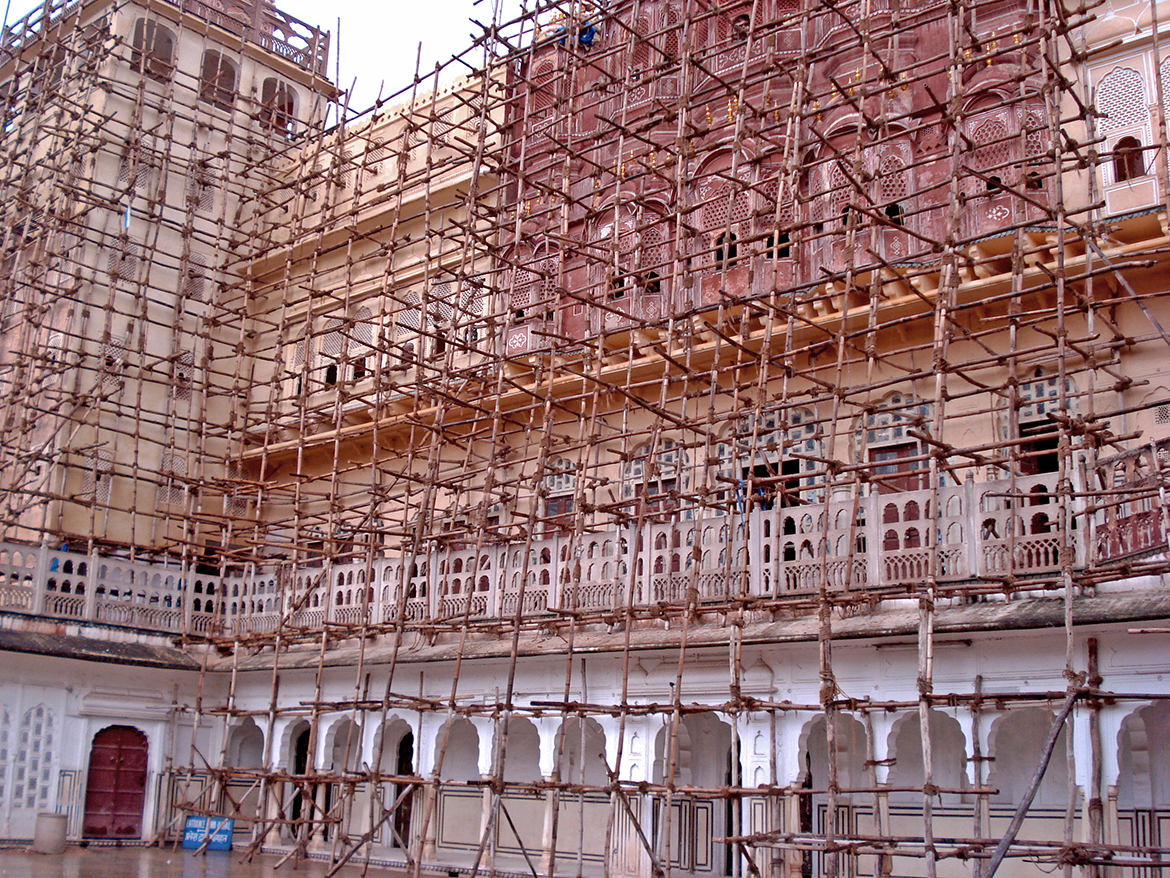
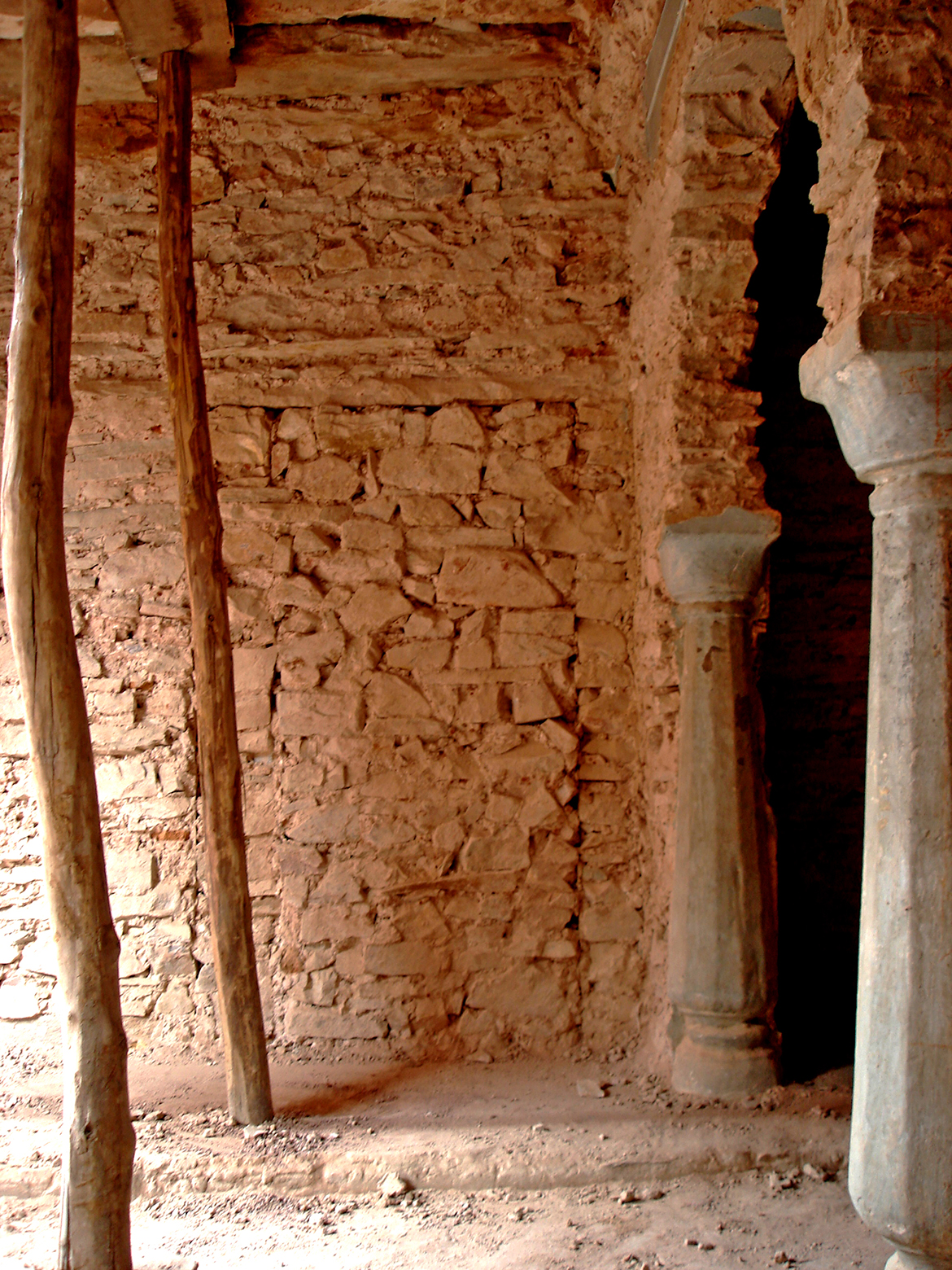
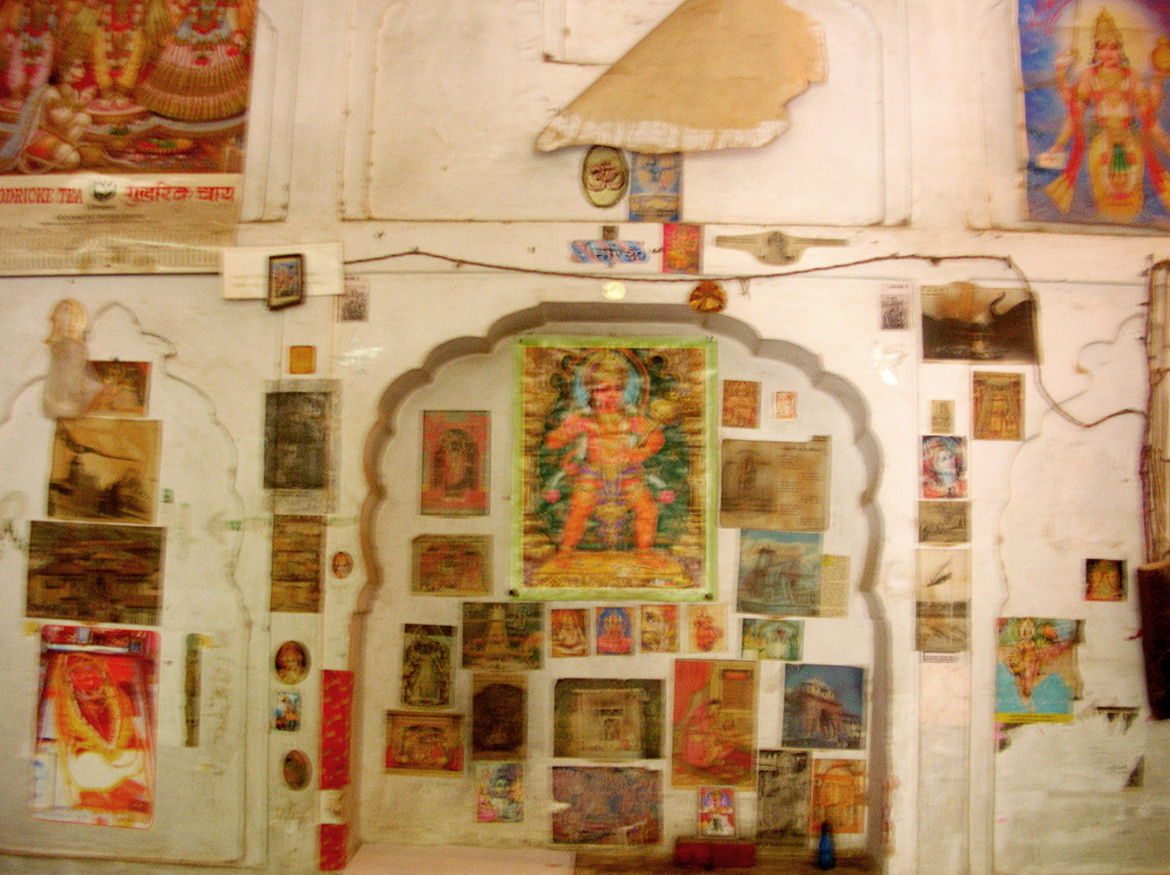
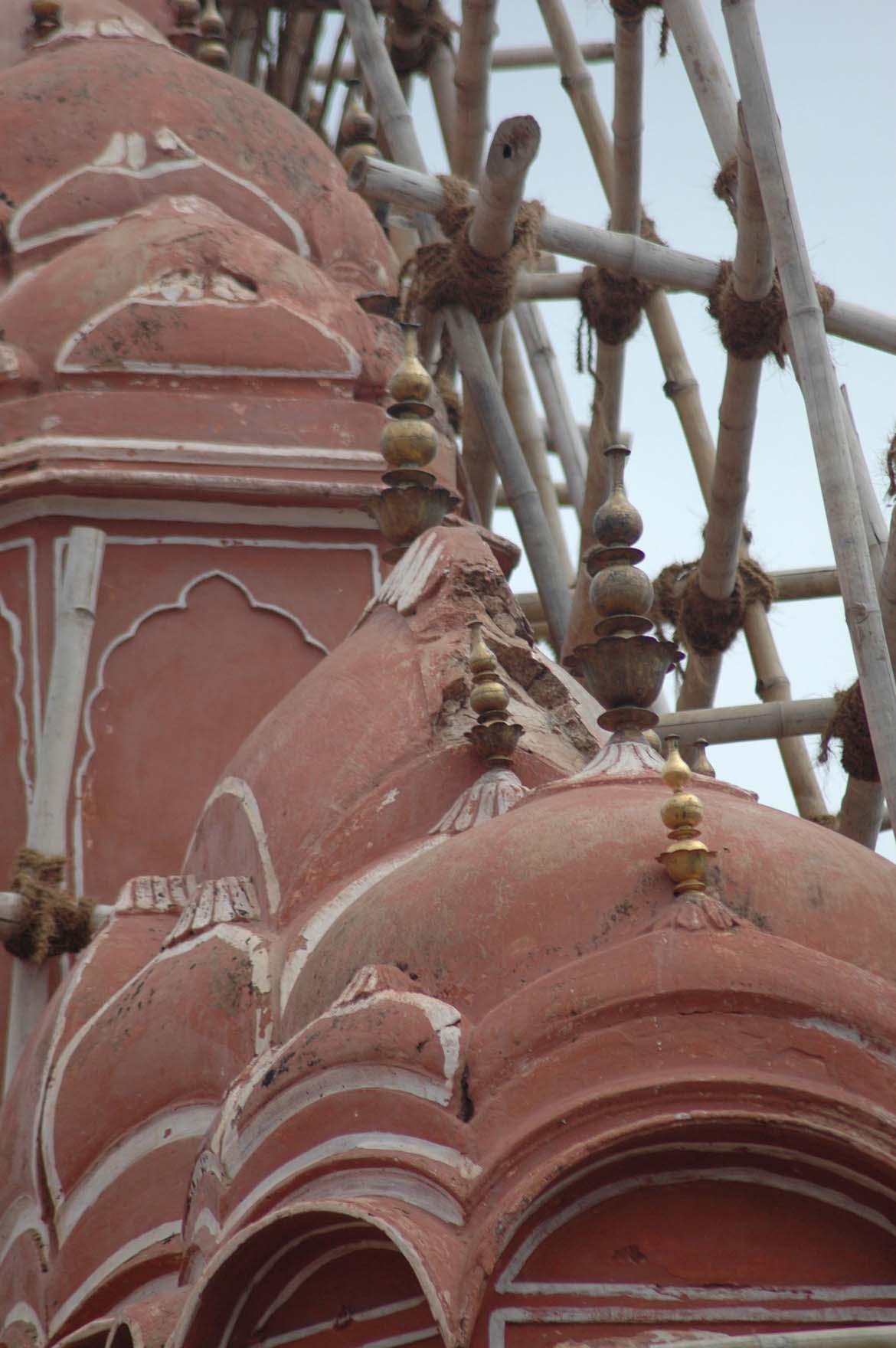
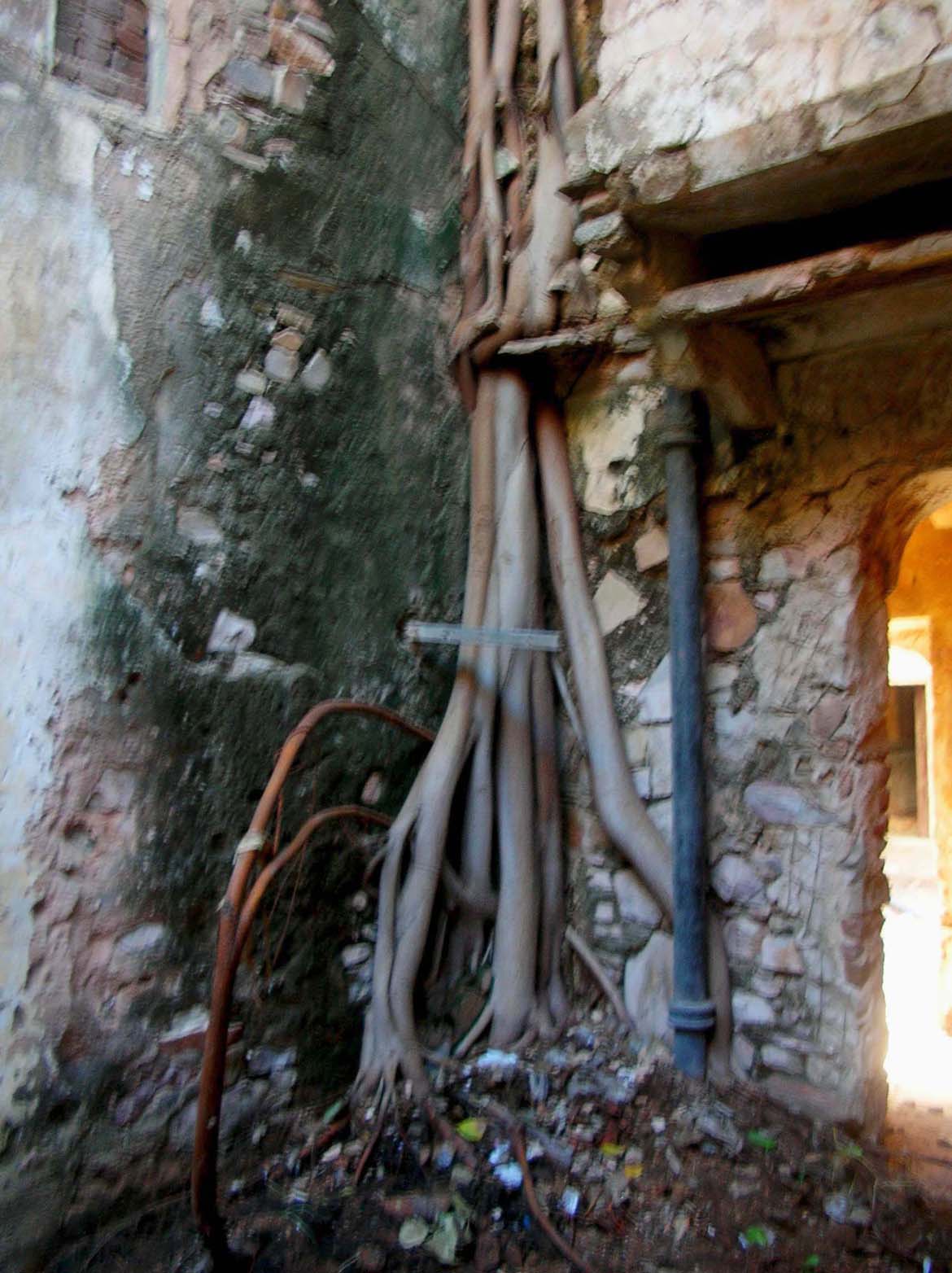
In 2006, The Hawa Mahal was divided in three parts. It was in a poor condi on, with the main façade falling apart and many elements destroyed. The main palace behind the façade was inaccessible and was divided into three parts used by various government o ces with complete disregard for its heritage value. Finishes and ornamenta on were damaged and had deteriorated. The surfaces and structure showed cracks. Many openings were blocked making the spaces poorly lit, damp and dingy. Inadequate security had led to vandalism. Growth of vegeta on on terraces cracked the roof causing leakage and further damage to the structure. It was not possible for visitors to reach the upper oors, and the real sense of the palace was not experienced. Signage and adver sements defaced its façade. Eventual nonuse led to further deteriora on.
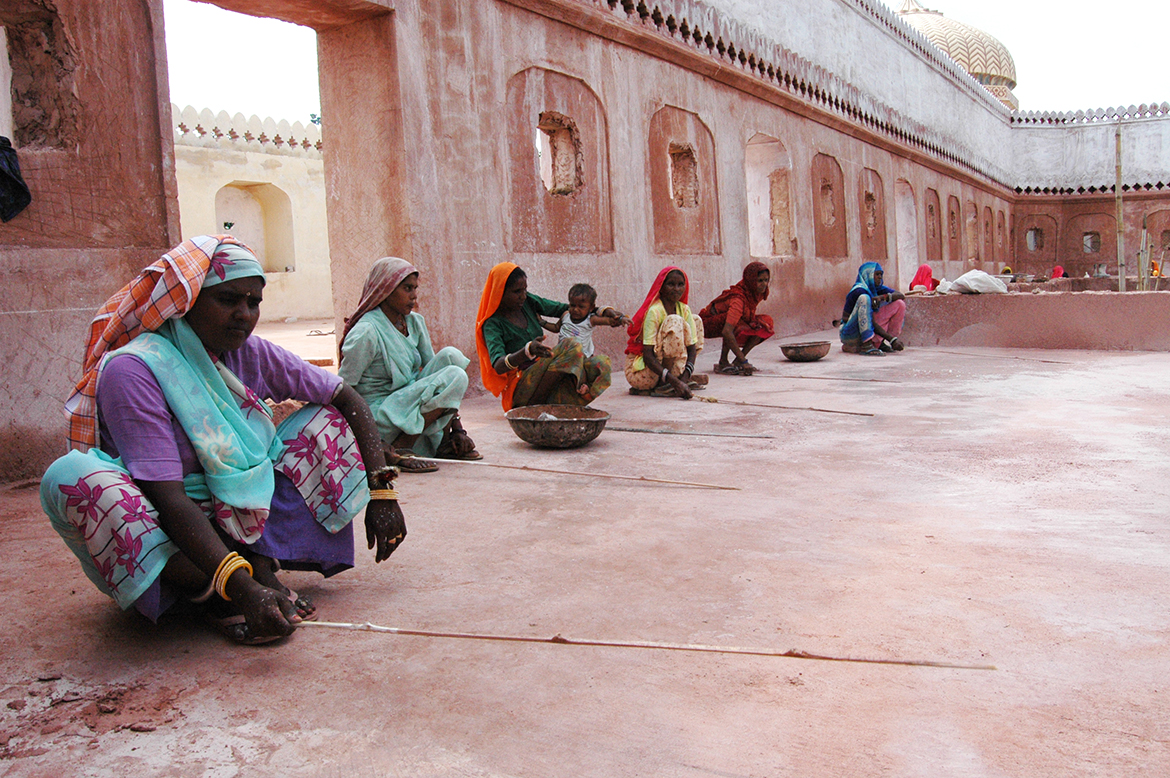
The Hawa Mahal held an important posi on as an urban landmark. With the restora on of the façade, it is hoped to revive its urban func on. Further, it serves as the public face of the city palace. Engaging with people in an interac ve way, the palace once again claims that space, metaphorically and literally. Opening up the internal spaces of the palace has had a direct impact of the number of visitors and o ers an opportunity to build events for increased associa ons. The conserva on e orts bring the building back into an ac ve engagement and will contribute to its longevity and con nuity of its legacy.
Cronologia:
2006
Inizio lavori
2009
Fine lavori