Podernuovo a Palazzone cantina Bulgari

 Vincitore premio speciale Fassa Bortolo
 Progetto realizzato con prodotti Fassa Bortolo
Crediti
Cliente
Podernuovo a Palazzone di Paolo e Giovanni Bulgari
Collaboratori
Autori
Alvisi Kirimoto + Partners S.r.l.
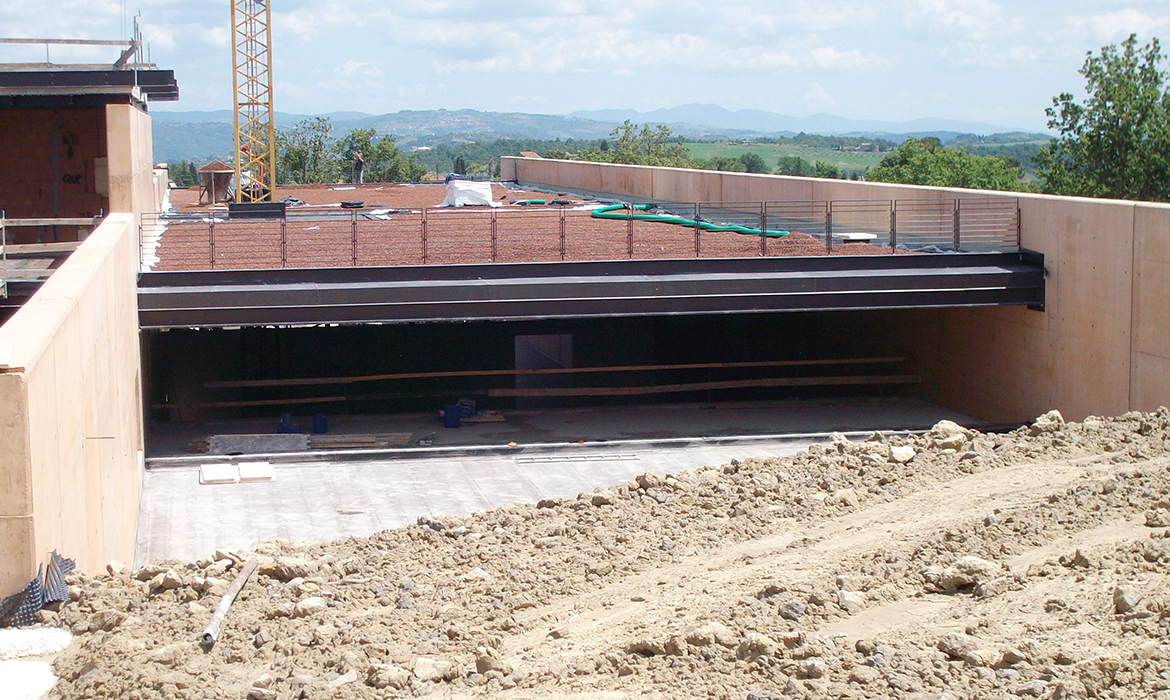
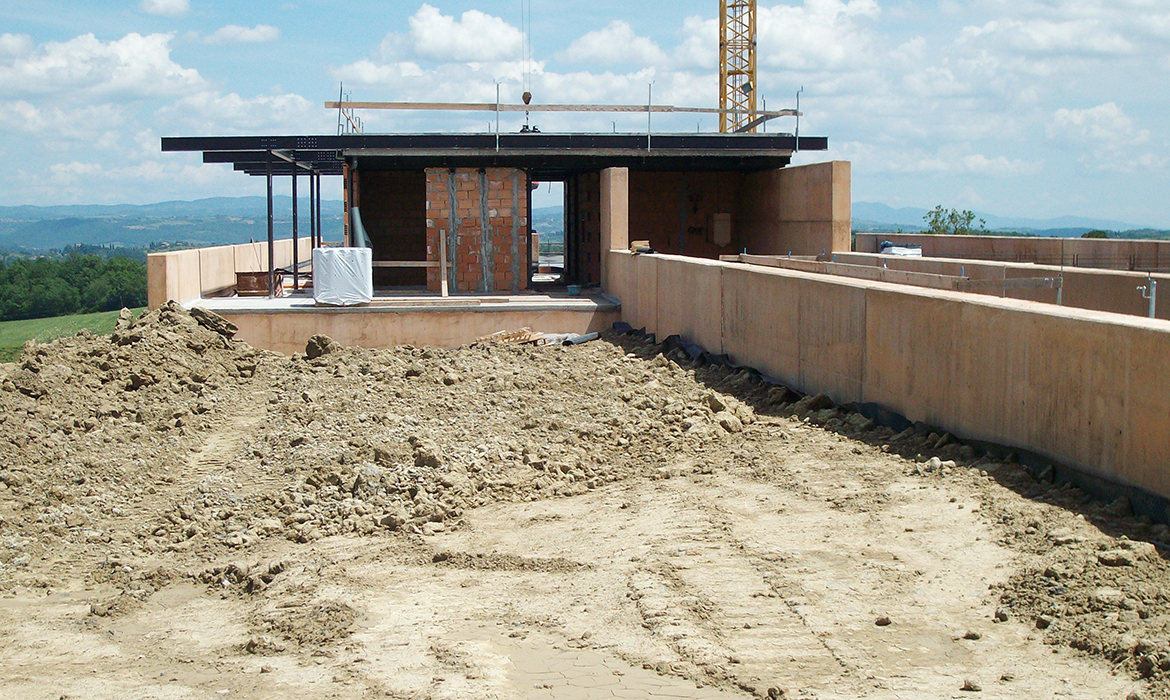
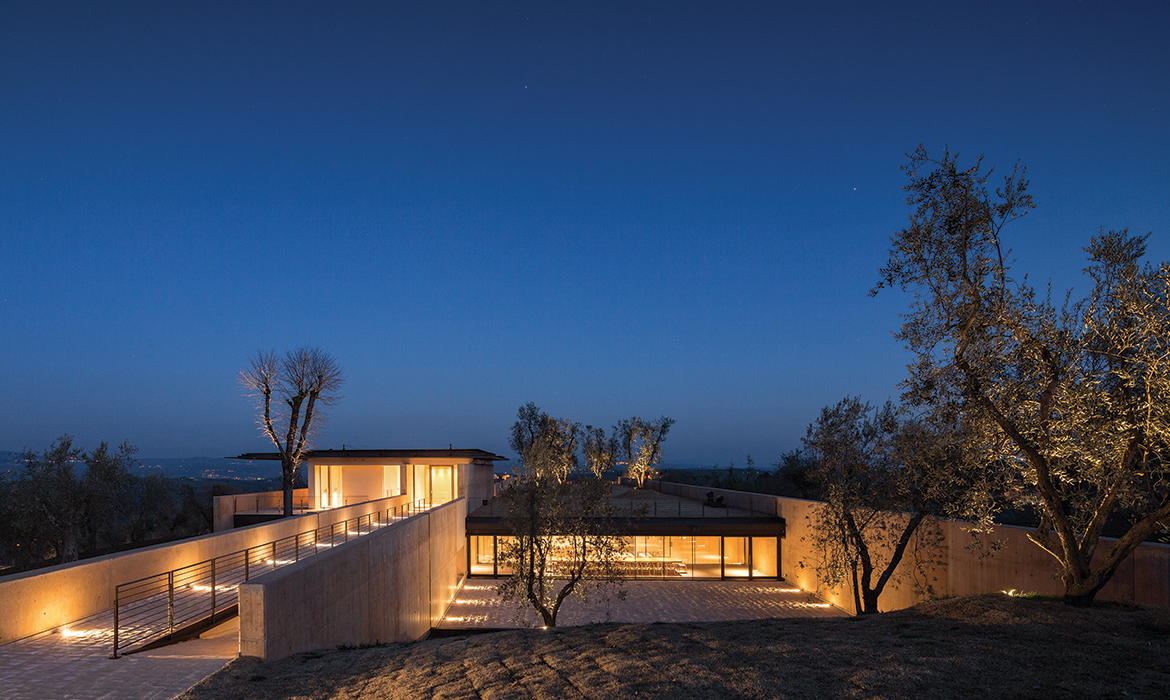
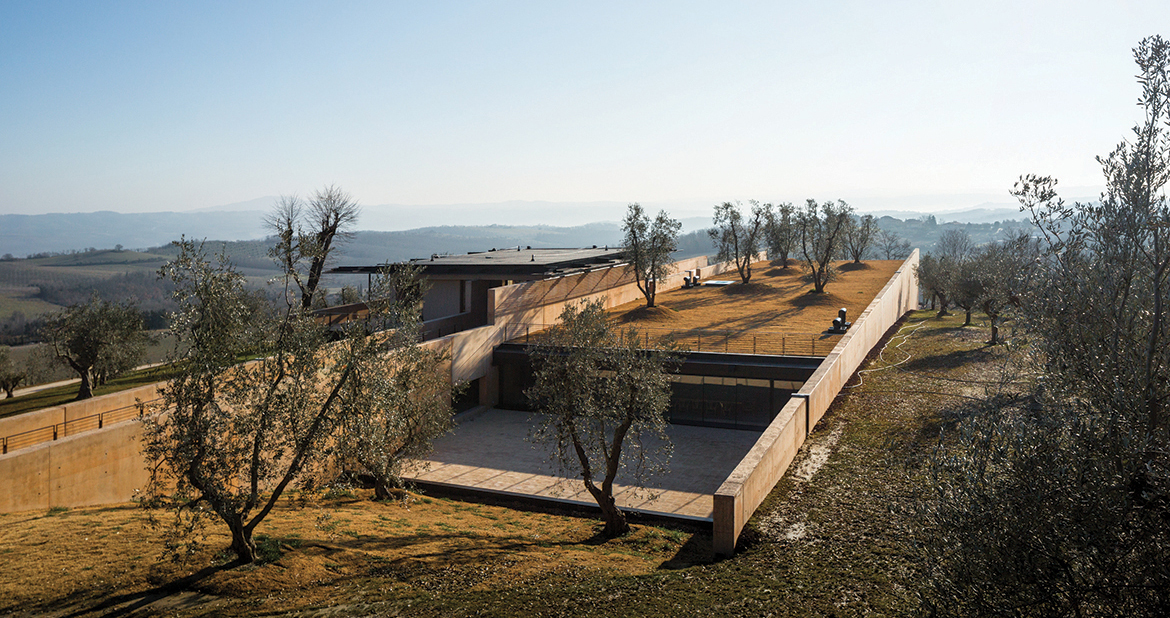
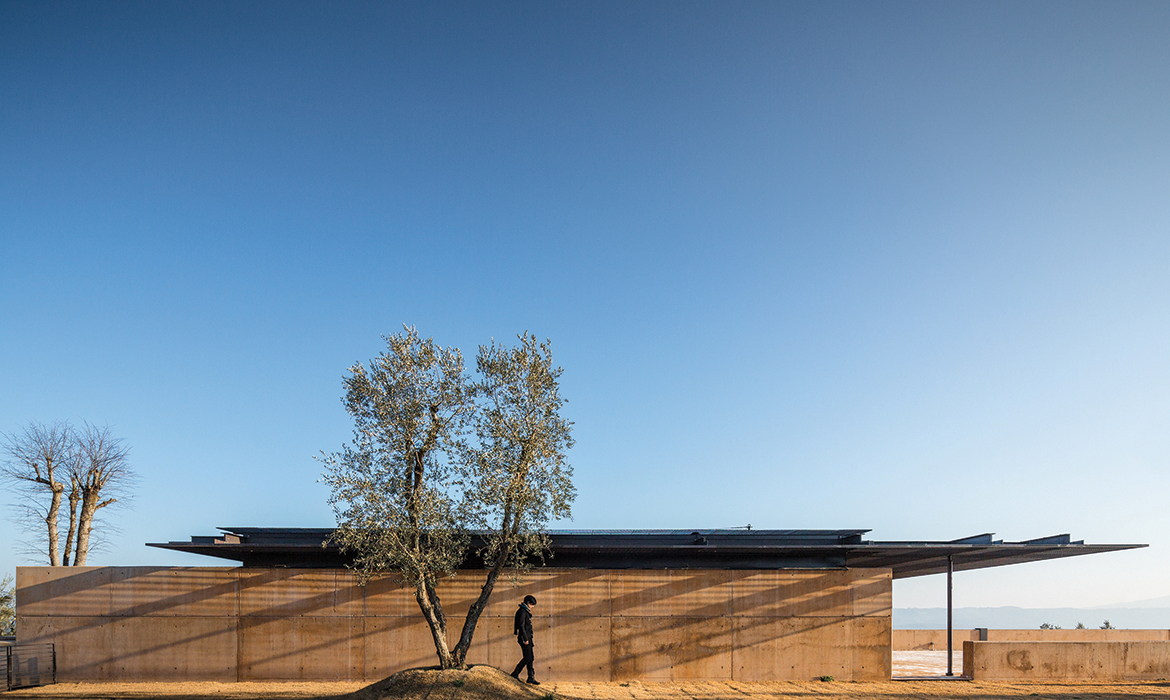
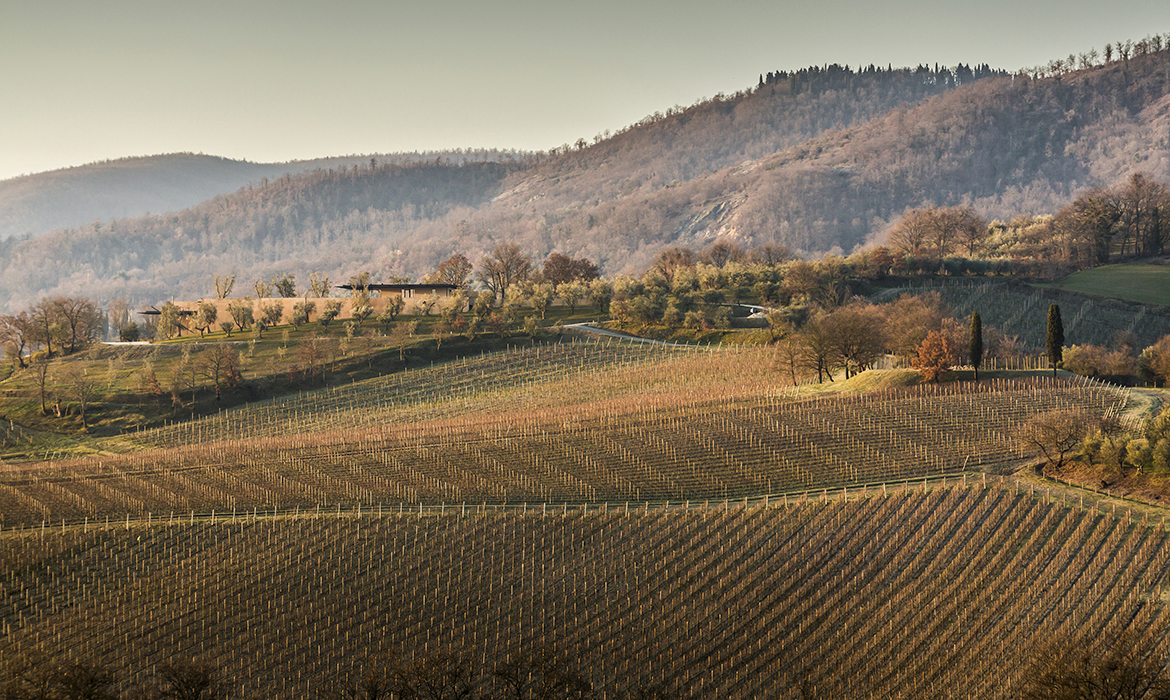
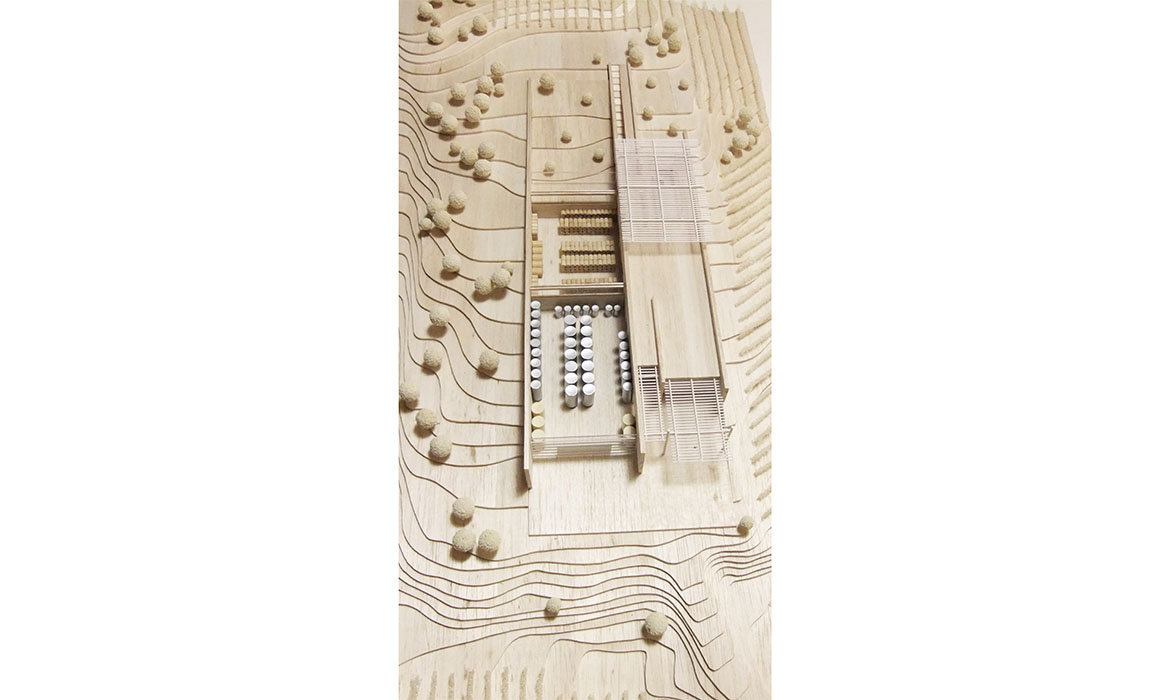
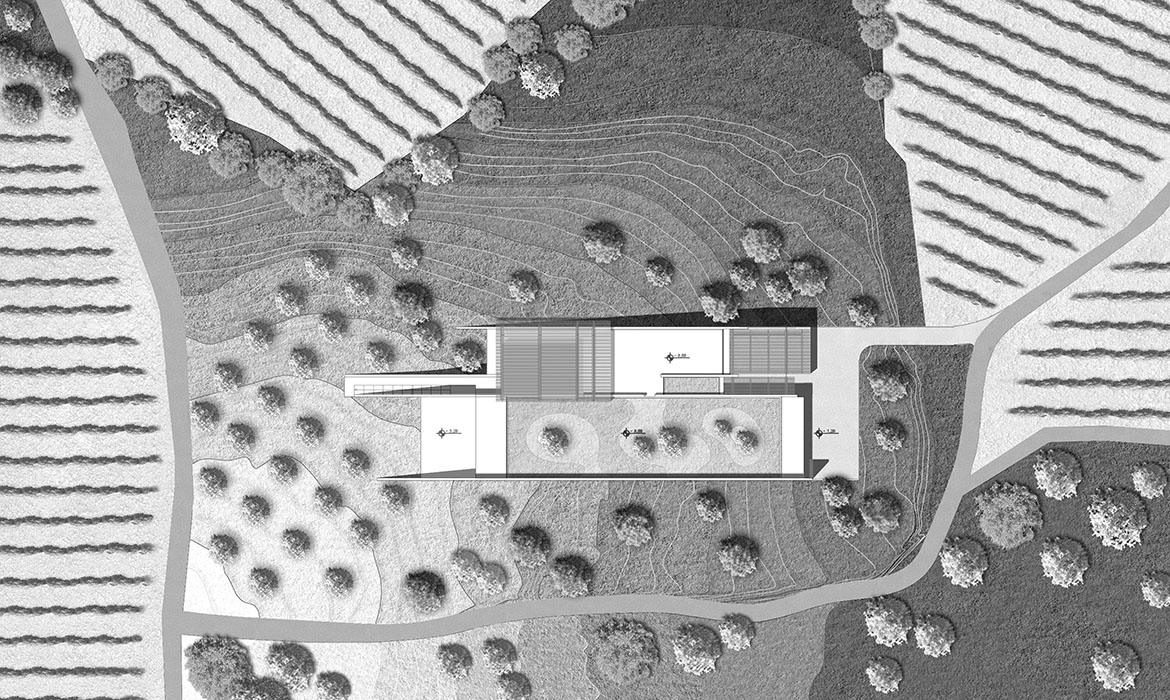
The Winery at Podernuovo is located near San Casciano dei Bagni, in the outskirts of Siena, in Tuscany. It overlooks a vineyard named after the agricultural estate it belongs to. The vineyard, has been designed to contain spaces accessible to the public, spaces of production, and offices endeavors to reduce as much as possible its impact on the environment.
Disegni tecnici:



Report esteso:
Relazione estesa
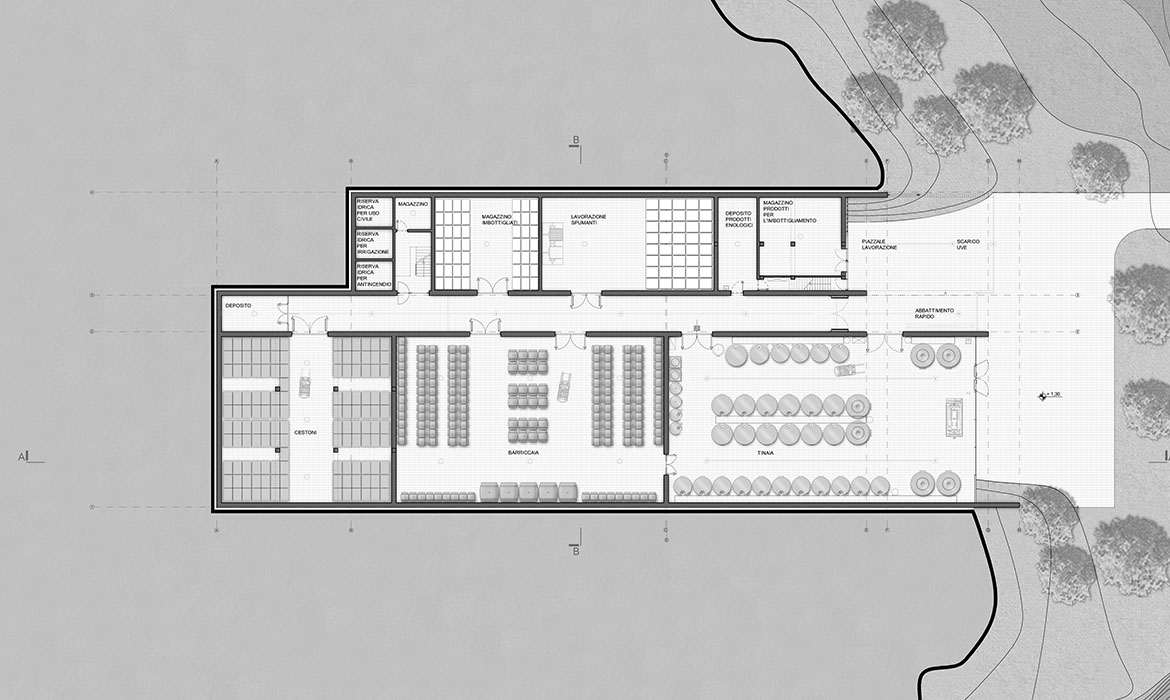
The Winery at Podernuovo is located near San Casciano dei Bagni, in the outskirts of Siena, in Tuscany. It overlooks a vineyard named after the agricultural estate it belongs to. The vineyard, has been designed to contain spaces accessible to the public, spaces of production, and offices endeavors to reduce as much as possible its impact on the environment.
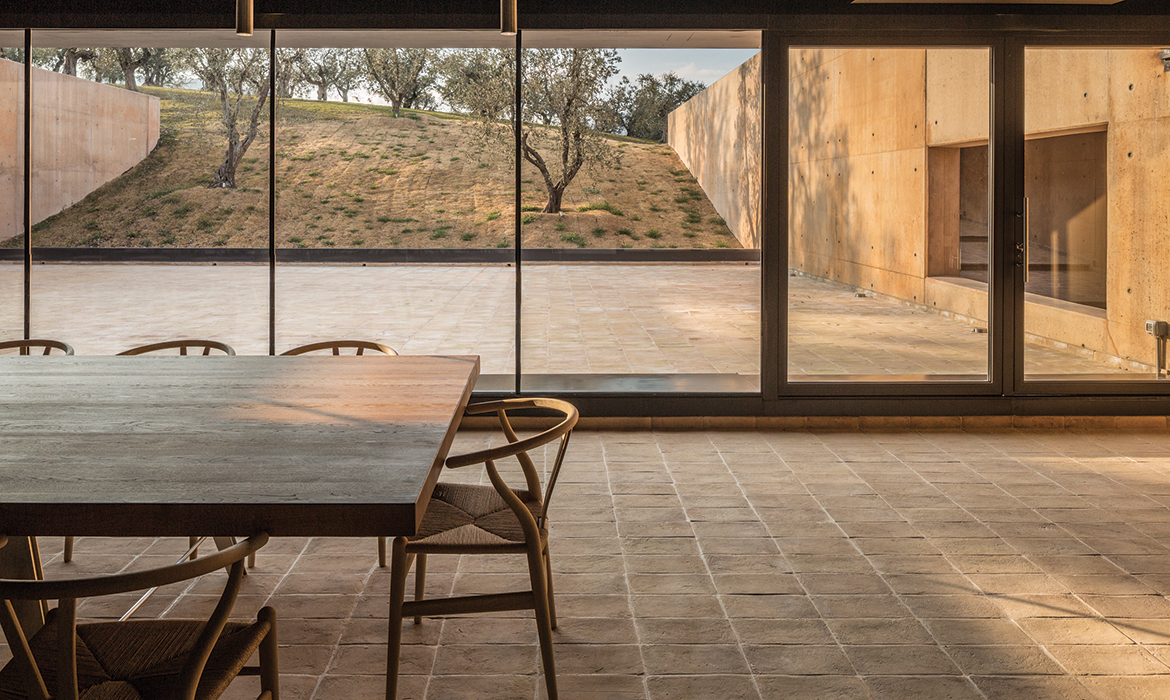
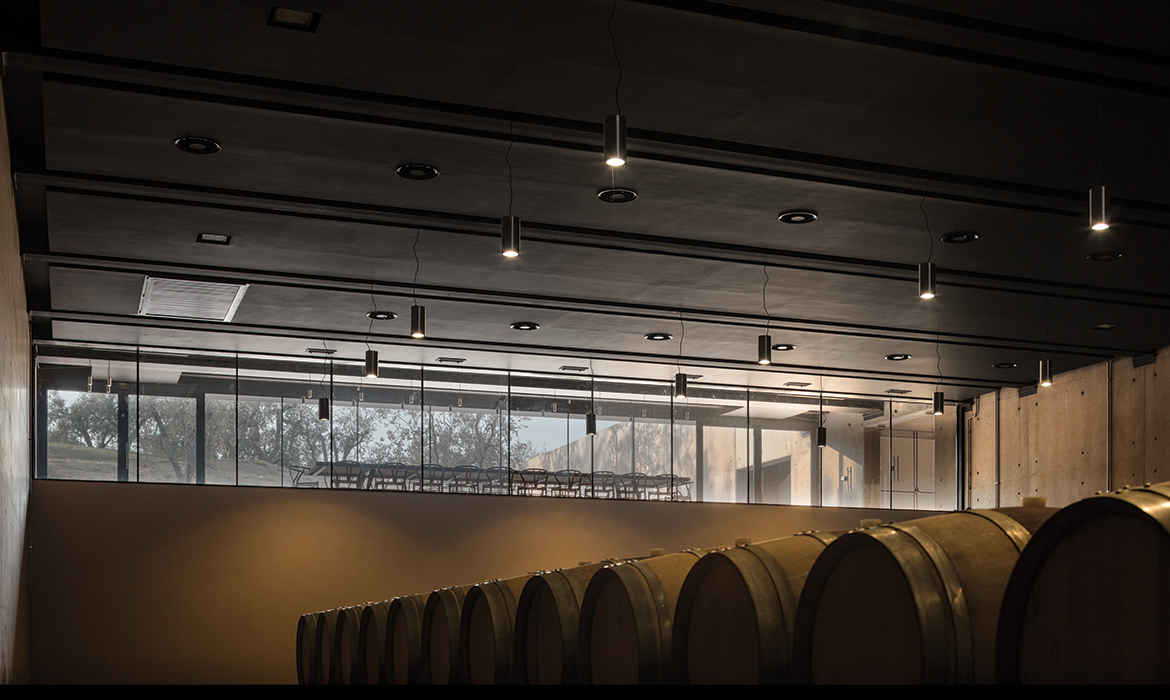
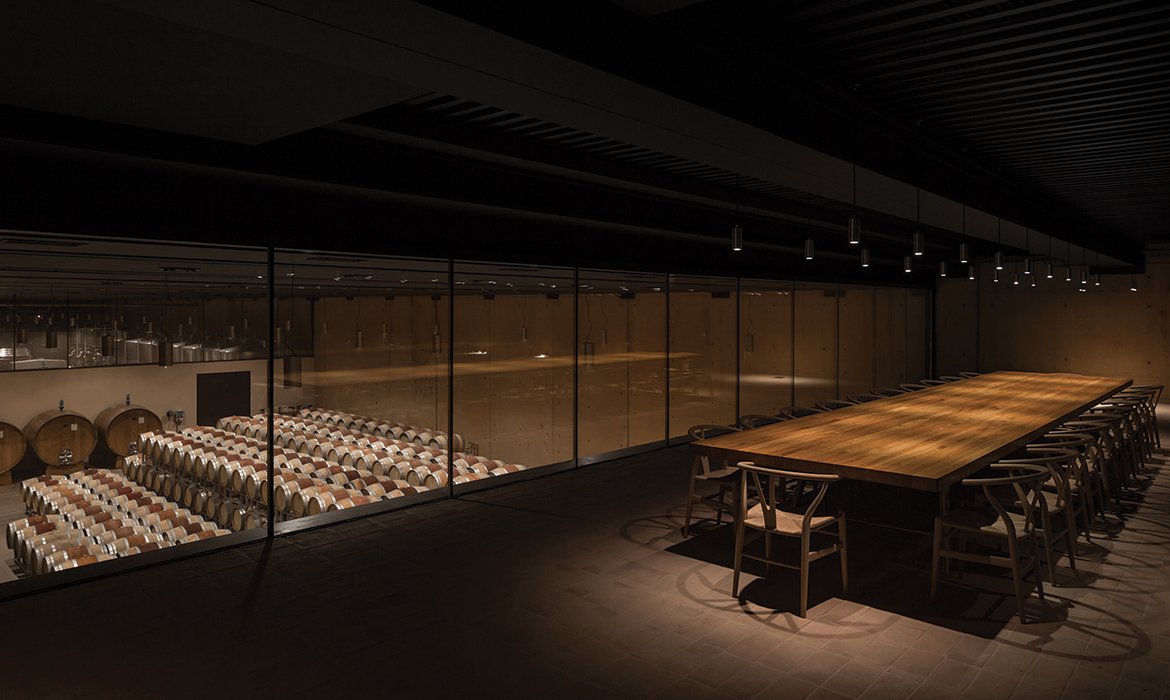
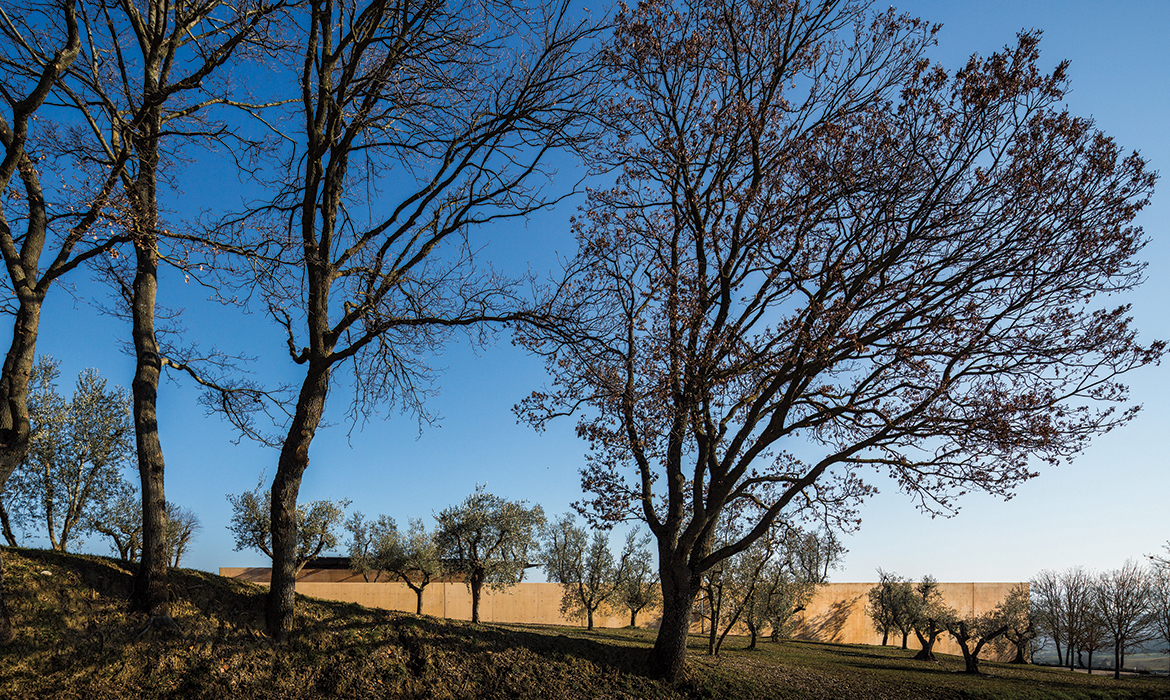
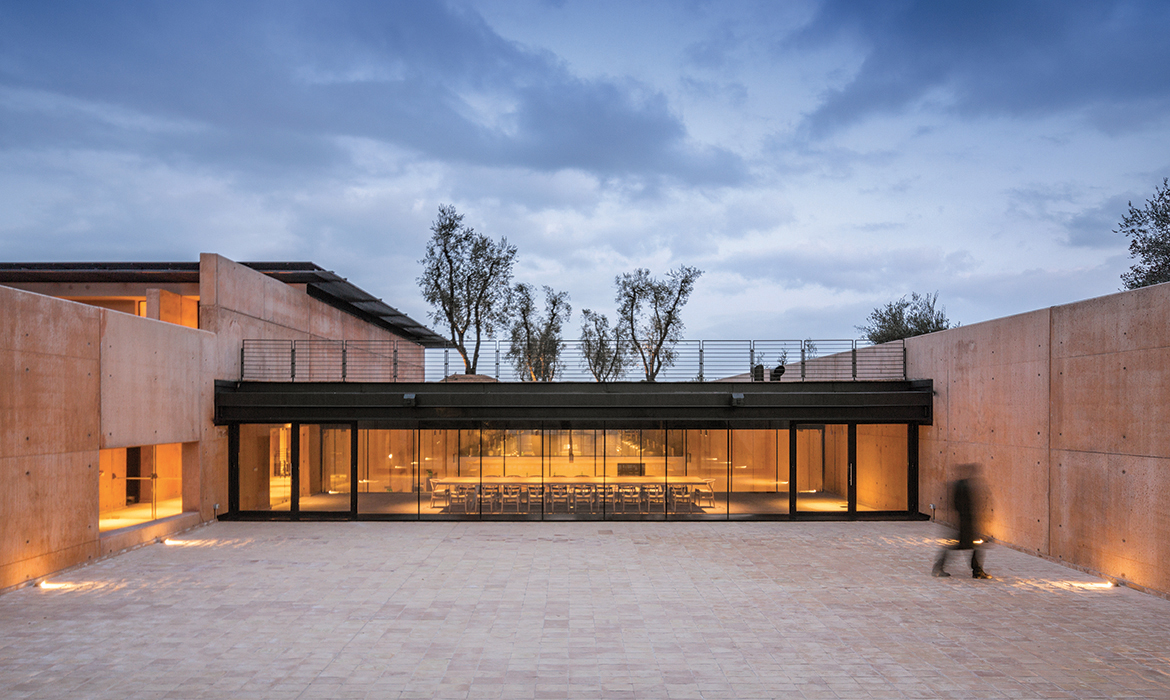
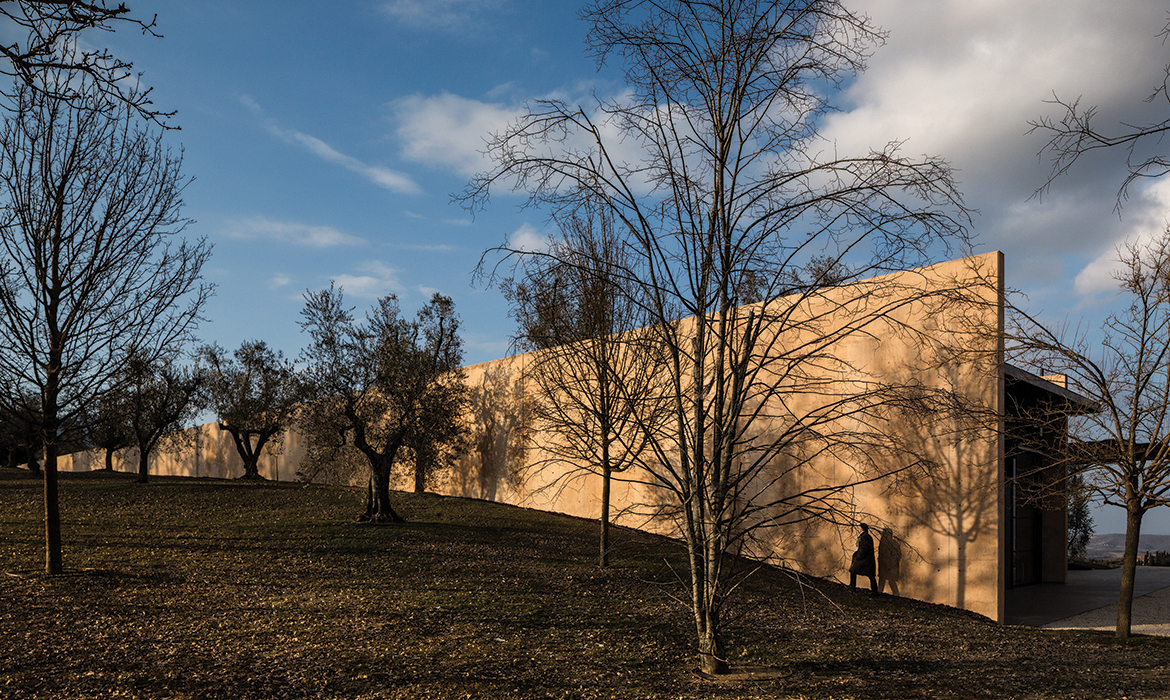
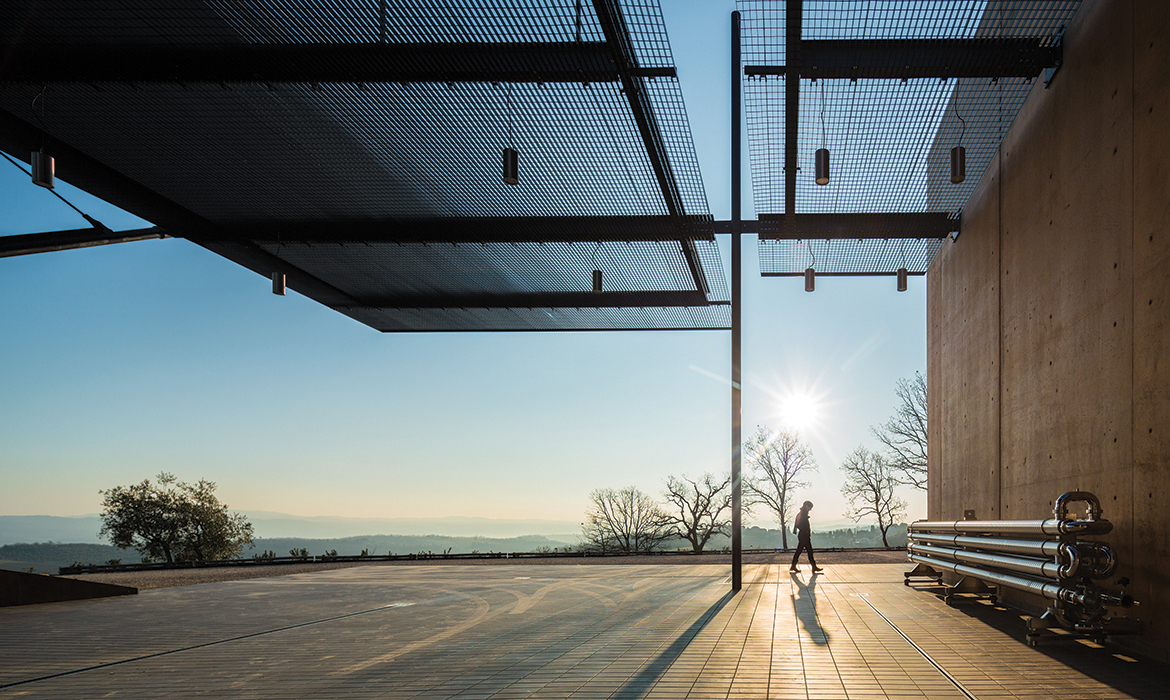
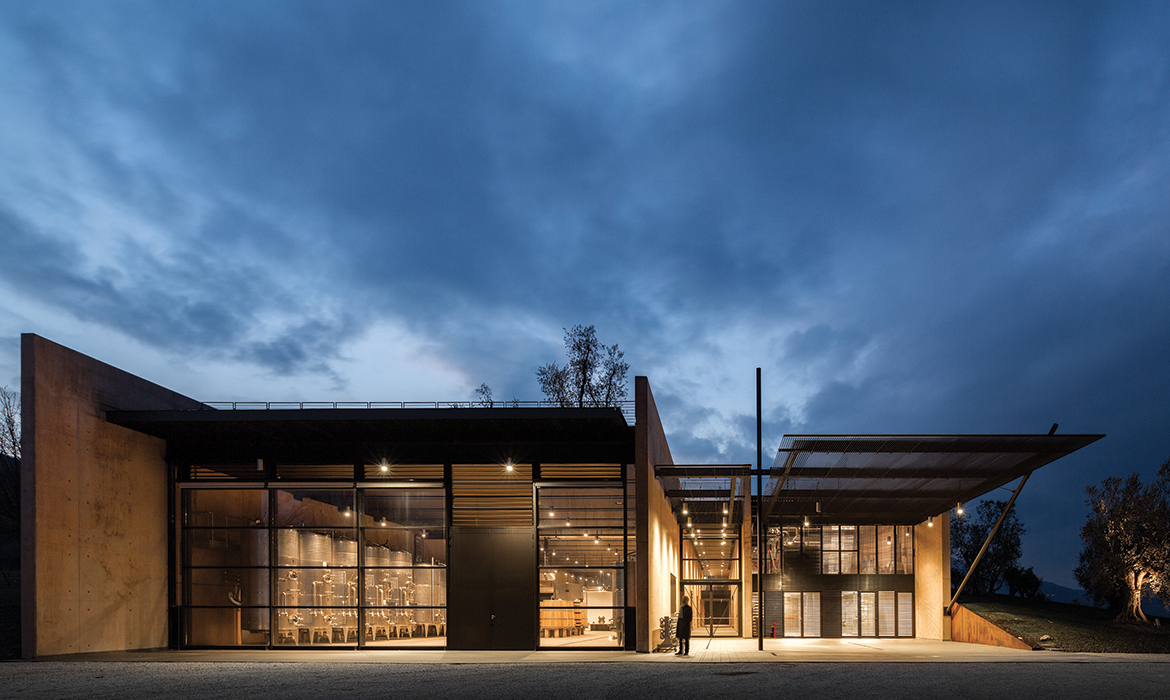
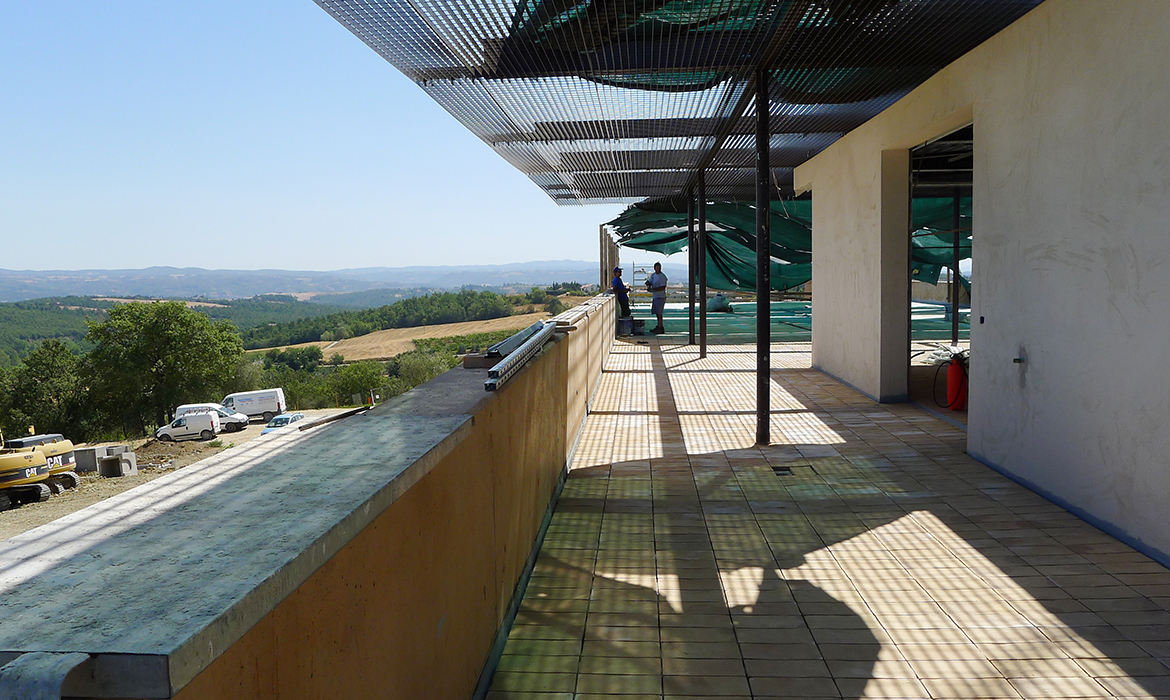
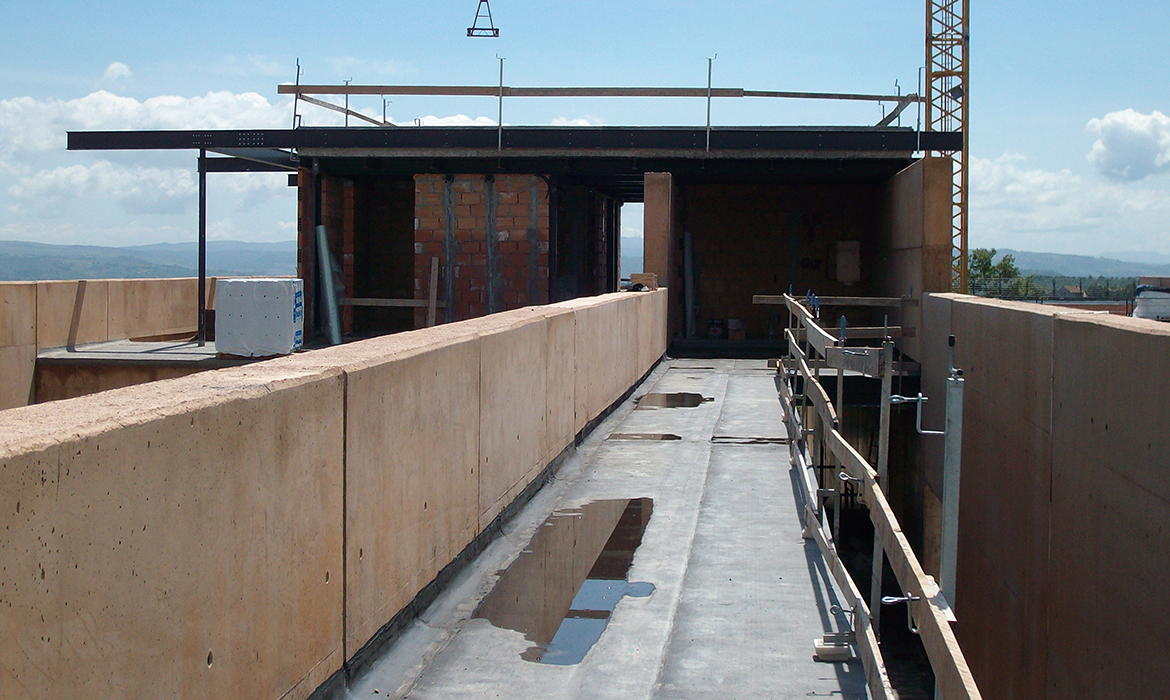
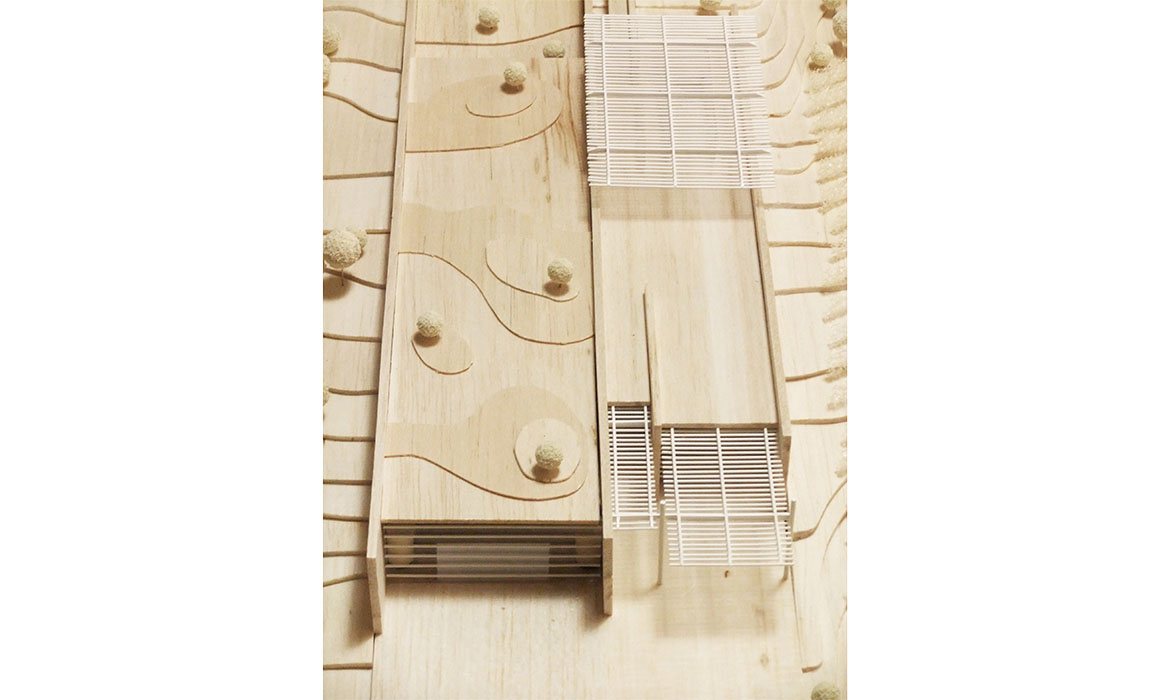
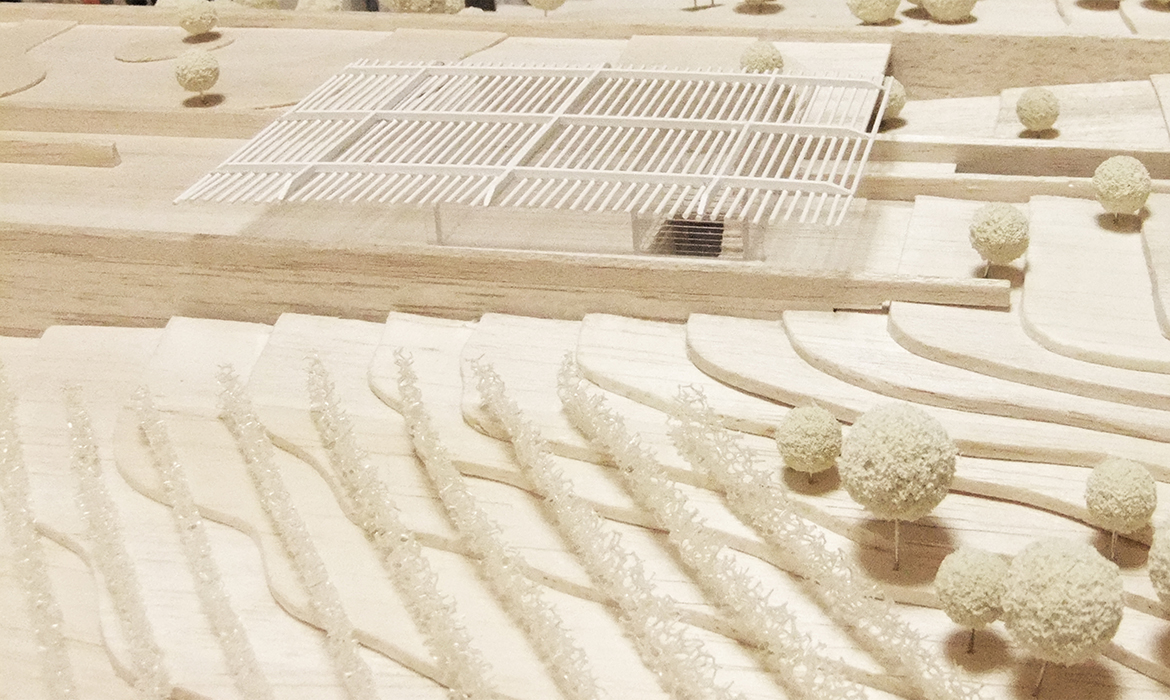
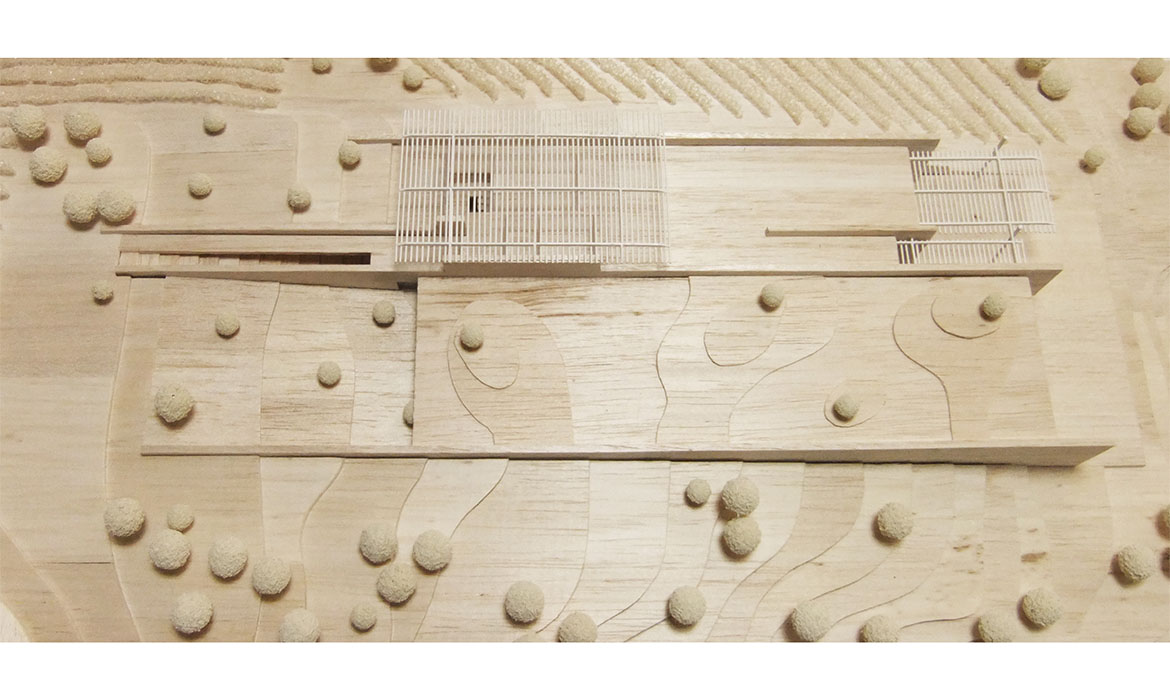
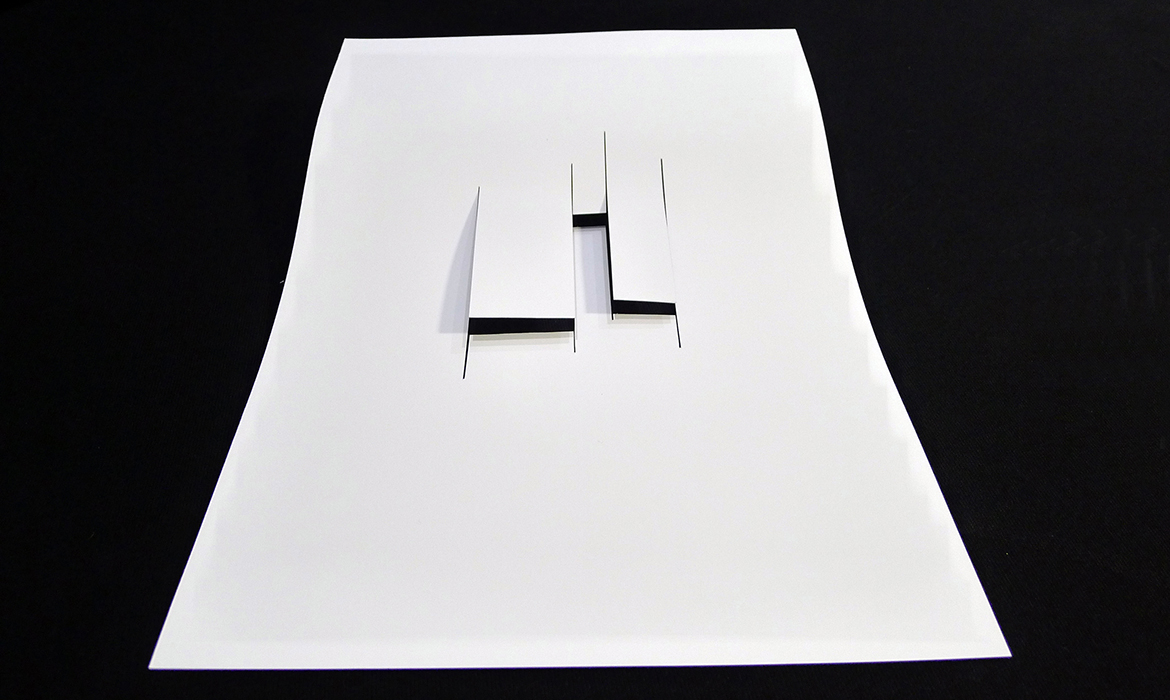
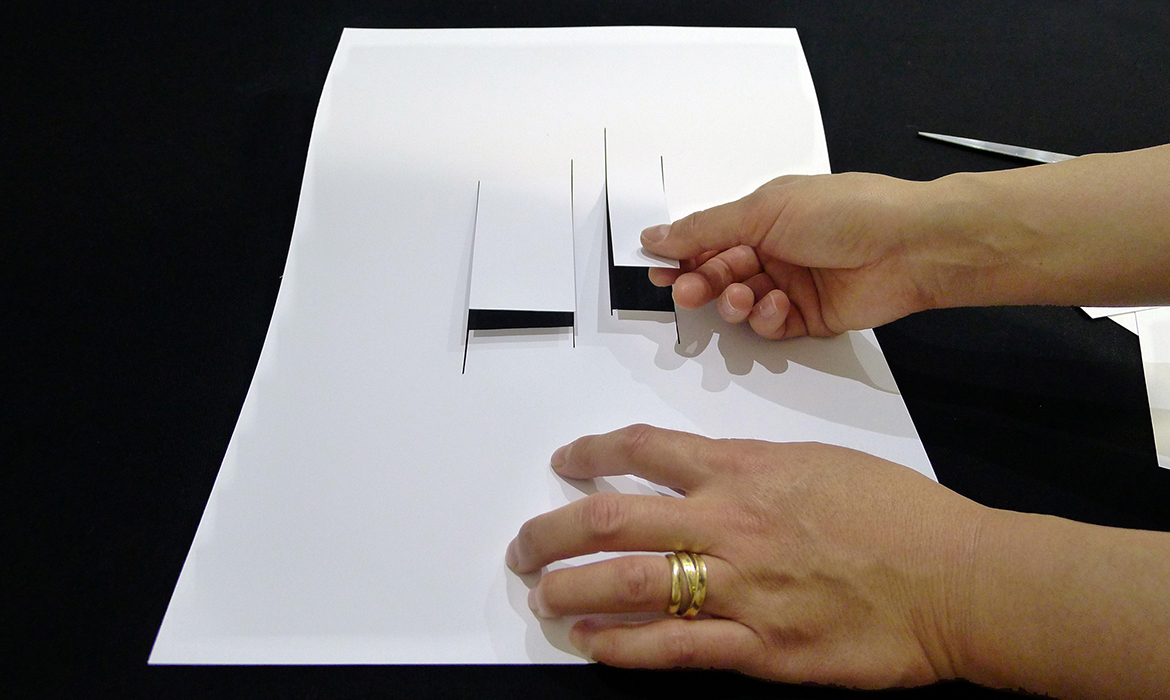
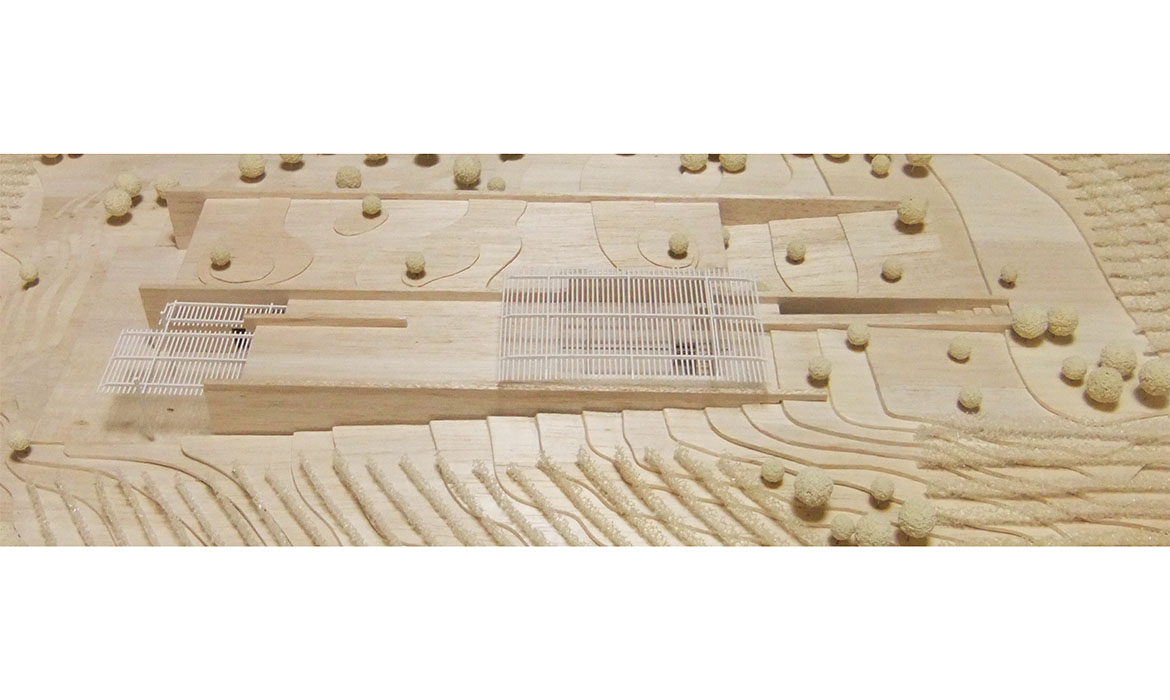
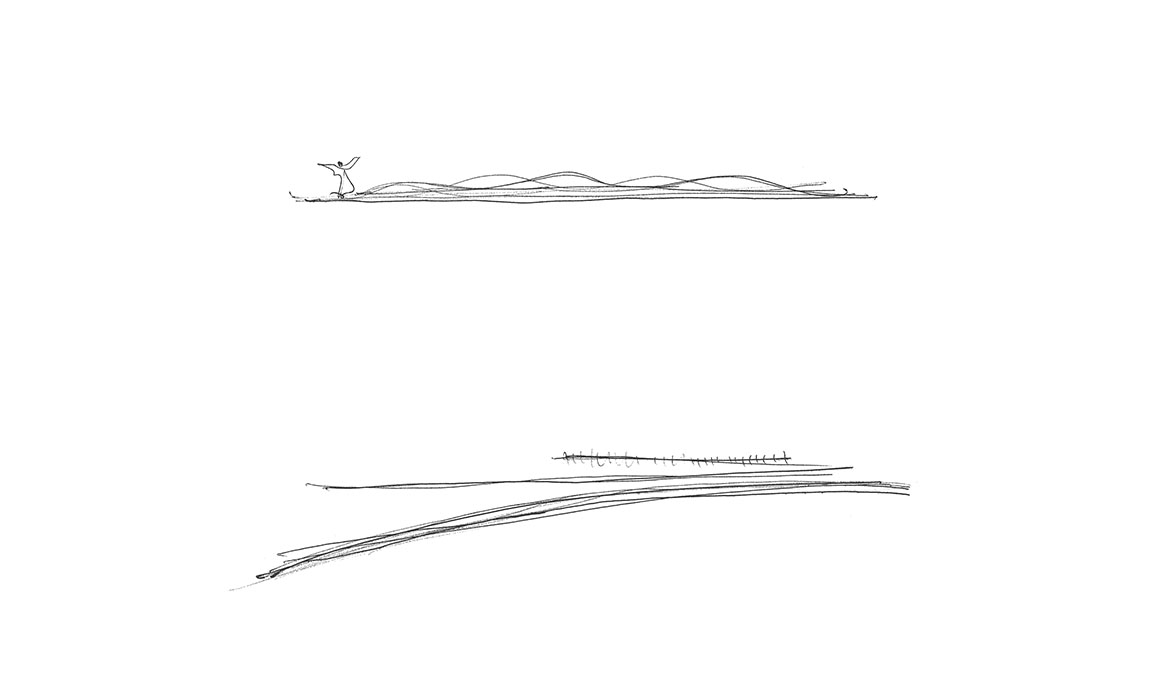
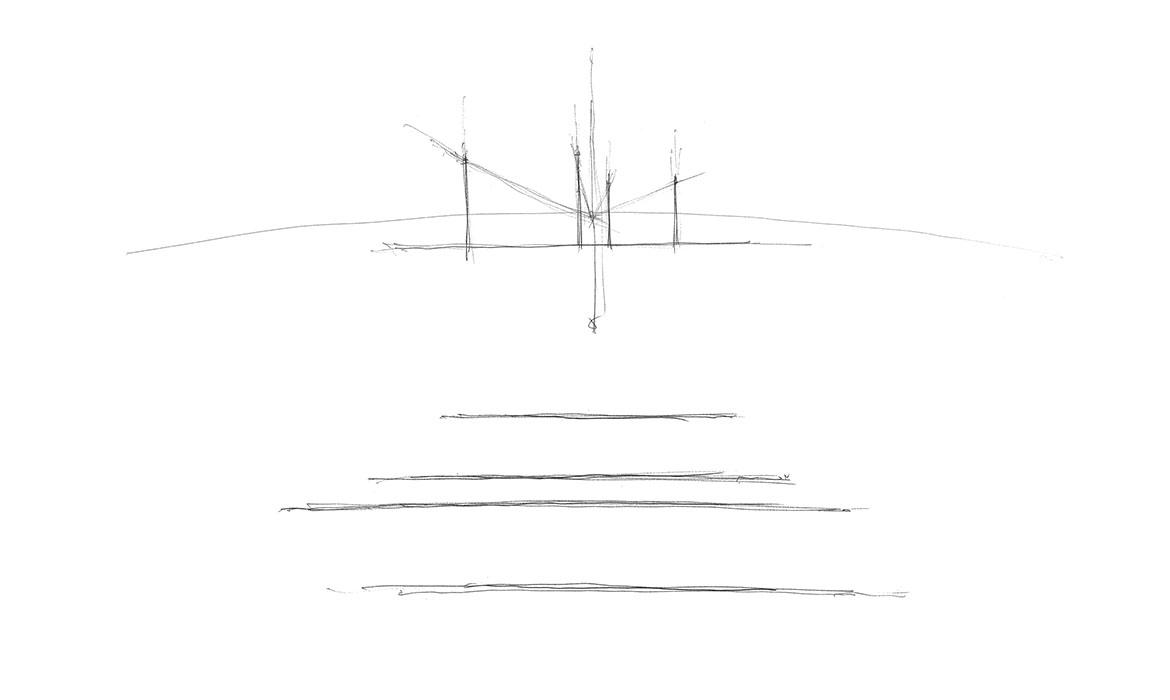
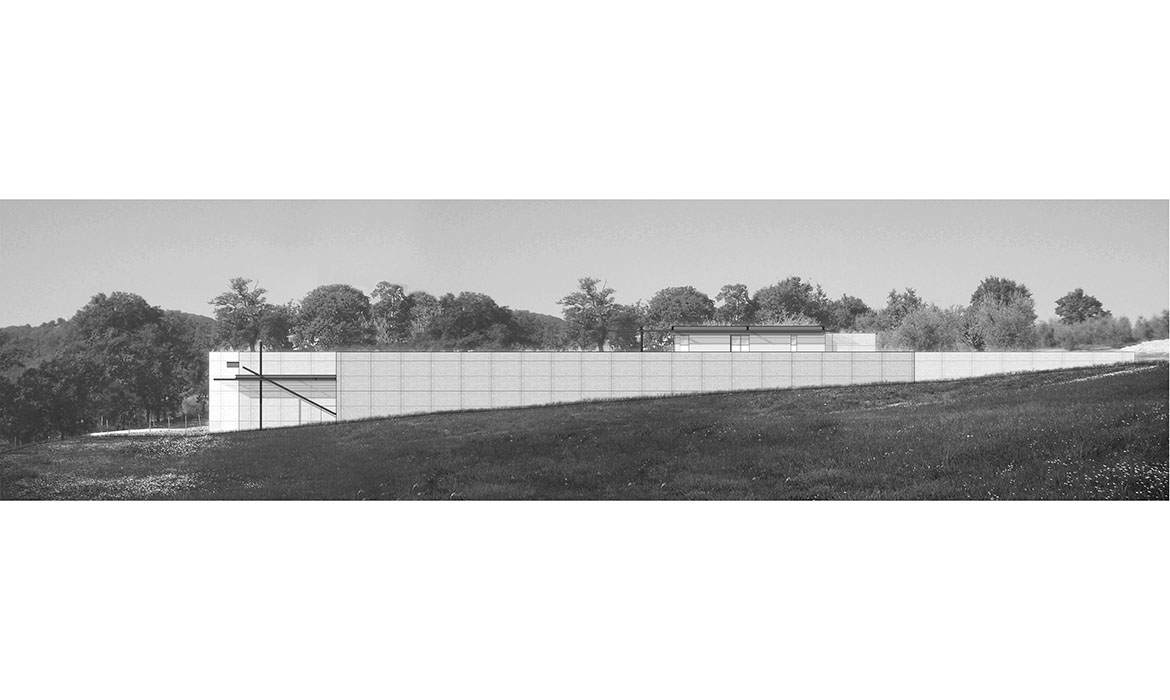
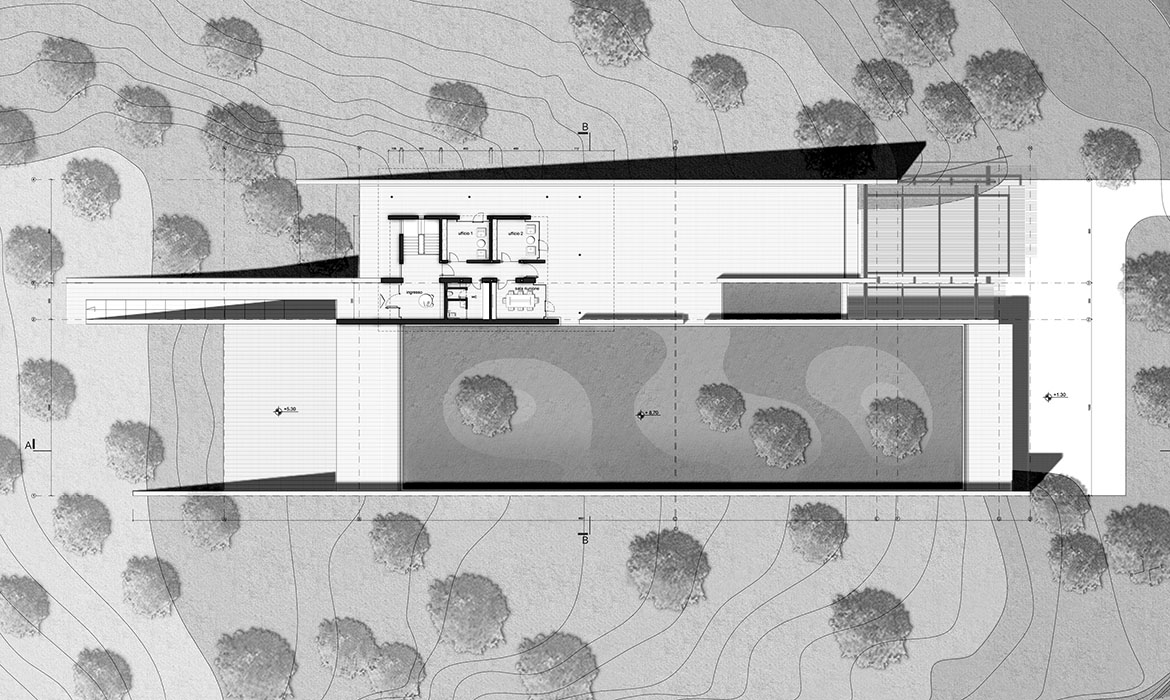
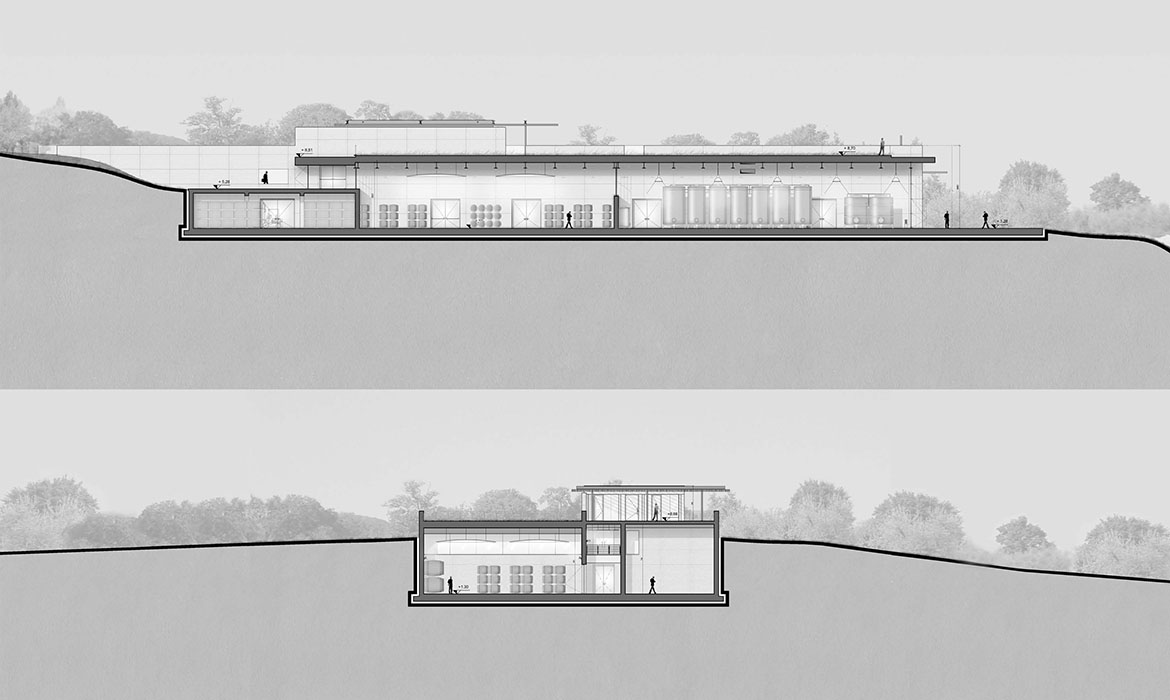
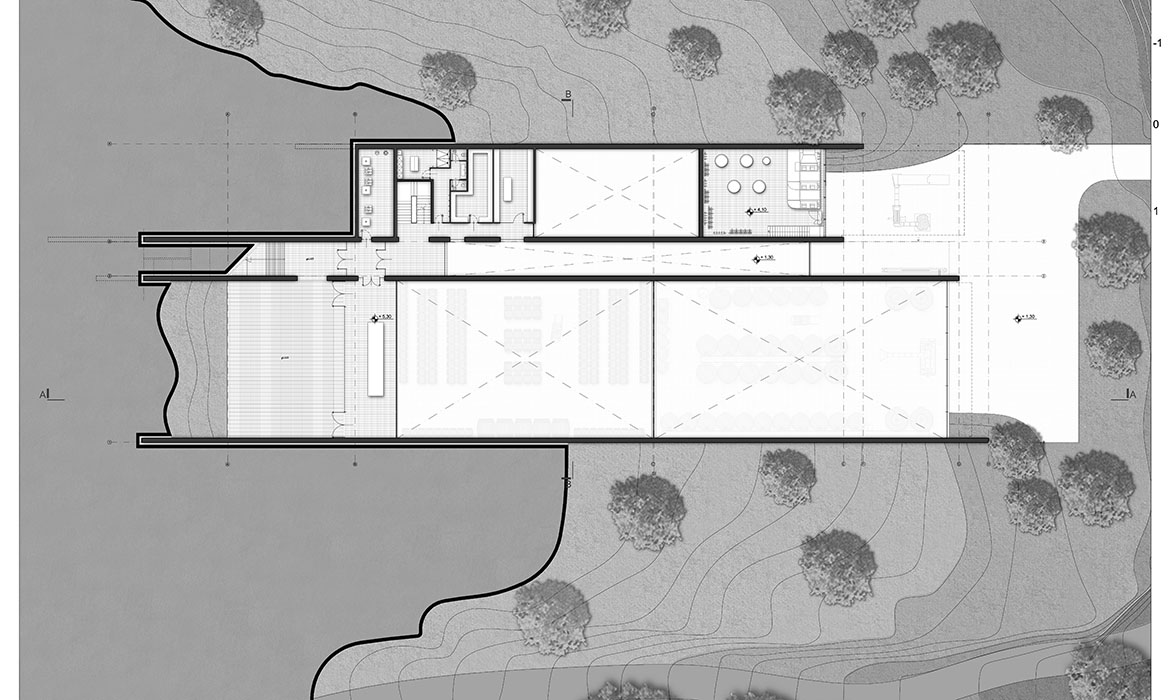
The winery can be accessed from two points: the first situated by the service entrance near the loading docks, the second by the parking lot used by both visitors and staff. Upon access through the principal loading dock, on the left are located three main program areas: the vat cellar, the barrel cellar, and the wine cellar where the bottled wine is stored and left to mature; on the right of the corridor, instead, the architects placed the zones where the final stages of wine production are undertaken, the staircase to the upper floors, the water reserves (intended for sprinklers, irrigation, flushing) and the warehouse space where the barrels are cleaned. At a similar height of +5.30 meters above the fermentation areas, a wine tasting room overlooks the program. Large panels of glass compose two sides of the room, allowing incredible visibility into the barrel storage area and into the garden, which is enclosed by two of the concrete walls and slopes towards the upper levels of the project. A ramp also at this level allows access to the exterior of the winery and continues the plan out towards the landscape. A large entrance serves as a vestibule for both the people who access the space via the staircase and those coming from the outside. By means of a glass door, the main corridor overlooking the terrace is once more accessed. The wine tasting room, the meeting rooms, the offices with six workstations, and toilets, can be entered from both sides of the axis. The production zones and the meeting rooms are enclosed by large glass walls that overlook the terrace which was partly tiled, whilst the rest forms a distinctive green roof over the program areas. The shades are a distinctive detail throughout the building. Conceived as a light metallic frame structure, they cover the entrance, act as a roof in specific locations and protect the offices from direct sunlight. On the ground floor the large glass panels span the entire width of the rooms and visually connect the vat cellar with the exterior which during harvest, is transformed into an incredibly dynamic space and is one of the most fascinating sights to oversee. The materials for the building were chosen to integrate the architecture, as much as possible, with the landscape of its surroundings. Exposed concrete, brick, klinker, varnished steel, glass are all the materials that characterize the envelope of the winery. The long walls that traverse and anchor the project are exposed and painted in a color similar to the hue of clay which characterizes the earth in Tuscany; it is as if they had just emerged from the ground to house a process older even than the Etruscan antecedents of the land. The building is further provided with a green roof and shades over the offices and main production areas.
Cronologia:
2009-2010
Progetto
Febbraio 2013
Inaugurazione