Restauro della Basilica Collegiata di San Biaggio

 Progetto realizzato con prodotti Fassa Bortolo
Crediti
Cliente
Parrocchia di San Giacomo, Bologna
Collaboratori
Gaia Govoni
Federica Corticelli
Ilaria Balboni
Debora Giacomelli
Marco Lomartire
Michele Marchi
Federica Poini
Autori
Alberto Ferraresi
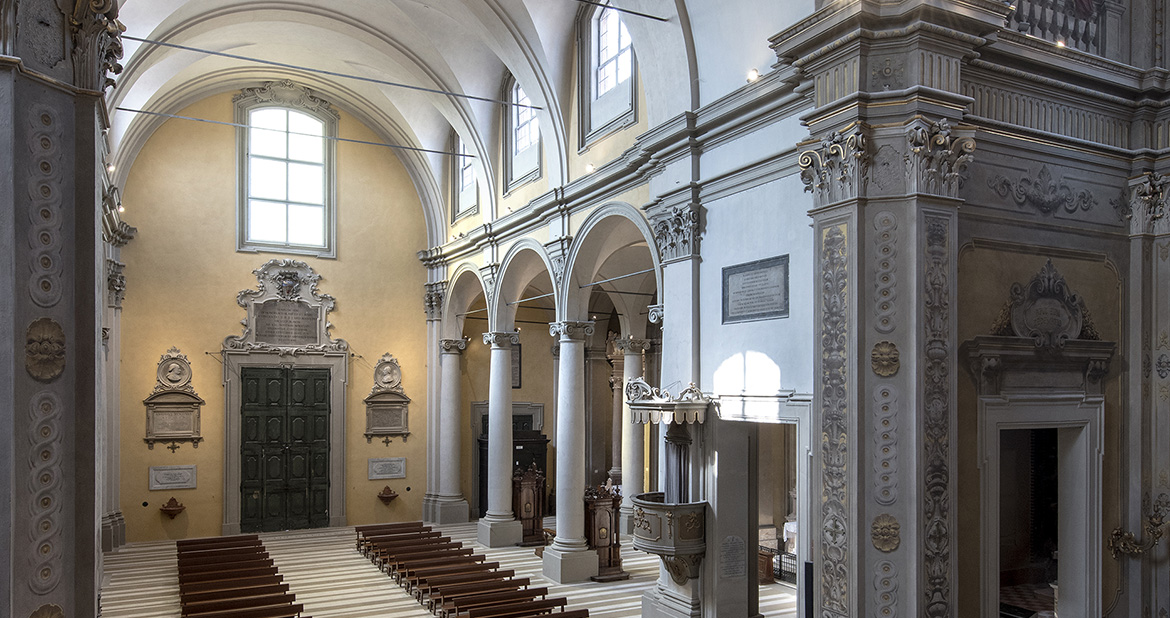
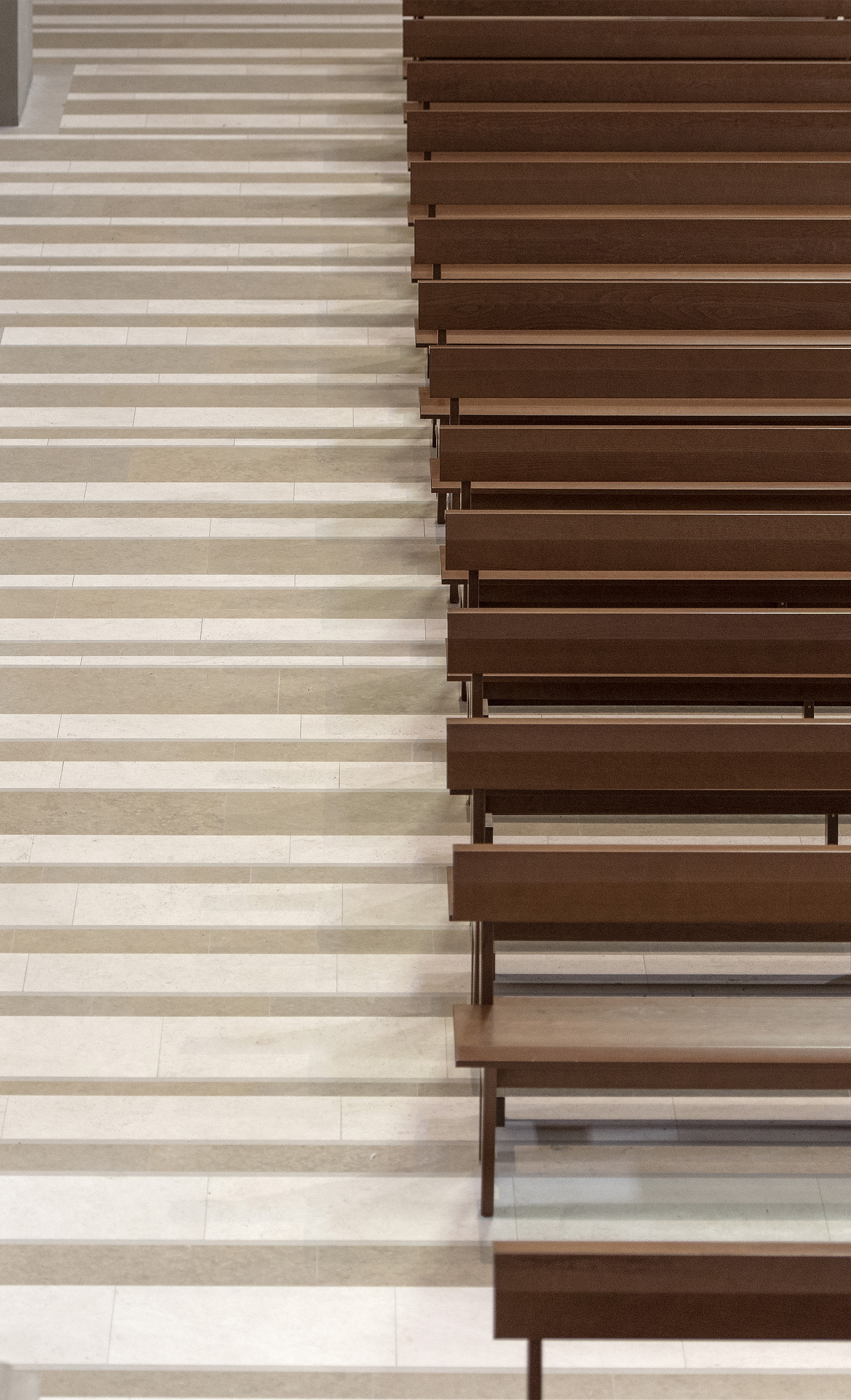
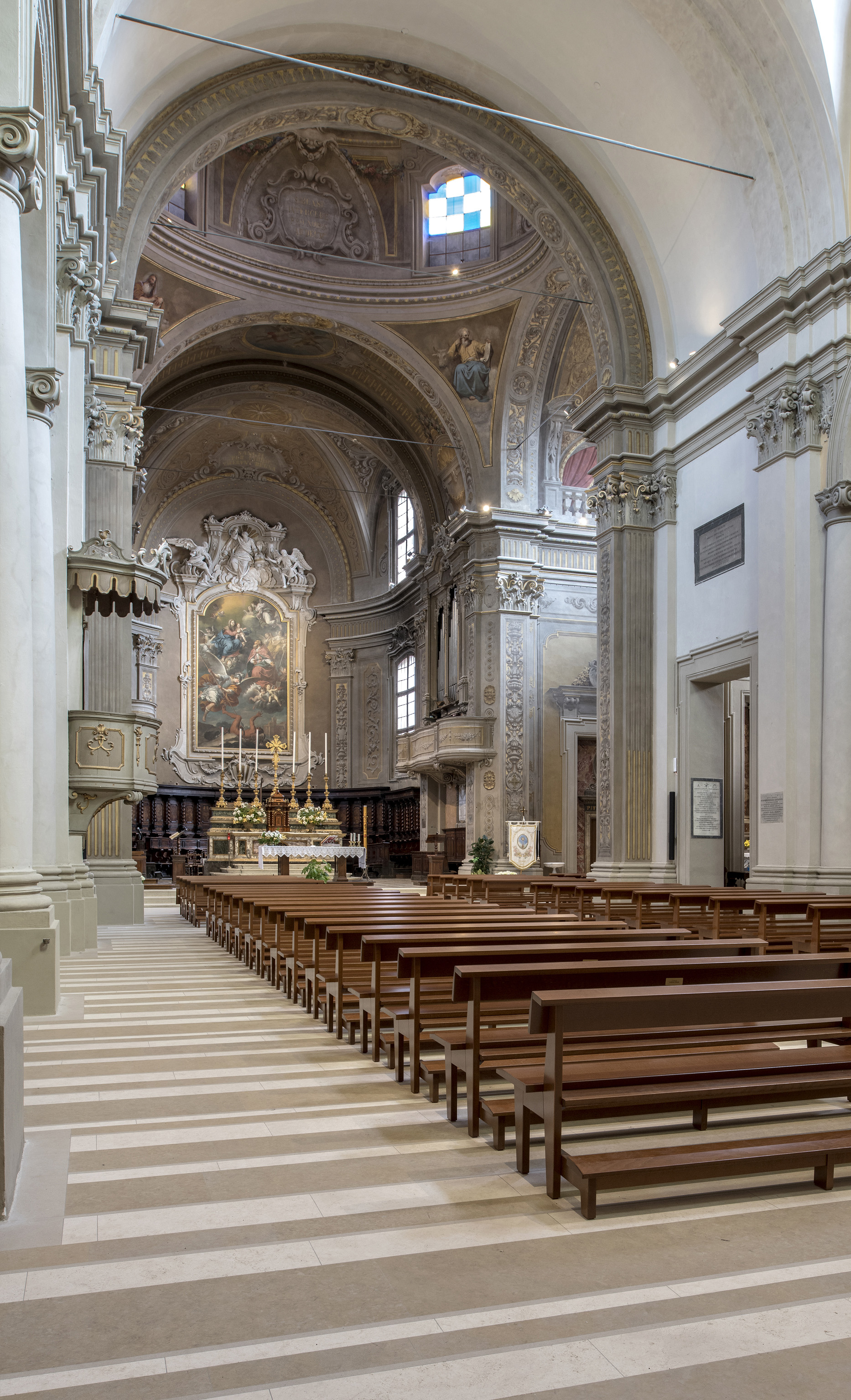
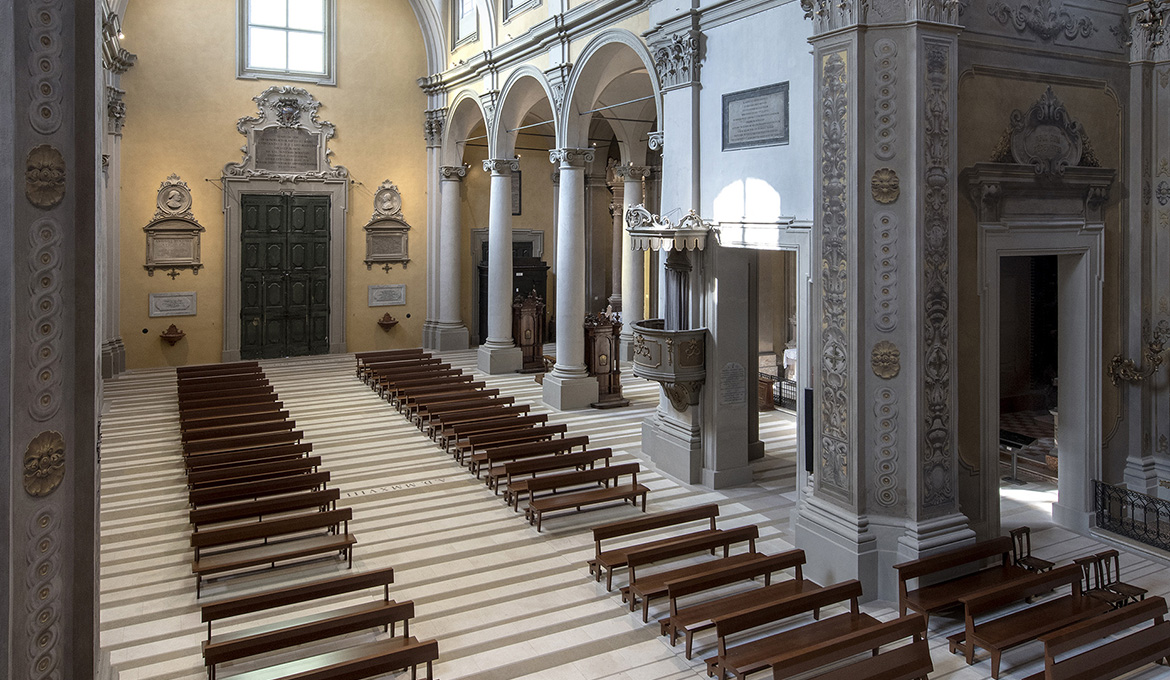
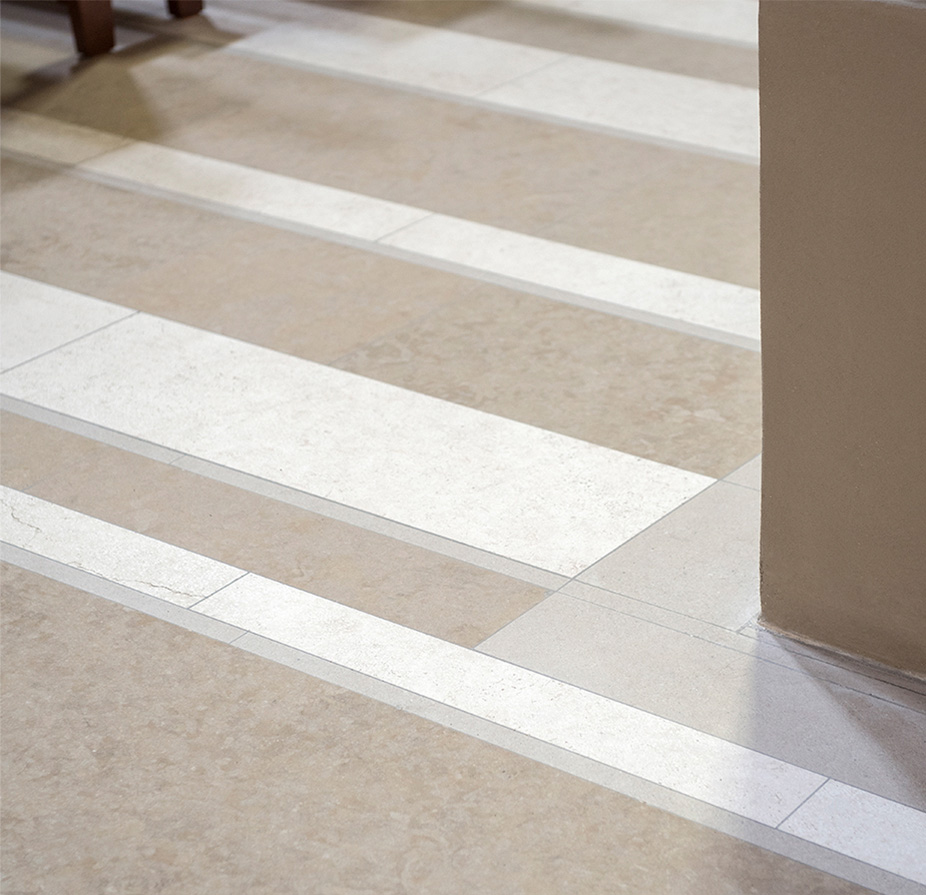
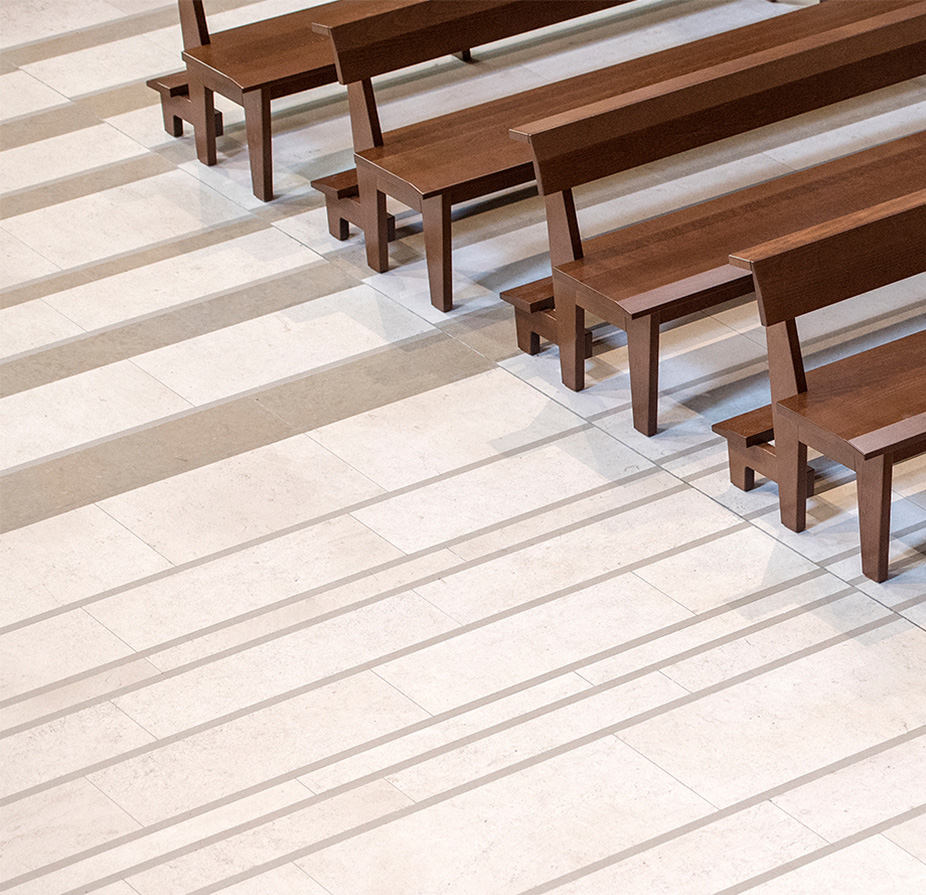
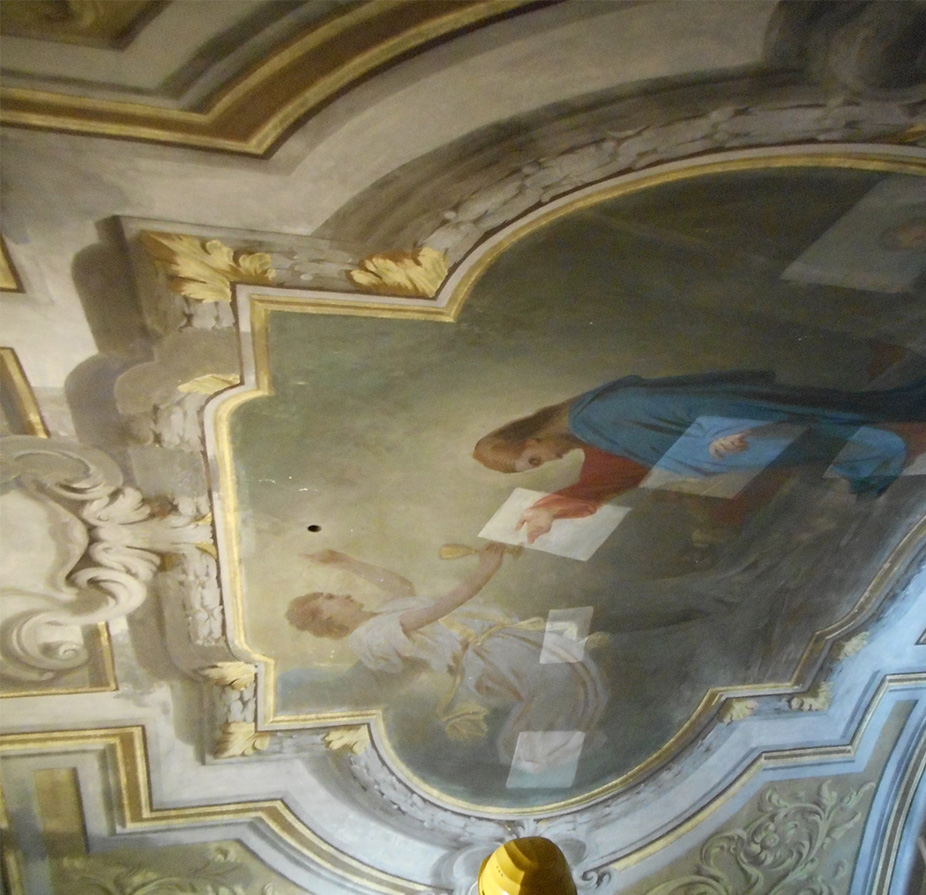
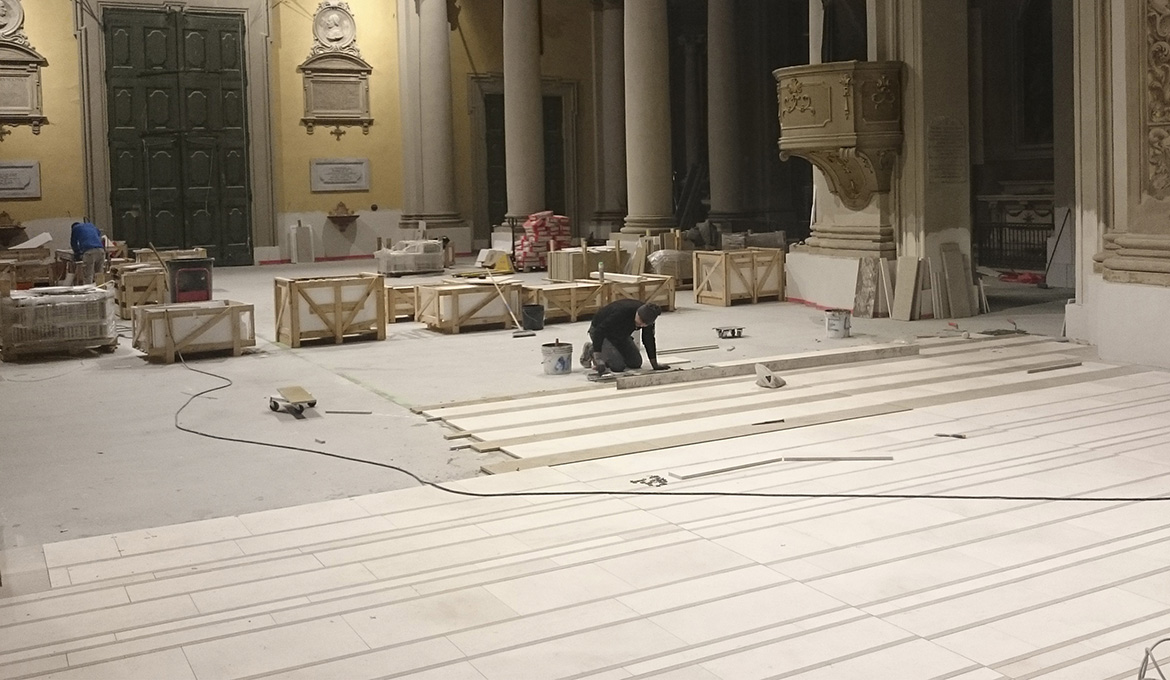
After the earthquake in Emilia in May 2012, the restoration and complete structural rehabilitation of the Basilica collegiata di San Biagio has extended to the new floorings and plant engineering equipment. The new floor derives its constitutive characteristics from those of the eighteenth-century space of the church rebuilt by Alfonso Torreggiani, trying not only to integrate it, but also to increase its legibility and reveal its relationship between the components.
Disegni tecnici:
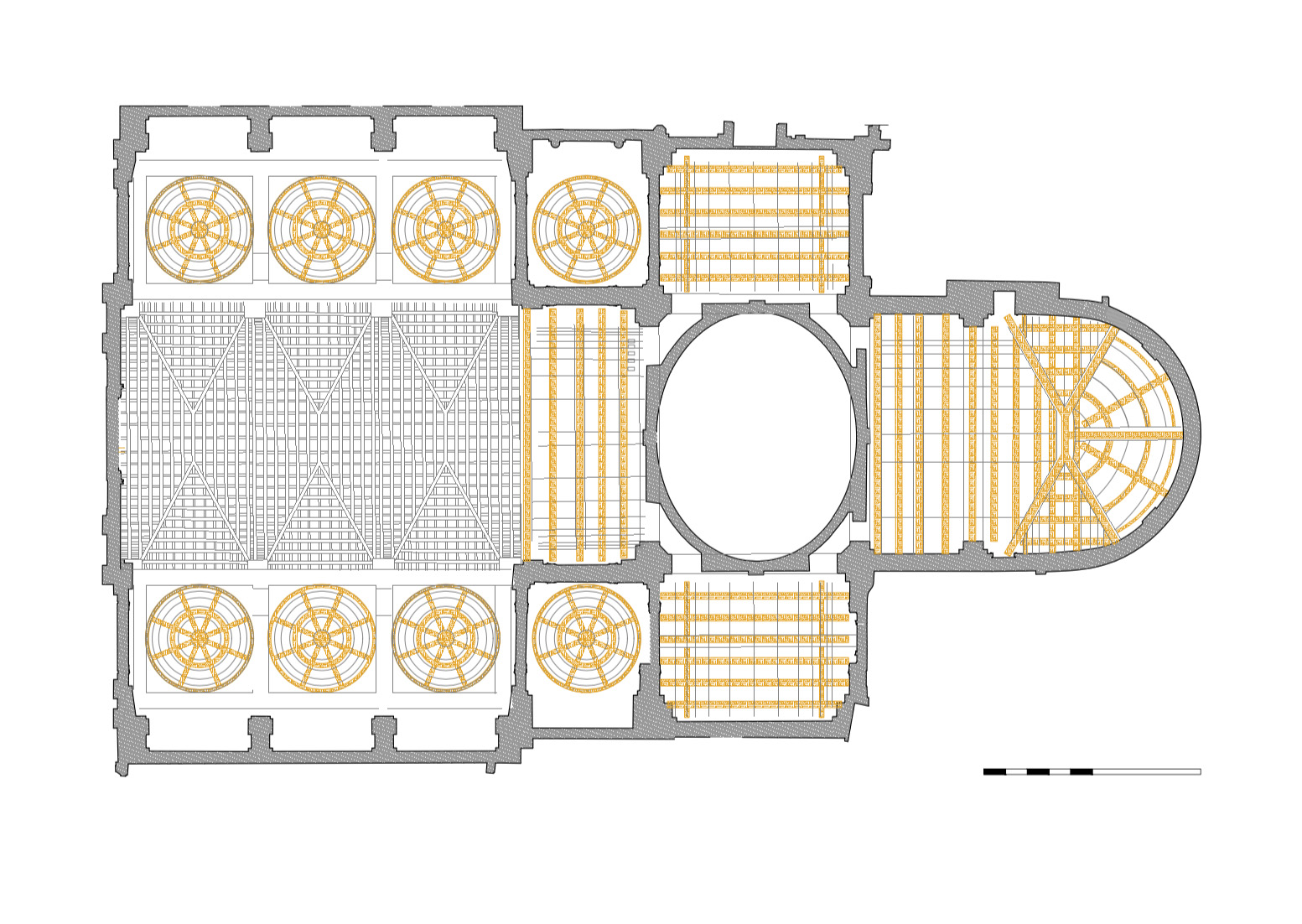
Report esteso:
Relazione estesa
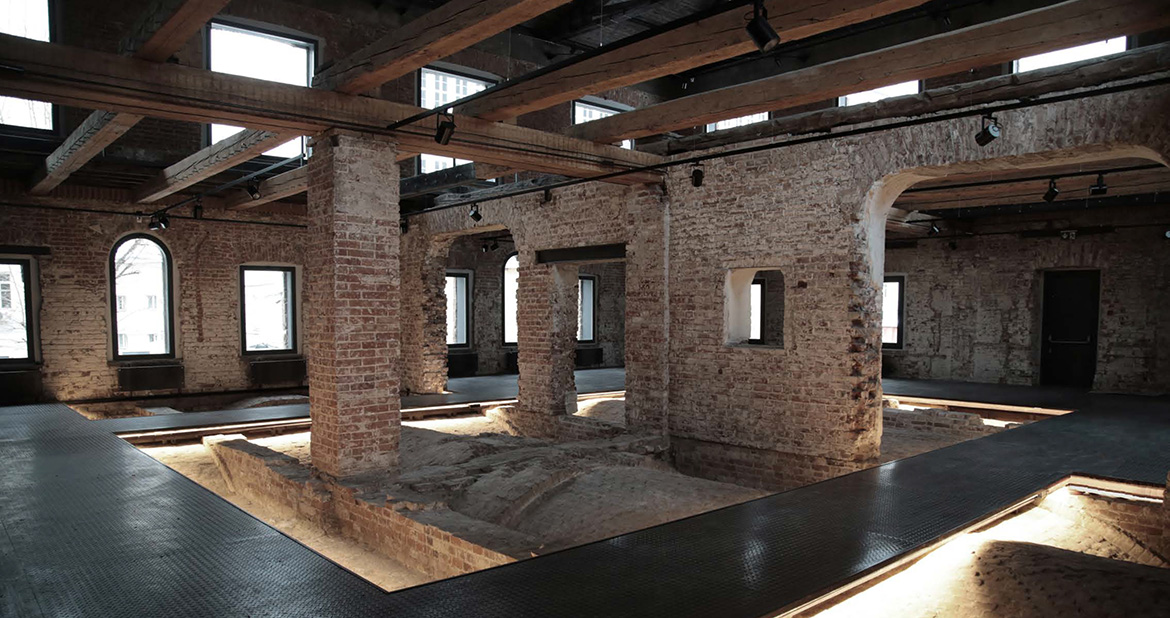
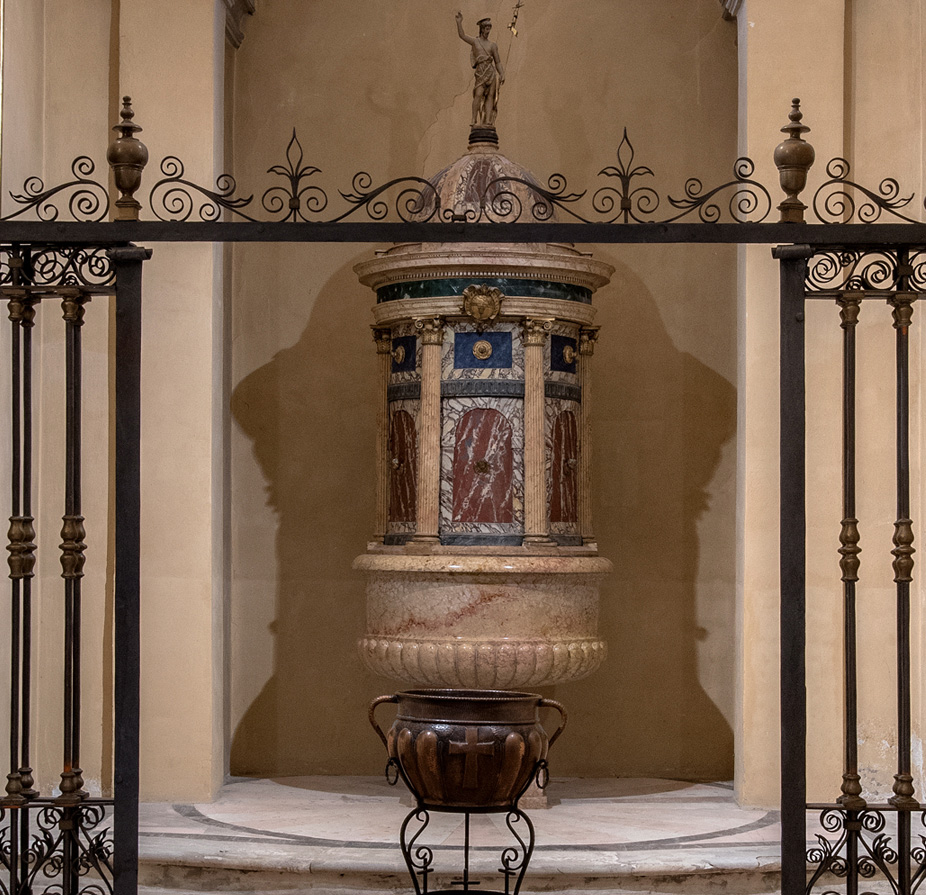
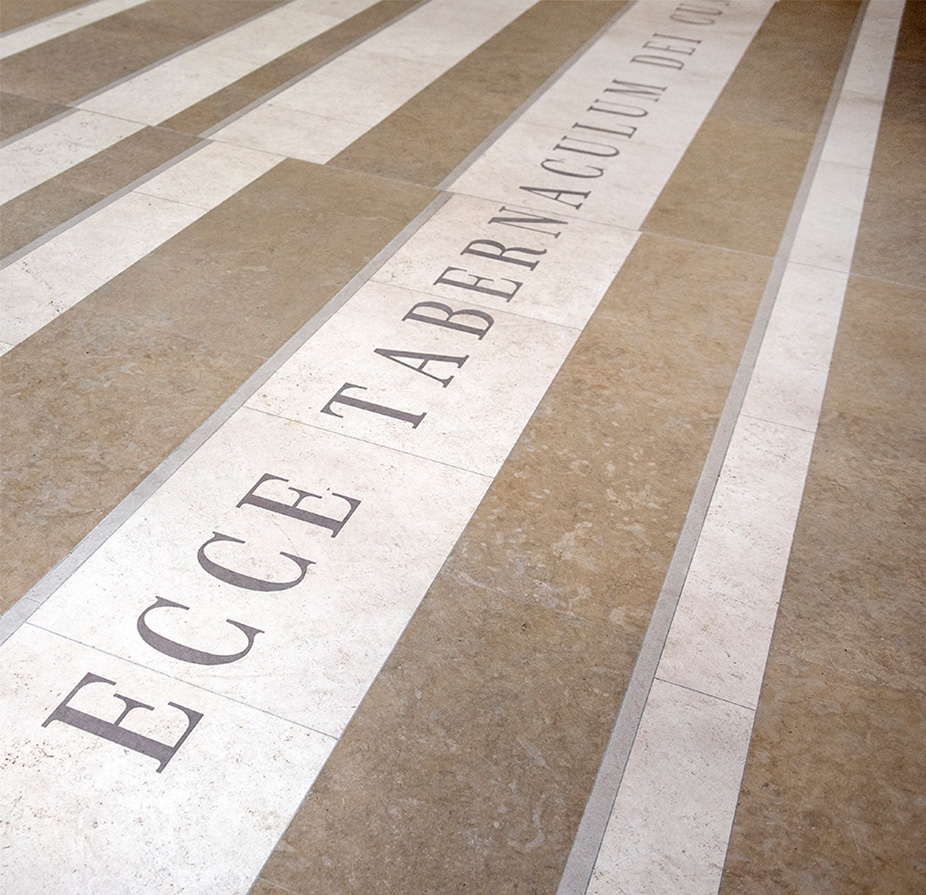
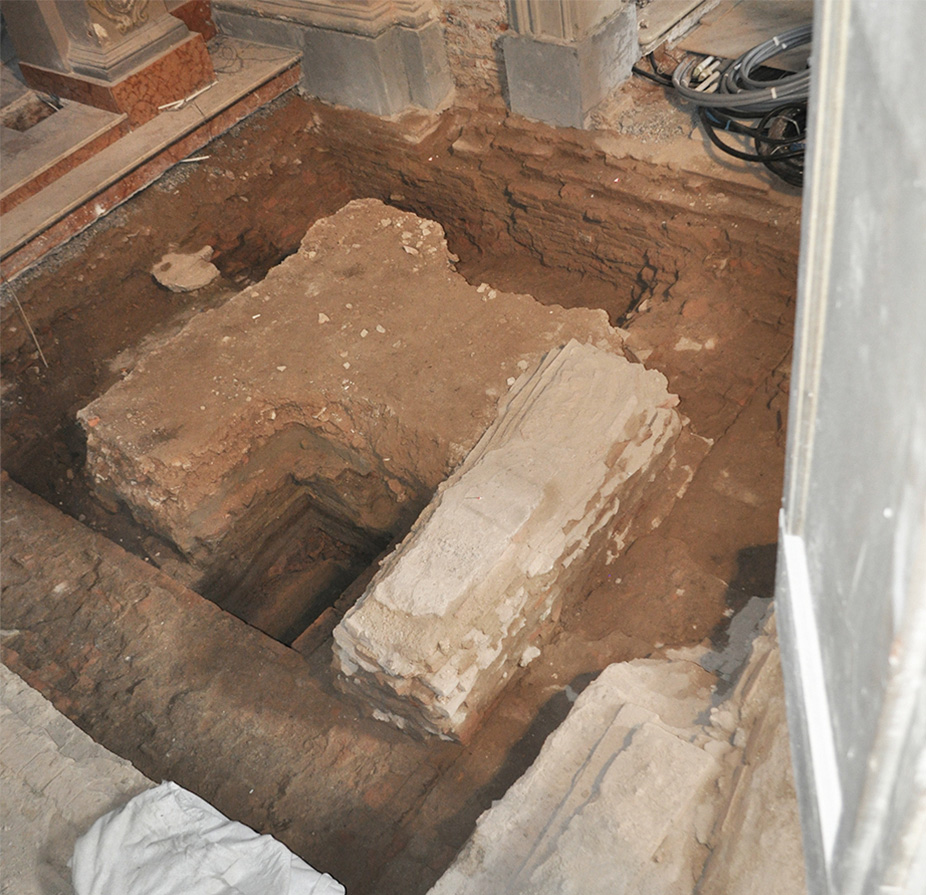
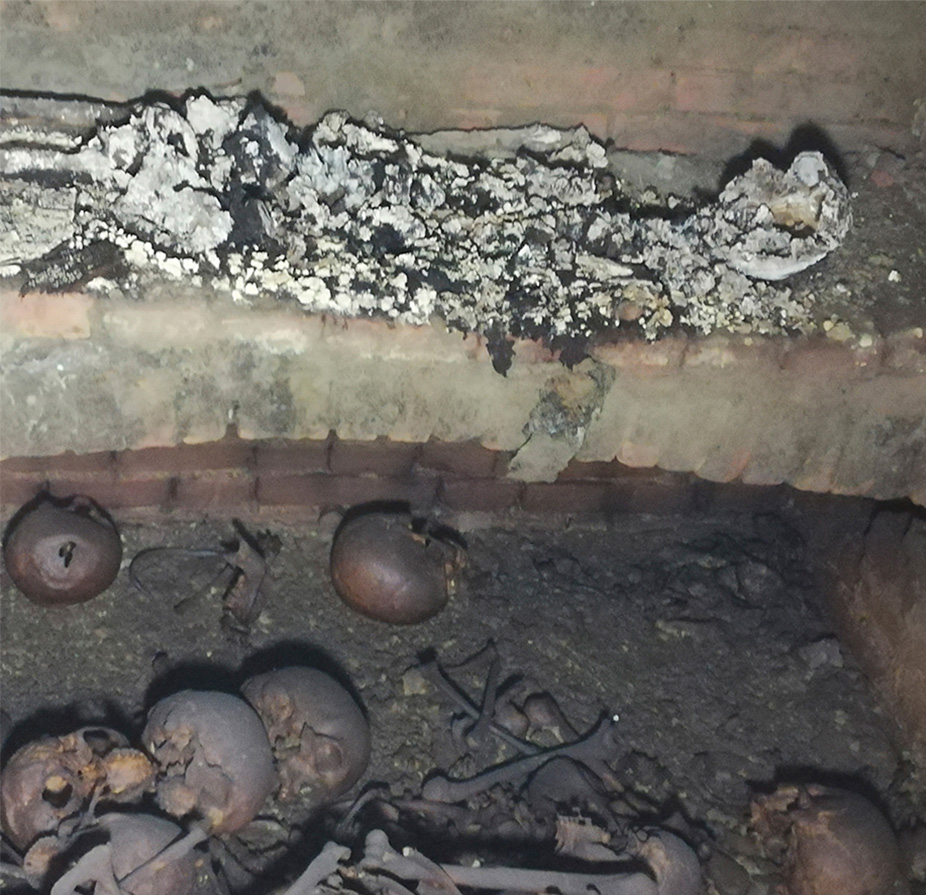
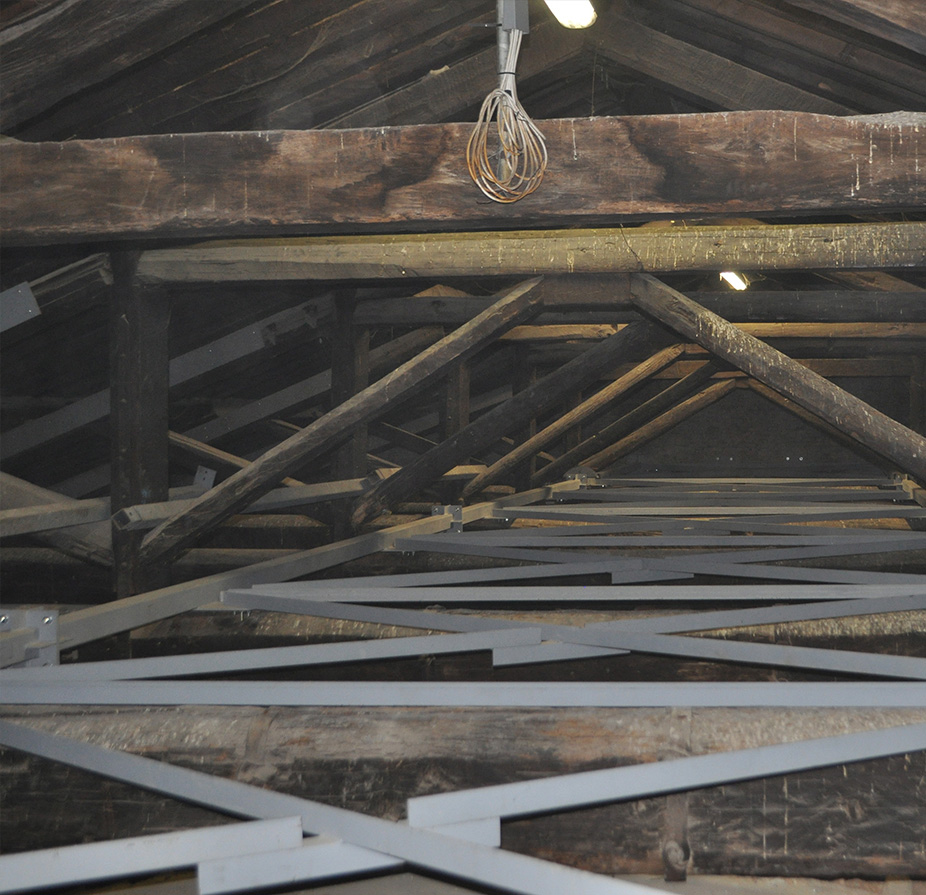
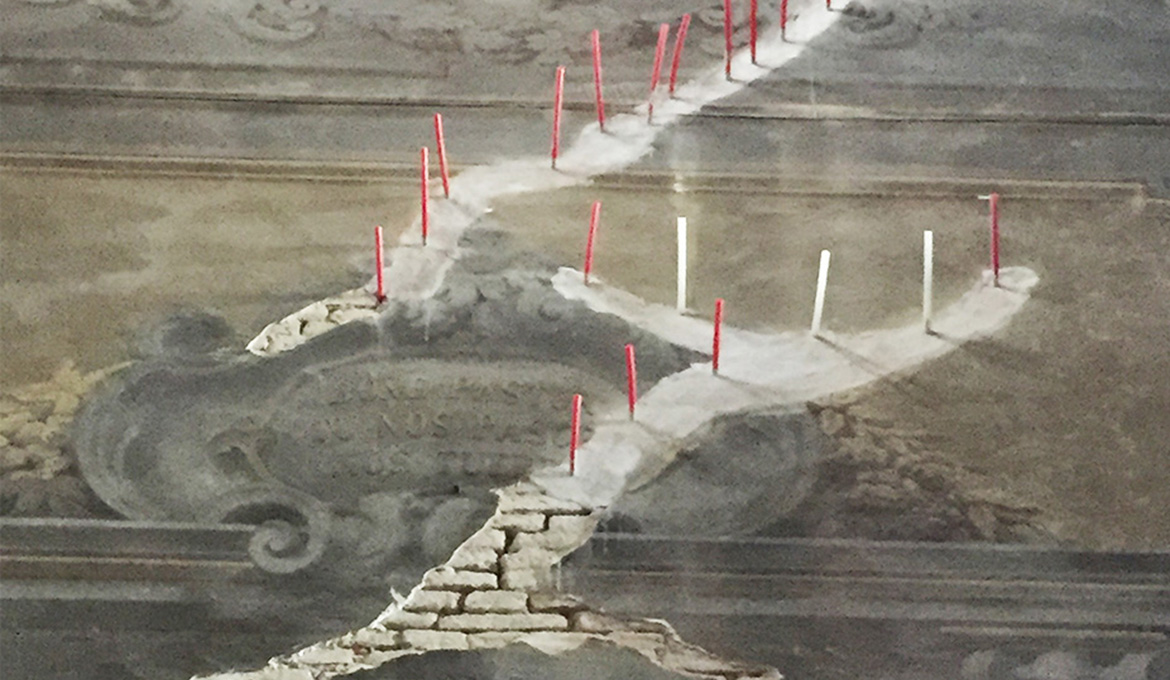
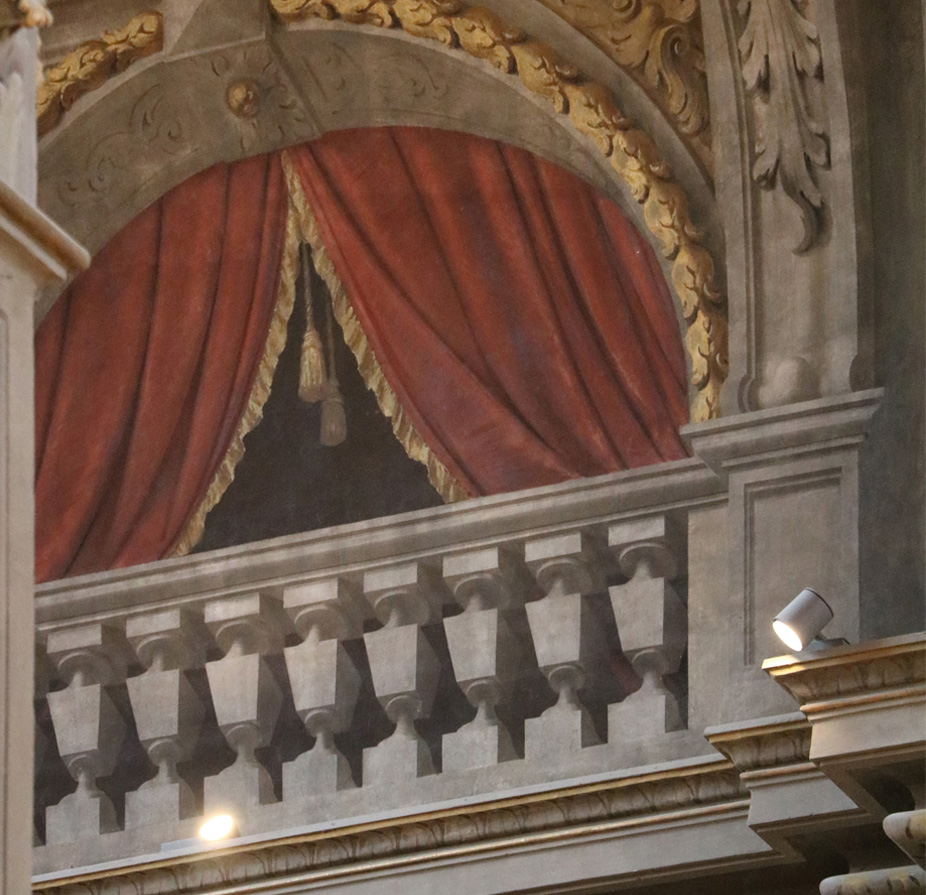
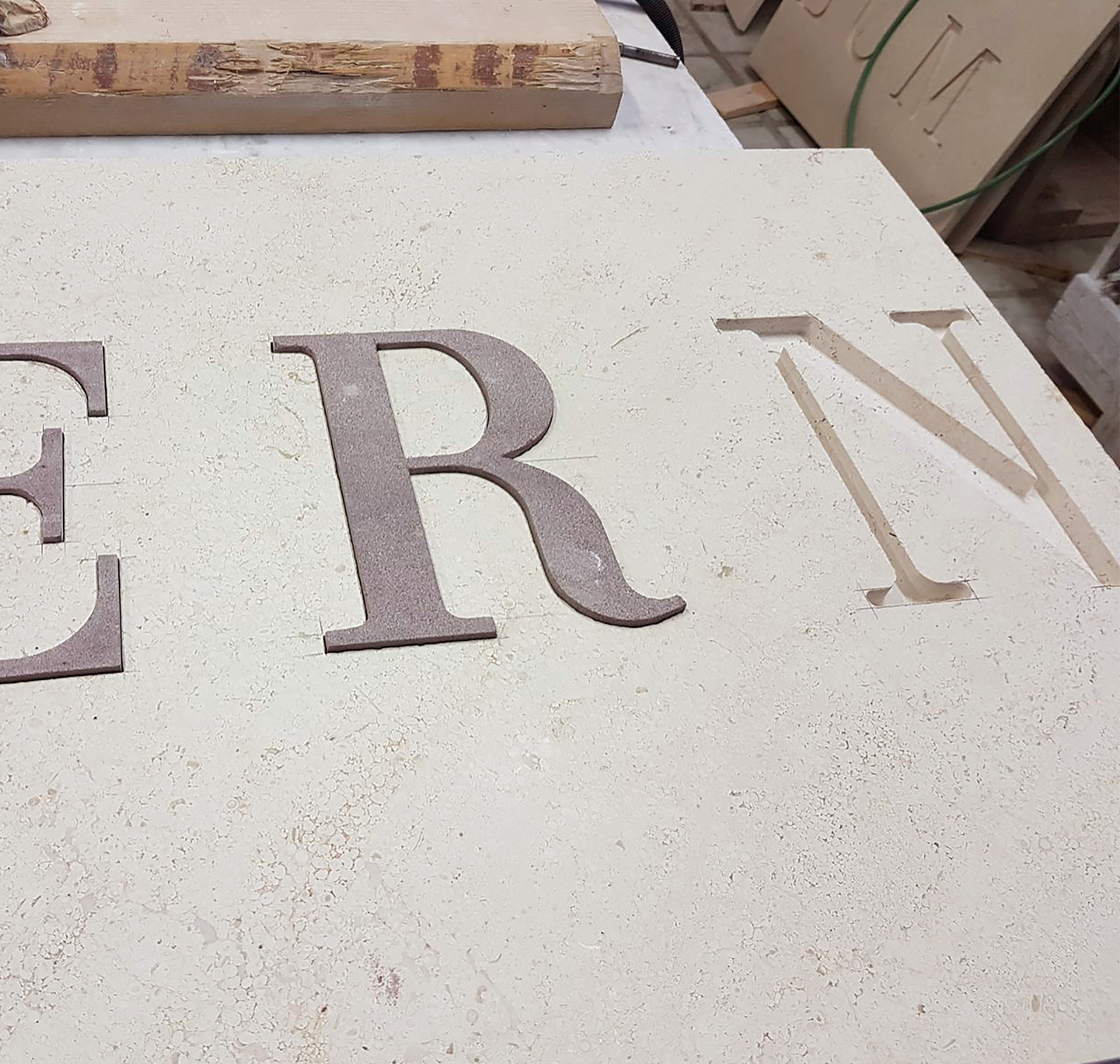
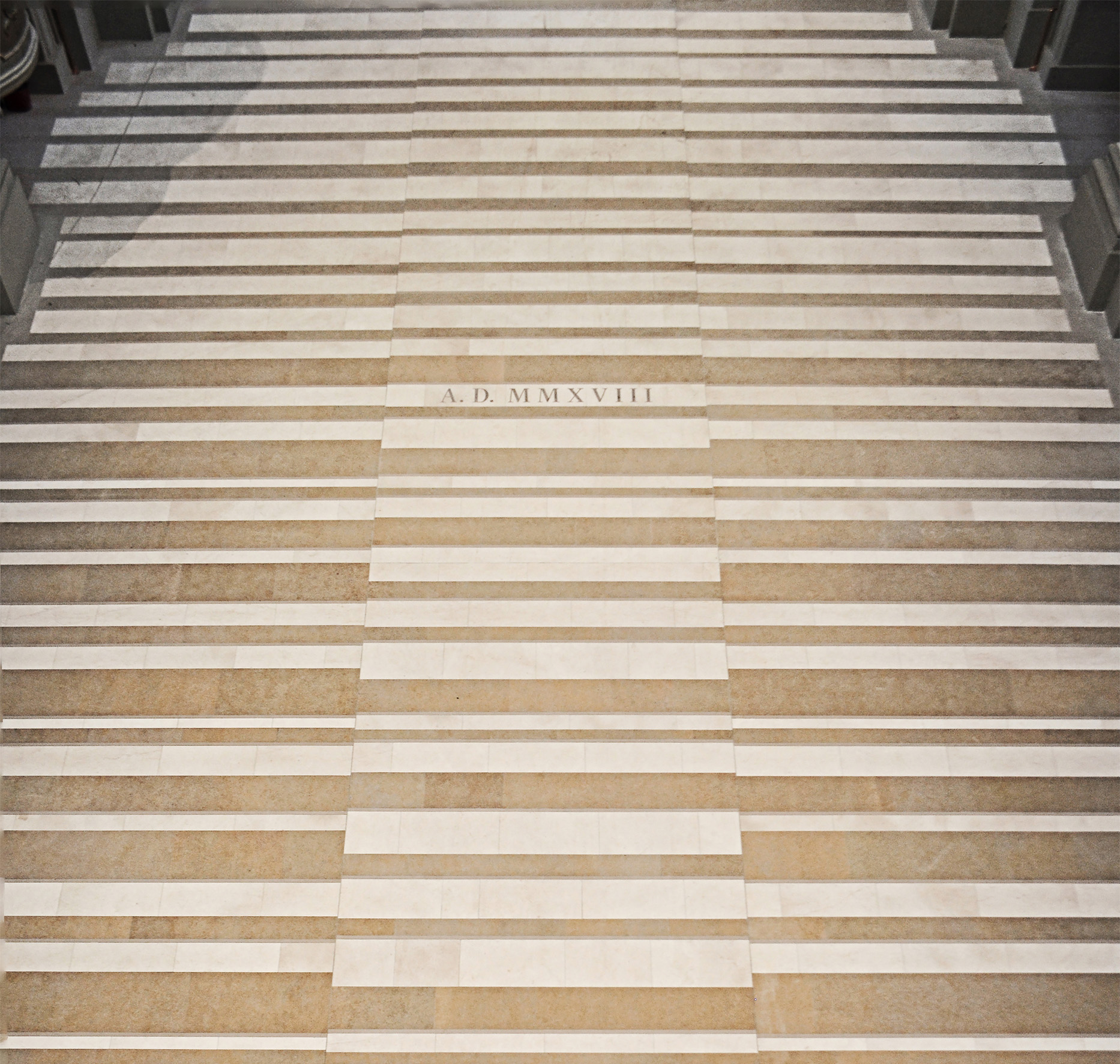
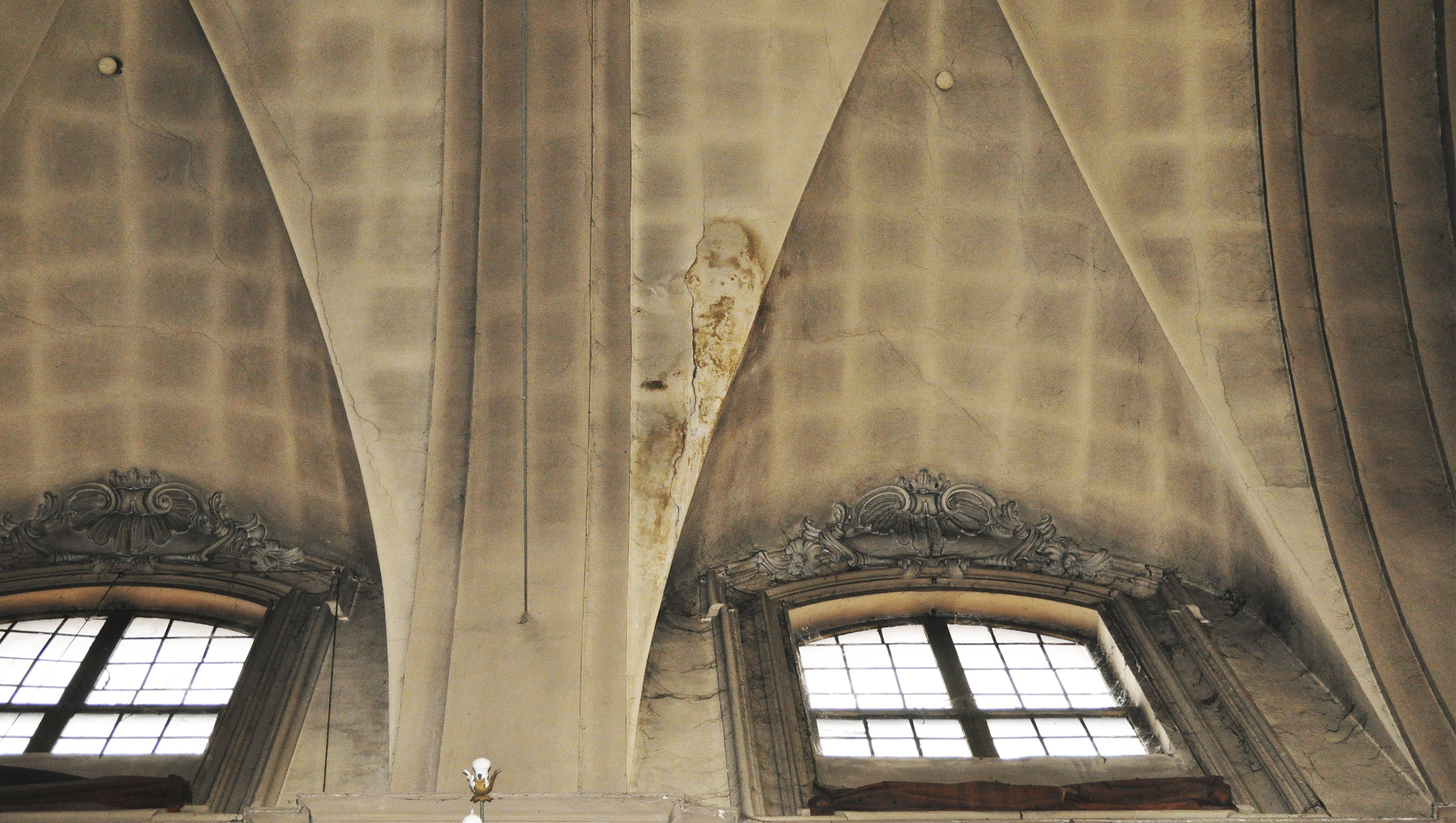
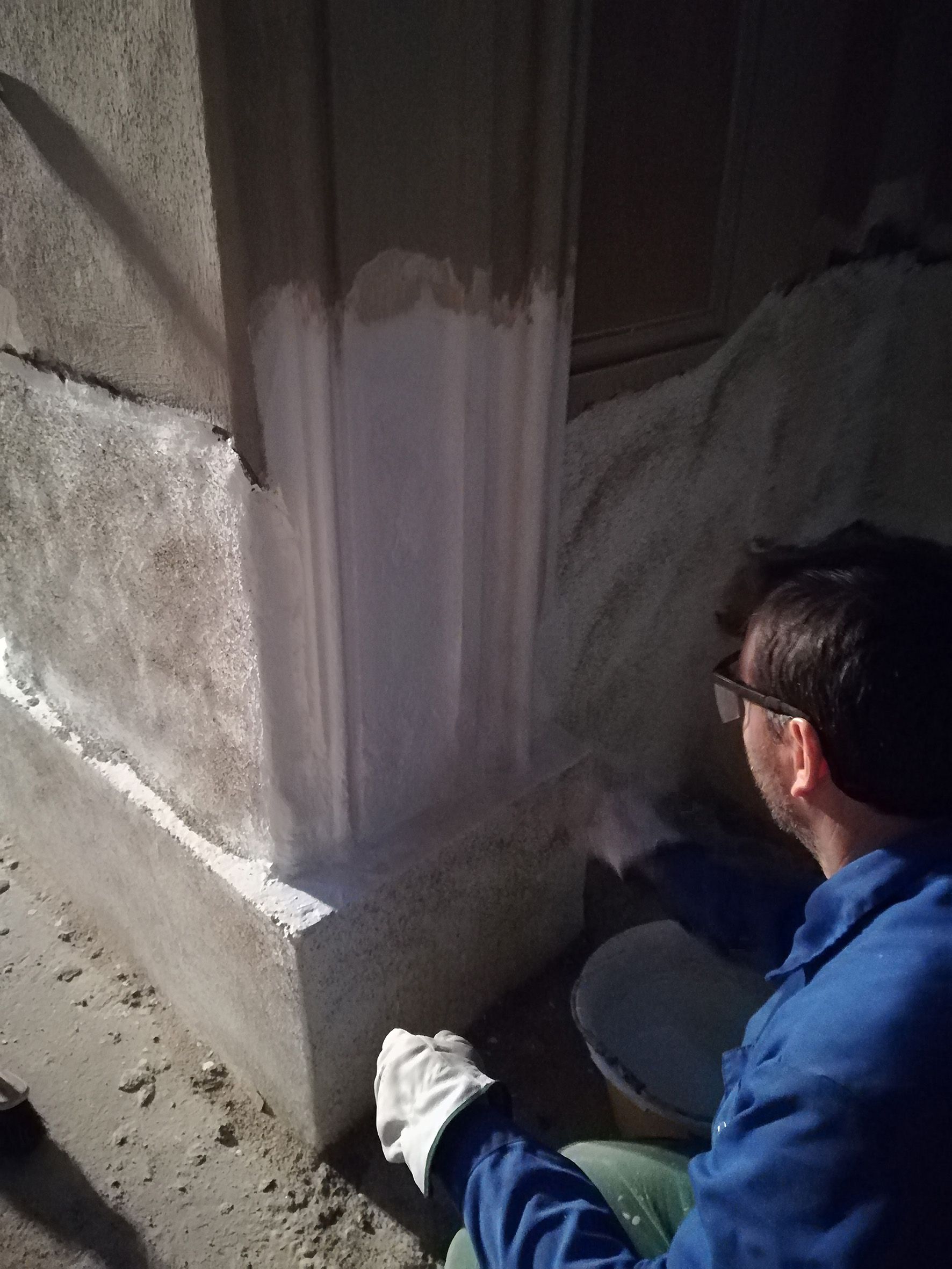
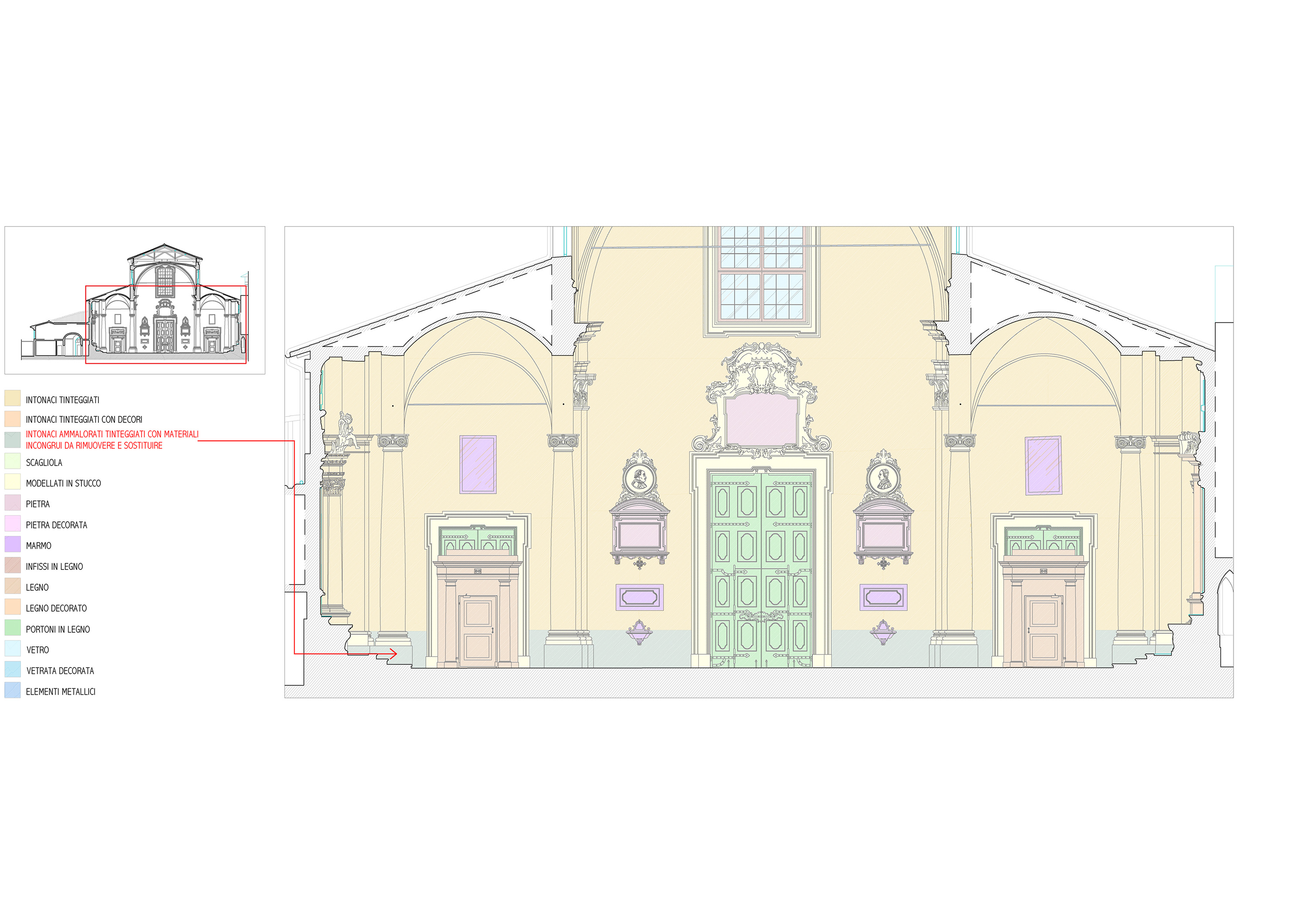
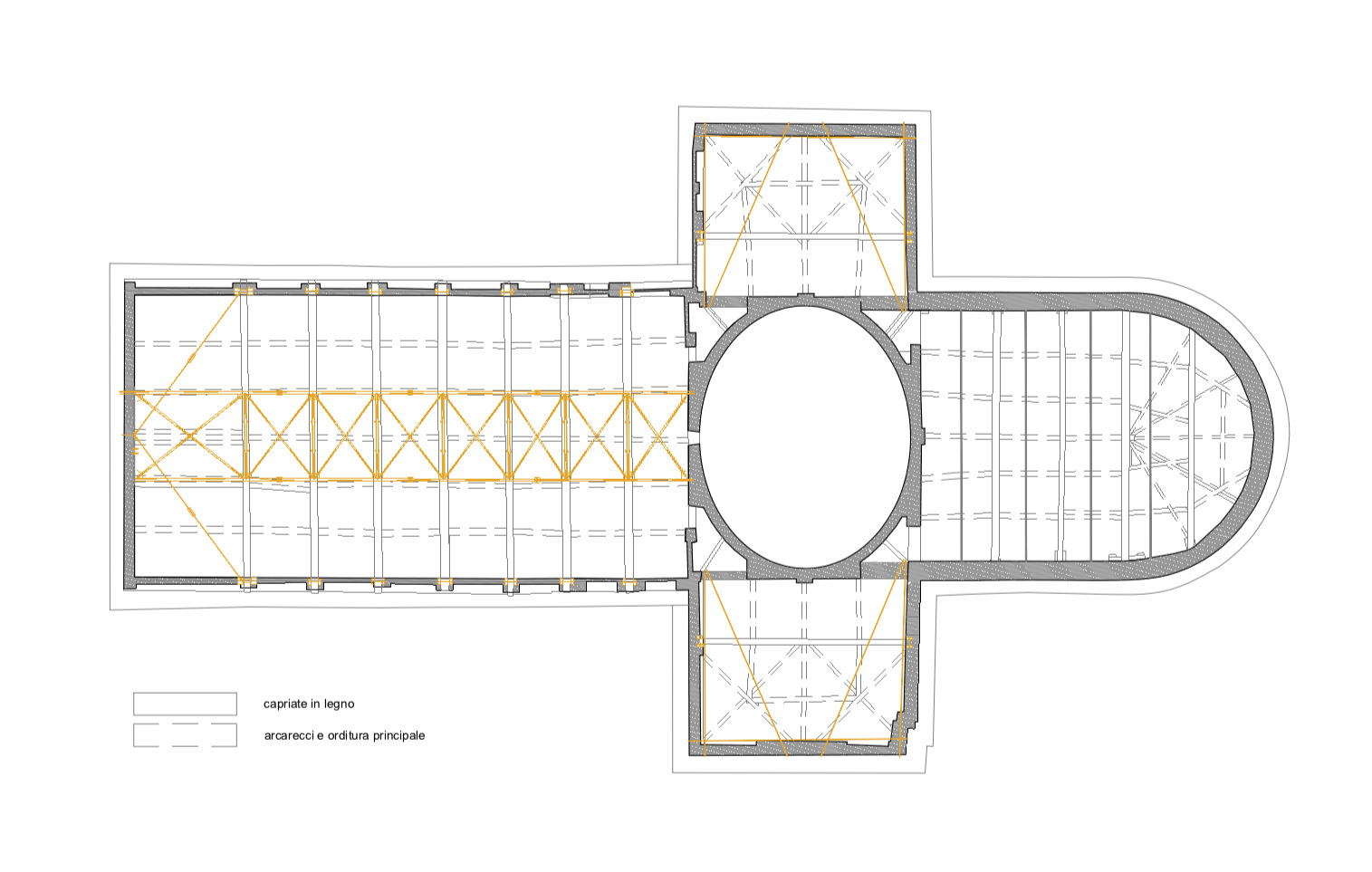
After the earthquake in Emilia in May 2012, the restoration and complete structural rehabilitation of the Basilica collegiata di San Biagio has extended to the new floorings and plant engineering equipment. The new floor derives its constitutive characteristics from those of the eighteenth-century space of the church rebuilt by Alfonso Torreggiani, trying not only to integrate it, but also to increase its legibility and reveal its relationship between the components. All the faithful have been embraced through a unitary project, even in the aisles. The natural stone dialogues with the historical architecture and respects the biblical symbologies. The hard sandstones better interpret the homogeneous shades of the church’s elevations. The columns have been connected by the floor, dividing the church into parallel bands in which slabs of different shades are alternated according to an incremental gradient, to suggest the gradual approach to the al- tar by decreasing the chromatic component. The choice of colours has been made in accordance with the decorations and the existing colours. On the central path the alternation of slabs is directed towards the altar, offering greater amount of white and hosting symbolic inserts along its axis. The six new inserts on the ground connect the floor and the historical decorations in elevation; in addition to the references to the decorations visible above ground, they also highlight the results of the archaeological excavations carried out during the works under the pre-existing pavements. The inner space of the church is interpreted to live dynamically, in which to discover the past and new additions moving inside. The result is the layering of all these different themes. The main structural and plant engineering works were carried out in such a way as to be as far as possible from view: the spaces between the vaults of the church and the roof, and the excavations under the floor, were exploited for this, as well as the opportunities offered by the thickness of the plaster.
Cronologia:
Fase di progetto: 2012-2015
Realizzazione: 2016-2018