Studio Haratori

Crediti
Cliente
Office Haratori
Collaboratori
Jurg Conzett
Mario Bleisch
Giovanni Menghini
Autori
Nahoko Hara, Zeno Vogel
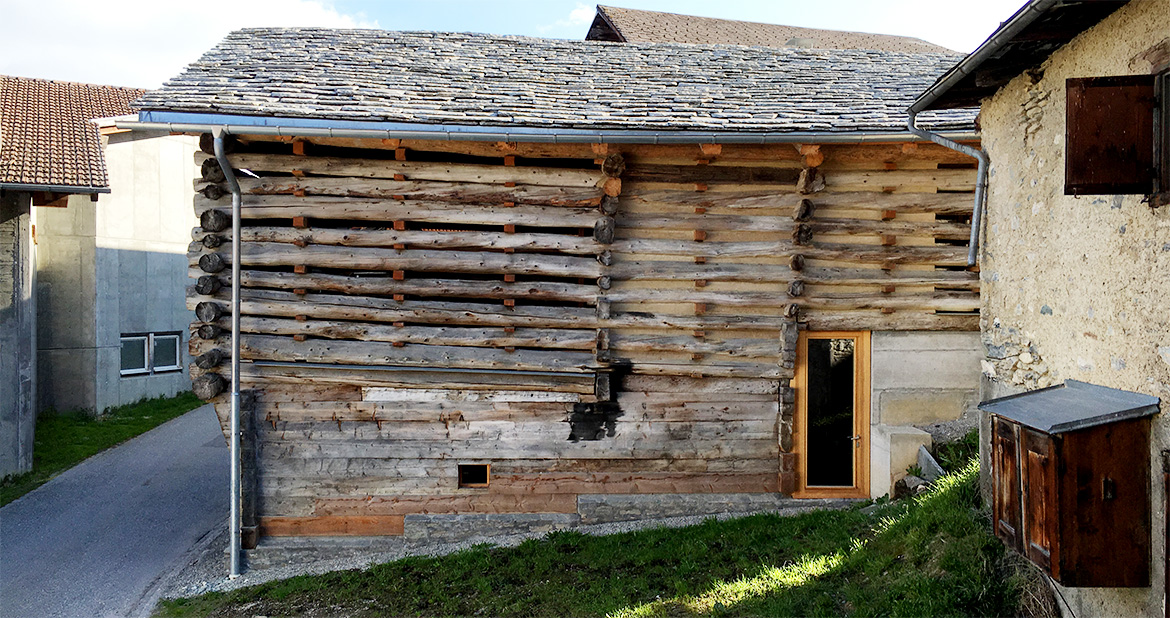
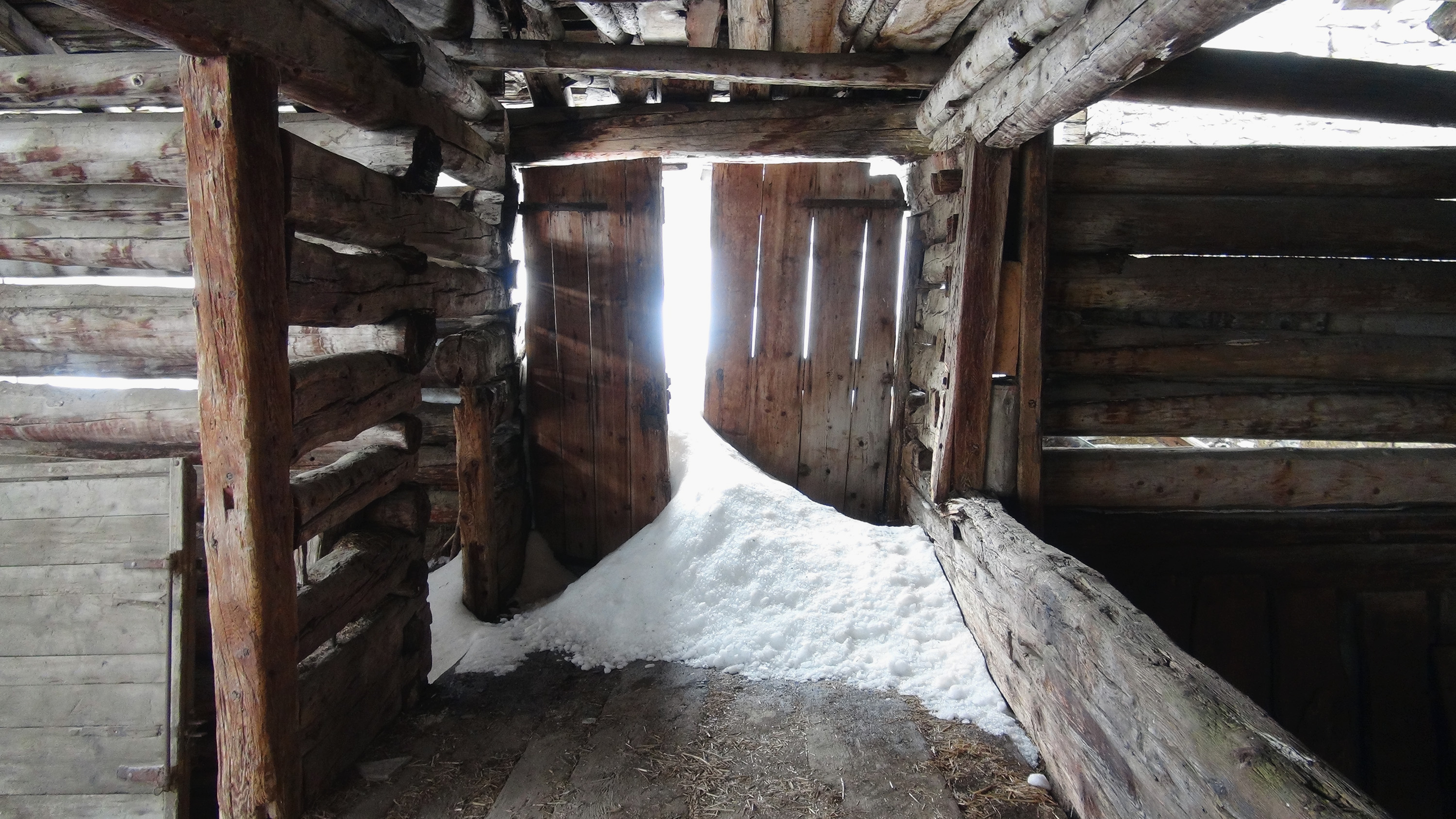
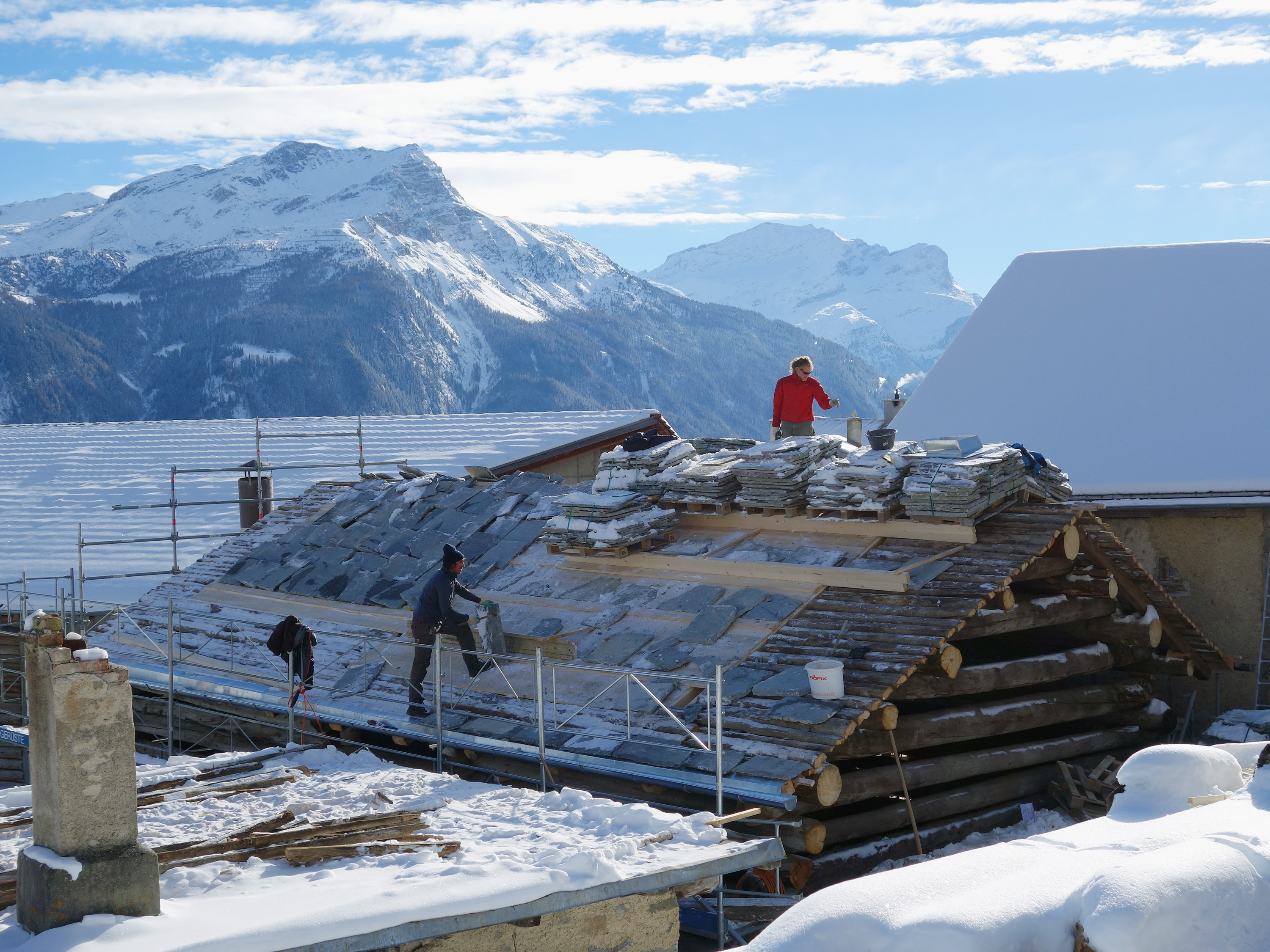
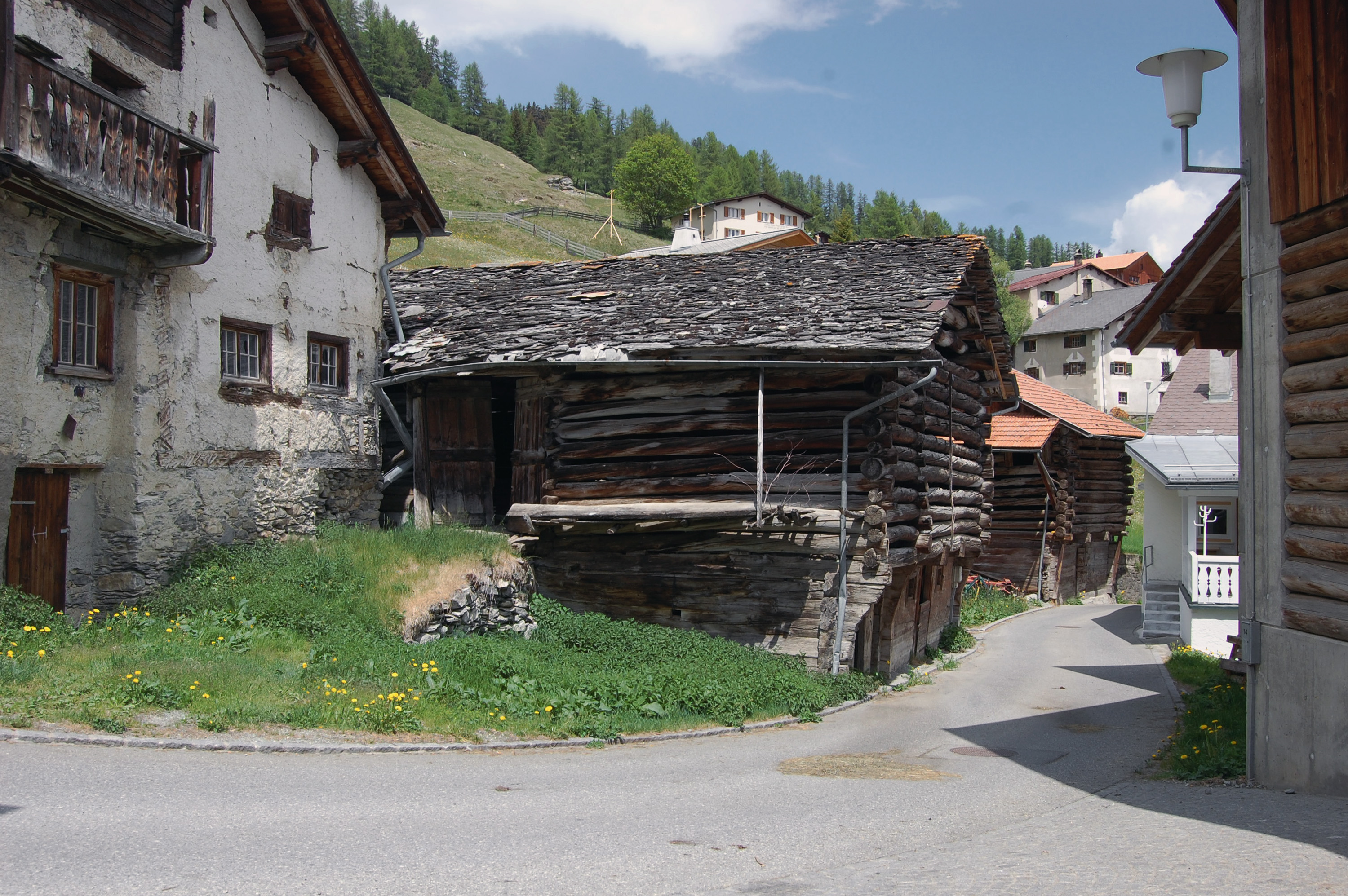
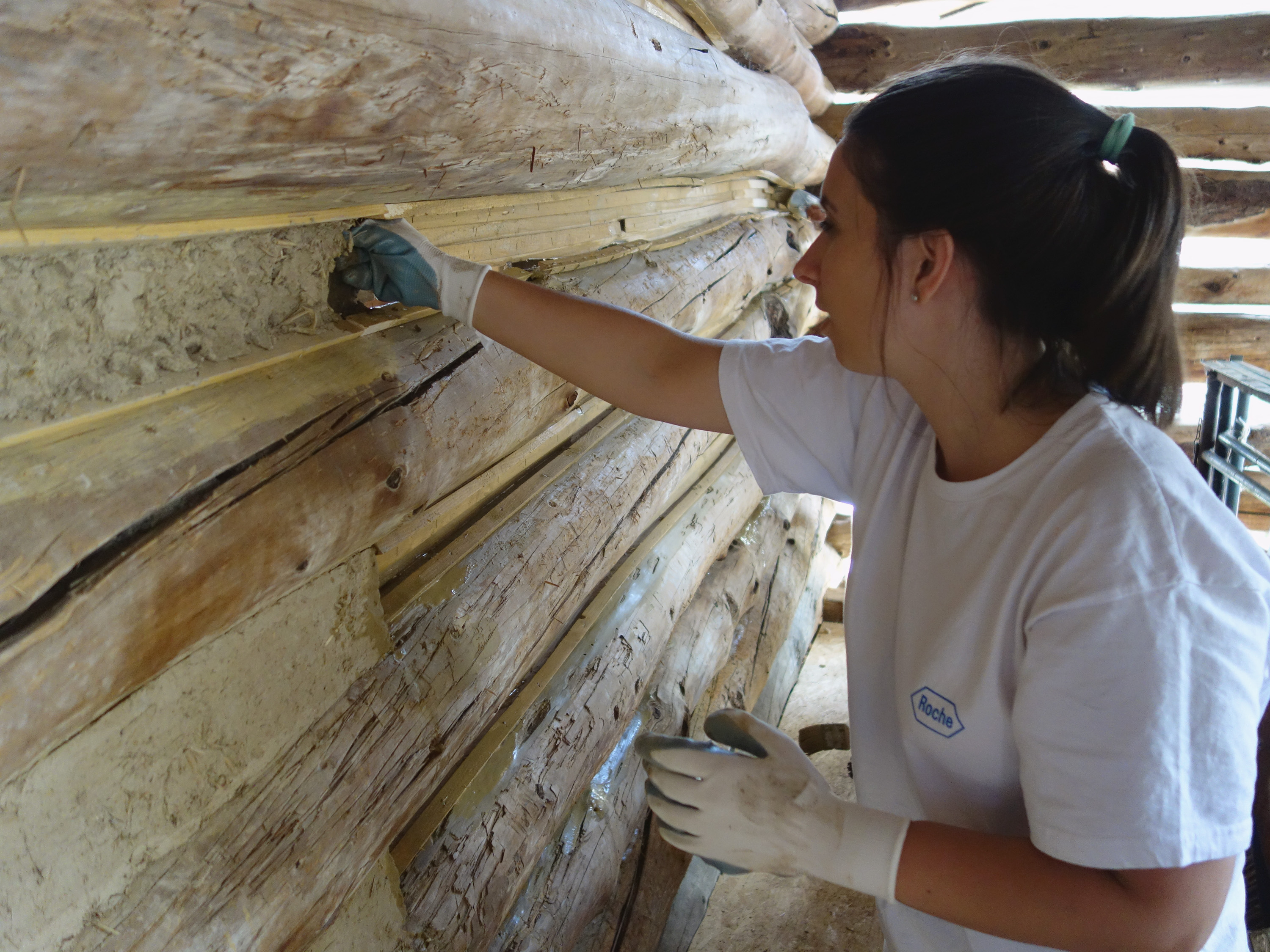
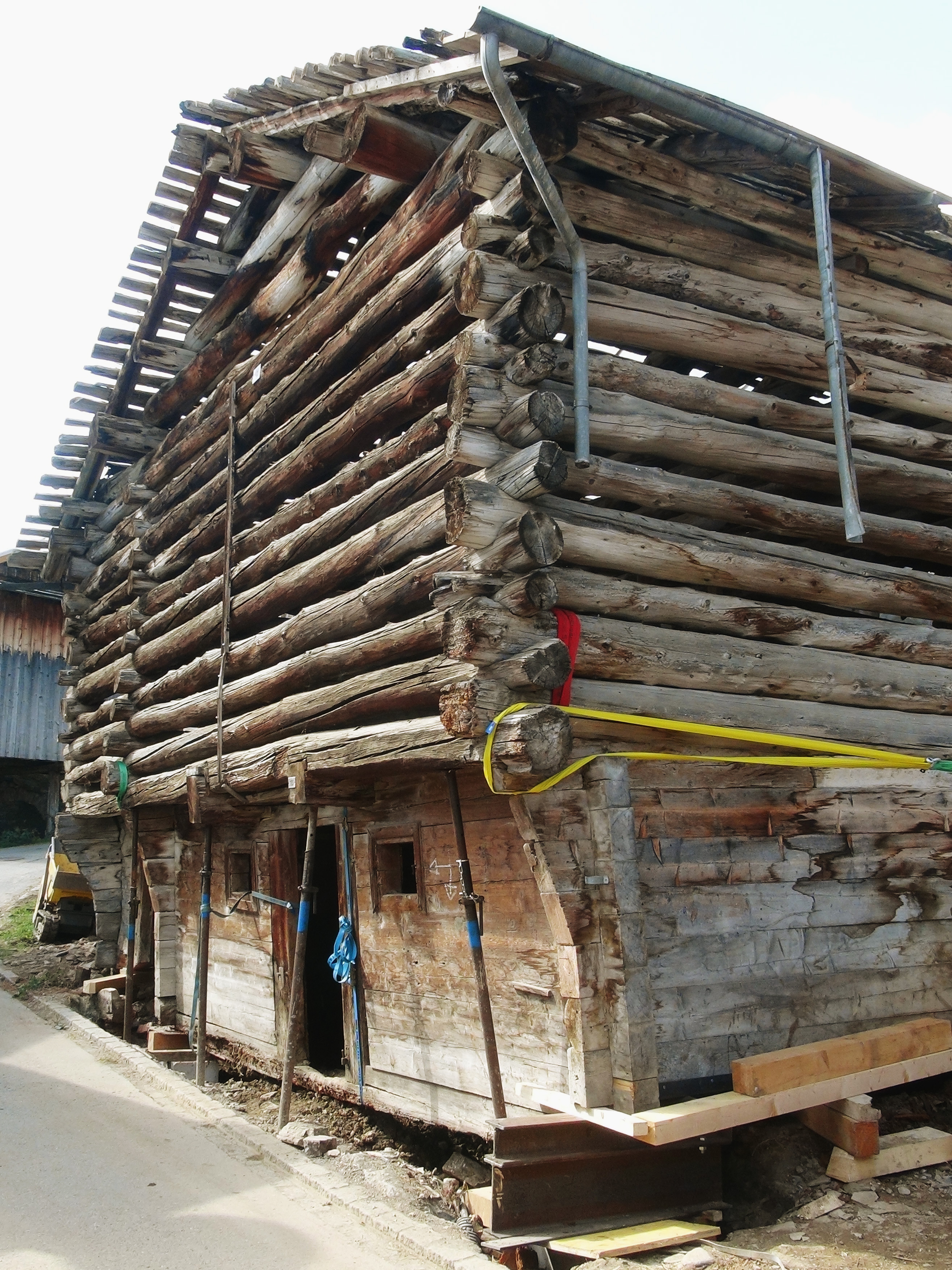
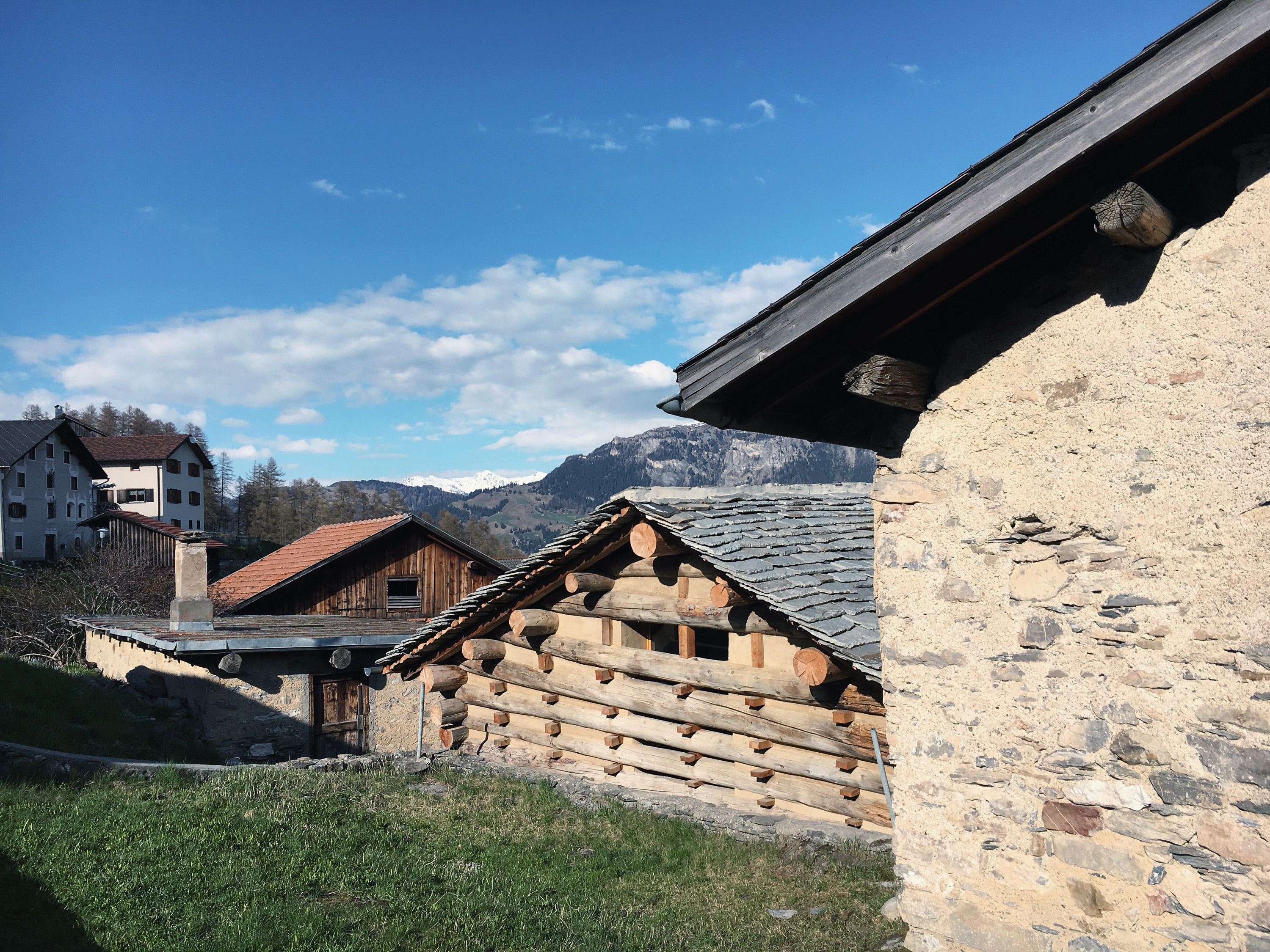
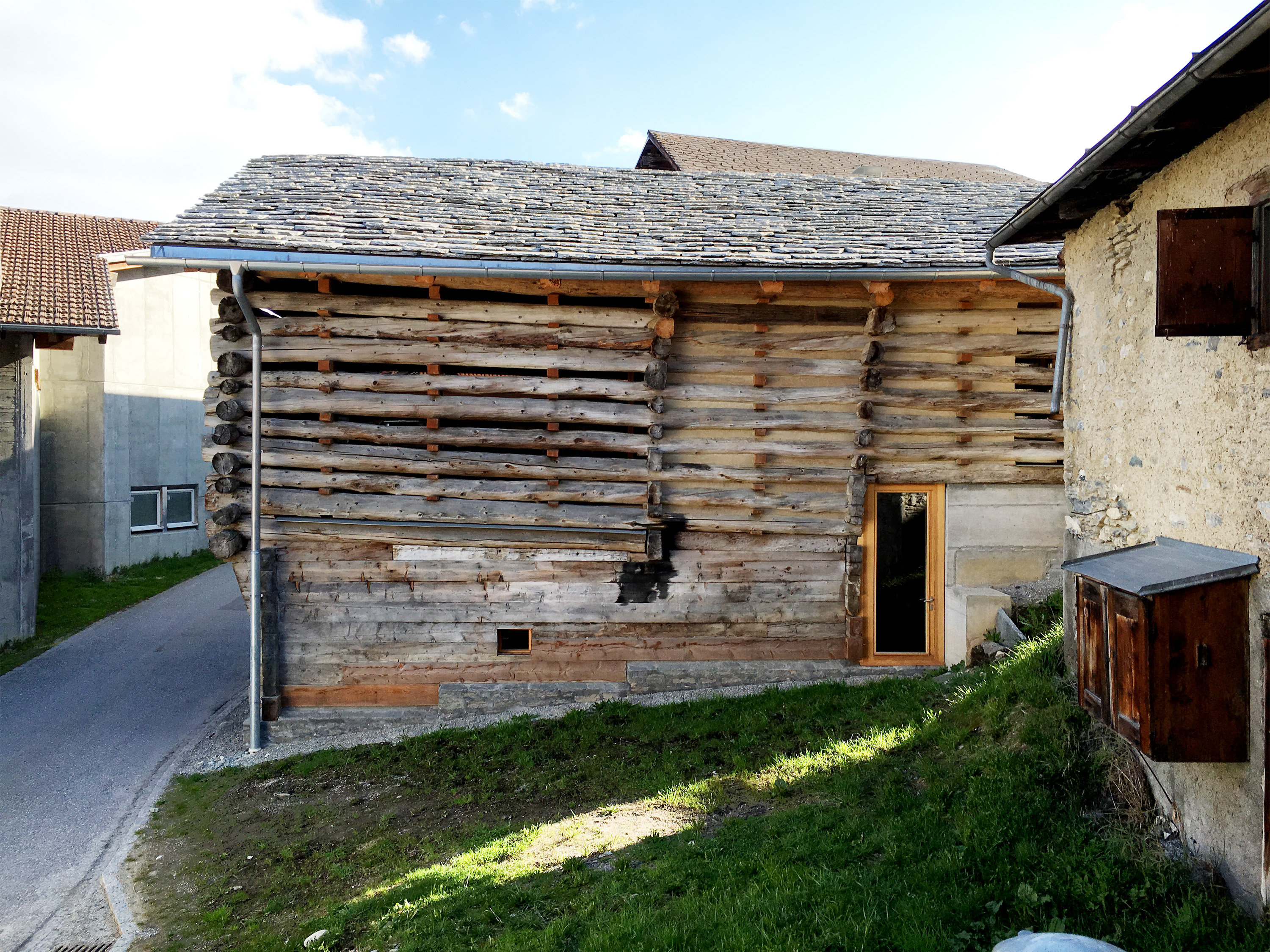
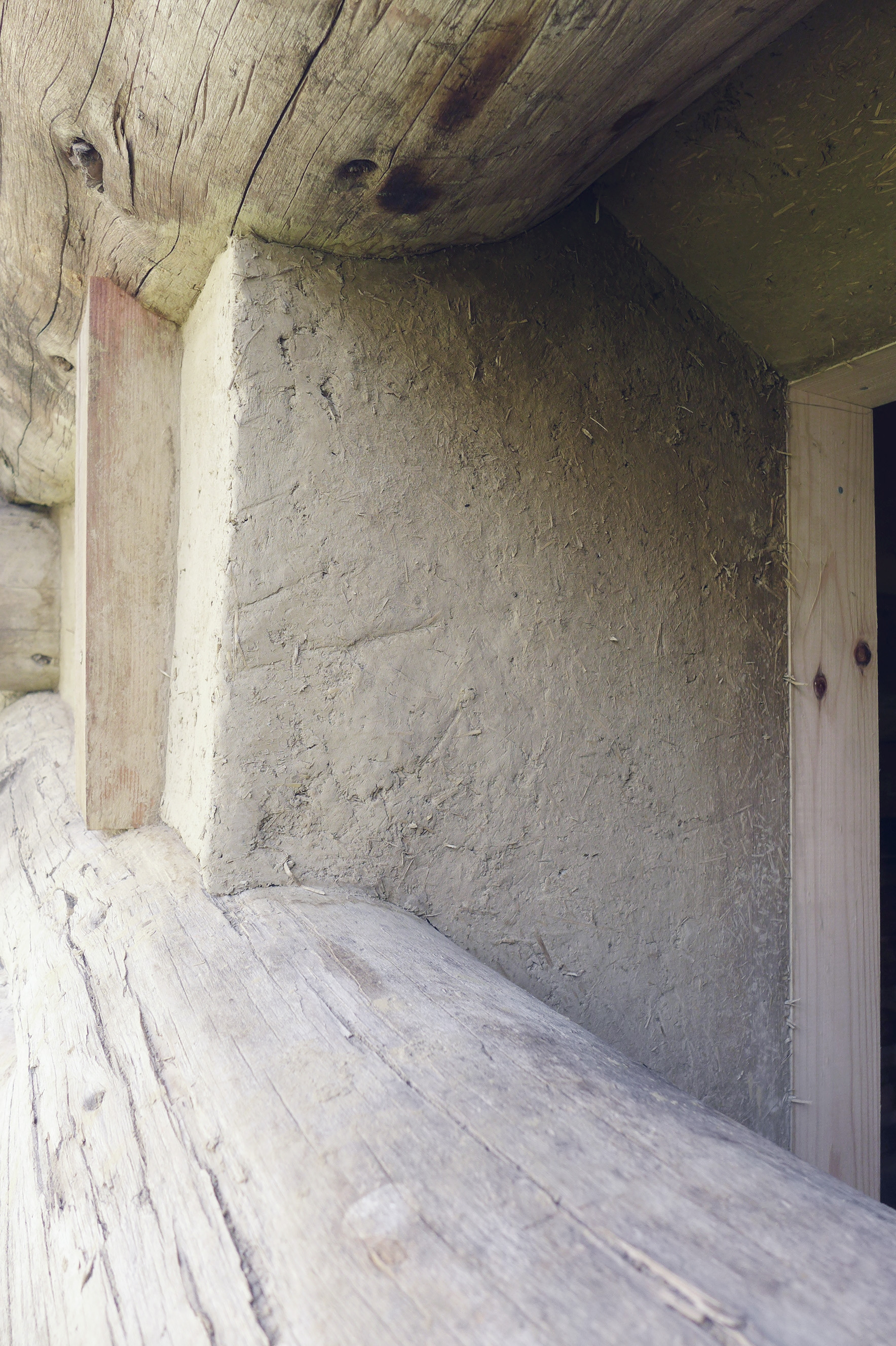
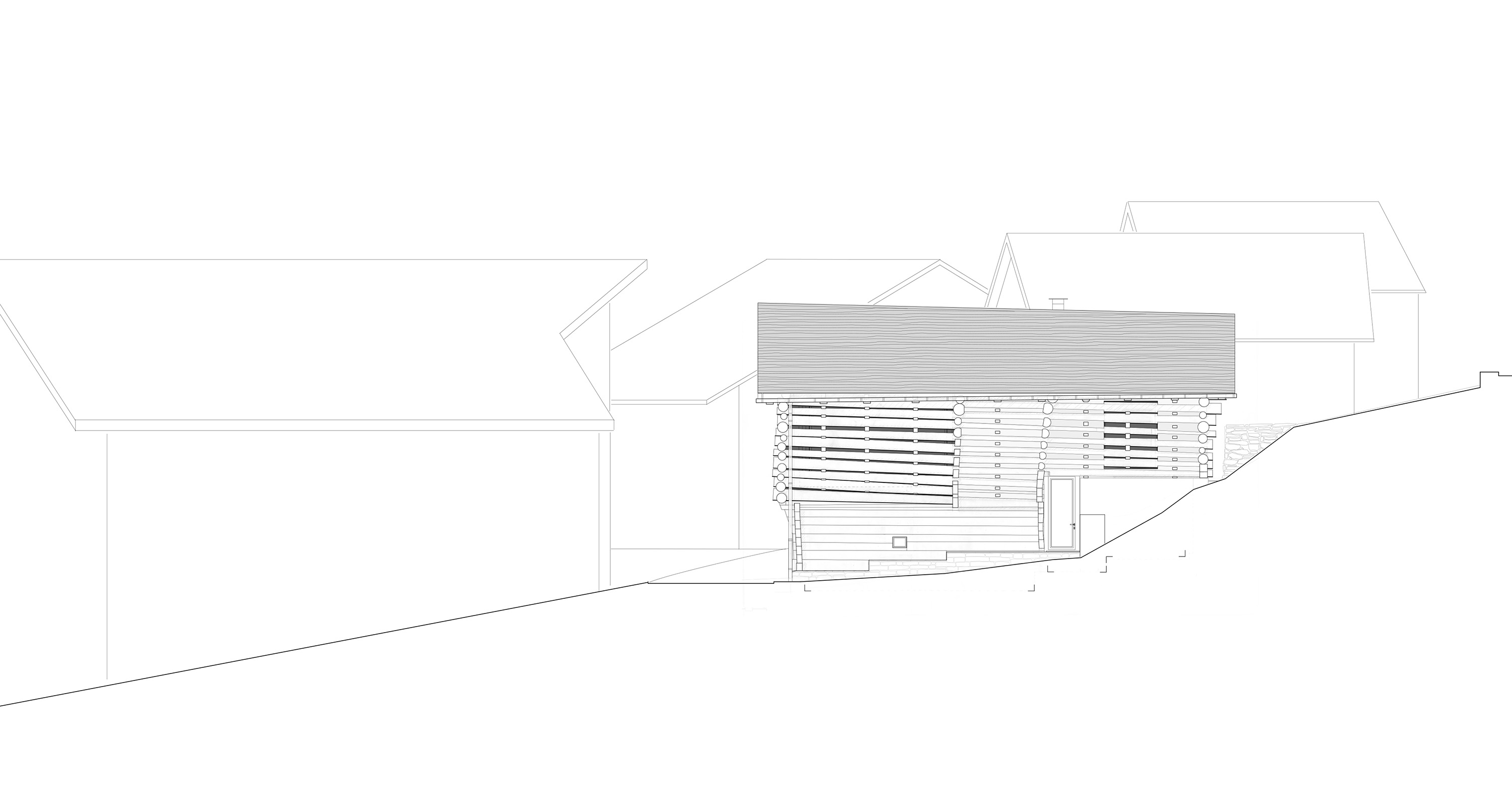
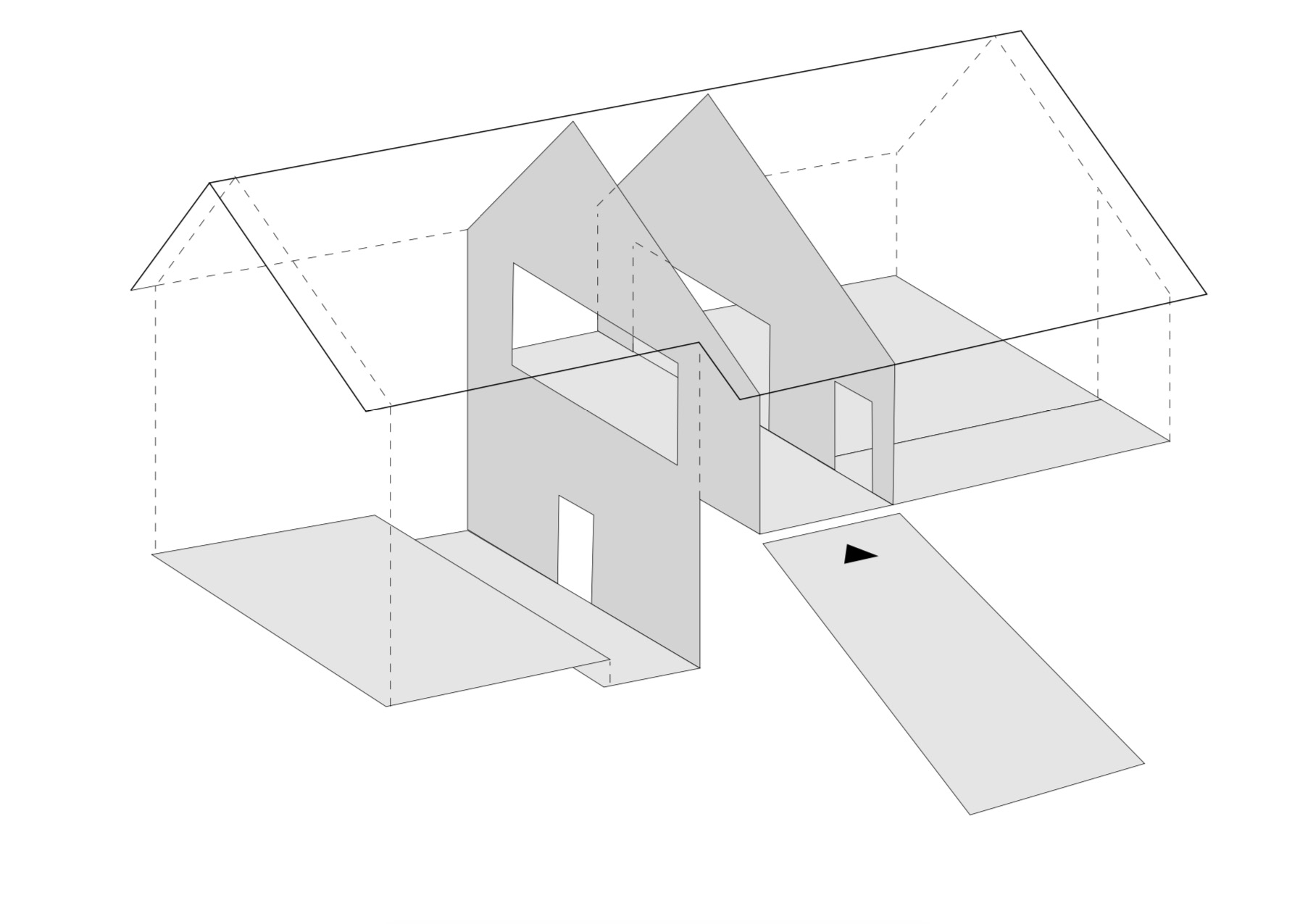
The hay barn in Mathon is a striking example of a typology built by travelling carpenters (the “Valser”) from the 16th century onwards. Those “prefabricated” log houses were changed in time, extended, partially rebuilt for repair or dislocated and rebuilt elsewere. The oldest parts of the barn might be around 300 years old and, according to the wood work quality in the lower part of the building, the stables has been rebuilt below the original hay part after second world war.
Disegni tecnici:
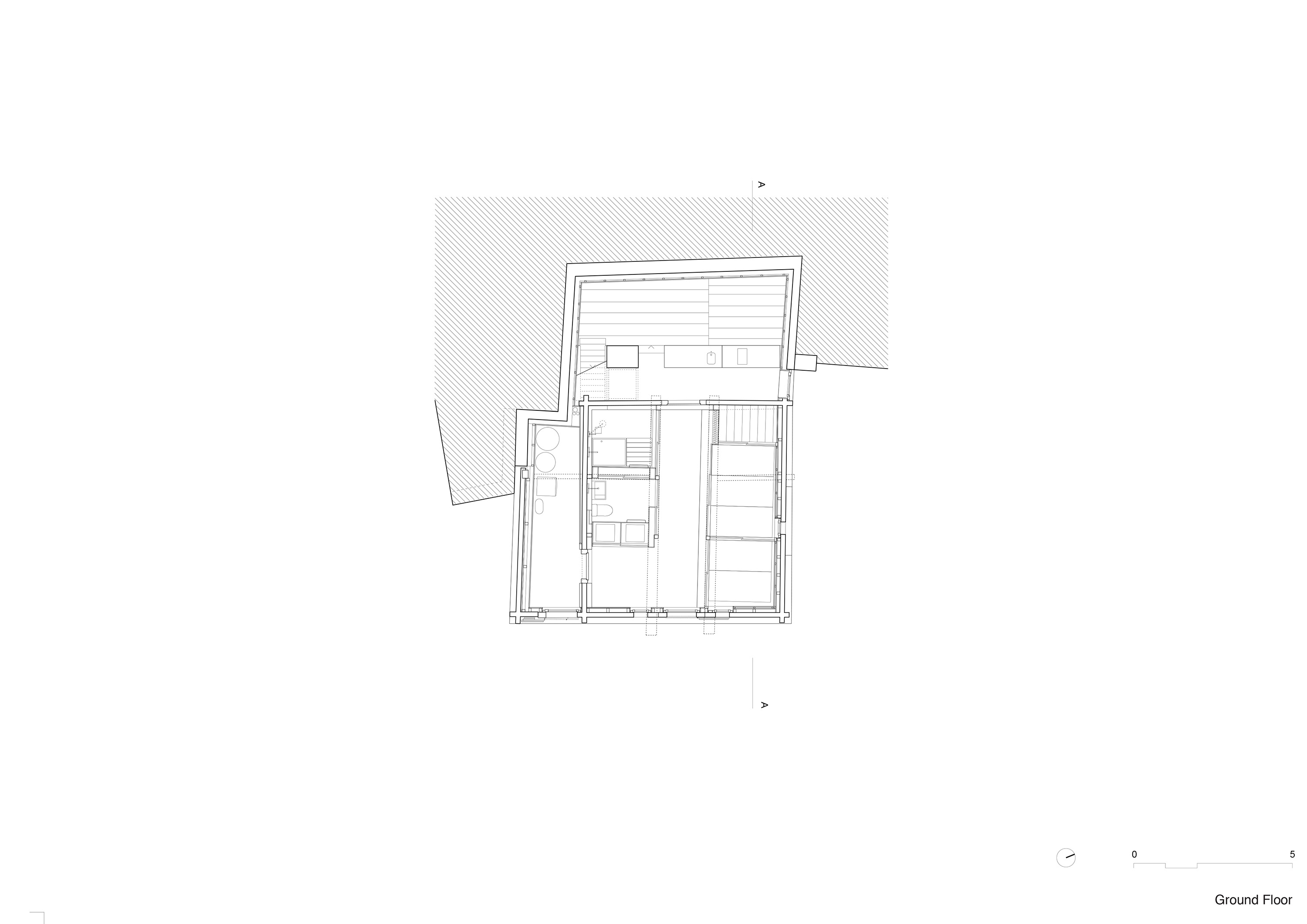
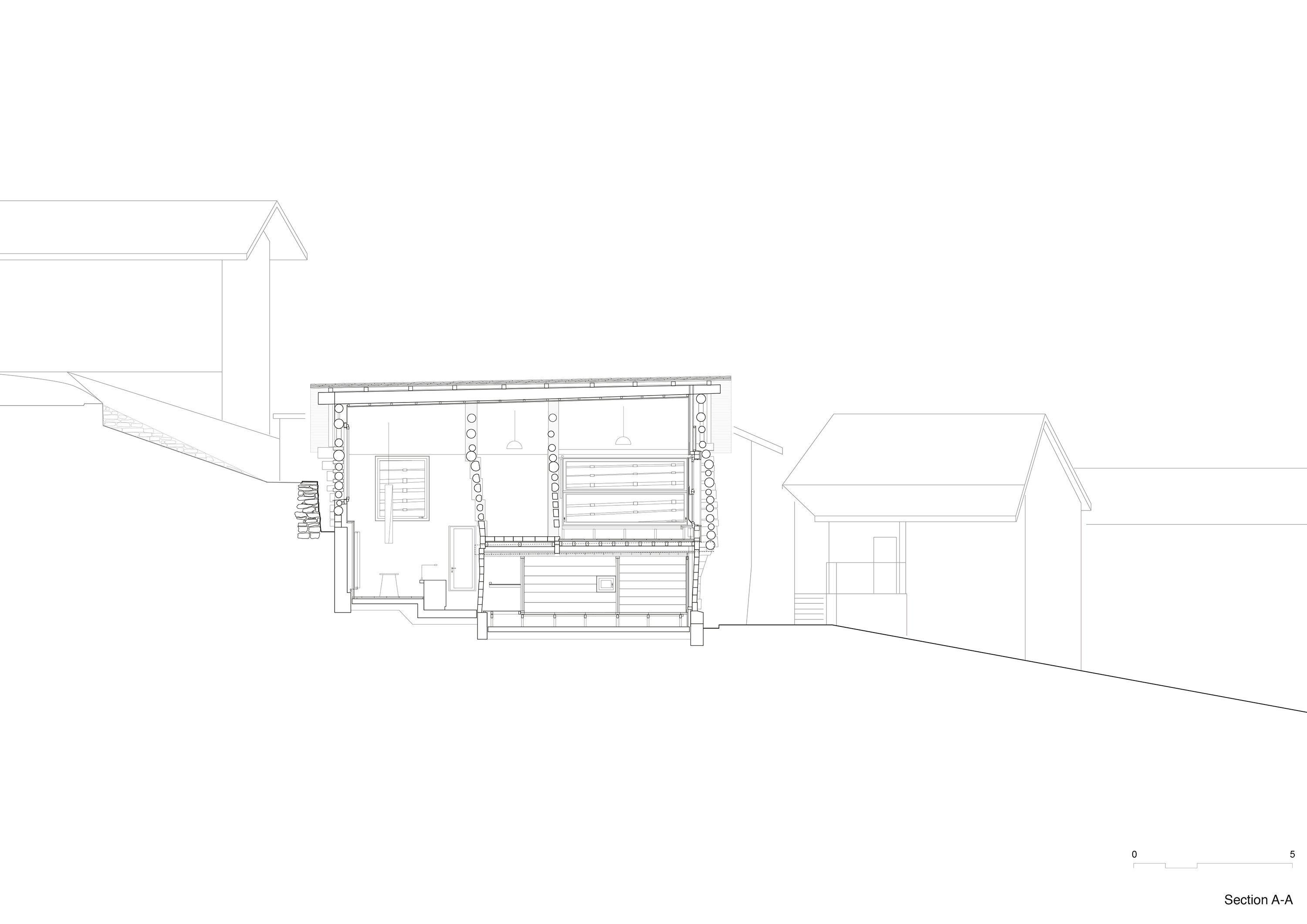
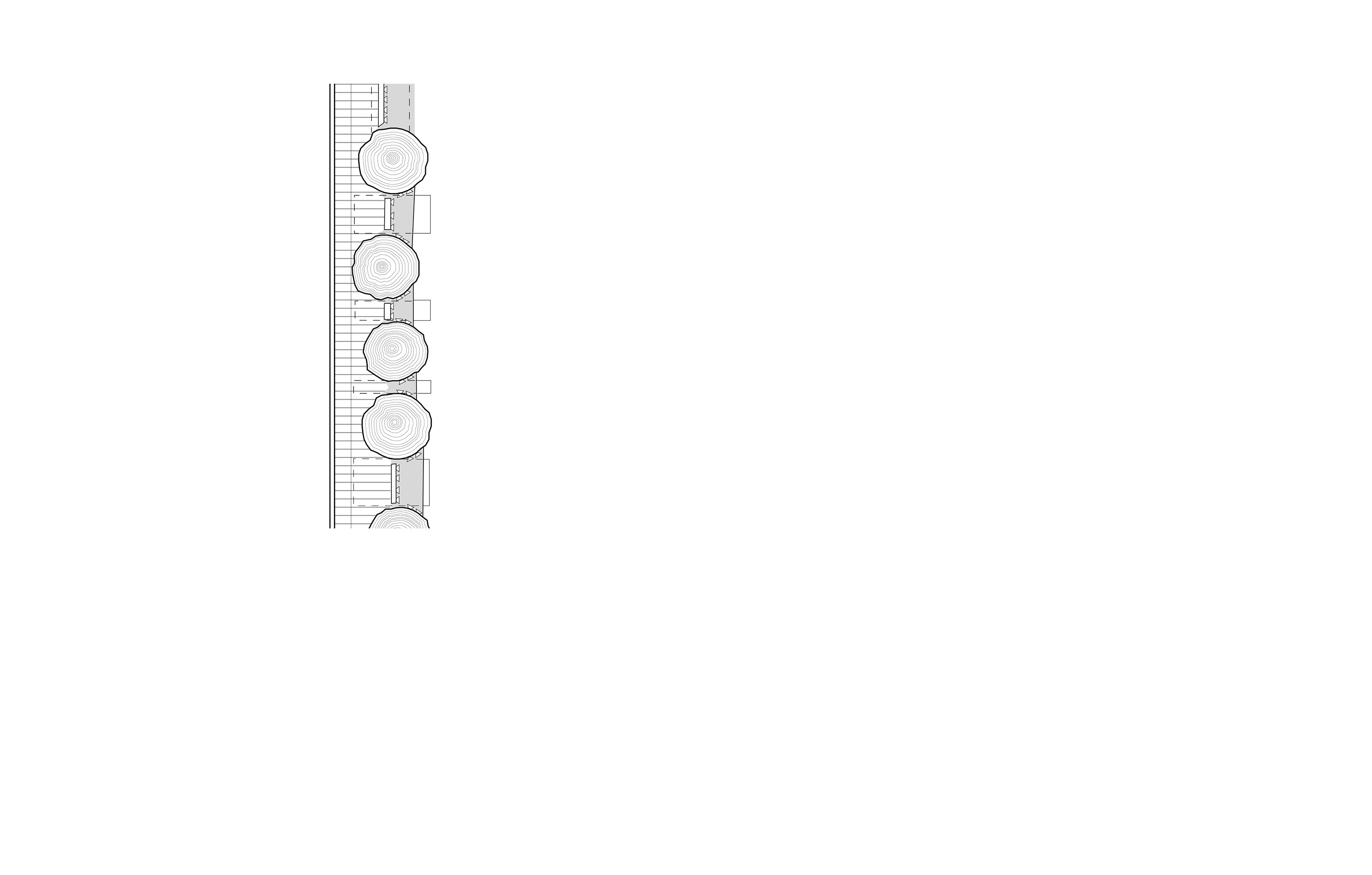
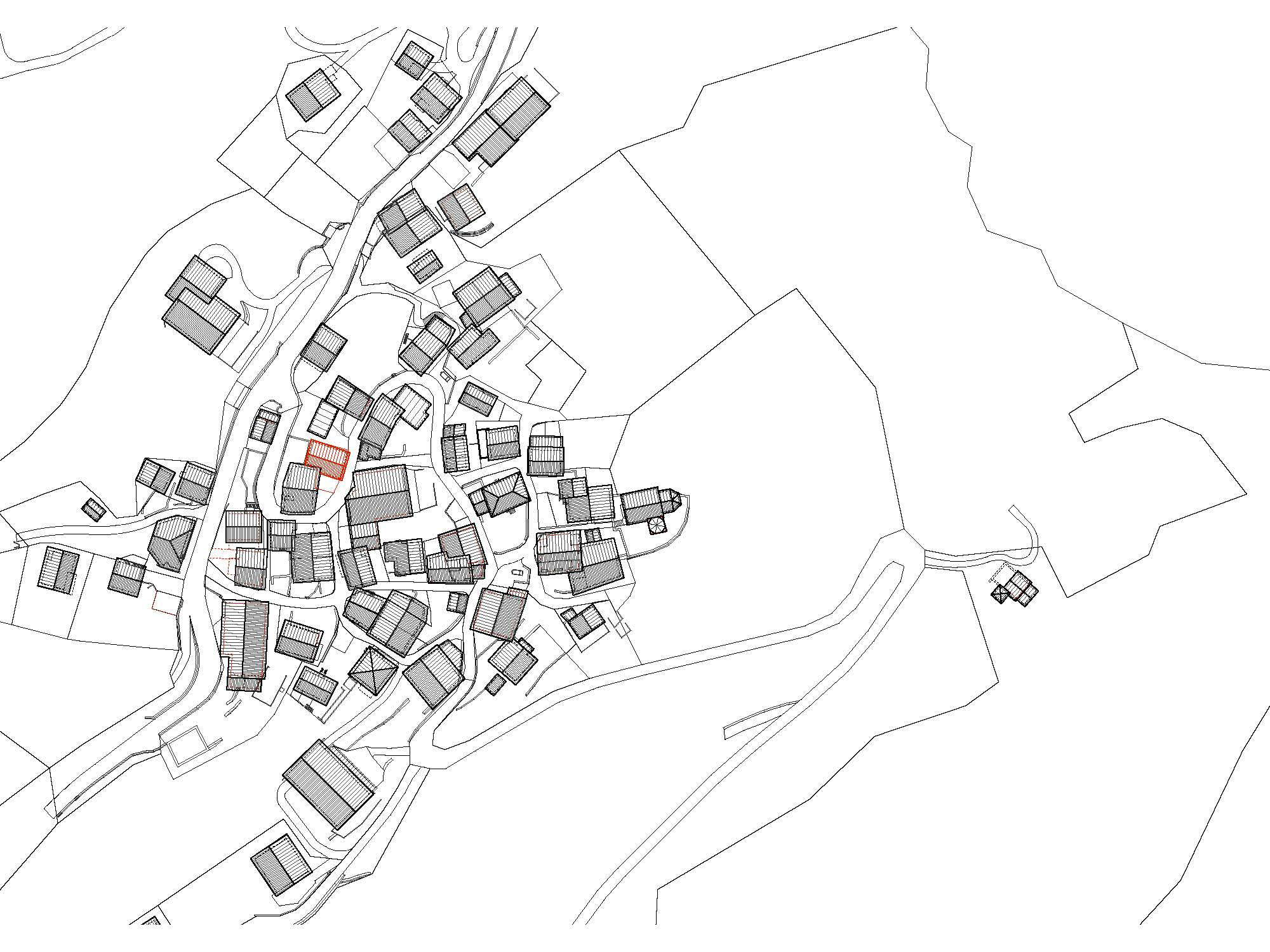
Report esteso:
Relazione estesa
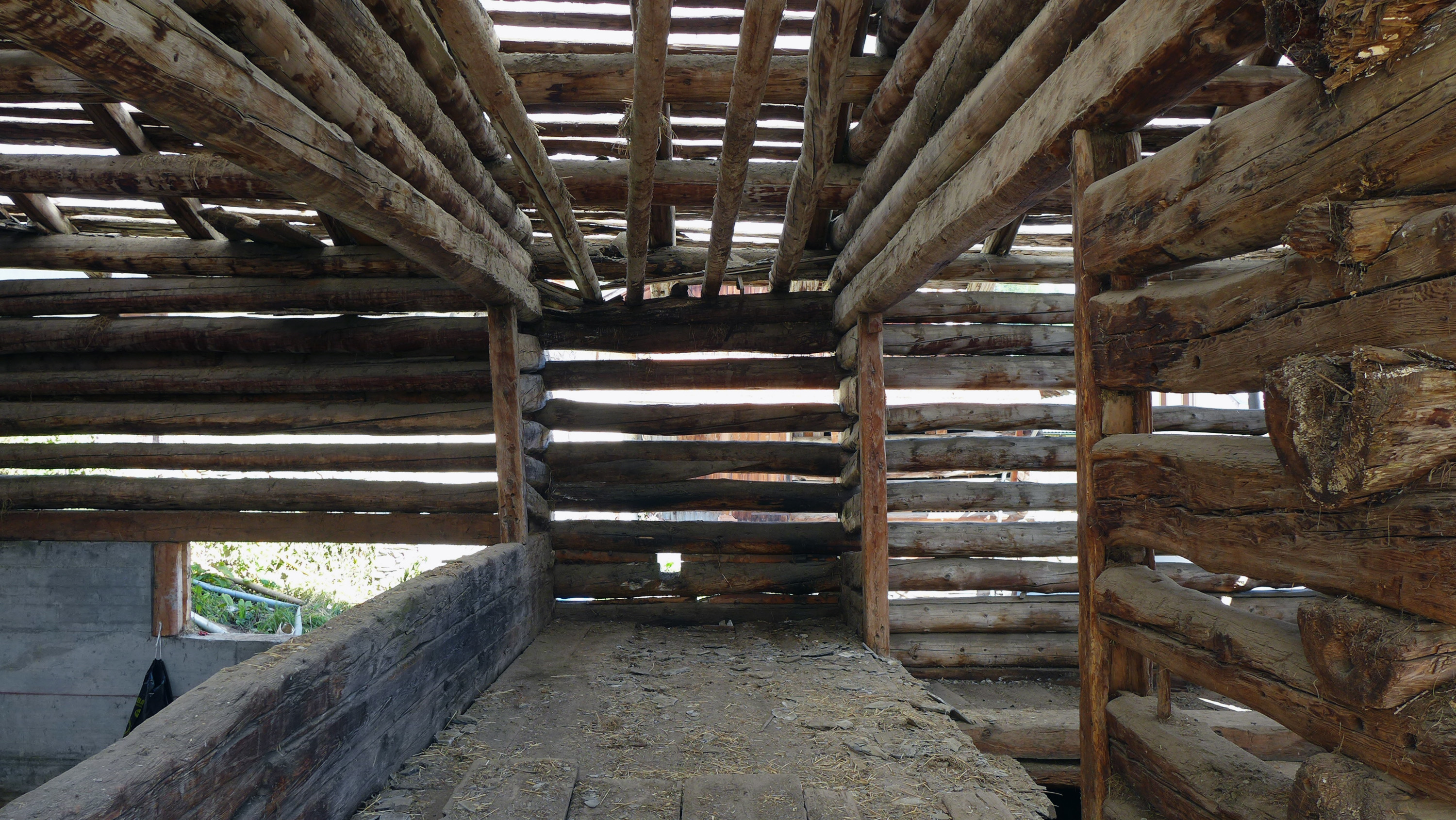
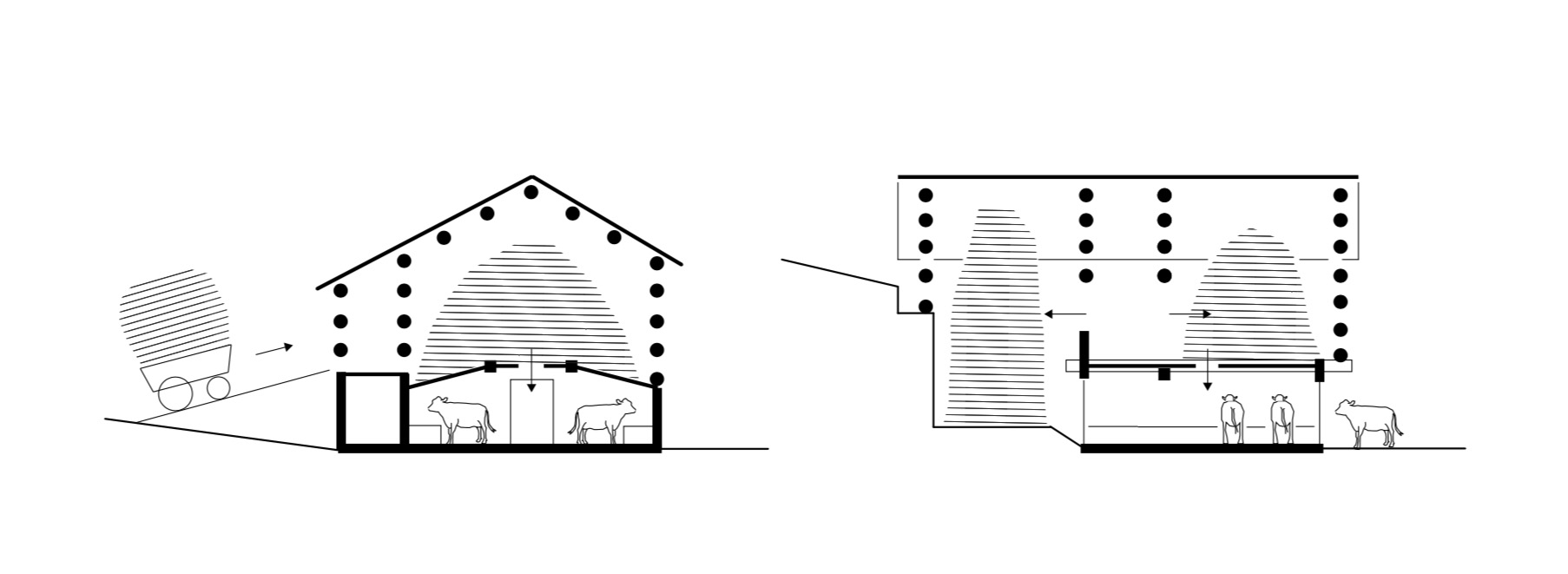
In the course of our work we found a wooden barn, decaying and useless, but whose demolition would have left an open, unfillable void in a decisive position in the village fabric. The structure had lost its function of sheltering cattle, as well as storing and drying hay. Instead it revealed the spatial qualities of an ancient building typology open for other uses.
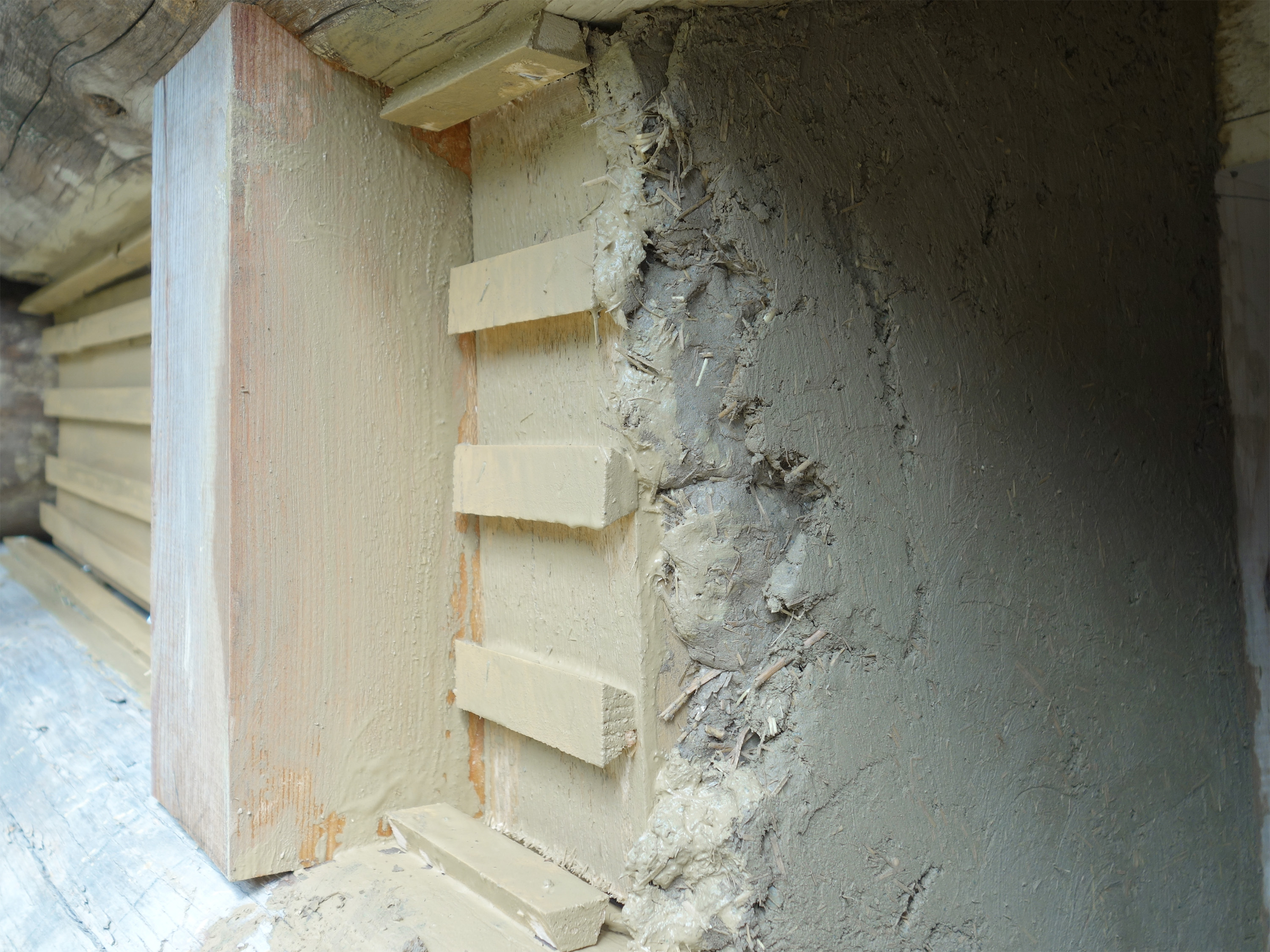
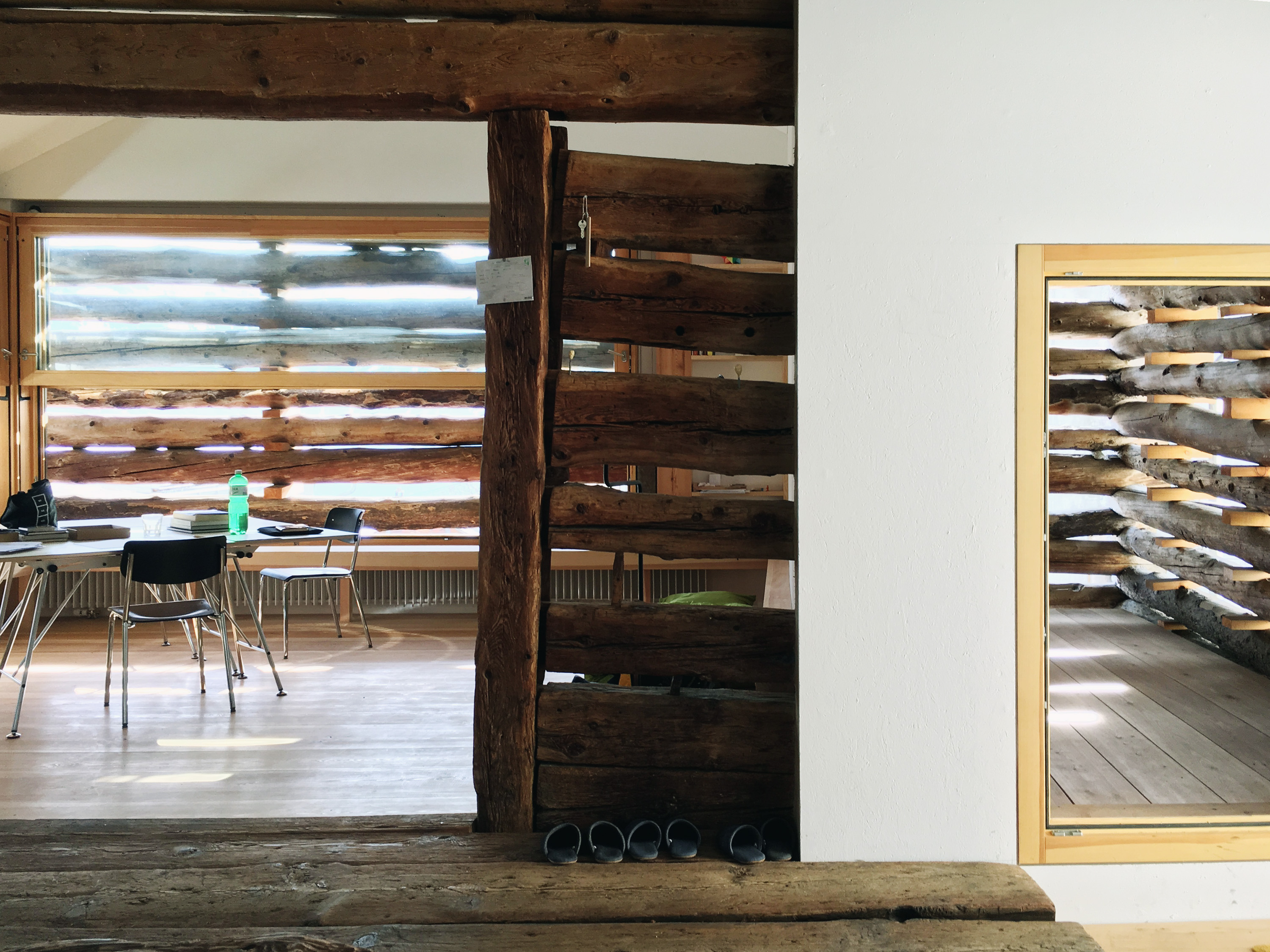
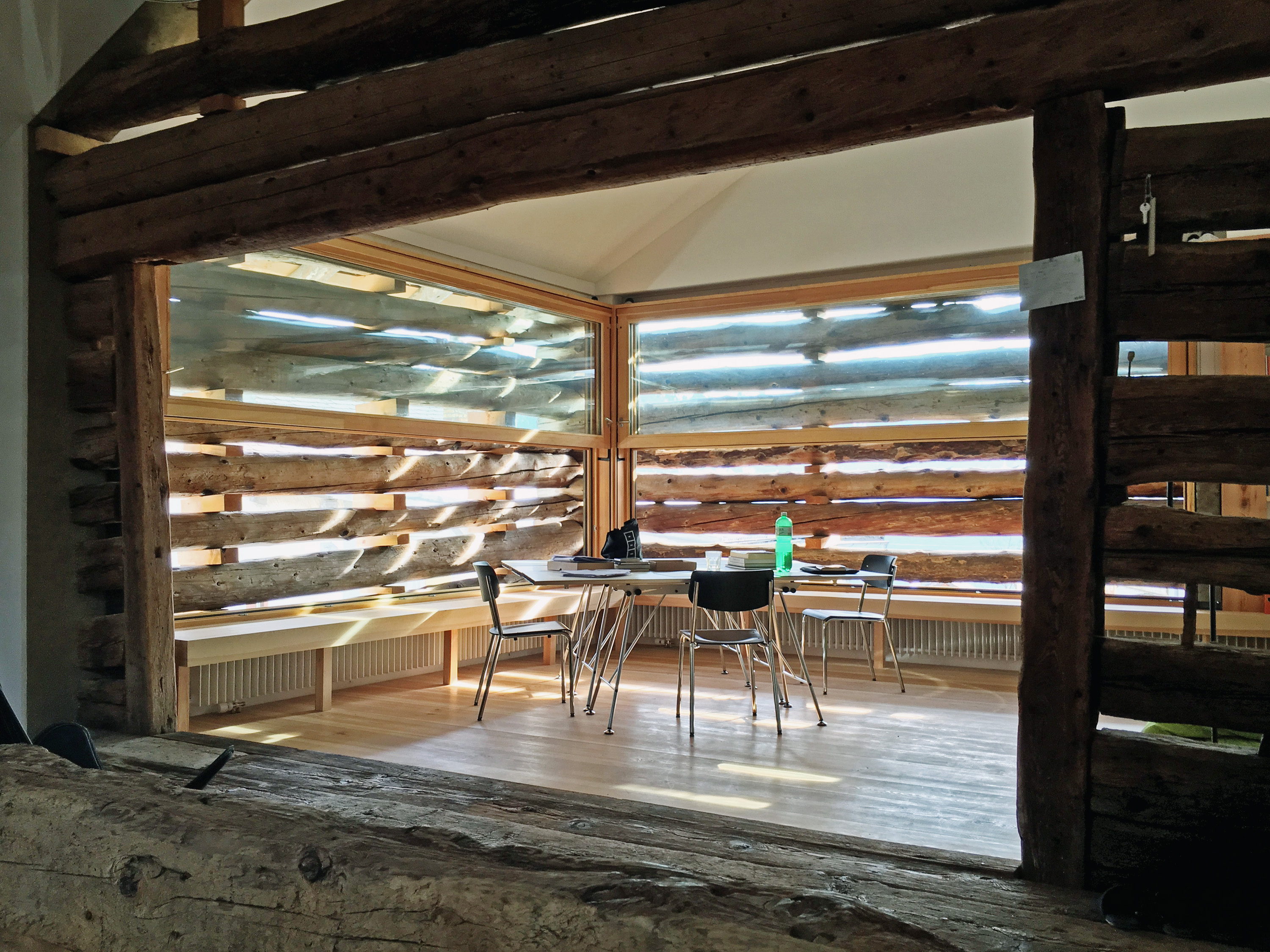
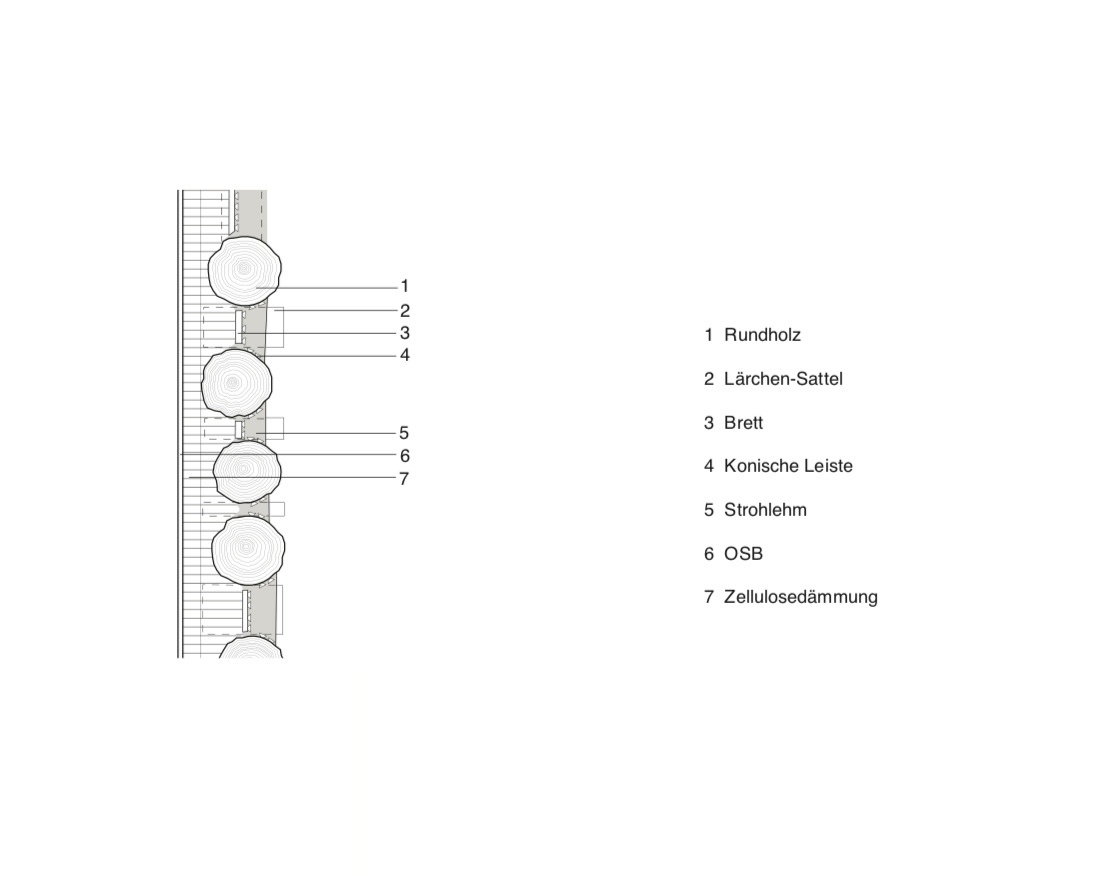
The envelope was built with spaces between the wooden logs to allow the natural ventilation of the hay inside. The barn carried the promise of a large sheltered space, like a rural alpine loft, following the Germanic origin of the word, Luft in German, Lucht in Dutch. The space extended, in our memories as well as through the gaps between the wooden logs, far beyond the village, to the opposite mountain slopes, high up to the alps’ pastures, to the hay fields carefully cut and combed year by year.
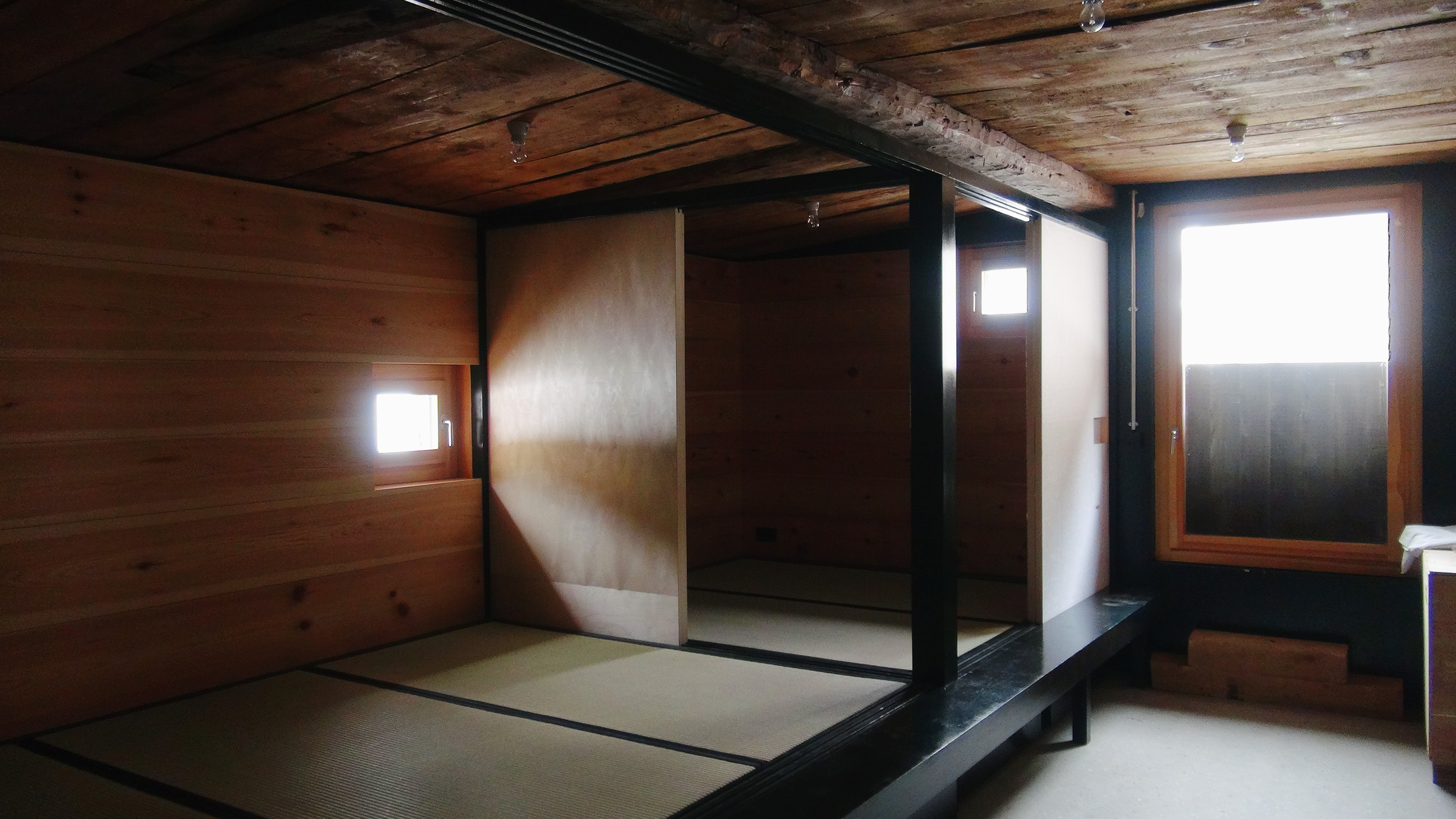
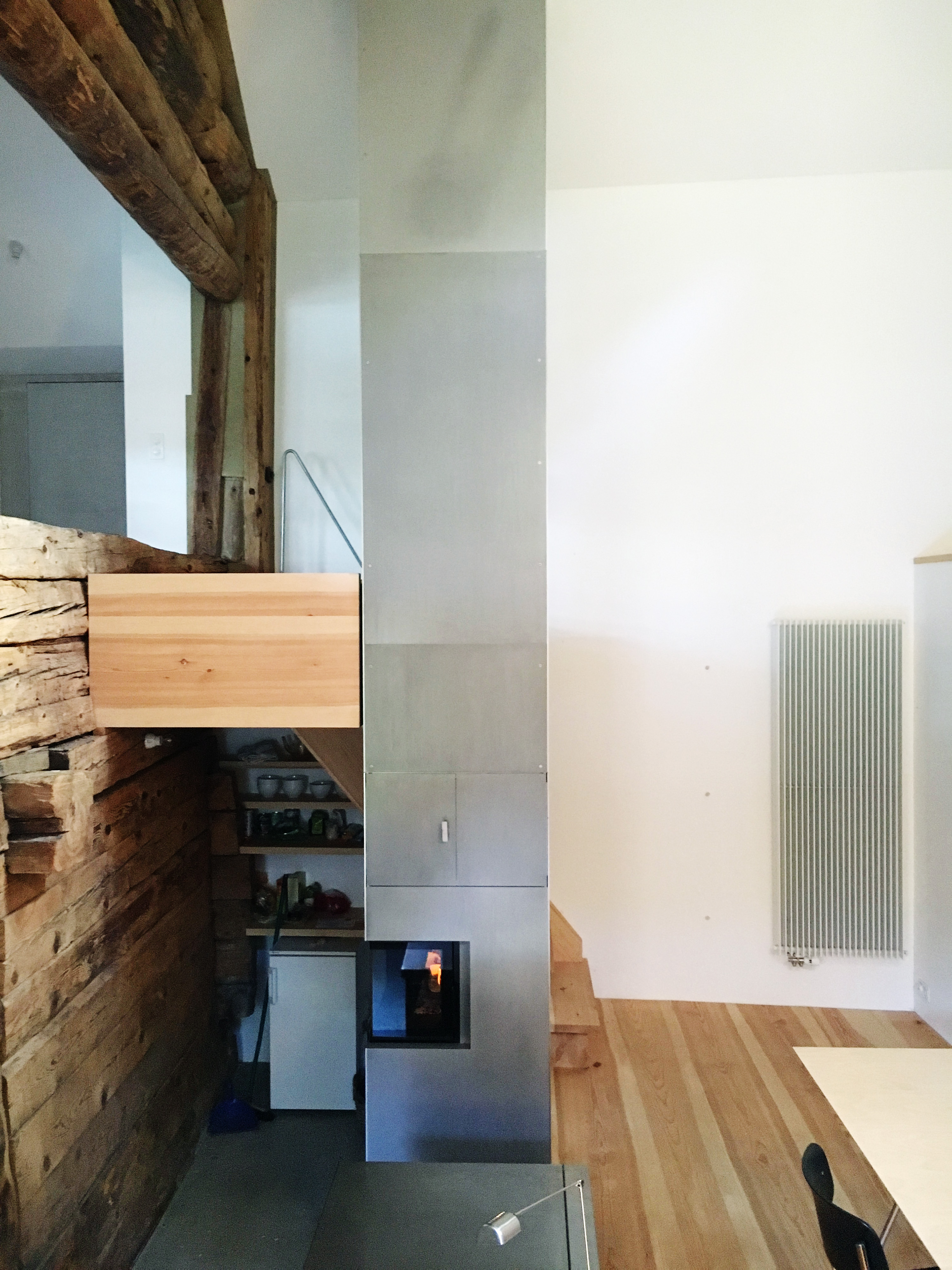
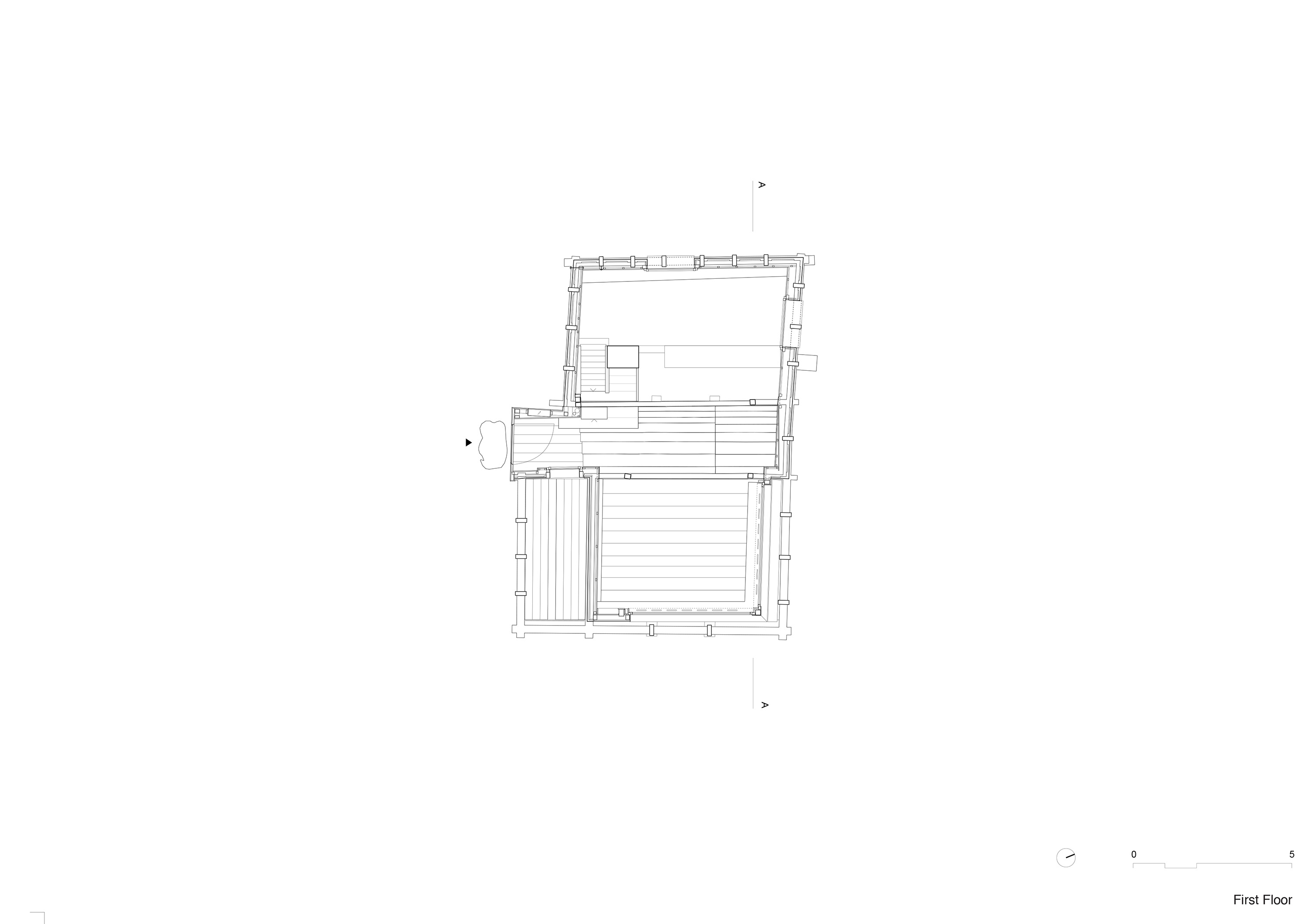
The split levels of the hay platforms were spatially intertwined. They offered an unexpected moment of freedom, like the empty stage of a theatre waiting for the next piece. What should the barn become? Could this interwoven spatial play and the platforms be carried over beyond the barn’s transformation? This question became our focus and program. The function wouldn’t be that of a home or holiday house, but a space for dwelling. It would serve neither as an office nor an atelier, but a retreat for calm concentrated work. We consciously and repeatedly avoided the question of the barn’s purpose in order to keep its functional openness and transparency intact.
Cronologia:
Fase di progetto: 2013-2014
Realizzazione: 2014-2016