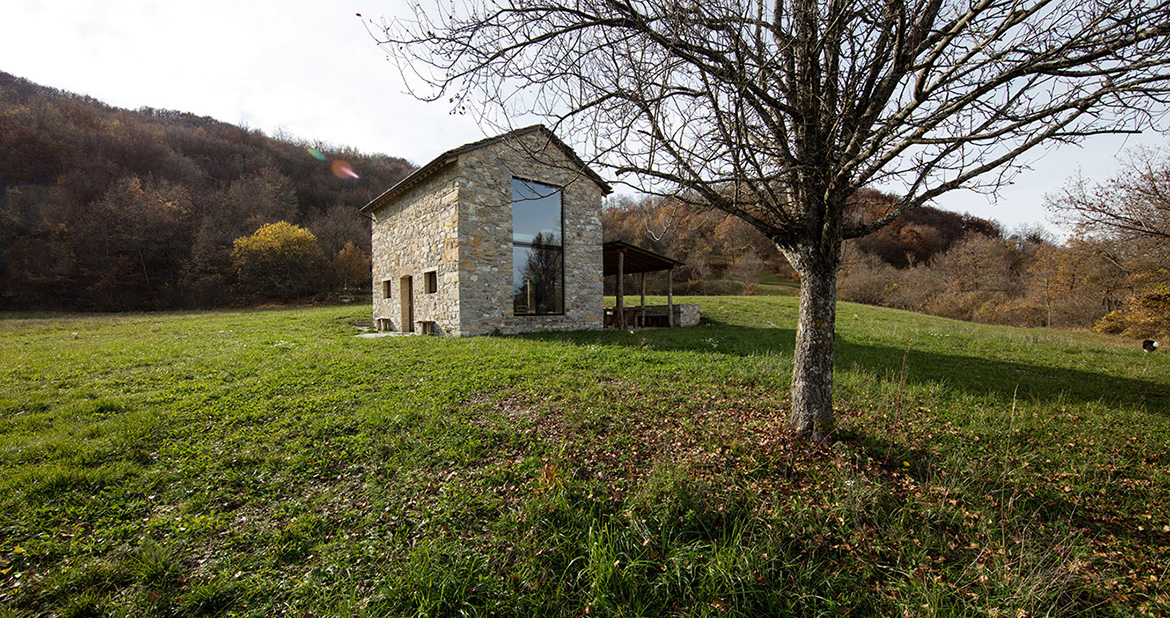
Questa realizzazione è situata a Tufi d’Agna, un piccolo nucleo abitato nel comune montano di Corniglio, all’interno dell’appenino Tosco-Emiliano riconosciuto recentemente come riserva MaB Unesco (Man and the Biosphere Programme).
Questa realizzazione è situata a Tufi d’Agna, un piccolo nucleo abitato nel comune montano di Corniglio, all’interno dell’appenino Tosco-Emiliano riconosciuto recentemente come riserva MaB Unesco (Man and the Biosphere Programme).
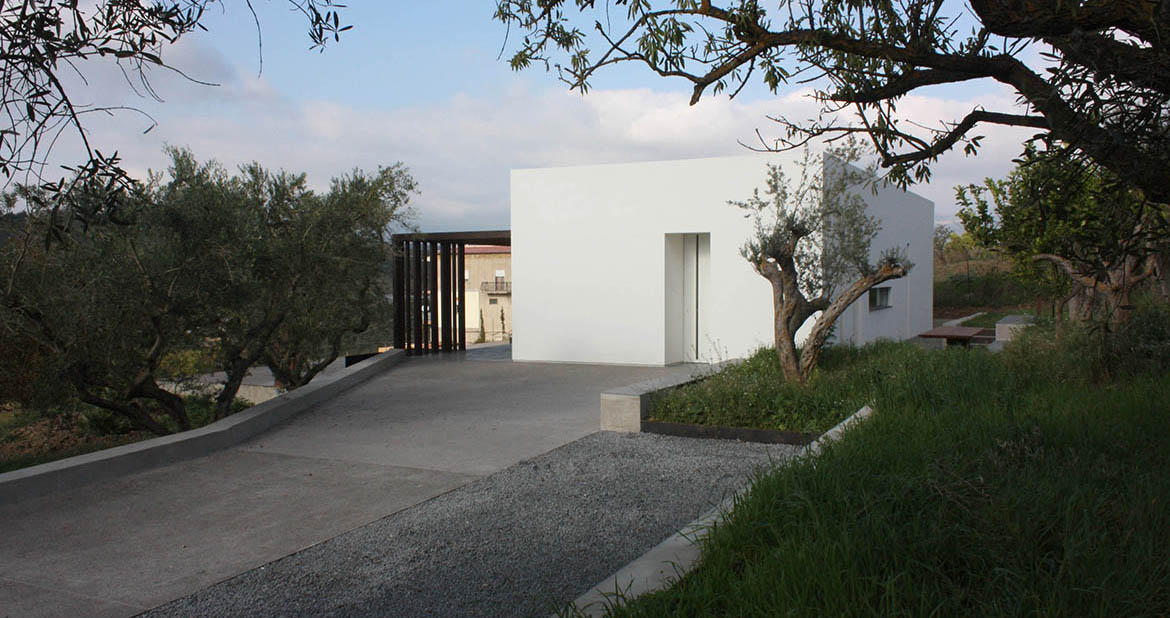
Sicilian architects cottone+indelicato provide an example on how you can transform buildings with no architectural value into artifacts of contemporary architecture integrated with the sicilian landscape.
The residential building object of renovation is located in the outskirts of the town of cianciana, on a lot with a gentle slope, facing the agricultural landscape.
The design concept is the sobriety of the volume and the dialogue with the nature. The building relates to the surrounding landscape with a contemporary language that recalls the mediterranean architecture.
The external areas of the project are structured by a series of plans that relate themselves with the existing topography. Each of these platforms, settled to a different level, absolves to a specific function: the belvedere terrace at the level +0.00m., which is the main level of the house; the barbecue area at -0.45m. And the swimming pool solarium at -0.90m.
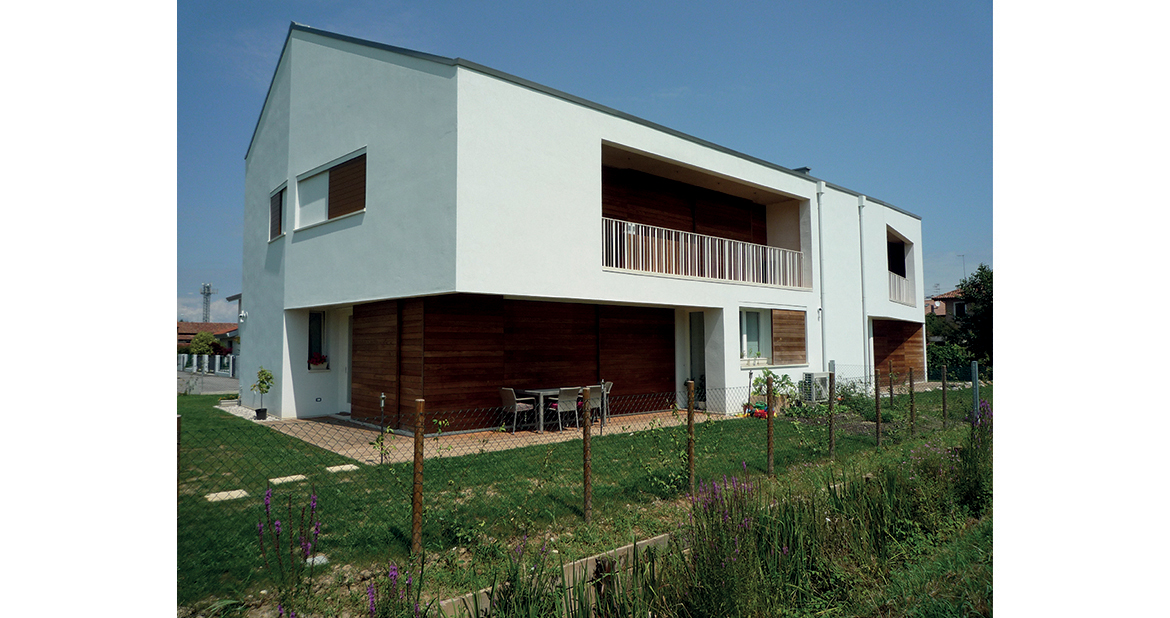
The building consists in a detached house located in the outskirts of Treviso, 30 km from the Venice lagoon. The usable floor area is 185 sqm per unit. Two parking covered places per unit were required by the administration althought it was clearly demonstrated that they weren’t necessary.
The primary goal was to build a low energy consumption house that could represent an iconic building for the small town thanks to the sustainable and design values.
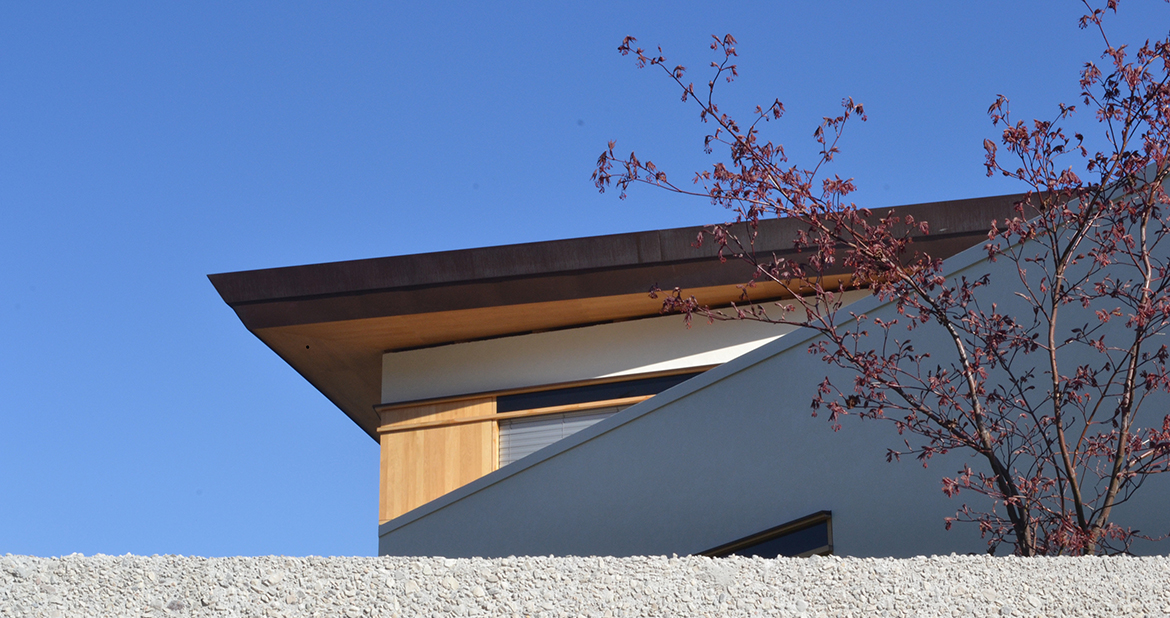
The project is the synthesis of a variety of ideas studied and considered during many months of work. The result tries to combine sustainable technology and tradition, aesthetic and practical aspects, social context and individual requirements and it has been pursued through a constant research and a very close relationship with the client, which desidered since the beginning to get a passive house for his family.
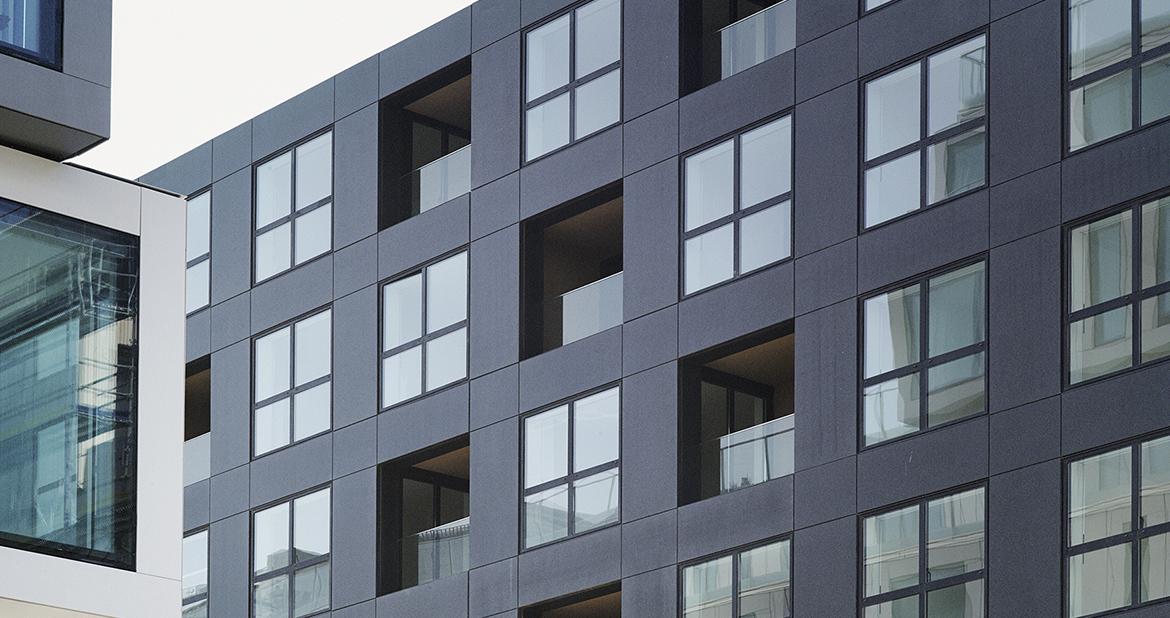
The environmental strategy developed as part of our ongoing reflections about the nature of cities, and it had an early impact on the project, not so much because we needed to satisfy certain regulatory criteria, rather because we wanted to merge a desire for architecture with sustainability, with an eye to savings and to known or contingent uses.
Our proposal pays homage to Paris by employing an architecture that inserts itself into the city’s own logic, but which also responds to current and future challenges.
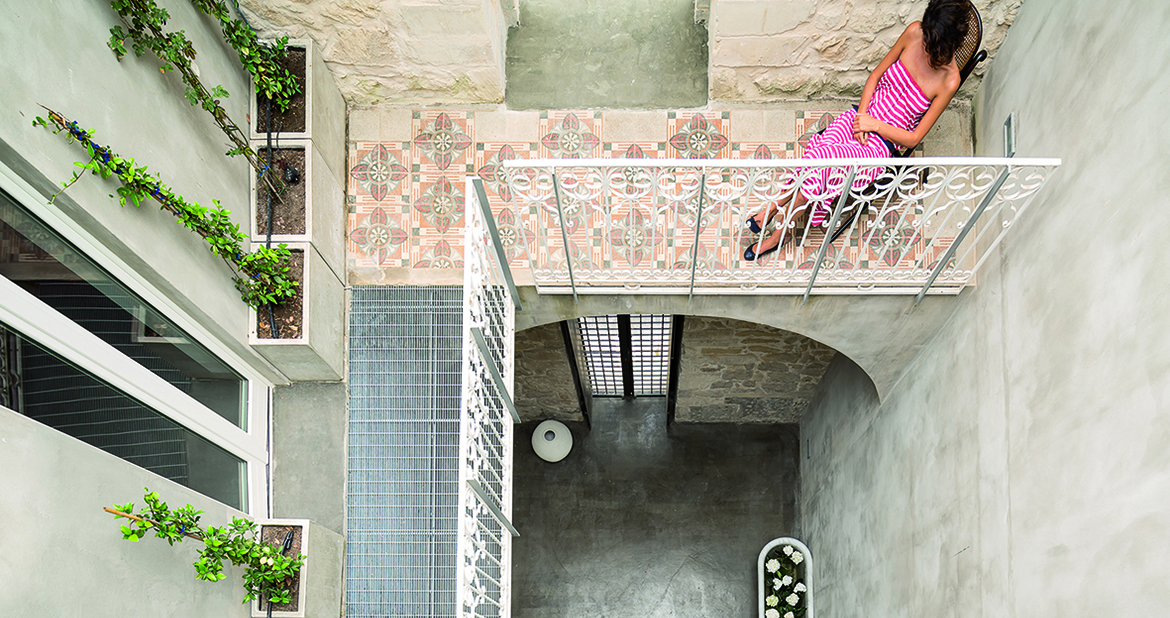
The building is located in the upper section of the oldest part of Ragusa where longitudinal streets are running parallel at different levels, following the natural slope of the land and tied together by a criss-cross of steps.
The current sequence of buildings is the result of combining or subdividing properties and sometimes even modifying the old connections between levels, which once tended to be divided between the ground floor production areas and the upper floor lodgings.
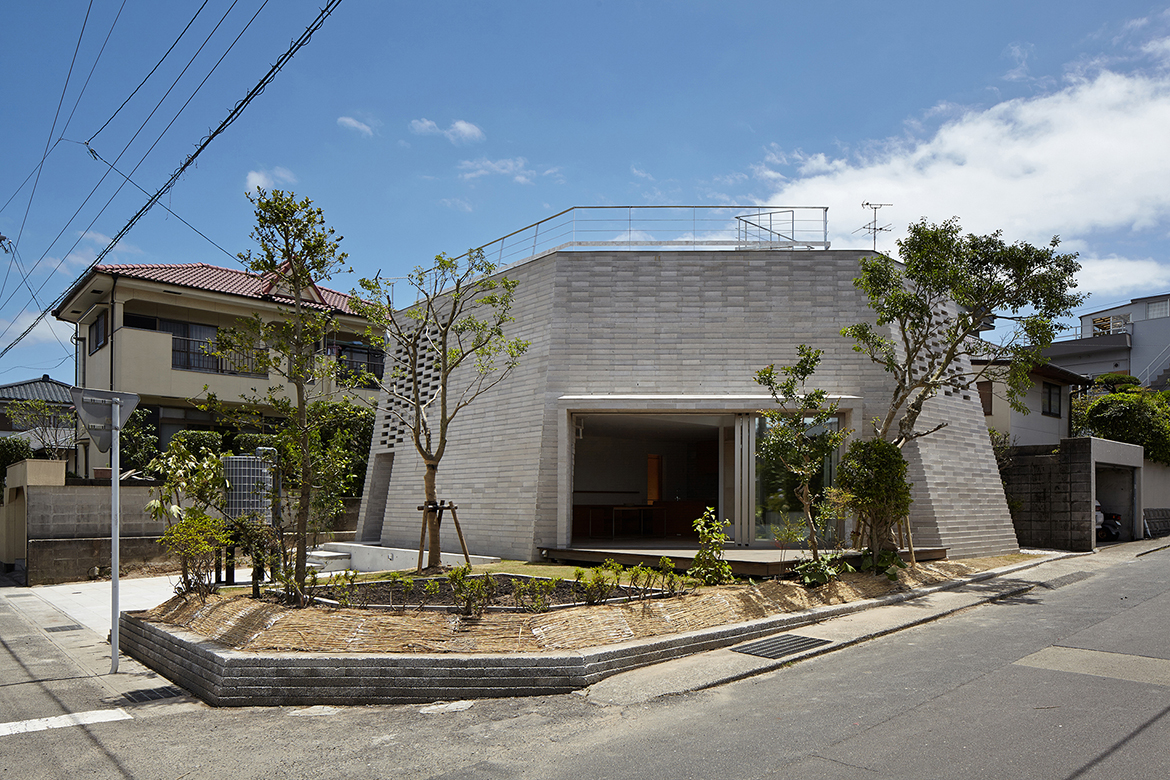
There were no other houses in the neighborhood that would block insolation, since the site was located in the south western corner of a slightly inclined land. Therefore the house is exposed to abundant sunshine during the day. On the other hand, land and sea breeze blowing in the northwest contributes to a fine wind circulating condition.